High-precision orthopedic trauma and facial reconstruction plates engineered to meet international clinical standards and deliver tailored outcomes for complex surgical procedures.
Understanding the clinical demand dynamics, trauma epidemiology, and medical procurement pathways across the Bagmati Province.
As the central hub of specialized healthcare in Nepal, Kathmandu accommodates top-tier tertiary care centers, including the Tribhuvan University Teaching Hospital (TUTH), Bir Hospital, National Academy of Medical Sciences (NAMS), and prominent private surgical centers like Nepal Mediciti and Norvic International Hospital. The high incidence of road traffic accidents (RTAs) along highway corridors connecting the Kathmandu Valley to surrounding regions creates an urgent, ongoing need for robust cranio-maxillofacial (CMF) trauma fixation systems.
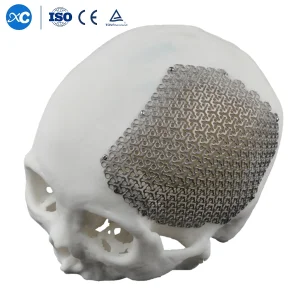
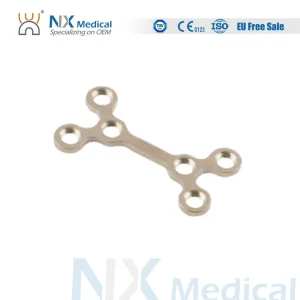
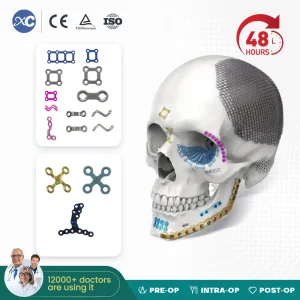
Surgeons in Kathmandu frequently perform micro-vascular flap reconstructions, pan-facial fracture stabilizations, and orthognathic alignment surgeries. Access to biocompatible 1.5mm micro-plates, 2.0mm mini-locking systems, and anatomically pre-contoured 3D titanium mesh is vital for reducing operating time and achieving optimal functional and aesthetic restoration.
Delivering precision surgical hardware to Kathmandu demands a seamless, compliant international supply chain. As a premier exporter to South Asia, our manufacturing facilities adhere to strict ISO 13485:2016 protocols, shipping directly via air freight to Tribhuvan International Airport (KTM).
We provide complete import regulatory documentation required by the Department of Drug Administration (DDA) Nepal, including Certificates of Free Sale (CFS), CE marks, Certificate of Analysis (CoA) for Medical-Grade Titanium Alloys (Grade 5 / Ti-6Al-4V ELI), and sterile barrier compliance records. This streamlines custom clearances, ensuring emergency surgical stocks reach Kathmandu operating theaters without delivery delays.
By eliminating redundant intermediary markups, we provide hospital networks and medical device suppliers in Kathmandu with direct manufacturer pricing, customizable OEM/ODM options, and rapid turnarounds for 3D Patient-Specific Implants (PSI). This facilitates advanced reconstructive procedures while managing overall treatment costs for local patients.
A technical examination of modern titanium alloys, bio-compatible PEEK structures, and finite element modeling in facial bone stabilization.
The global cranio-maxillofacial (CMF) implants market is undergoing a significant transformation driven by advancements in additive manufacturing, digital surgical planning, and biomaterial innovation. Maxillofacial repair requires implants that offer high mechanical strength, dynamic resistance to masticatory forces, superior corrosion resistance, and low radio-opacity interference during post-operative CT/MRI imaging.
| Material / Technology Parameter | Medical-Grade Titanium (Grade 5 ELI) | PEEK (Polyetheretherketone) | Bio-Resorbable Polymers (PLLA/PGA) |
|---|---|---|---|
| Tensile Strength (MPa) | 860 - 960 MPa (High Structural Rigidity) | 90 - 100 MPa (Bone-like Elasticity) | 60 - 80 MPa (Light Load Bearing) |
| Modulus of Elasticity (GPa) | 110 GPa | 3.6 GPa (Prevents Stress Shielding) | 2.5 - 4.0 GPa |
| Biocompatibility & Osseointegration | Direct bone-to-implant contact (Osteoconductive) | Bio-inert, minimal capsule formation | Resorbs via hydrolysis over 12-36 months |
| Imaging Artifact Generation | Moderate scatter on CT/MRI | Zero metallic artifact (Radiolucent) | Radiolucent |
| Primary Surgical Application | Load-bearing mandible trauma, orthognathic L-plates | Custom cranial & orbital floor reconstruction | Pediatric facial fracture repair |
Modern micro-locking plates utilize polyaxial screw trajectories (+/- 15 degrees off-axis). This allows surgeons in Kathmandu to secure fixations around complex anatomical structures, roots of teeth, and comminuted fracture fragments without compromising locking torque strength.
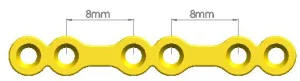
With plate profiles ranging from 0.5mm (ultra-micro) to 1.5mm/2.0mm (standard trauma), our systems minimize soft-tissue palpability under thin facial skin flaps, significantly reducing the post-operative implant removal rate.
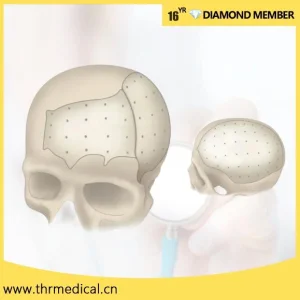
Utilizing cloud-based CT imaging data, implants are pre-bent or direct 3D metal printed (SLM technology) to mirror patient-specific bone anatomy, shortening operating room times by up to 35% during complex CMF rebuilds.
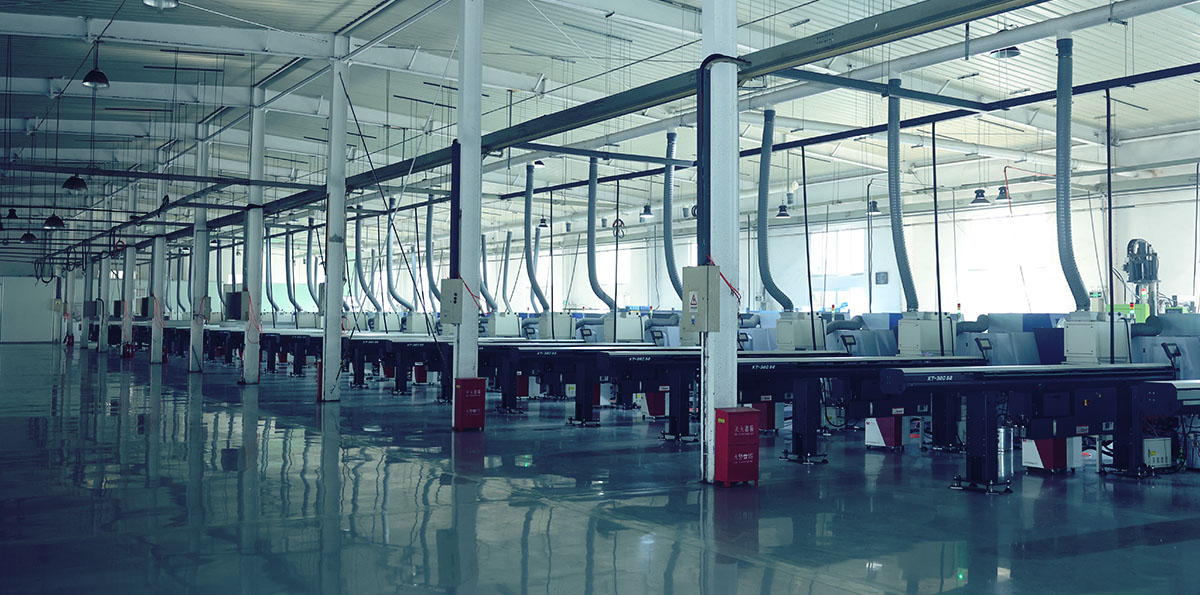
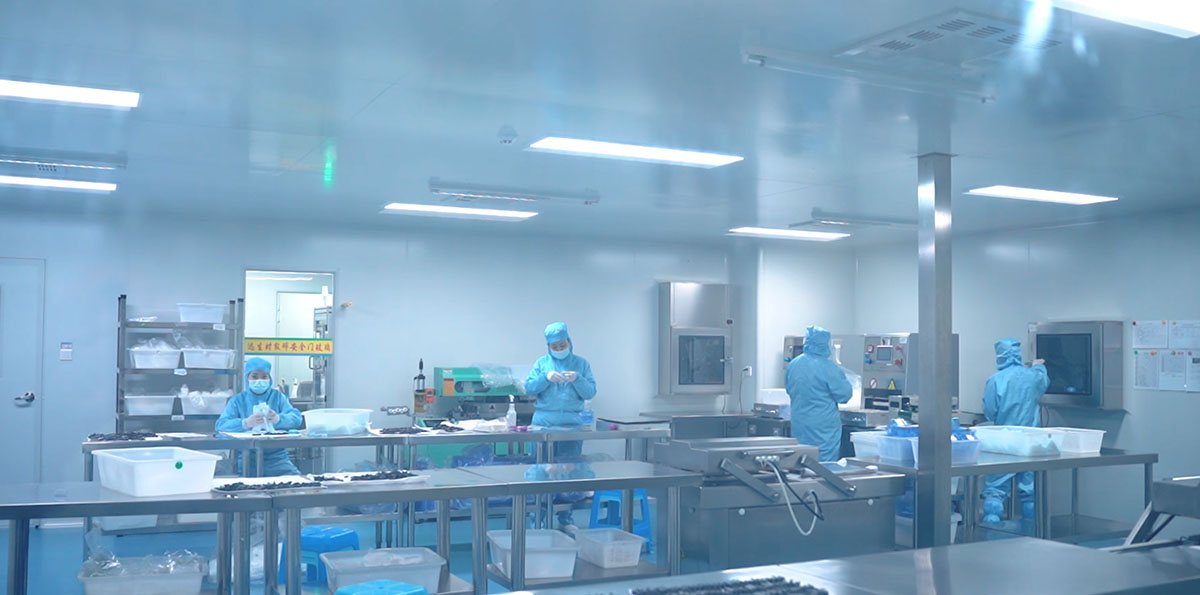
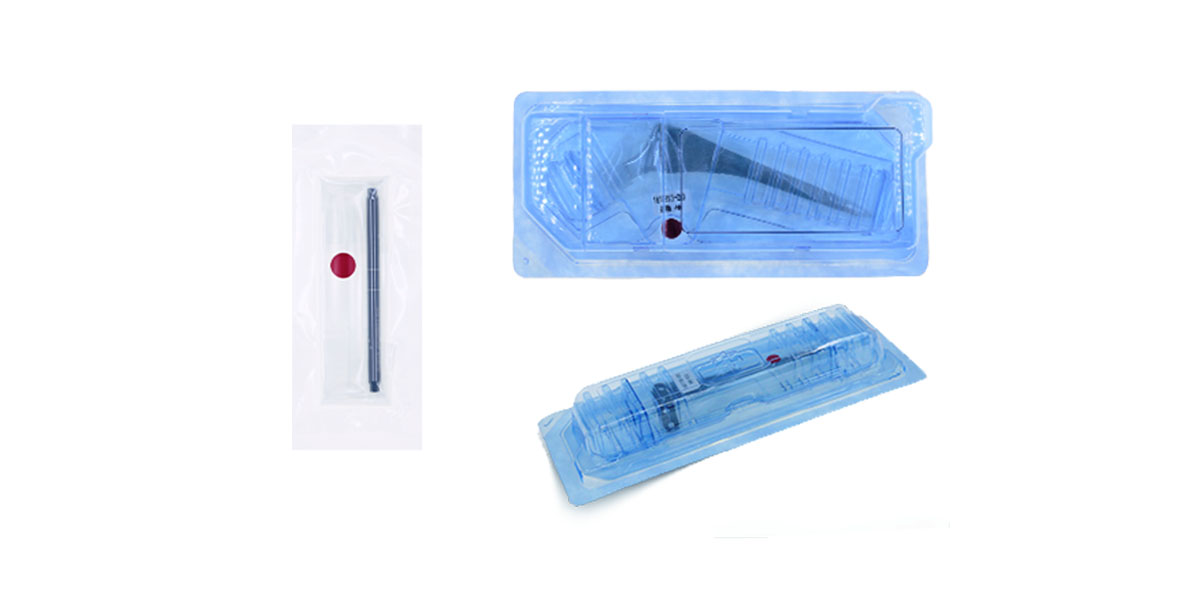
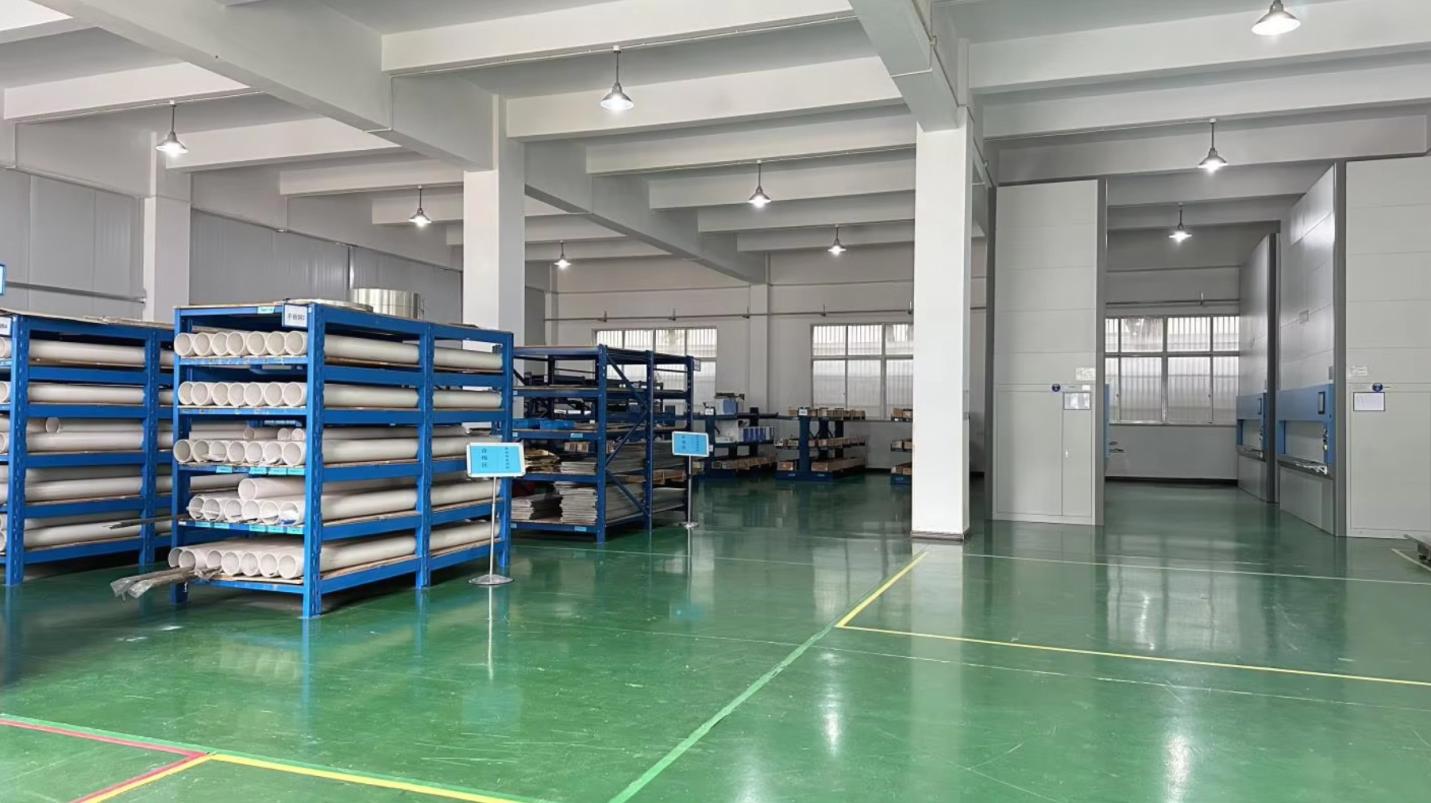
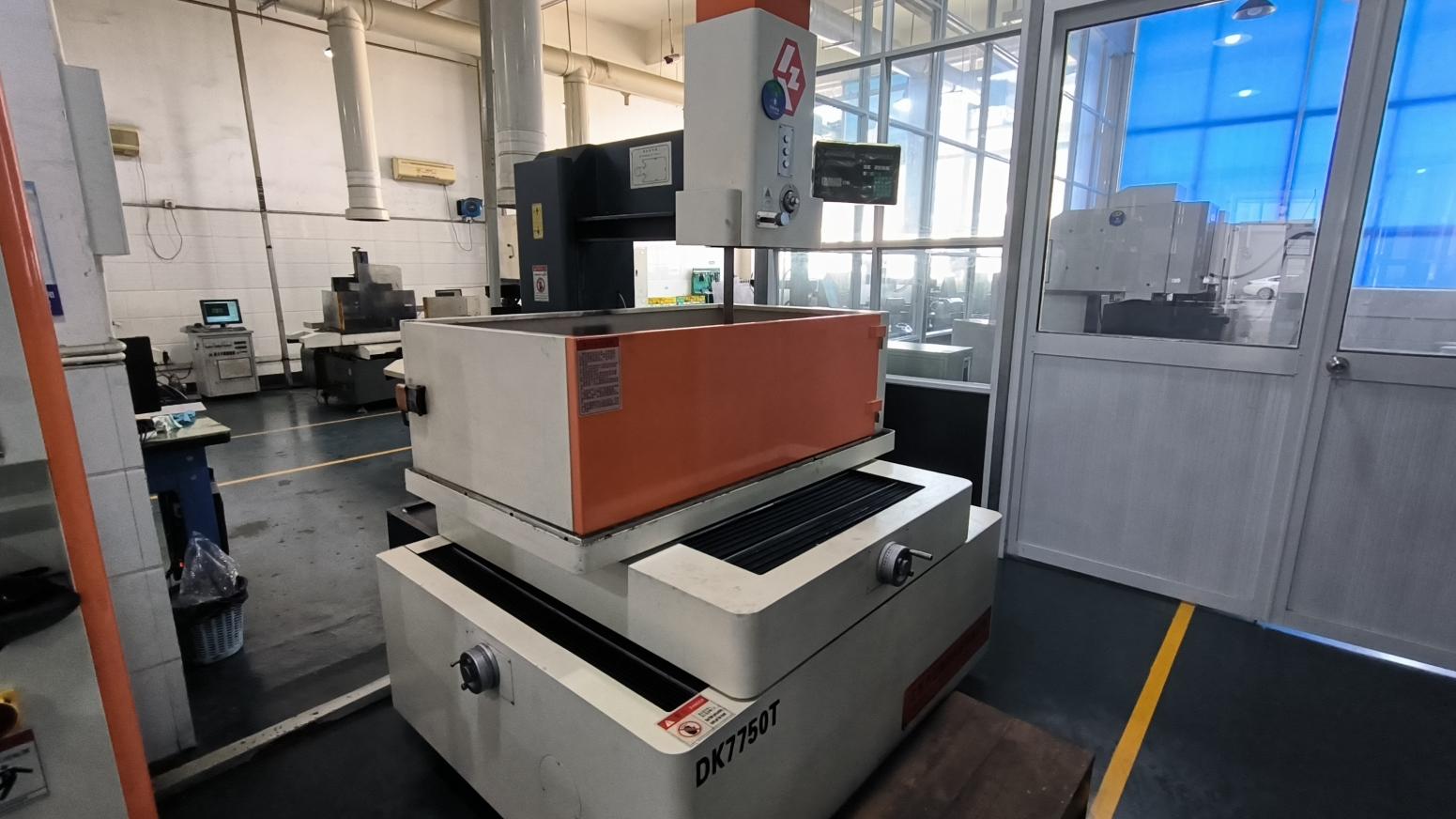
Our medical device manufacturing hub combines high-precision CNC multi-axis milling, wire EDM, cleanroom packaging, and rigorous testing protocols.
Targeted solutions designed for trauma surgeons, plastic surgeons, and oral-maxillofacial specialists operating in Nepalese tertiary care hospitals.
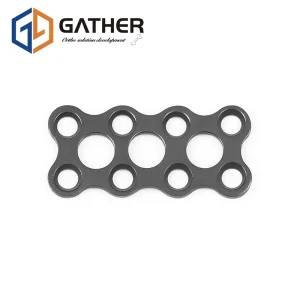
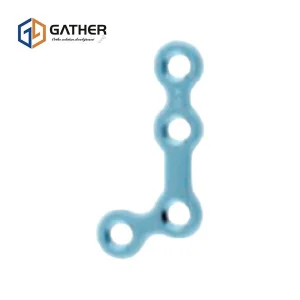
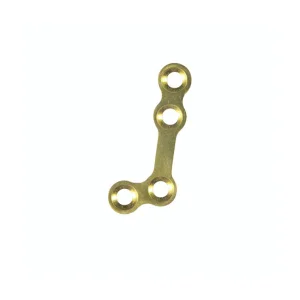
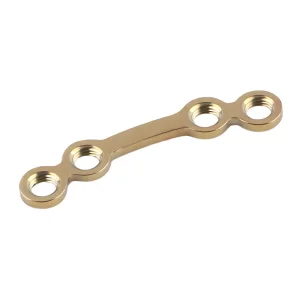
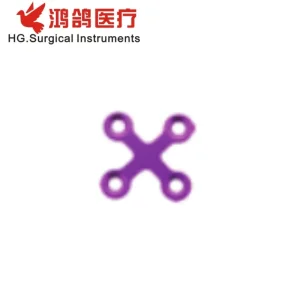
In corrective orthognathic procedures for skeletal class II/III malocclusion, our 1.0mm/1.5mm sagittal split plates with 4-hole configurations provide rigid internal fixation across osteotomy gaps while preserving inferior alveolar nerve integrity.
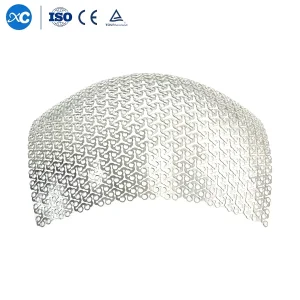
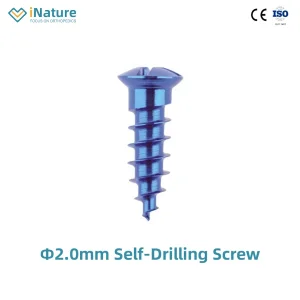
Orbital blowout fractures caused by physical trauma or sporting impacts require accurate reconstruction of orbital volume. Pre-shaped anatomical titanium mesh sheets with micro self-drilling screws restore ocular globe position, preventing post-traumatic enophthalmos.
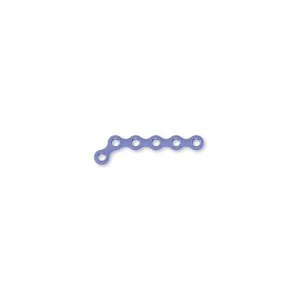
Complex high-velocity motor vehicle collisions demand multi-tier rigid fixation. Combining 1.5mm mini L-plates, straight 2.0mm plates, and variable-angle locking screws allows systematic buttress restoration across zygomaticomaxillary and nasofrontal suture lines.
Pioneering the next era of smart biomaterials, AI-assisted surgical modeling, and patient-matched implants.
We are integrating cloud-based segmentation algorithms that process DICOM datasets from Kathmandu diagnostic centers within hours. Automated AI algorithms generate pre-operative cutting guides and custom plate contours, transmitting CAD blueprints directly to 3D printers.
Next-generation titanium CMF plates will feature micro-porous lattice surfaces functionalized with hydroxyapatite (HA) micro-particles. This stimulates rapid peri-implant osteogenesis, reducing bony healing periods by up to 40%.
Explore our complete range of certified cranio-maxillofacial plates, mesh systems, and patient-specific repair sets available for export to Kathmandu.
Essential insights for medical device buyers, hospital procurement officers, and surgical teams in Kathmandu and across Nepal.
For standard production items (such as 1.5mm/2.0mm micro-plates, screws, and mesh sheets), dispatch via express international air freight (DHL/FedEx/UPS) to Tribhuvan International Airport (KTM) takes between 4 to 7 business days. For 3D Patient-Specific Implants (PSI), CAD design confirmation and 3D printing require an additional 3 to 5 business days prior to dispatch.
Yes. All surgical hardware manufactured in our facility carries full ISO 13485:2016 quality system certification and European CE mark compliance. We supply all supporting documentation—including Certificate of Free Sale (CFS), raw material mill test reports, and sterilization validation—needed for local registration and customs clearance in Nepal.
The surgical team in Kathmandu uploads high-resolution DICOM CT scan data via our secure digital cloud portal. Our biomedical engineers construct a 3D digital skull model and collaborate directly with the attending surgeon via virtual meeting to refine cut planes and plate geometry. Upon final digital sign-off, the custom PEEK or Titanium implant is 3D printed, surface-finished, double-packaged in cleanrooms, and shipped.
Our metallic plates and screws are manufactured using Medical Grade 5 Titanium Alloy (Ti-6Al-4V ELI / ASTM F136), providing an optimal balance of high tensile strength and biocompatibility. For custom non-metallic cranial and facial reconstructions, we utilize high-performance Polyetheretherketone (PEEK) medical polymers.
Yes. We provide complete OEM/ODM production capabilities. Hospital networks and medical distributors in Kathmandu can request custom graphic aluminum sterilization boxes, dedicated driver instrumentation sets, laser-etched lot numbers, and customized distributor packaging tailored to local requirements.
Equip your Kathmandu surgical center or hospital network with ISO 13485 certified CMF plates, 3D anatomical meshes, and custom PEEK solutions. Contact our international export engineering team today for factory-direct quotes and product technical dossiers.
Send Inquiry Now Axton Orthopedic Implants