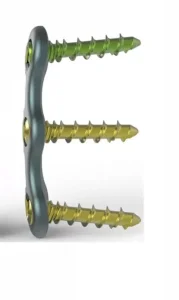
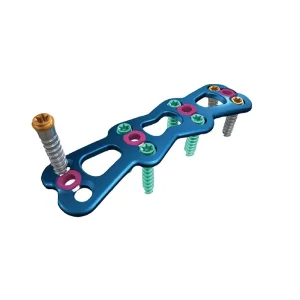
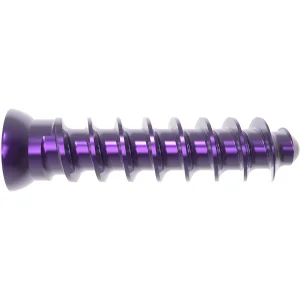
Premium implantable devices engineered with certified bio-compatible materials to ensure excellent osseointegration and mechanical stability in cervical spinal surgeries.
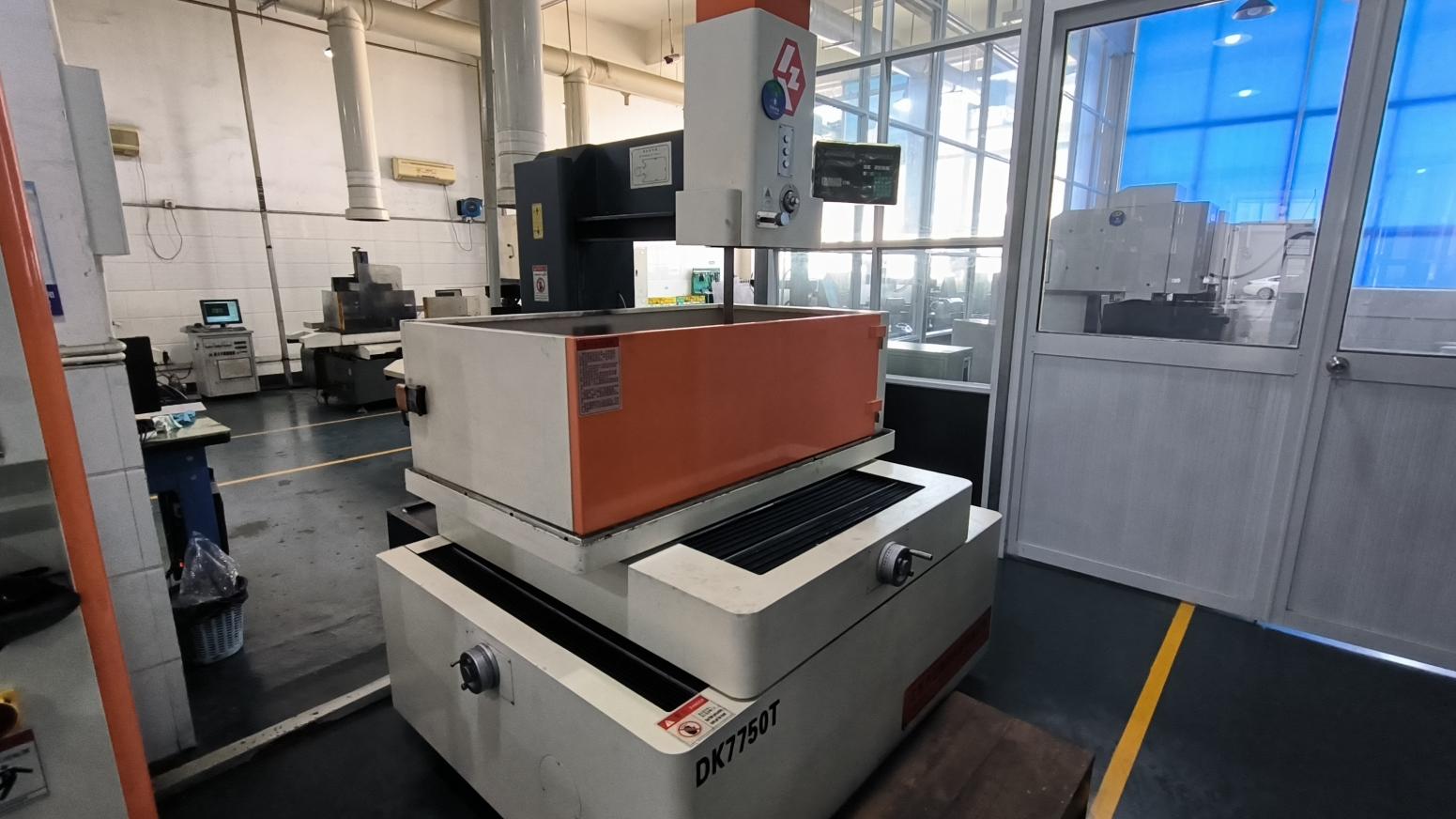
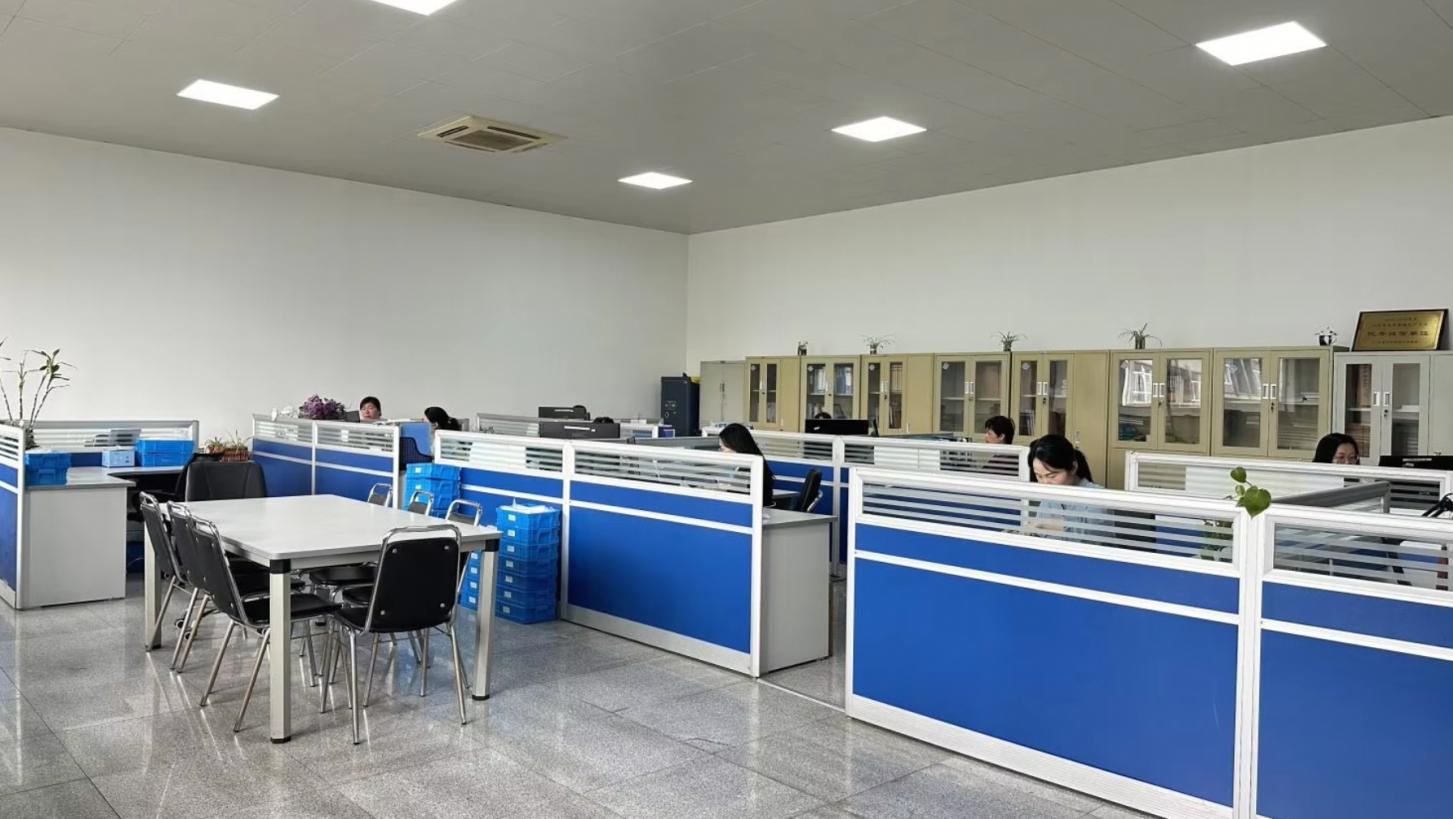
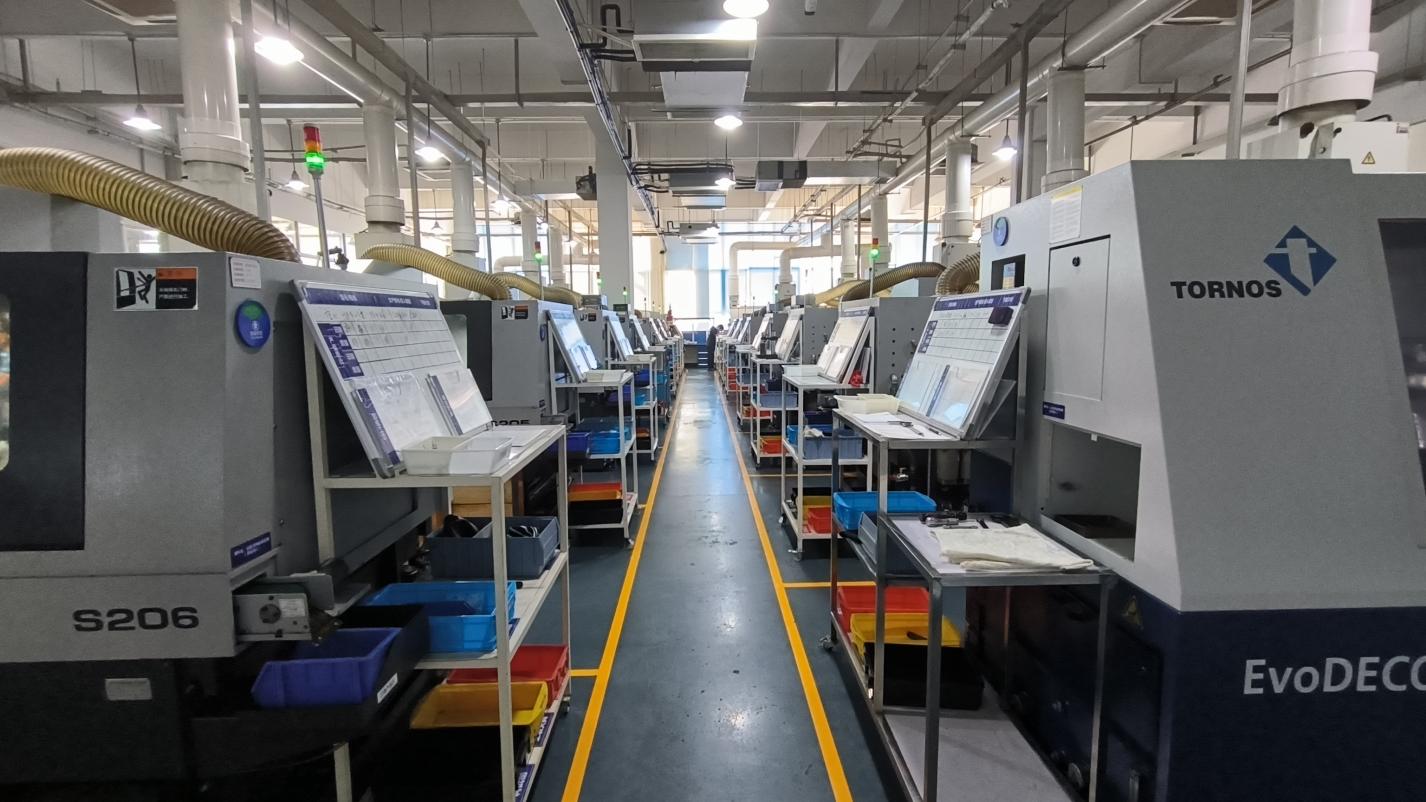
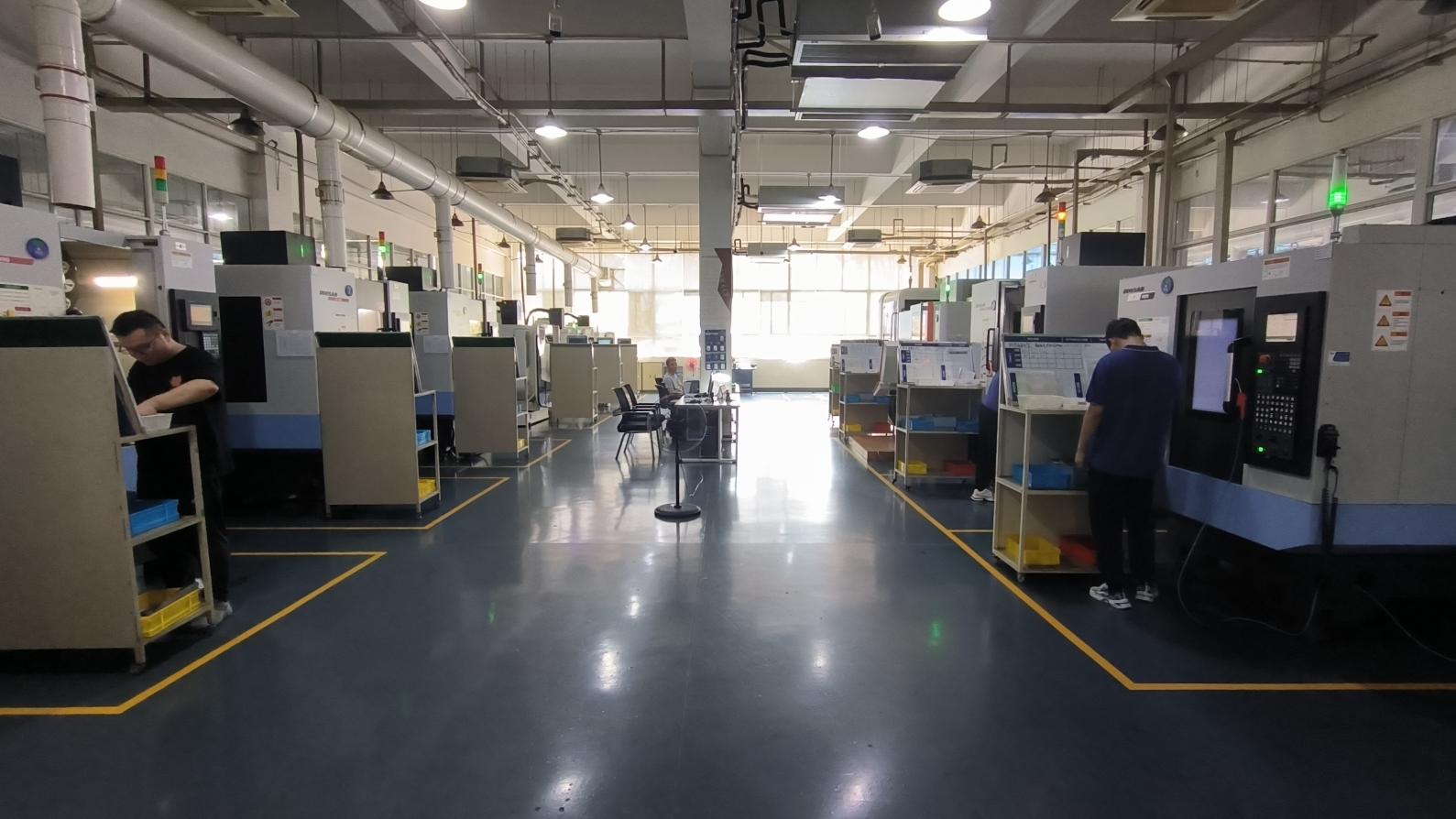
Over a decade of manufacturing high-performance medical implants and industrial surface-coating systems with international quality compliance.
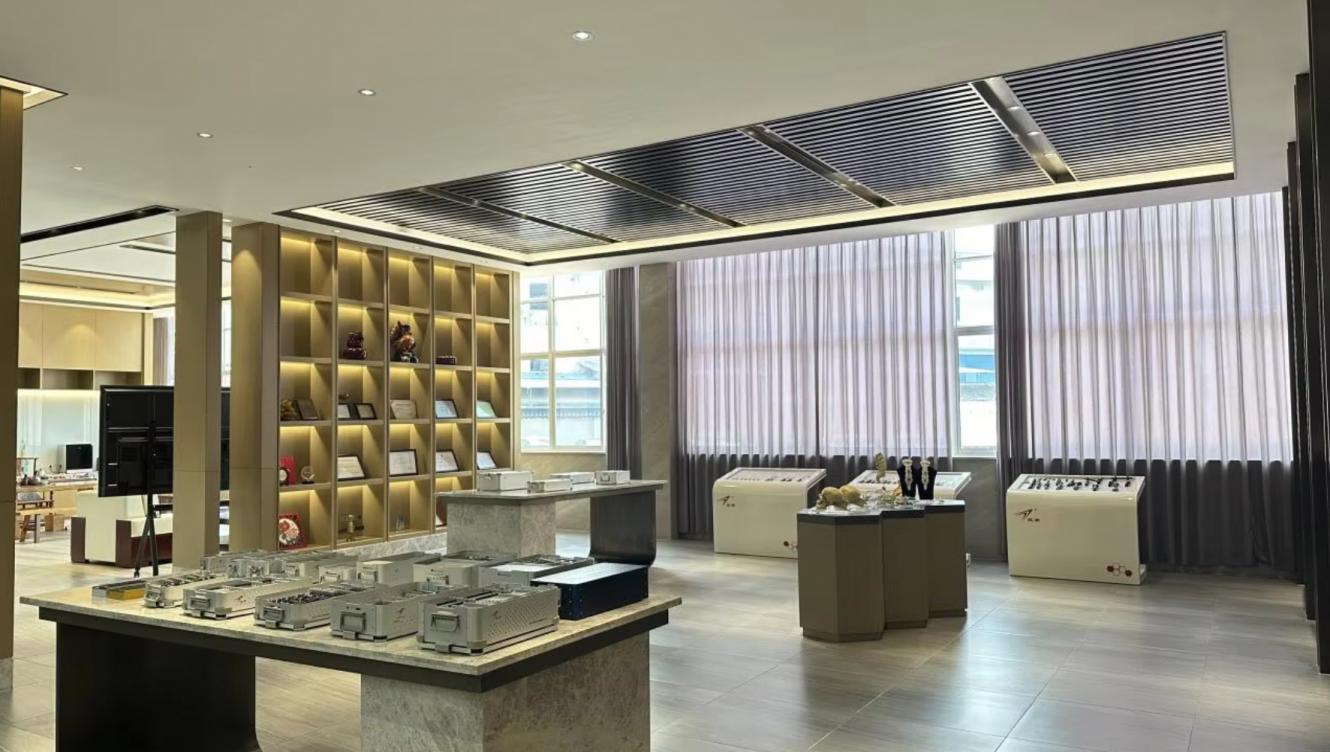
To date, our products have been widely used in dozens of countries across Asia, Latin America, Africa, and Europe, and have gained recognition from local distributors and surgeons. A major strength of the company lies in its expertise in 3D printing and customization. With advanced technology, the company is able to create personalized medical devices that perfectly fit each patient. This customization not only enhances treatment outcomes but also improves patient comfort and overall satisfaction. We offer orthopedic implants, joint implants, brushless motors, and other products.
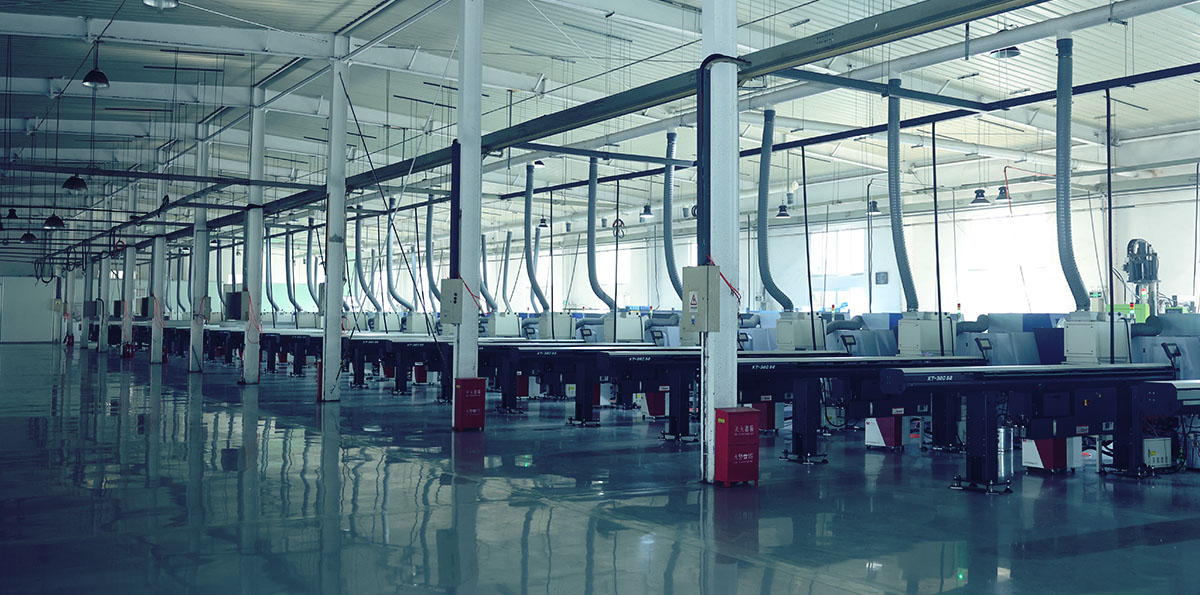
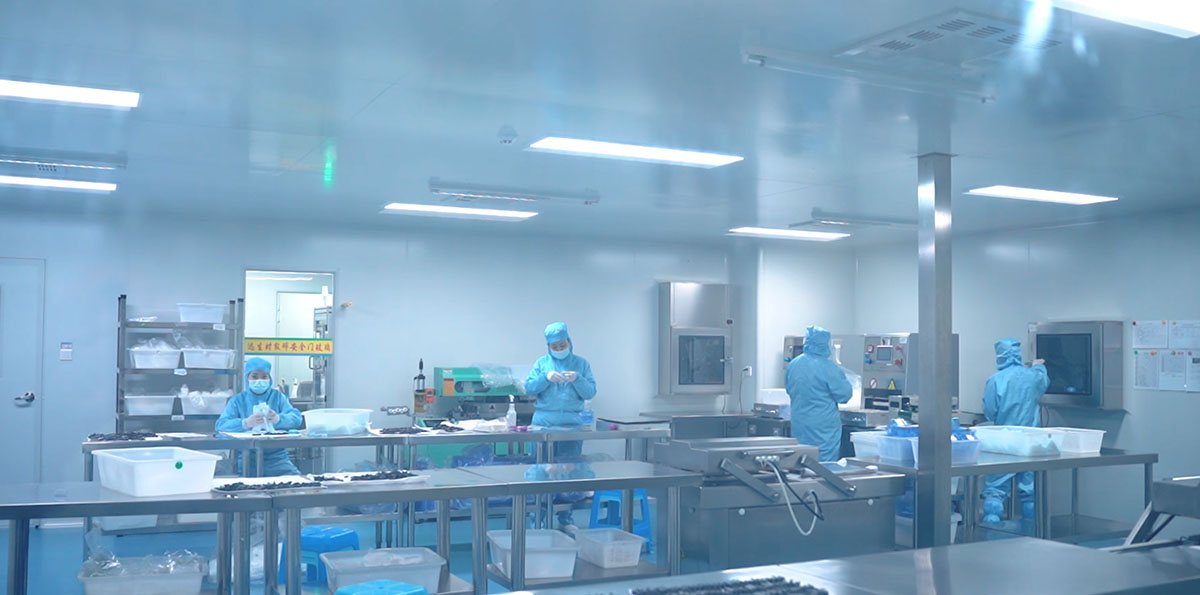
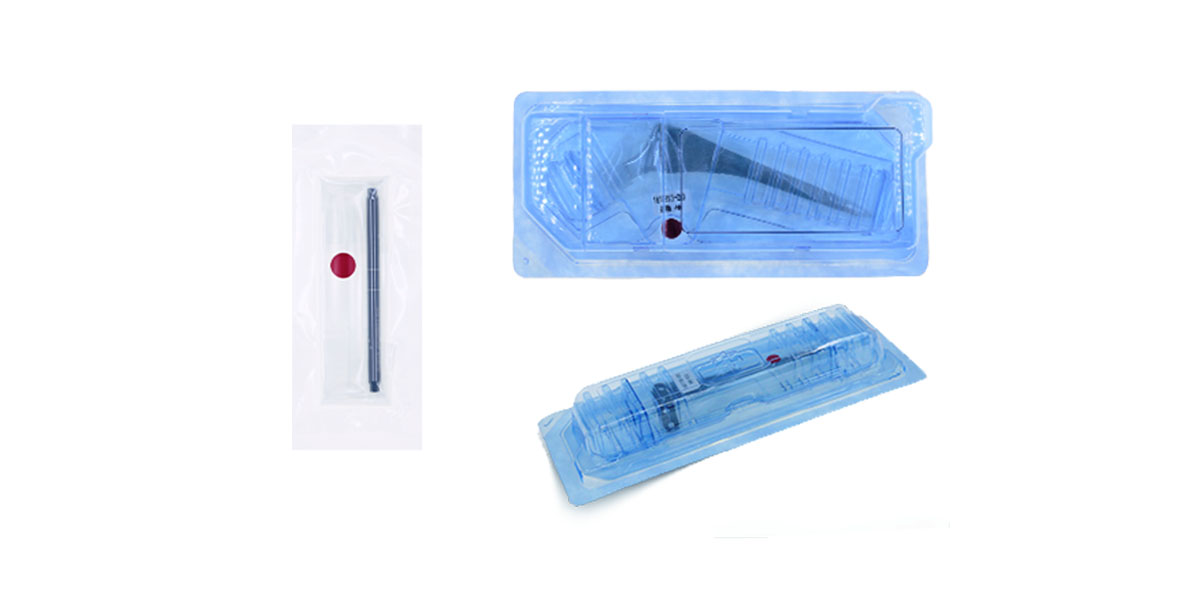
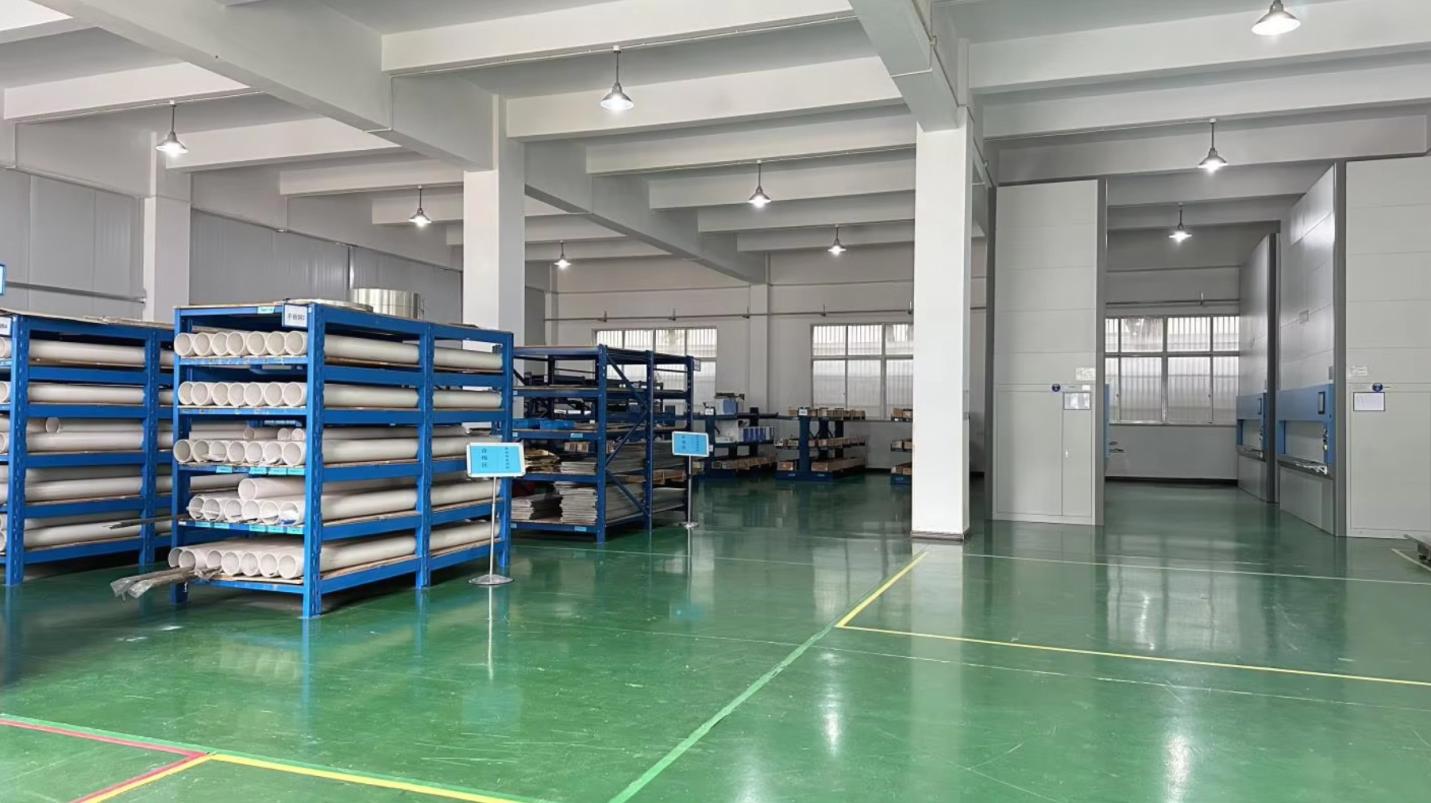
Anterior Cervical Plating Systems (ACPS) represent a cornerstone in spinal fusion procedures, particularly for stabilizing the anterior column following decompressive discectomy or corpectomy. Anatomical restoration, mechanical load-sharing, and rapid osseointegration are the critical clinical objectives when stabilizing the cervical spine. By placing a rigid or semi-constrained biocompatible plate structure onto the ventral aspect of the cervical vertebrae, clinicians mitigate micro-motion at the graft interface, prevent graft displacement, and foster a biomechanically favorable environment for bone graft remodeling. This process is governed by Wolff’s Law, which dictates that bone remodels in response to the physical stresses placed upon it. A well-designed cervical plating system balances the prevention of stress shielding with the provision of absolute mechanical stability, ensuring long-term fusion success.
Modern clinical applications frequently debate the efficacy of rigid (fixed-screw) versus dynamic (variable or settling) plating systems. While rigid plates offer immediate post-surgical immobilization, they are susceptible to stress-shielding, potentially retarding bone graft fusion. Dynamic plating systems permit controlled settling of the graft under physiological load, which accelerates fusion rates and minimizes the risk of implant fatigue, screw pull-out, or construct failure in multi-level cervical reconstructions.
Antwerp, Belgium, is a dominant European hub for clinical research, biomedical engineering, and supply-chain logistics. Home to leading academic institutions such as the University Hospital Antwerp (Universitair Ziekenhuis Antwerpen - UZA) and the Extensive ZNA hospital networks, the Antwerp metropolitan region hosts pioneering clinical investigations in orthopedic biomechanics, neurosurgery, and advanced surgical metallurgy. High-profile spinal surgeons throughout Flanders demand orthopedic implants that strictly align with both the European Medical Device Regulation (EU MDR 2017/745) and strict CE-mark protocols.
Beyond clinical deployment, Antwerp's strategic geographic location—anchored by the Port of Antwerp-Bruges—positions it as an ideal distribution gateway for medical implants and advanced metallurgy equipment. Global medical device manufacturers leverage Antwerp's sophisticated logistics networks to store, transport, and distribute surgical implants and plating machinery across the European Union. The synergy between Antwerp's biomedical corridors and its robust industrial shipping infrastructure creates a highly competitive environment where manufacturers must supply high-performance, cost-effective, and fully certified spinal plating solutions.
The global orthopedic and spinal implant market is experiencing unprecedented demand, primarily driven by a rapidly aging demographic and the subsequent rise in degenerative disc diseases, cervical spondylotic myelopathy, and cervical trauma cases. Market reports suggest that the global spinal fusion market will continue to expand at a steady Compound Annual Growth Rate (CAGR) exceeding 5.2%. This growth is accompanied by an increasing shift toward minimally invasive spine surgeries (MISS), which require low-profile, ergonomically optimized plating systems that reduce soft-tissue disruption and shorten postoperative recovery windows.
Simultaneously, the regulatory environment is undergoing major shifts. The full implementation of the European Union Medical Device Regulation (MDR) has elevated the baseline requirement for clinical data collection, traceability, and post-market clinical follow-ups (PMCF). Surgeons and procurement directors in Antwerp and the broader European market no longer accept implants lacking exhaustive clinical backing. Consequently, manufacturers must implement state-of-the-art material verification, traceable CNC machining pathways, and rigorous cleanroom sterilization protocols to remain viable suppliers in this highly regulated space.
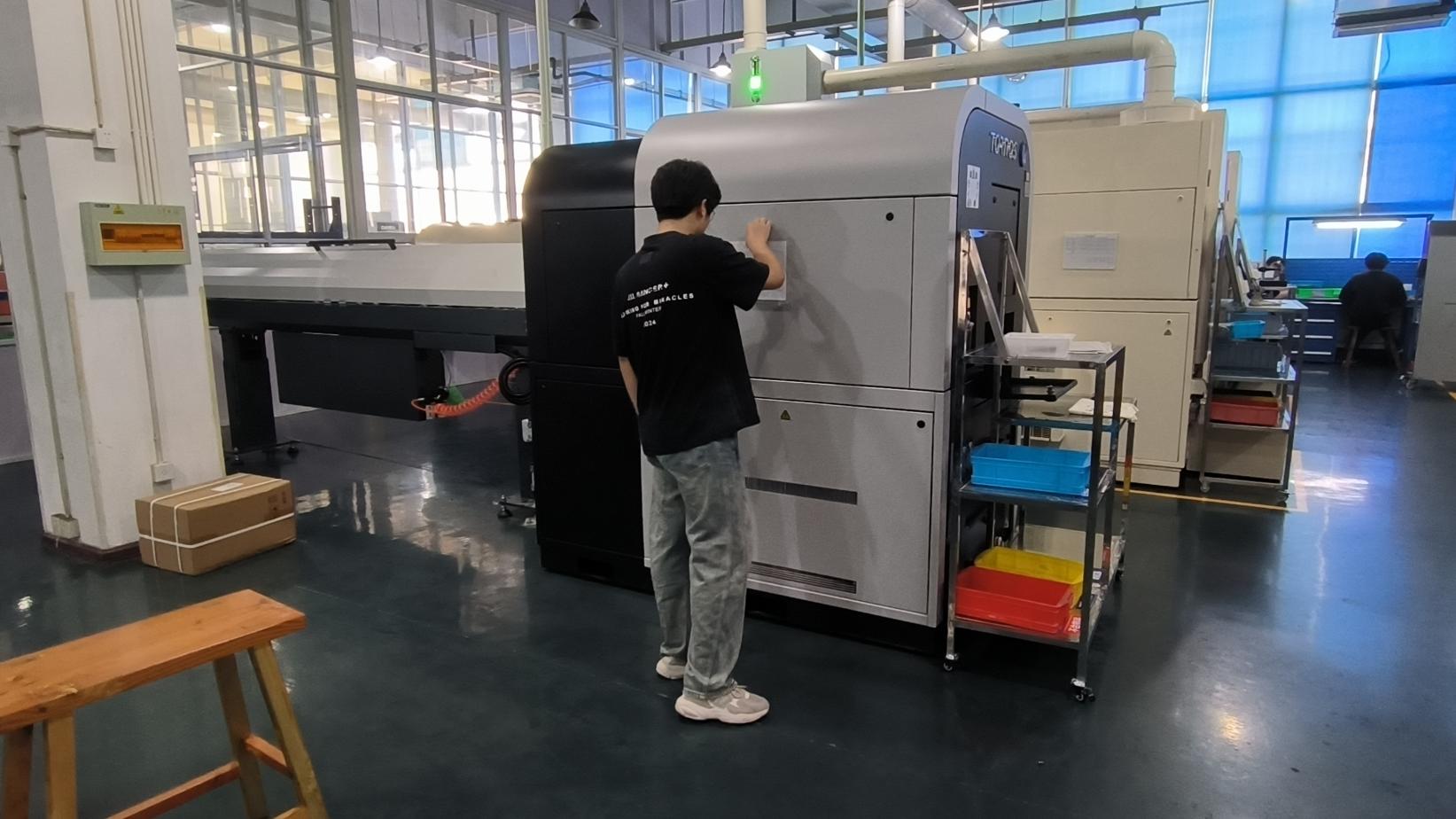
The convergence of computerized design and additive manufacturing has revolutionized the spinal implant sector. Through patient-specific imaging datasets (CT/MRI scans), manufacturers can now leverage high-speed metal 3D printing (Direct Metal Laser Sintering - DMLS) to produce customized anterior cervical plates and interbody spacers. These custom implants are designed to precisely replicate the patient's unique anatomical curvature, which optimizes surface contact, maximizes mechanical stability, and significantly reduces intraoperative adaptation times.
In parallel, surface modification technologies have progressed beyond simple mechanical blasting. Advanced coatings like Physical Vapor Deposition (PVD), Chemical Vapor Deposition (CVD), and plasma-assisted electrolytic oxidation are now employed to deposit thin, highly adherent, bioactive layers on the titanium surface. These treatments improve wear resistance, lower friction coefficients, and accelerate osteoblast attachment. Specifically, titanium nitride (TiN) and titanium carbonitride (TiCN) coatings act as physical barriers that mitigate metal ion release, ensuring superior biocompatibility and minimizing long-term tissue inflammatory responses in patients.
Within Flanders' healthcare facilities, such as the regional trauma units and specialized spine clinics in Antwerp, Ghent, and Brussels, Anterior Cervical Discectomy and Fusion (ACDF) is the primary procedure for treating degenerative disk disease (DDD) and trauma. Local surgical groups prioritize cervical plates that offer a zero-profile or low-profile footprint. This clinical preference stems from a desire to reduce the incidence of postoperative dysphagia (difficulty swallowing)—a common complication associated with thick anterior plates that compress the adjacent esophagus.
Furthermore, local clinical audits emphasize the importance of secure, passive-locking mechanisms. In high-velocity trauma admissions, such as those arising from industrial accidents at the Port of Antwerp, surgeons require plating systems with integrated locking covers that can be verified visually and tactilely in the operating room. This ensures that even under high load variations, screw backing is physically prevented, eliminating the risk of catastrophic construct migration.
Heavy-duty industrial plating machinery, PVD vacuum deposition systems, and zinc plating units engineered for medical device coating and industrial metal treatment.


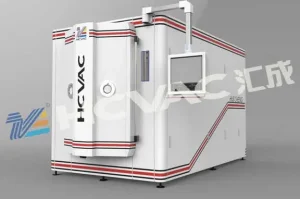
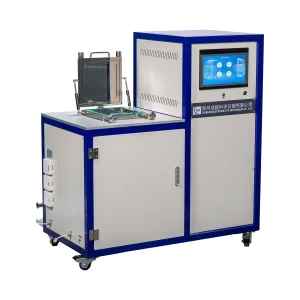
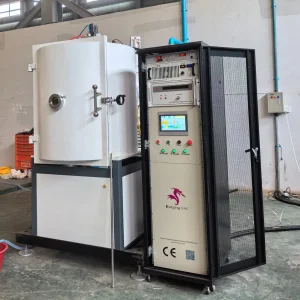
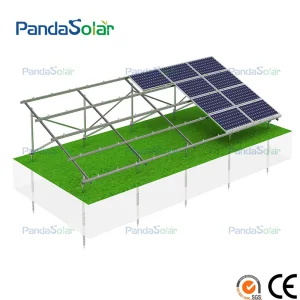
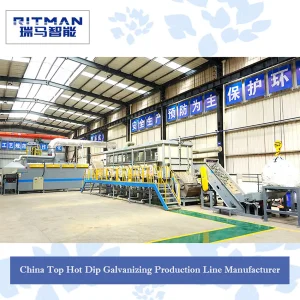
Highly durable zinc-plated structural hardware, seismic bracing components, and vertical greenhouse tower systems engineered for harsh industrial environments.
To support global medical supply chains, manufacturers must provide more than implants—they must offer integrated logistics, quality assurance, and regulatory compliance frameworks. Our macro industry solution for the Antwerp market bridges advanced medical engineering with local procurement processes. By establishing cleanroom-to-sterile-storage distribution pathways, we minimize lead times for local hospitals, ensuring critical hardware is available for scheduled surgeries and emergency trauma cases alike.
We work directly with purchasing networks and hospital administrators in Flanders to offer customizable consignment inventories. Through these programs, surgical centers retain a comprehensive selection of plate lengths, profiles, and screw options on-site. This approach reduces procurement friction, lowers inventory holding costs, and ensures that neurosurgeons have immediate access to the required implant sizes during complex reconstructive surgeries.
Navigating the EU MDR requires absolute documentation transparency. We provide complete technical files for every batch of cervical plates shipped to the Antwerp market. This documentation includes titanium grade certificates, ISO 13485 manufacturing records, sterilization validation data, and full clinical evaluation reports. This thorough verification process simplifies auditing for hospital compliance officers and guarantees patient safety.
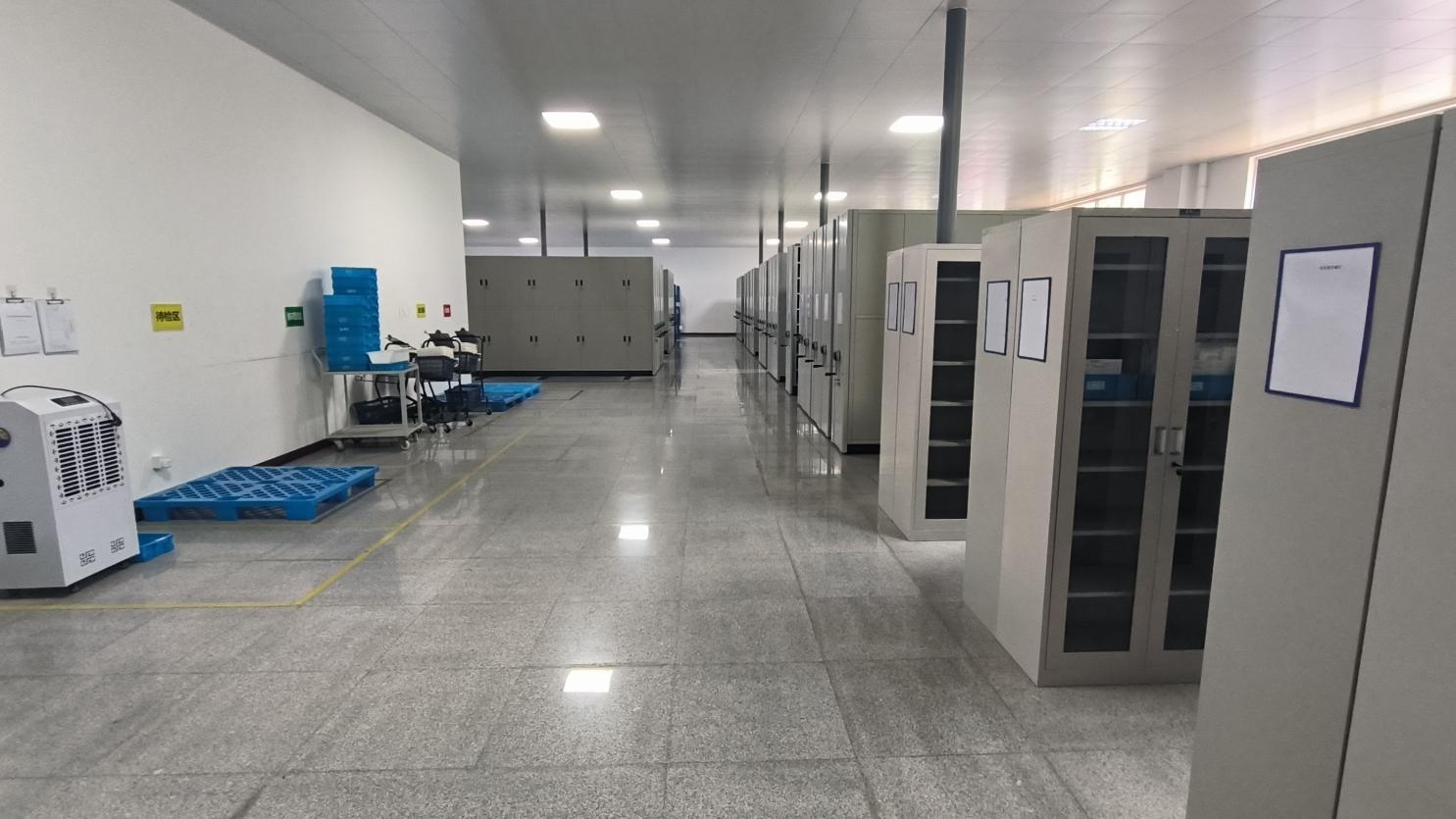
All surgical components undergo precision washing, mechanical deburring, and passivation prior to packaging. Sterilization is performed in certified cleanrooms using gamma irradiation or ethylene oxide (EtO) methods. Double-barrier sterile packaging guarantees a five-year shelf life, protecting implant integrity from our production facility to the sterile field of the operating theater.
Our production facilities utilize medical-grade titanium alloy (Ti-6Al-4V ELI) that conforms to ASTM F136 standards. This alloy is chosen for its high strength-to-weight ratio, excellent fatigue resistance, and proven bio-compatibility. By combining this material with our precision CNC machining capabilities and laser marking systems, we can guarantee that each anterior cervical plate meets the exacting tolerances required for spinal stabilization.
Furthermore, our dedicated engineering team provides design and customization support to help distributors develop custom configurations, private-label branding, or specialized surgical instrumentation kits. This collaborative approach helps our partners secure long-term contracts with regional healthcare networks.
Frequently asked questions regarding material composition, clinical efficacy, and distribution details for the Antwerp medical market.
 Axton Orthopedic Implants