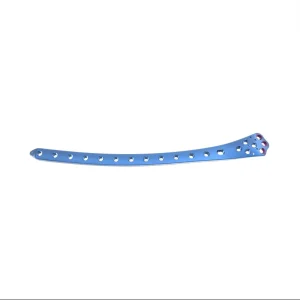
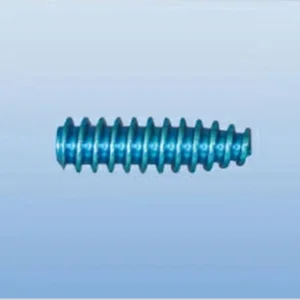
Explore our elite portfolio of surgical instruments, spinal fixation systems, PVD coating technologies, and reconstruction implants designed for modern orthopedic procedures.
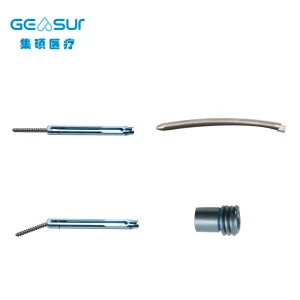
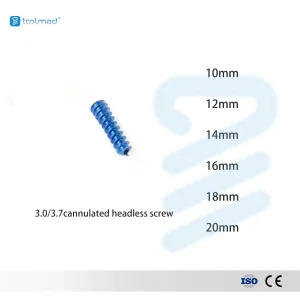
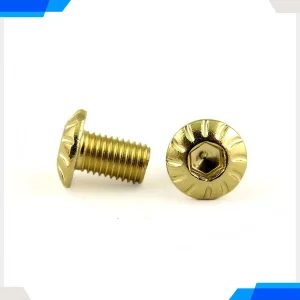
As a leading exporter in the orthopedic reconstruction sector, we specialize in high-precision Hip Resurfacing Implants and comprehensive joint replacement technologies designed to meet the rigorous demands of global healthcare environments. Unlike standard total hip replacements, hip resurfacing offers a bone-preserving alternative for active patients, requiring implants manufactured with zero-tolerance precision and biocompatible advanced materials. Our export framework is engineered to facilitate seamless logistics, comprehensive regulatory documentation, and clinical-grade product consistency for hospital groups and surgical distributors worldwide.
To date, our products have been widely used in dozens of countries across Asia, Latin America, Africa, and Europe, and have gained recognition from local distributors and surgeons. By establishing key clinical partnerships, we continuously improve implant performance based on direct feedback from the operating room, ensuring our devices meet the mechanical, anatomical, and biological expectations of the global orthopedic community.
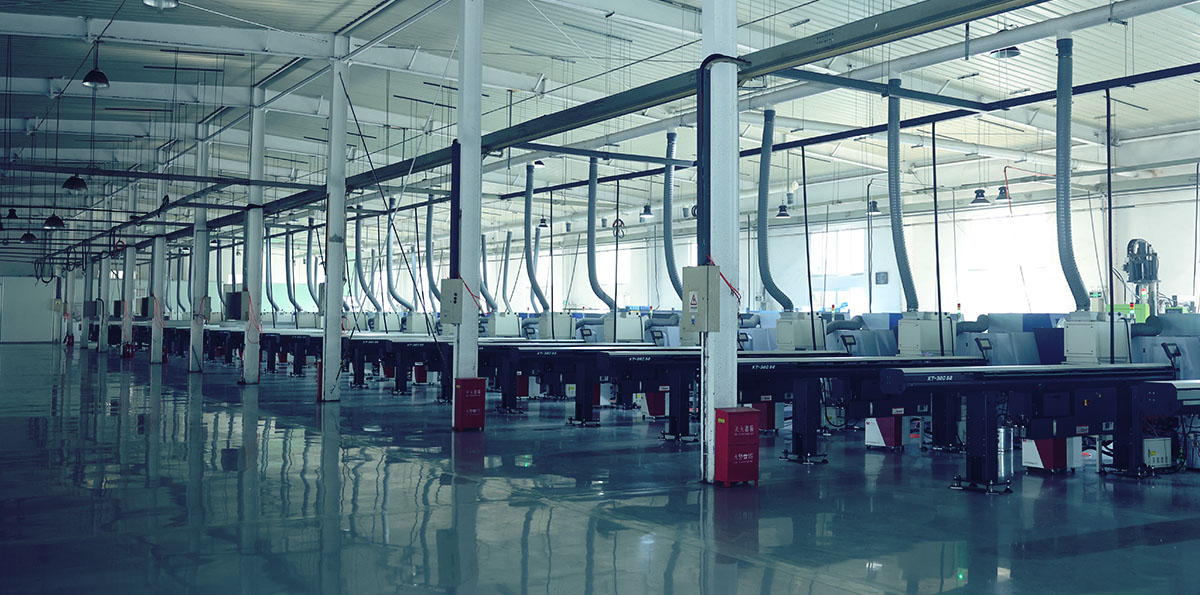
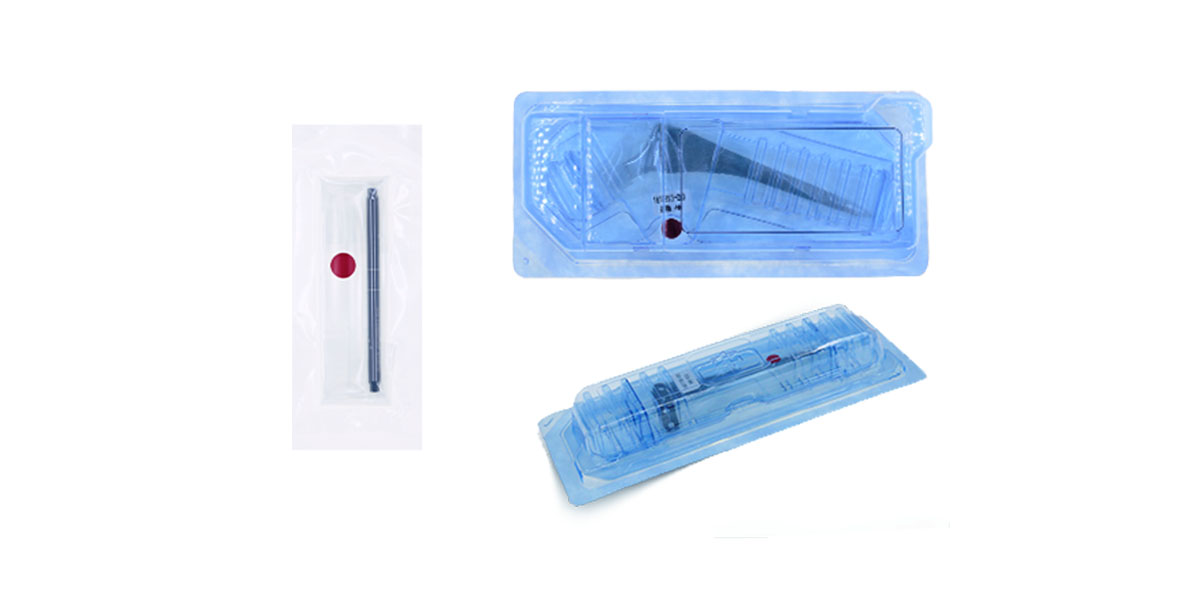
A major strength of the company lies in its expertise in 3D printing and customization. With advanced technology, the company is able to create personalized medical devices that perfectly fit each patient. This customization not only enhances treatment outcomes but also improves patient comfort and overall satisfaction. We offer orthopedic implants, joint implants, brushless motors, and other products designed to accommodate patient-specific anatomy through state-of-the-art additive manufacturing.
How our manufacturing infrastructure translates to high quality, regulatory compliance, and cost efficiencies for global procurement managers.
Our hip resurfacing implants utilize premium medical-grade Cobalt-Chromium-Molybdenum (CoCrMo) alloys and Ultra-High-Molecular-Weight Polyethylene (UHMWPE) inserts. Our manufacturing line uses German 5-axis CNC grinding centers to achieve sub-micron spherical roundness, minimizing wear rates and preventing adverse local tissue reactions (ALTR).
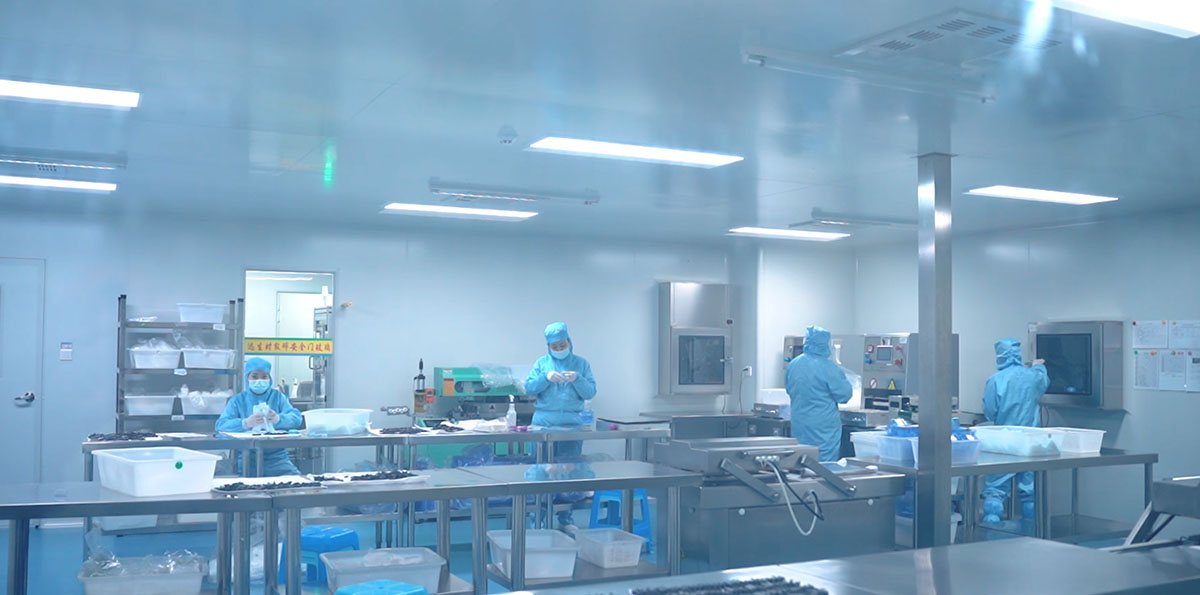
Utilizing Electron Beam Melting (EBM) and Direct Metal Laser Sintering (DMLS), we print custom titanium trabecular structures directly onto structural implants. This encourages rapid osseointegration and long-term mechanical stability, lowering revision rates for younger, highly active arthroplasty patients.
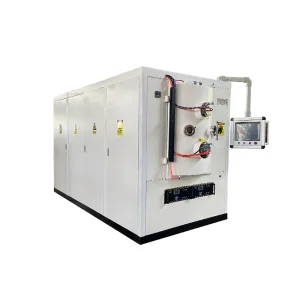
We deploy proprietary PVD multi-arc ion plating and Titanium Nitride (TiN) vacuum coating technologies. These surface treatments significantly increase surface hardness, lower the coefficient of friction, and shield patients against metal ion release (nickel, cobalt, chromium sensitivity).
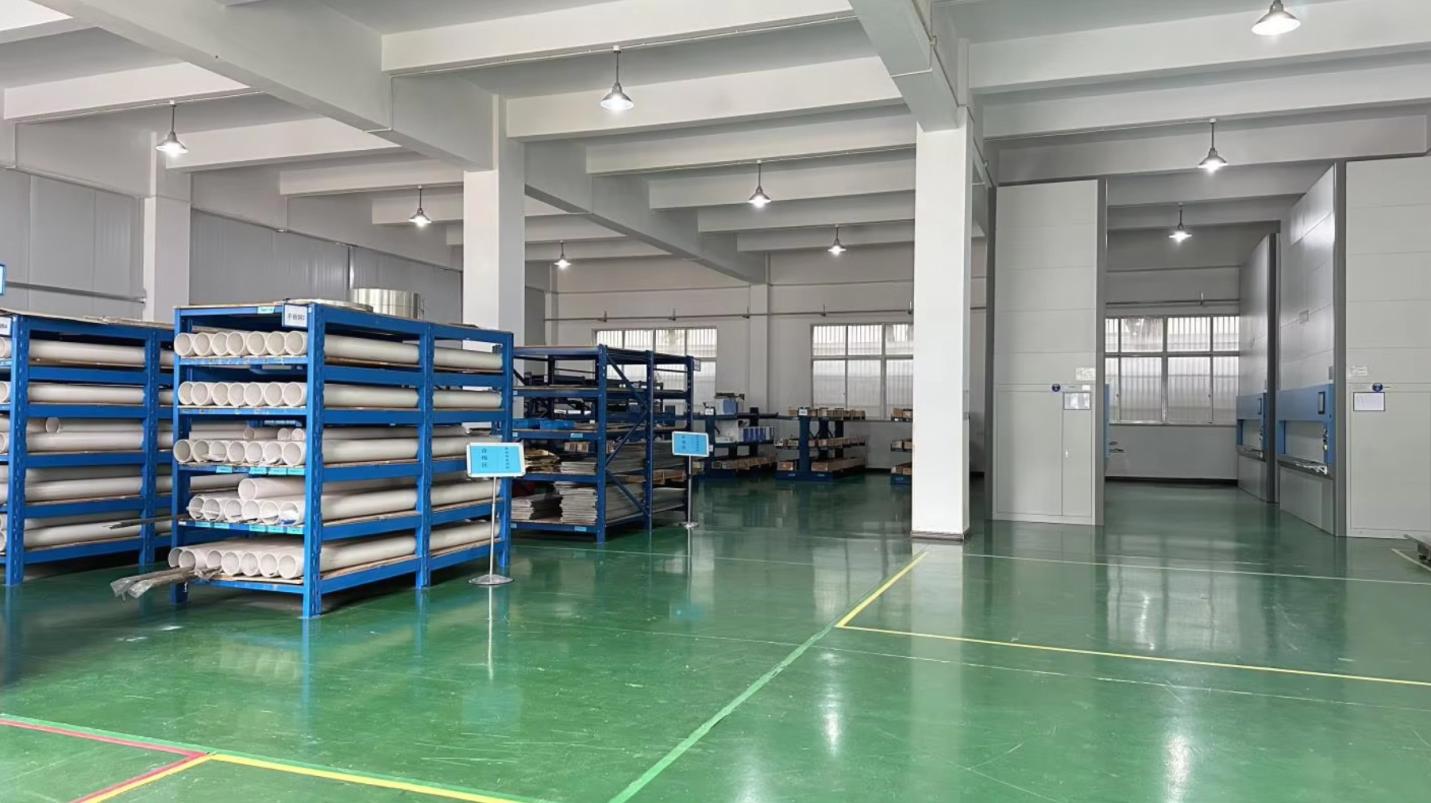
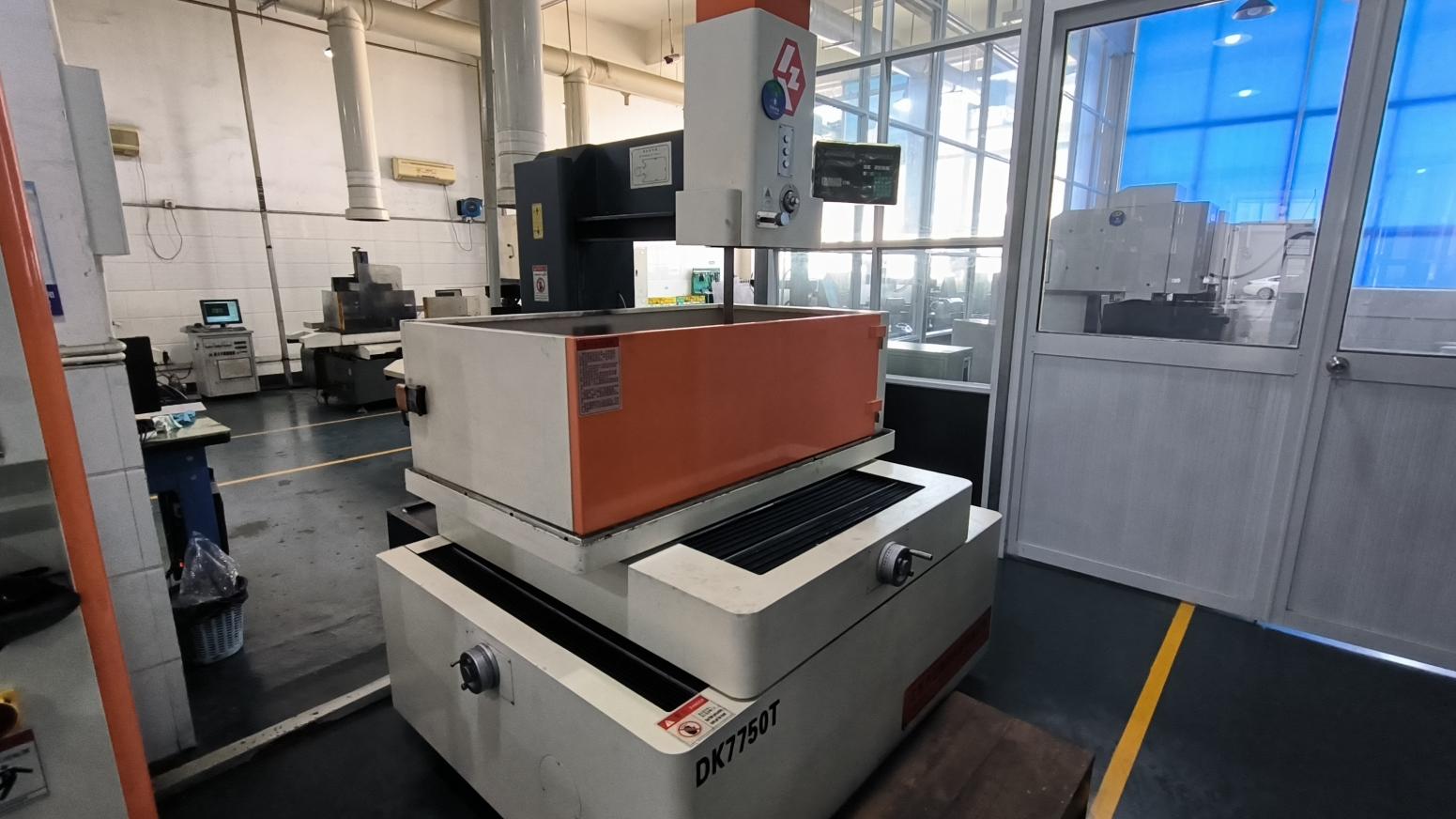
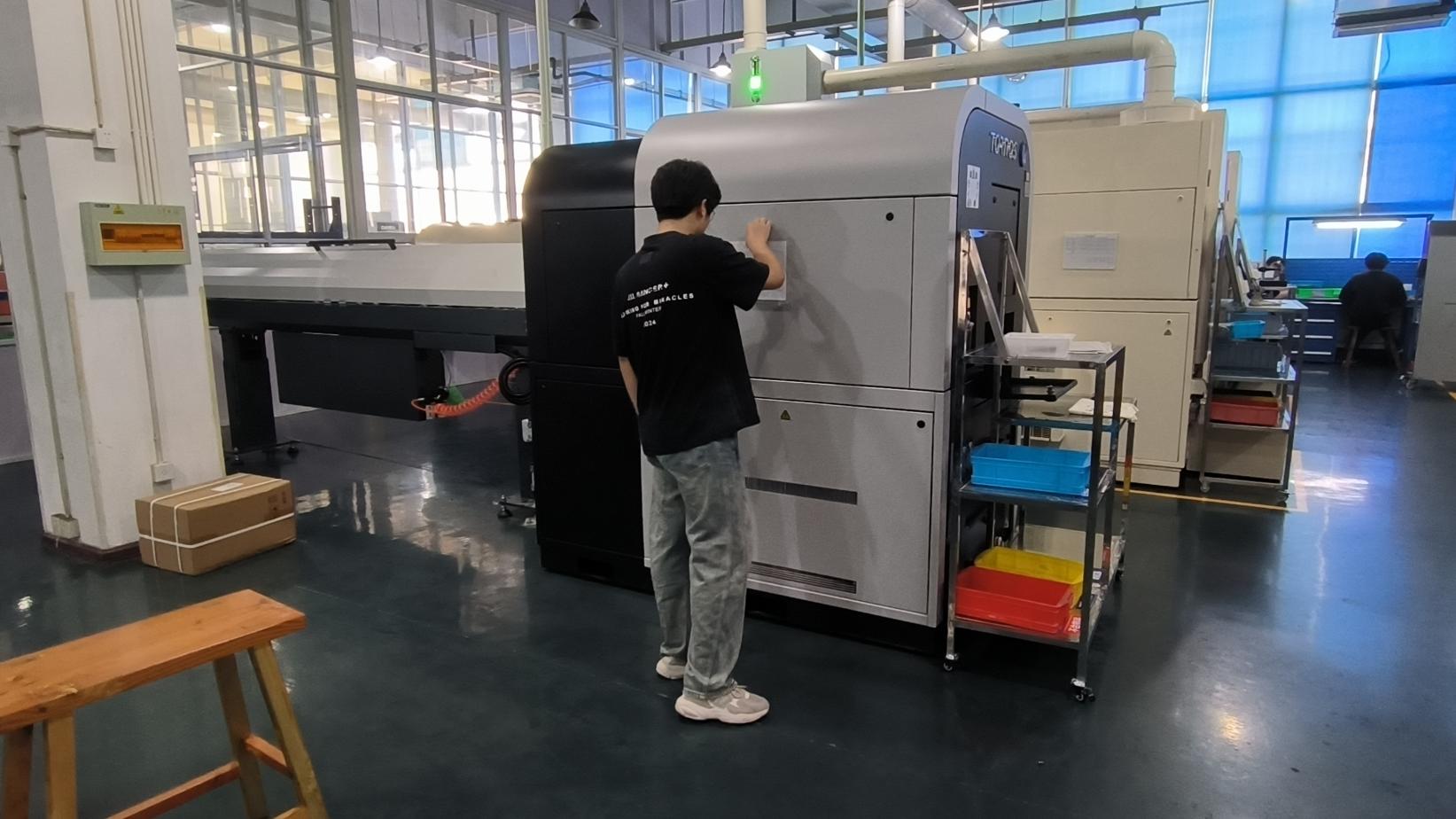
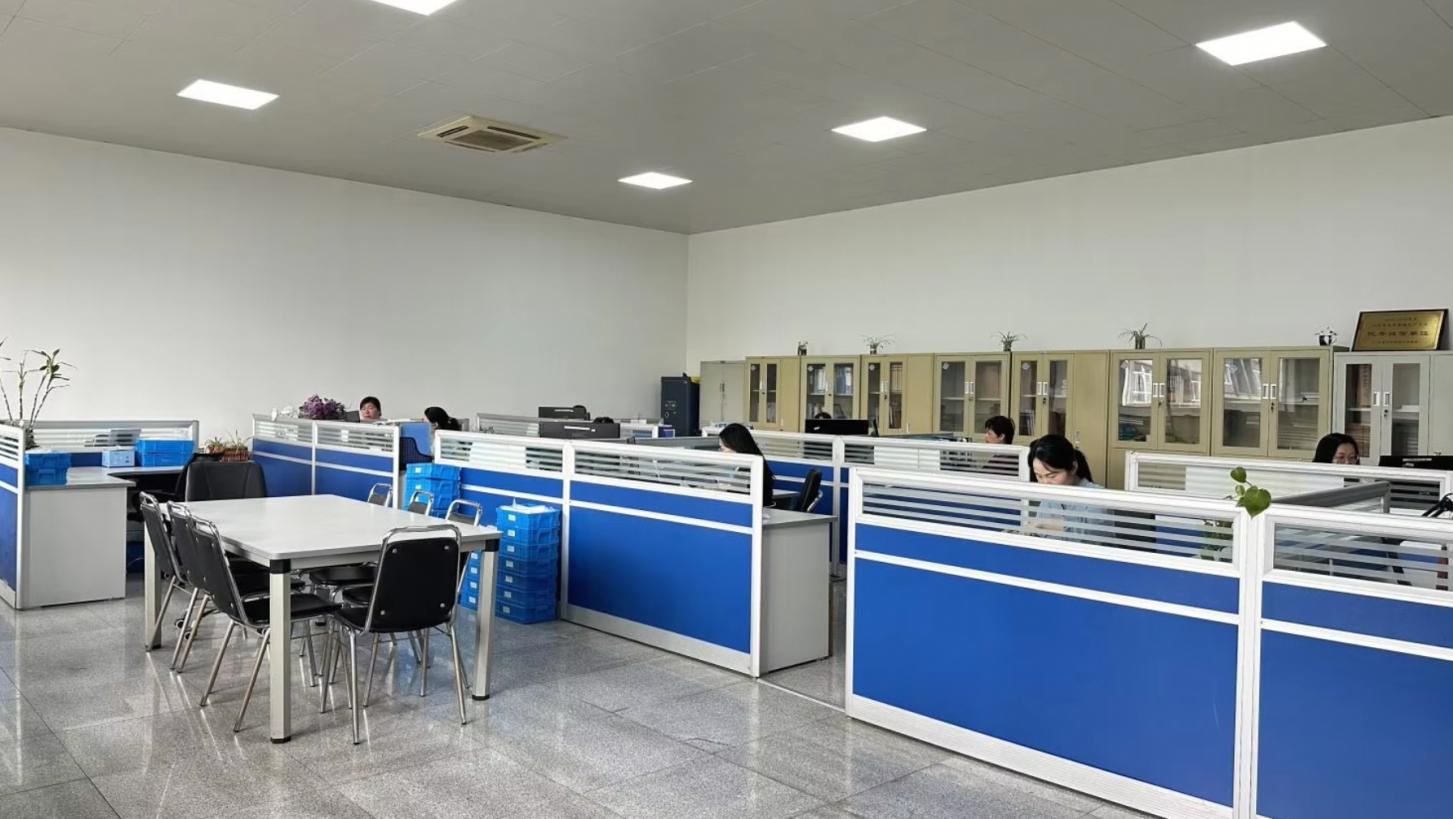
Leveraging decades of specialized engineering experience in orthopedic medical device exports.
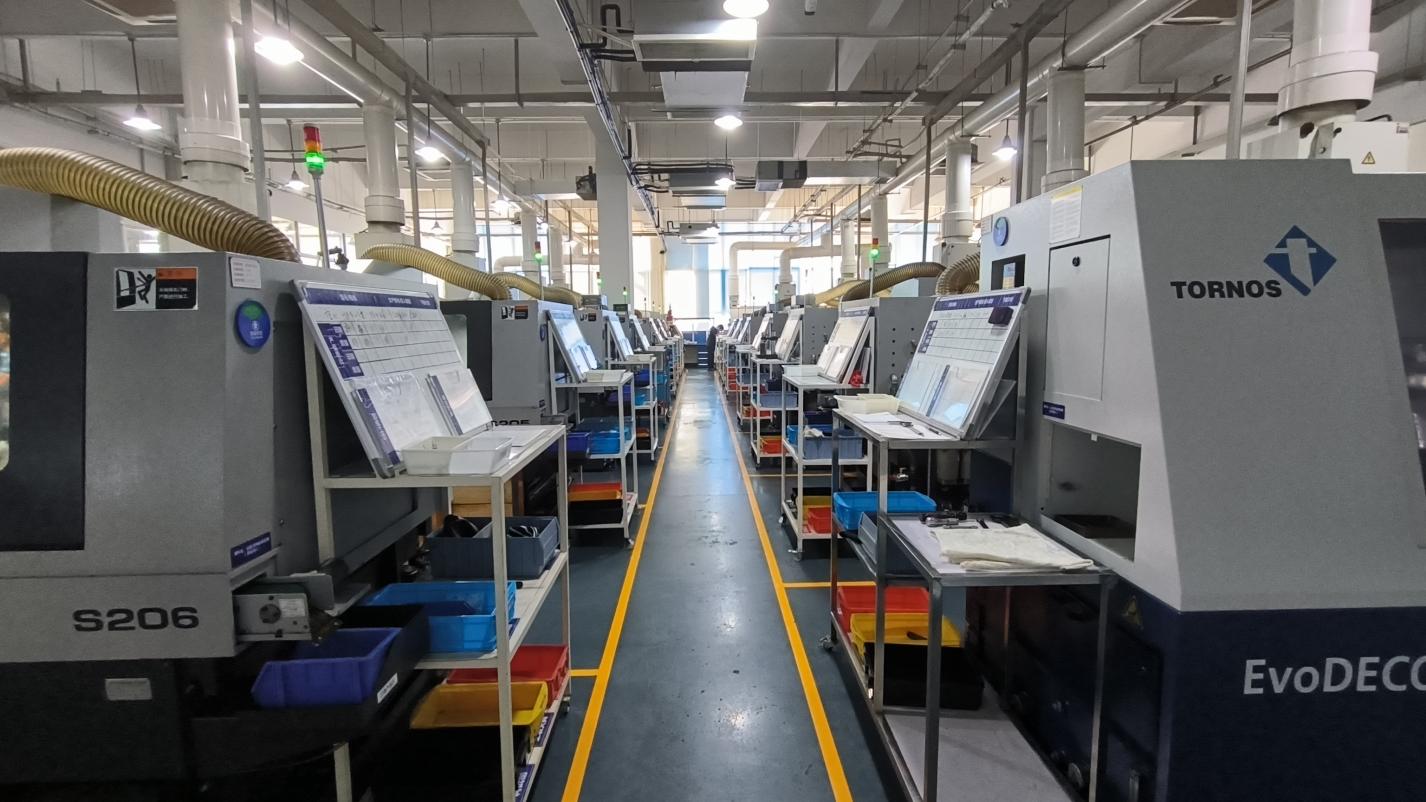
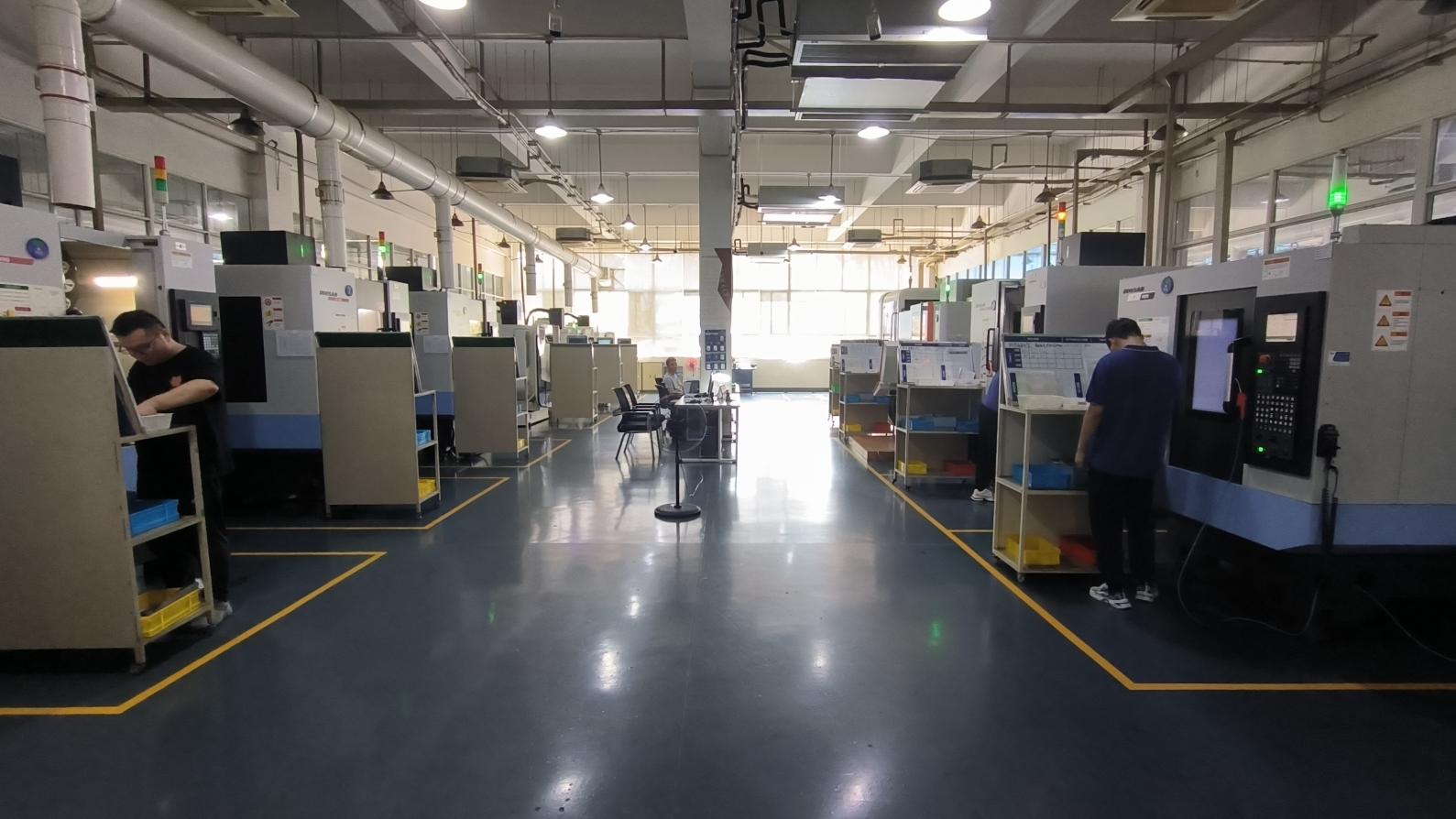

Entering international healthcare markets requires unwavering commitment to regional regulatory requirements. We proactively maintain comprehensive quality management documentation to ensure smooth registrations for import licenses globally:
| Regulatory Parameter | Compliance Standard | Verification Frequency | Target Export Regions |
|---|---|---|---|
| Quality Management System | ISO 13485:2016 | Annual Third-Party Audit | Global (EU, Asia-Pacific, Latin America) |
| Biocompatibility Profile | ISO 10993 (1-20 series) | Per Raw Material Batch changes | United States, European Union, UK |
| Mechanical Wear Assessment | ISO 14242 (Joint simulator testing) | New design iterations | Global Surgical Registries |
| Sterilization Assurance | ISO 11137 (Gamma irradiation validation) | Quarterly dose audits | All Hospital Distribution Networks |
We believe that an implant exporter's responsibility extends beyond shipping. To support localized application, we offer customized surgical instrumentation sets (instruments, trials, sizers) configured to specific surgical techniques (posterior, anterolateral, or direct anterior approaches). Additionally, we provide digital planning templates compatible with popular PACS systems, enabling orthopedic surgeons to execute precise preoperative planning.
Matching global procurement profiles with patient-centric joint preservation solutions.
Traditional Total Hip Arthroplasty (THA) carries a high lifetime risk of multiple revisions for young patients. Hip resurfacing retains the natural femoral head, conserving femoral bone stock and permitting post-recovery high-impact activities like running and heavy lifting.
By keeping the femoral canal intact, hip resurfacing leaves a patient's anatomy favorable for potential future total hip replacements. Revision surgeries from a resurfaced hip are generally less complex and more successful than standard stem-to-stem conversions.
Dislocation is a common complication in hip replacement. Resurfacing utilizes a large femoral head diameter closely matching the patient's native anatomy, maximizing structural stability and Range of Motion (ROM) in patient activity.
Establish regional compliance goals, design requirements (standard or custom 3D printing), and shipping terms (FOB, CIF).
Our engineering team generates CAD profiles and material stress-tests to align prototype parameters with local surgeon requirements.
Supply critical documentation, including ISO 13485 certification, PVD coating wear tests, and chemical composition analyses.
Continuous shipping support with temp-controlled, sterile protective barriers, guaranteeing product integrity upon arrival.
The global joint replacement market is transitioning from generic, high-volume products to customized, biological solutions. In the hip reconstruction sector, we observe a growing demand for biomimetic surfaces. Traditional Cobalt-Chrome surfaces continue to serve as the gold standard for load-bearing wear, but they are increasingly combined with advanced titanium plasma sprays on the bone-facing interface to encourage rapid, stable bone integration. This eliminates the need for bone cement (cementless fixation), reducing operating times and preventing cement-associated complications like embolism.
Simultaneously, global distributors are rationalizing their supply chains. Rising freight costs and shifting regulatory environments require manufacturers to act as end-to-end strategic partners. Our integrated facility addresses this market shift by combining design, prototyping, mechanical testing, vacuum coating, clean room packaging, and regulatory documentation under one roof. This minimizes supply chain vulnerabilities and ensures consistent compliance with CE MDR and local guidelines.
Critical engineering, sourcing, and regulatory answers for hospital procurement and orthopedic distributors.
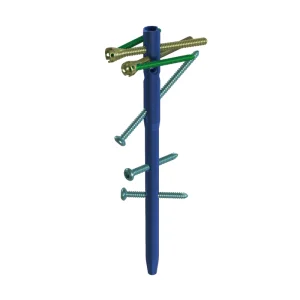
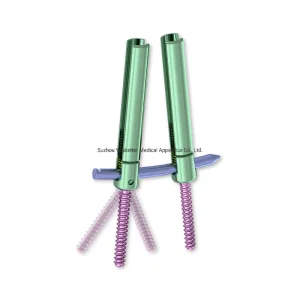
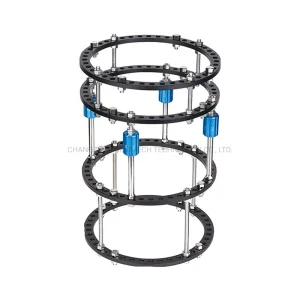
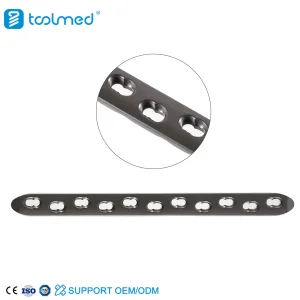
Advanced anatomical trauma plates, specialized intramedullary systems, and high-performance surgical components for international markets.

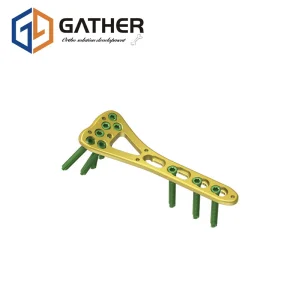
 Axton Orthopedic Implants