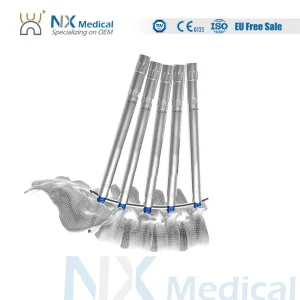
Surgical Technique
1Incision and Exposure: Make a 1-3 cm incision near the fracture site, avoiding vital nerves and vessels. Separate soft tissues layer by layer to expose the fracture.
2Fracture Reduction: Use manual traction and rotation to restore anatomical position, monitored continuously under C-arm fluoroscopy.
3Guide Wire Insertion: Insert the guide wire under fluoroscopic guidance, ensuring it is perpendicular to the fracture plane.
4Determination of Screw Length: Measure length using dedicated tools or the comparison method with a second guide wire. Select a screw 2-4 mm shorter than measured.
5Drilling: Use a cannulated drill bit with irrigation to minimize thermal injury. Verify depth via image intensifier.
6Screw Insertion: Mount the screw onto the compression sleeve and insert manually over the guide wire until the leading thread engages.
7Compression and Fixation: Turn the sleeve to close the fracture. Advance the screw until the head is flush with the bone and trailing threads are fully buried.
8Wound Closure: Irrigate with saline and suture in layers (fascia/muscle then skin). Apply dressing and immobilization as required.
Advantages of CHCS
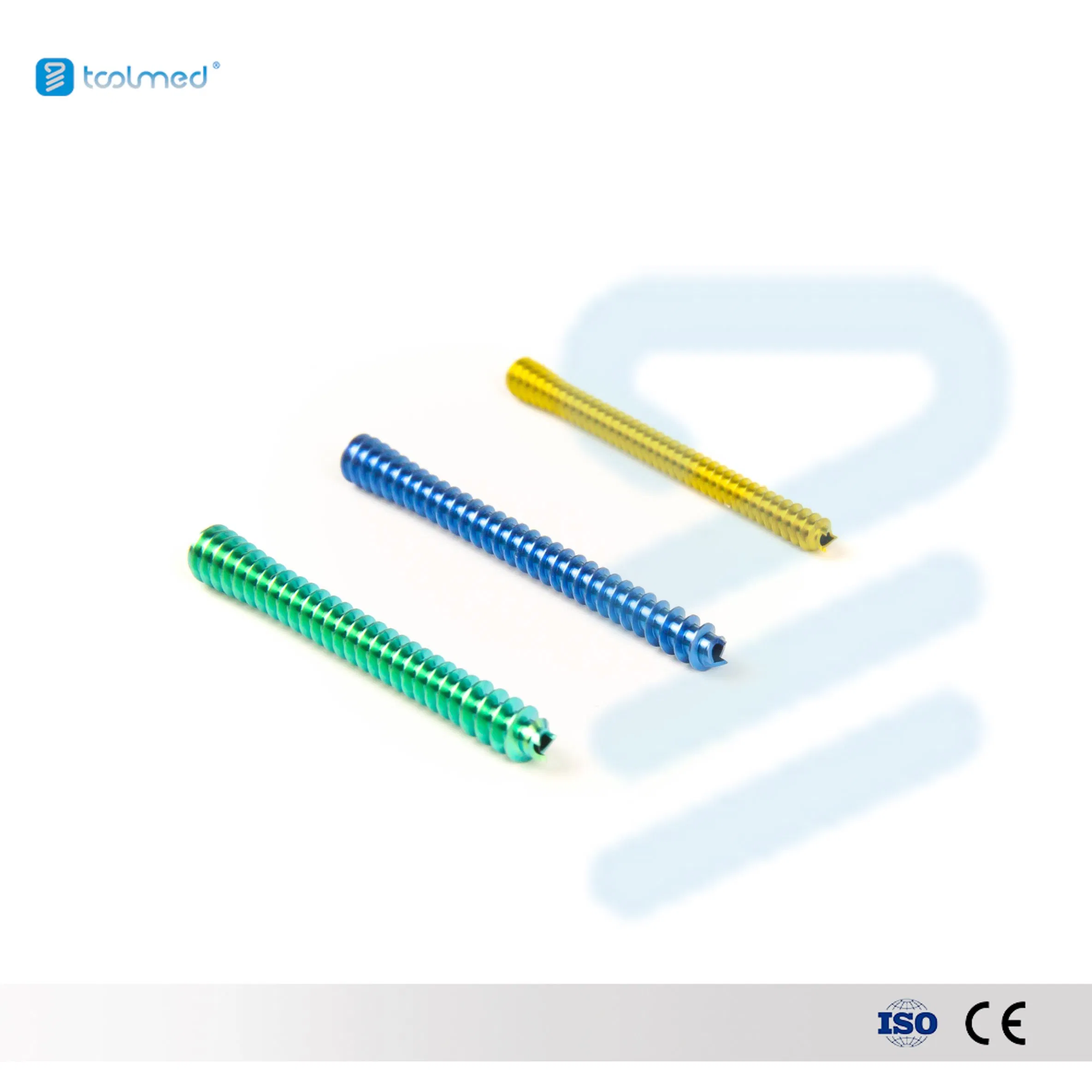
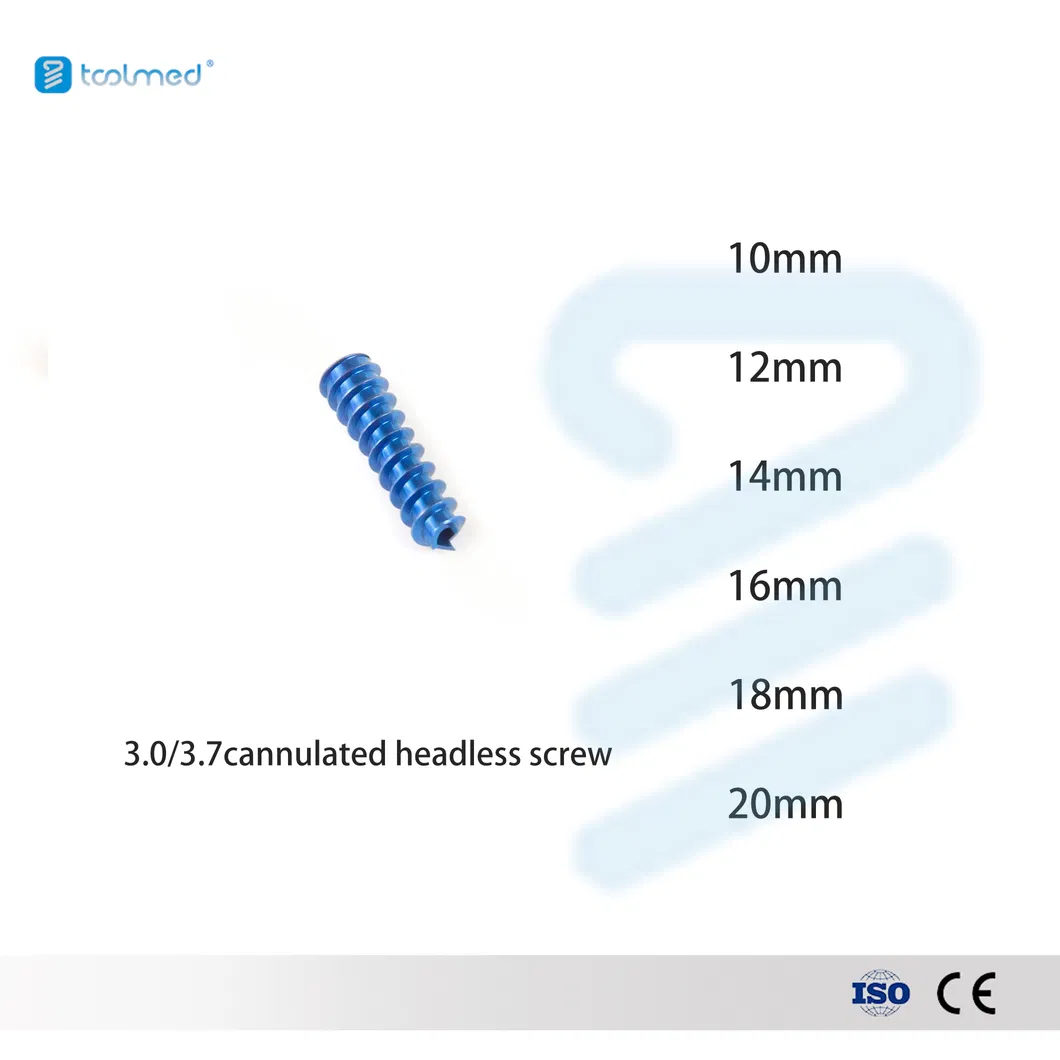
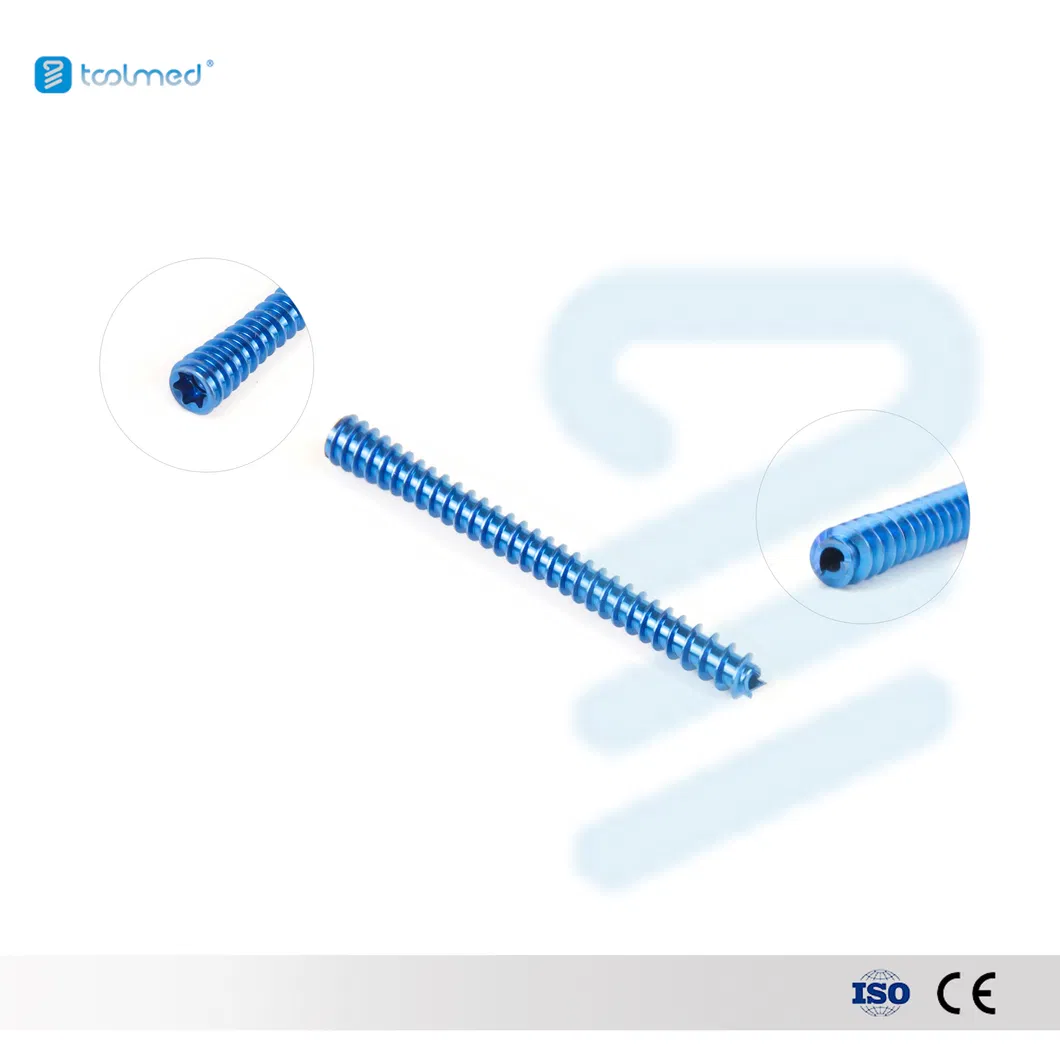
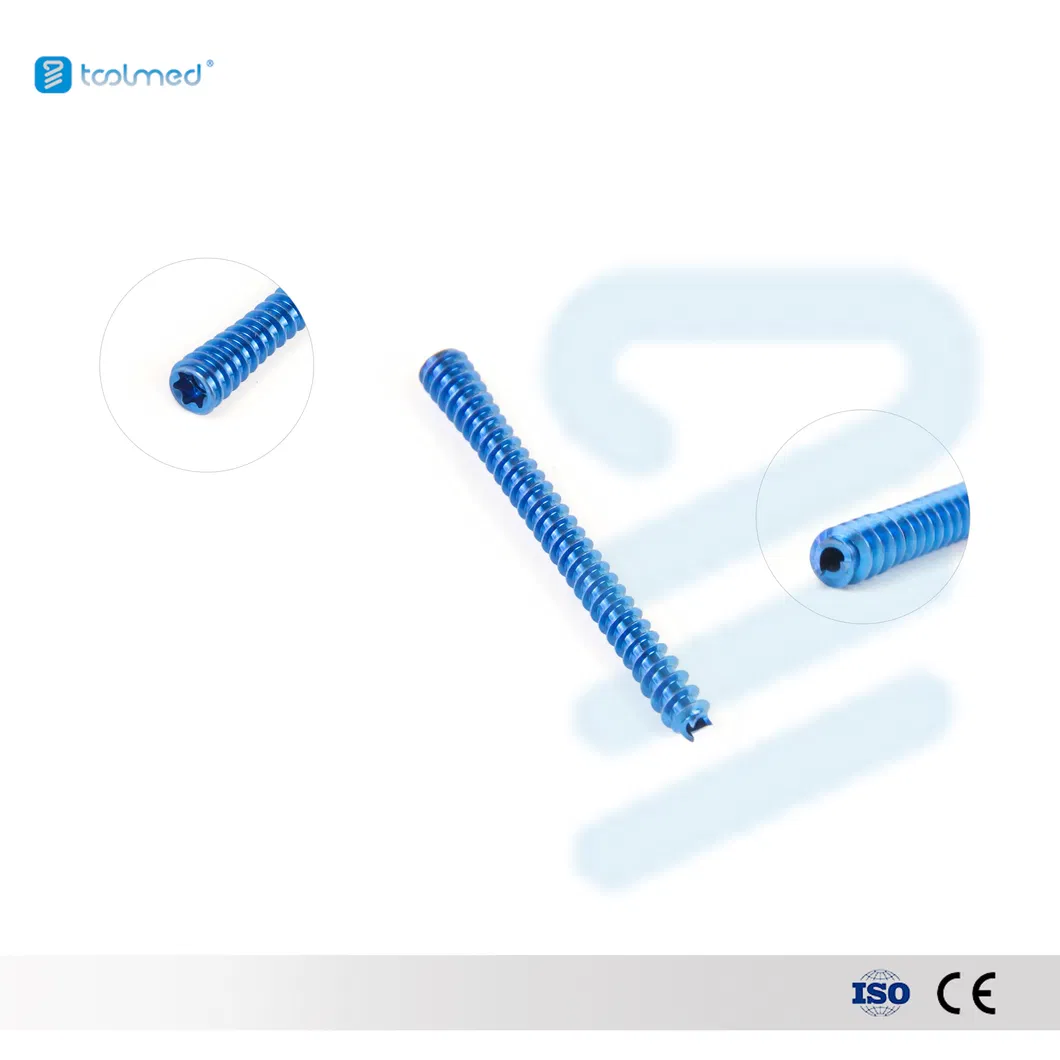
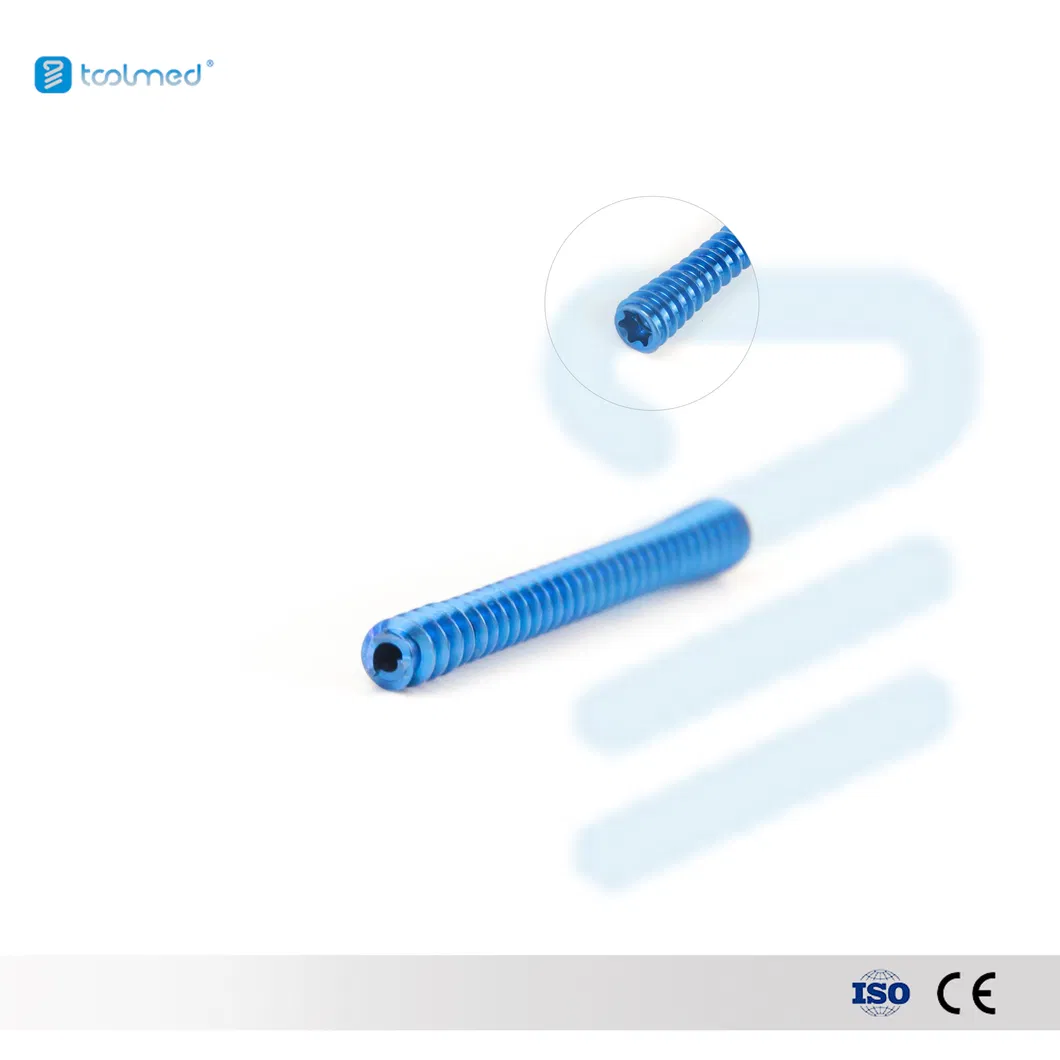
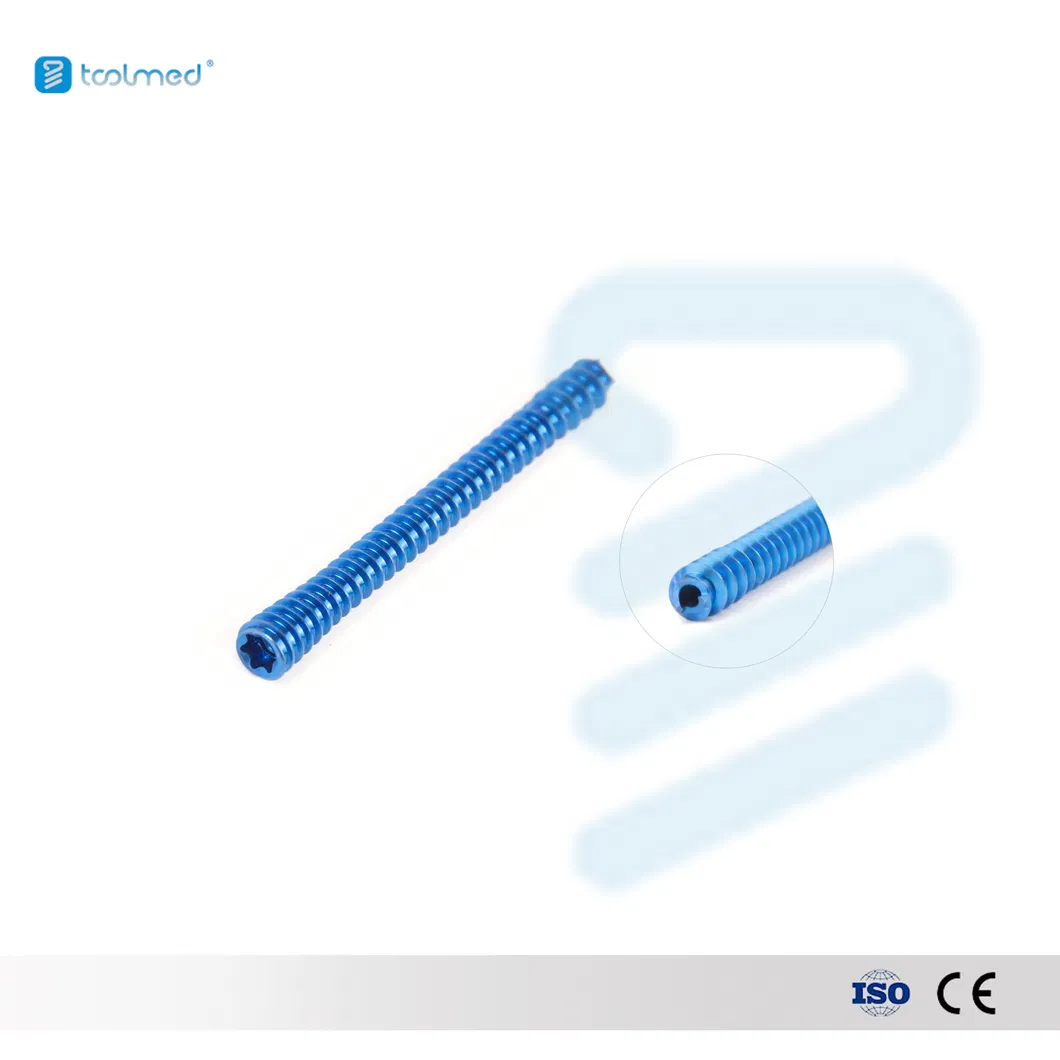
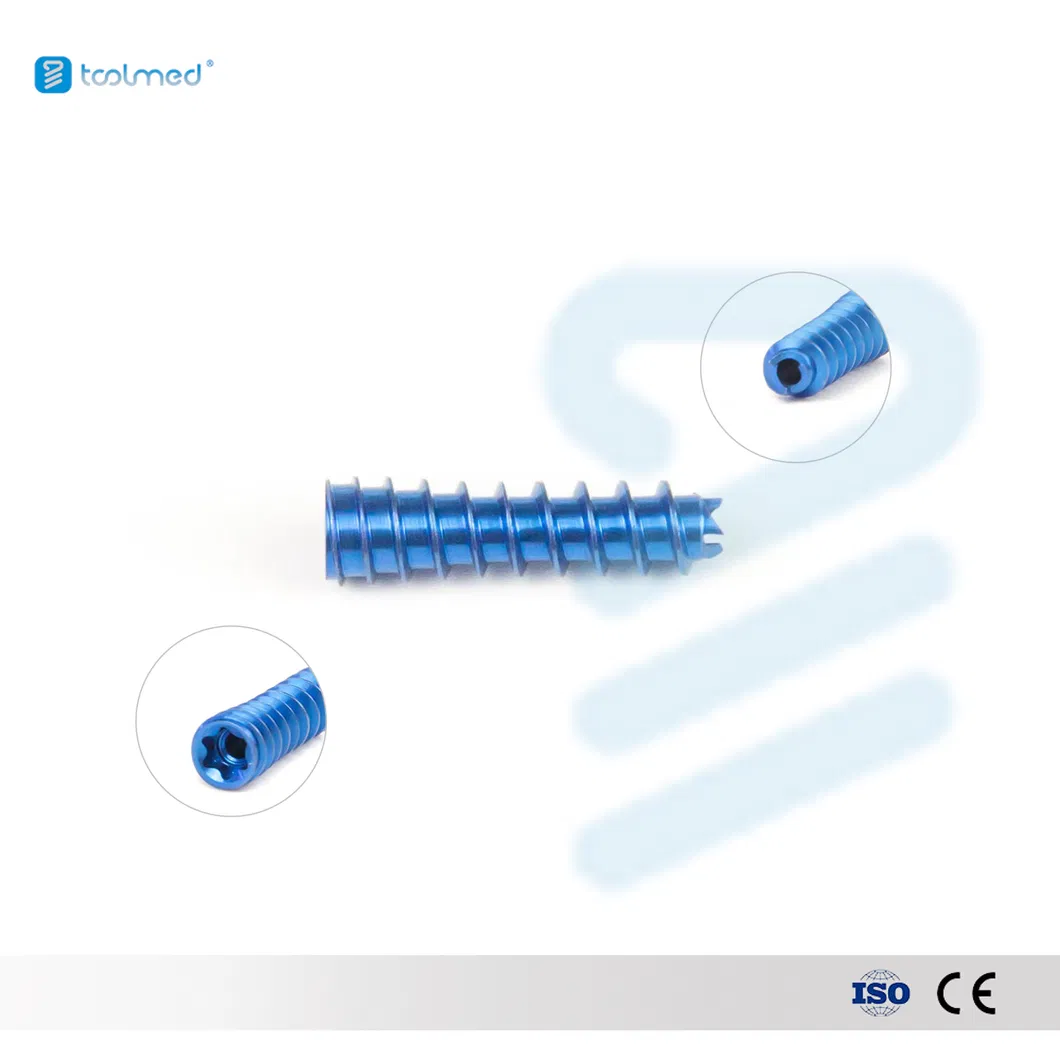
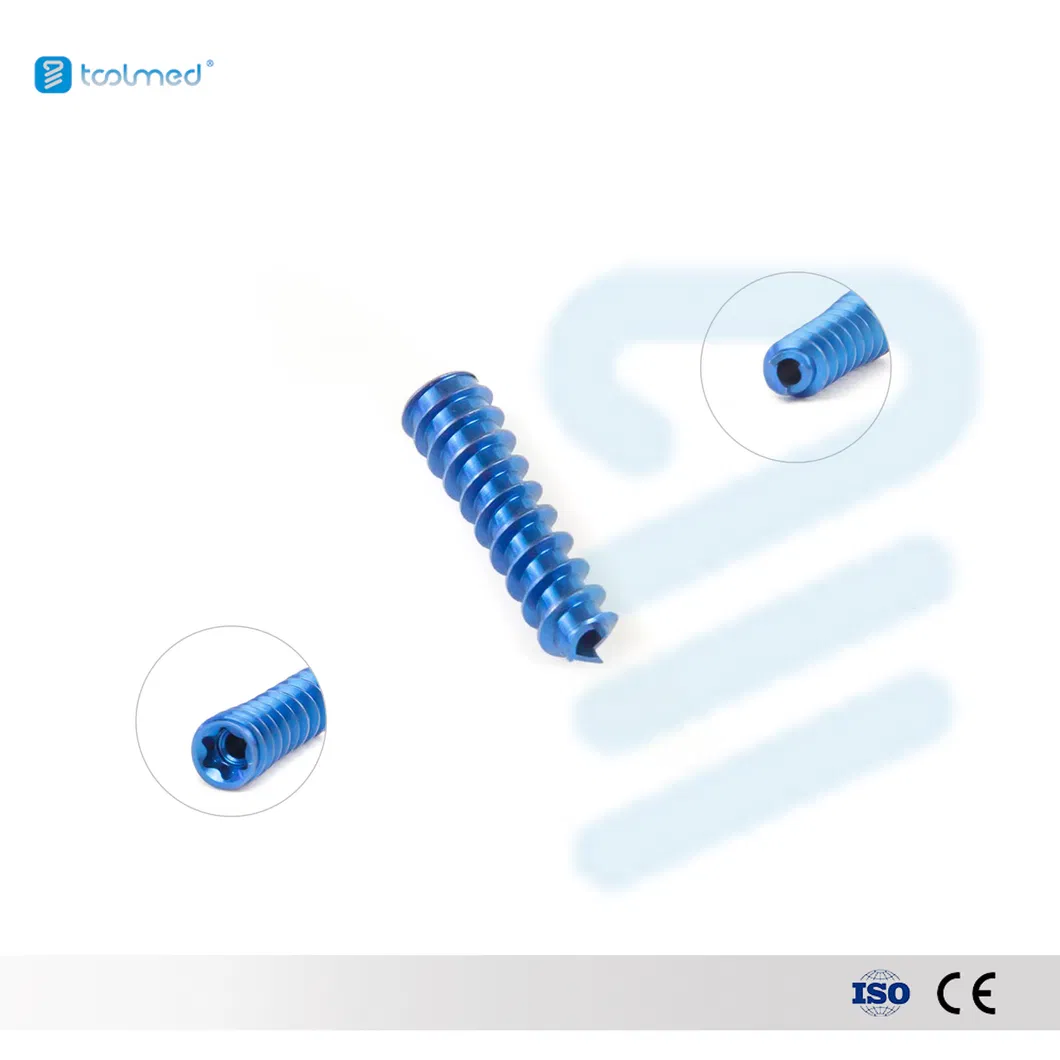
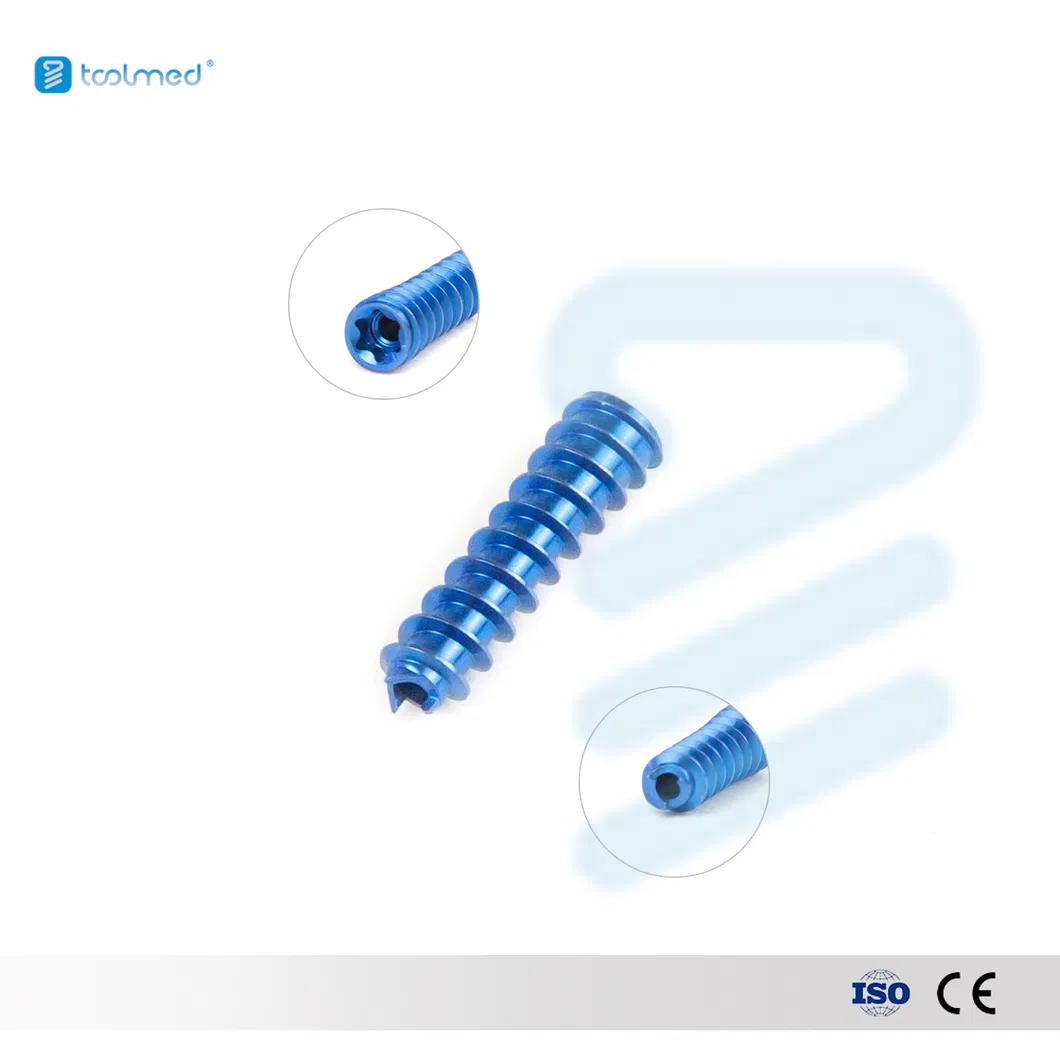
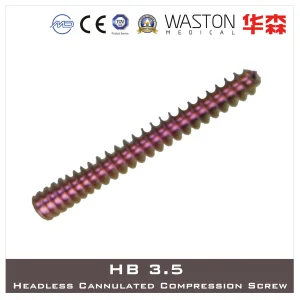
Cannulated Headless Compression Screws (CHCS) offer several clinical benefits:
- Reduced Soft Tissue Damage: Headless design prevents protrusion and irritation.
- Increased Stability: Superior compression reduces hardware failure risk.
- Minimally Invasive: Smaller incisions lead to faster recovery.
- Greater Range of Motion: The low profile allows for better joint movement.
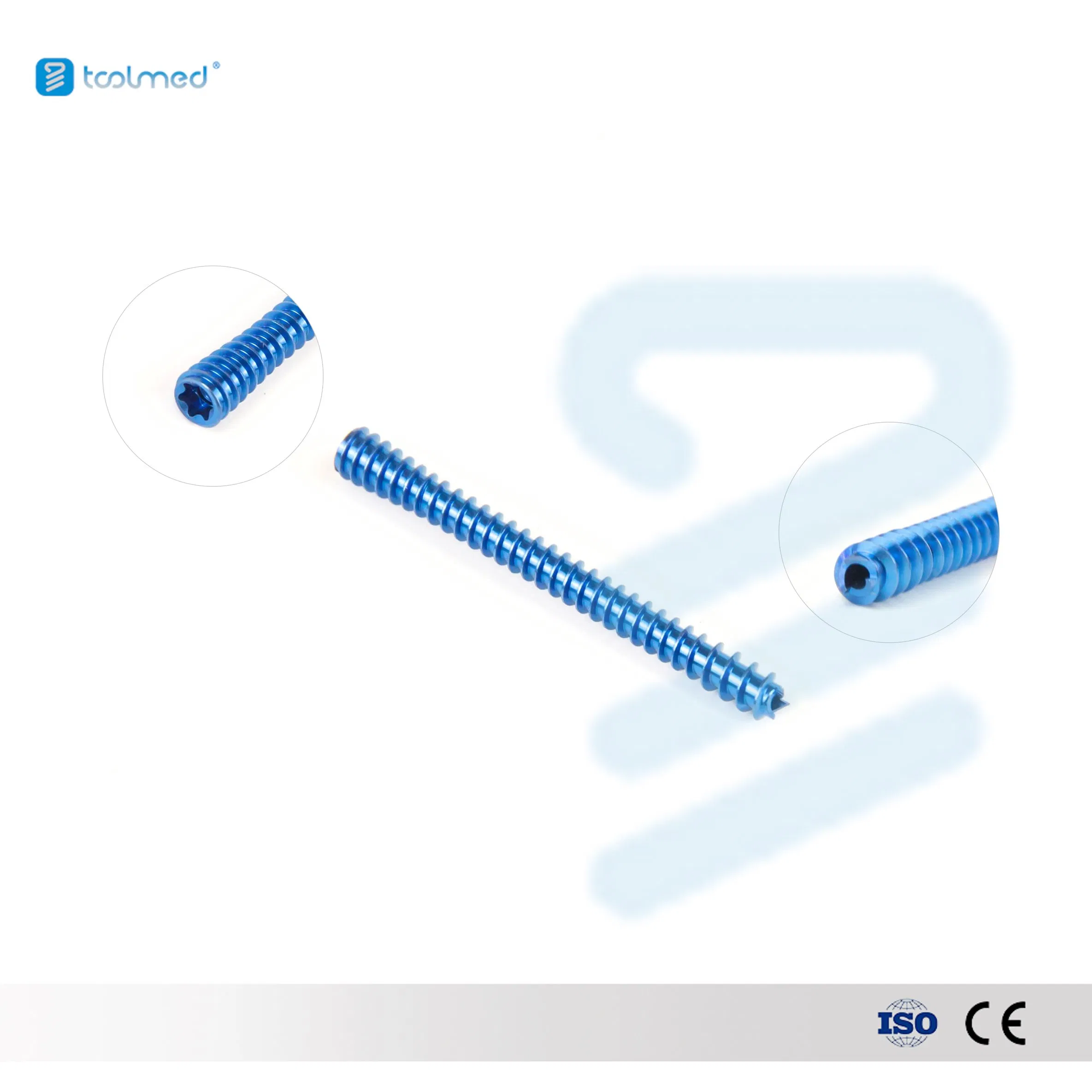
- Hollow Center: The cannulated design ensures precise placement via guide wires.
Types and Applications
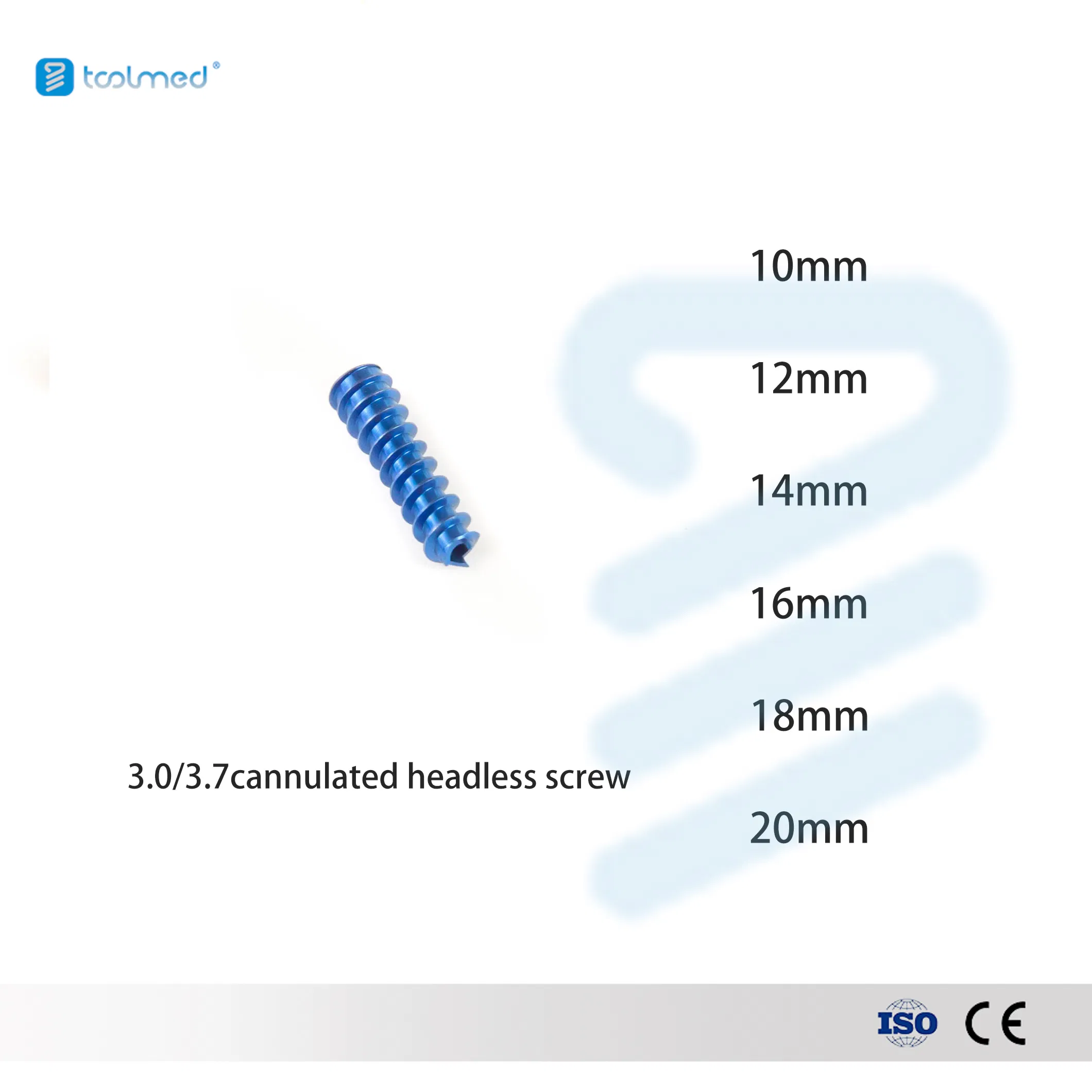
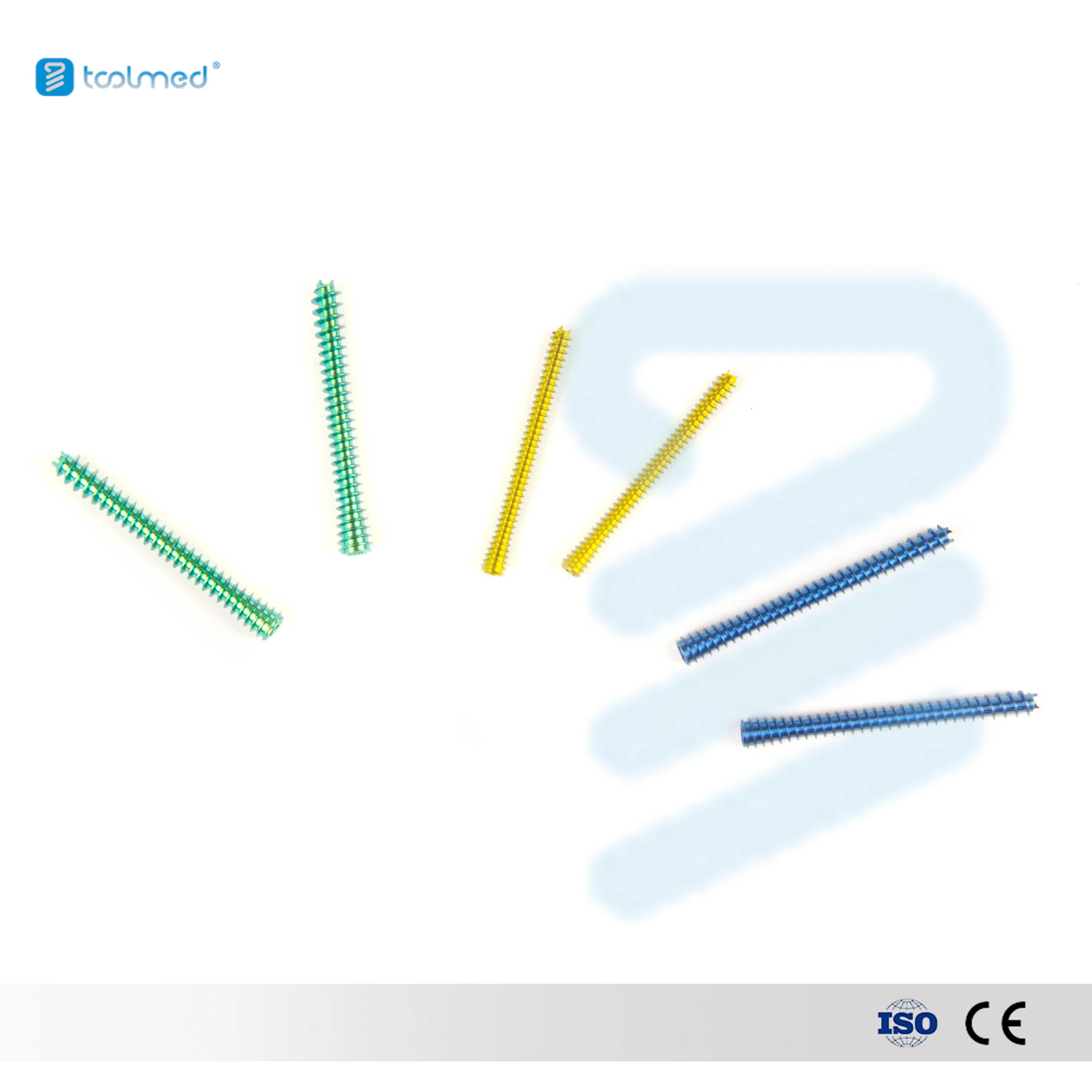
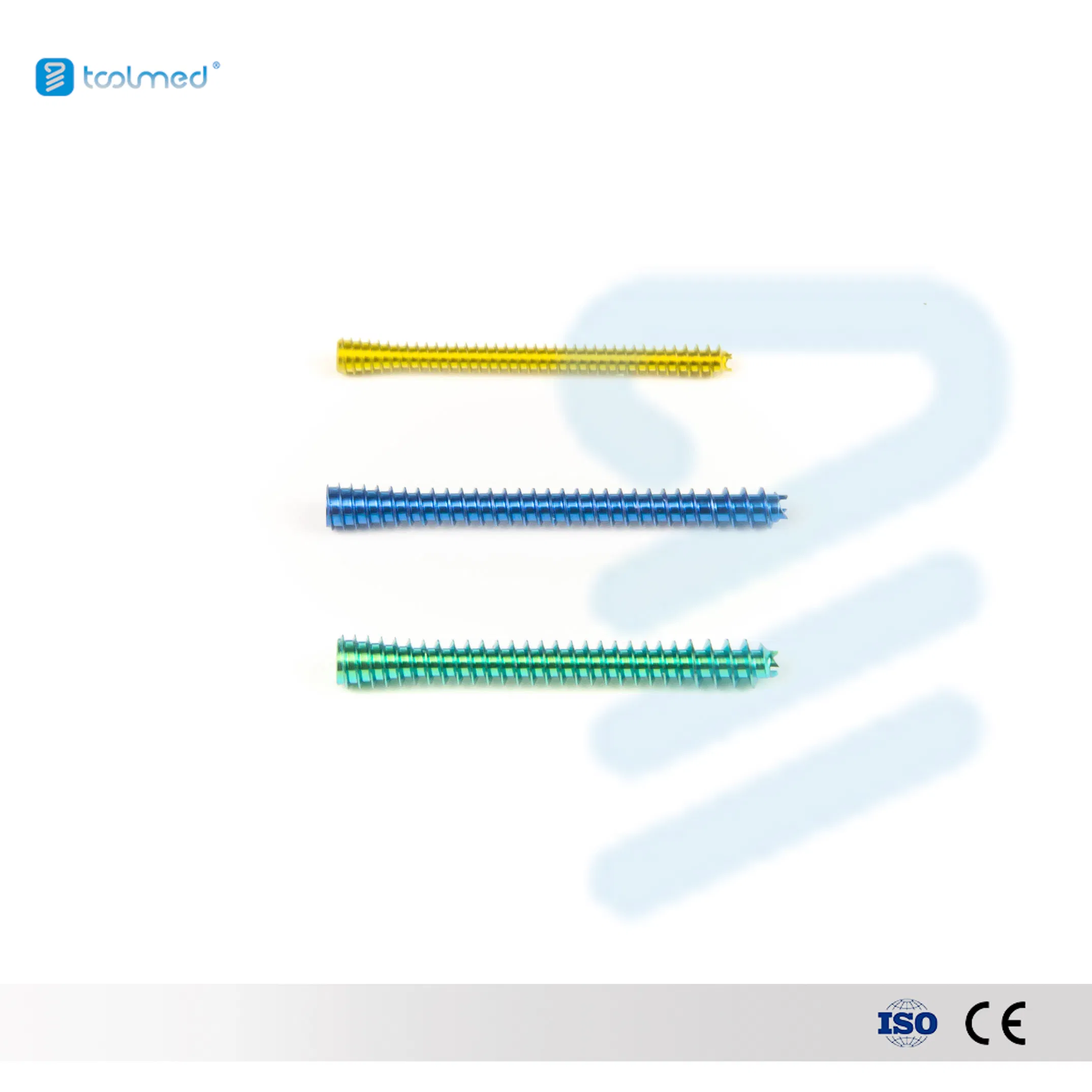
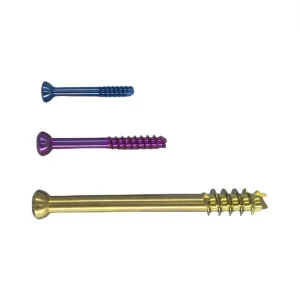
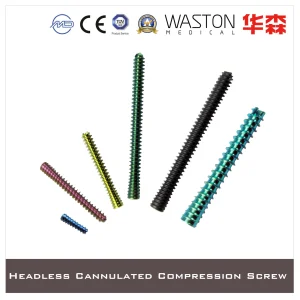
Available types include fully threaded, partly threaded, self-drilling, and self-tapping screws. These are primarily indicated for fractures of long bones (femur, tibia, humerus), spiral fractures, nonunions, and malunions.
Frequently Asked Questions
Q1: What materials are these Cannulated Headless Compression Screws made of?
The screws are typically manufactured from high-grade Titanium Alloy or Stainless Steel to ensure biocompatibility and mechanical strength.
Q2: How long is the typical recovery period after CHCS surgery?
Recovery time varies by fracture severity. Generally, rehabilitation begins a few weeks post-surgery, with significant improvement seen over several months.
Q3: Can these screws be removed after the bone has healed?
Yes, if the screws cause discomfort or complications after the fracture has fully healed, they can be removed in consultation with a physician.
Q4: What makes "Headless" screws different from traditional screws?
Headless screws are designed to be buried completely within the bone. This eliminates the protrusion of a screw head, reducing irritation to surrounding tendons and soft tissues.
Q5: Are these screws suitable for all types of fractures?
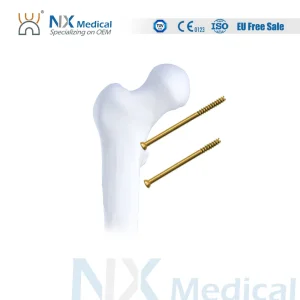
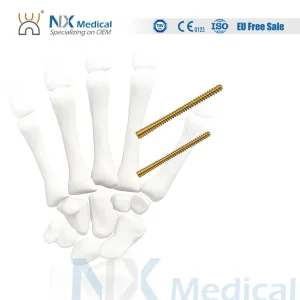
They are particularly effective for scaphoid fractures, small bone fixations, and fractures of long bones like the femur or humerus where compression is required.
Q6: What is the delivery lead time for these orthopedic implants?
The regular lead time for implants is approximately 30 days, while associated surgical instruments typically require 45 days.
 Axton Orthopedic Implants