Integrated Hardware & Biological Systems Engineered for Clinical Excellence
Bridging the gap between living cell therapies, biopolymer matrices, and precision titanium hardware.
The global orthopedic market is undergoing a paradigm shift from simple mechanical stabilization to biological structural regeneration. The global regenerative medicine market within orthopedics—driven by Mesenchymal Stem Cells (MSCs), Bone Marrow Aspirate Concentrate (BMAC), and stem-cell-conditioned bio-scaffolds—is projected to surpass USD 22.4 Billion by 2030, expanding at a CAGR exceeding 9.4%.
Hospitals and surgical centers worldwide are demanding higher biological integration. Titanium hardware and PEEK implants provide immediate mechanical load-bearing capability, but when integrated with stem cell delivery vectors—such as osteoinductive coatings, hydrogels, and porous 3D-printed lattices—fracture healing rates accelerate significantly, while risk of non-union decreases by over 42% in high-risk patient cohorts.
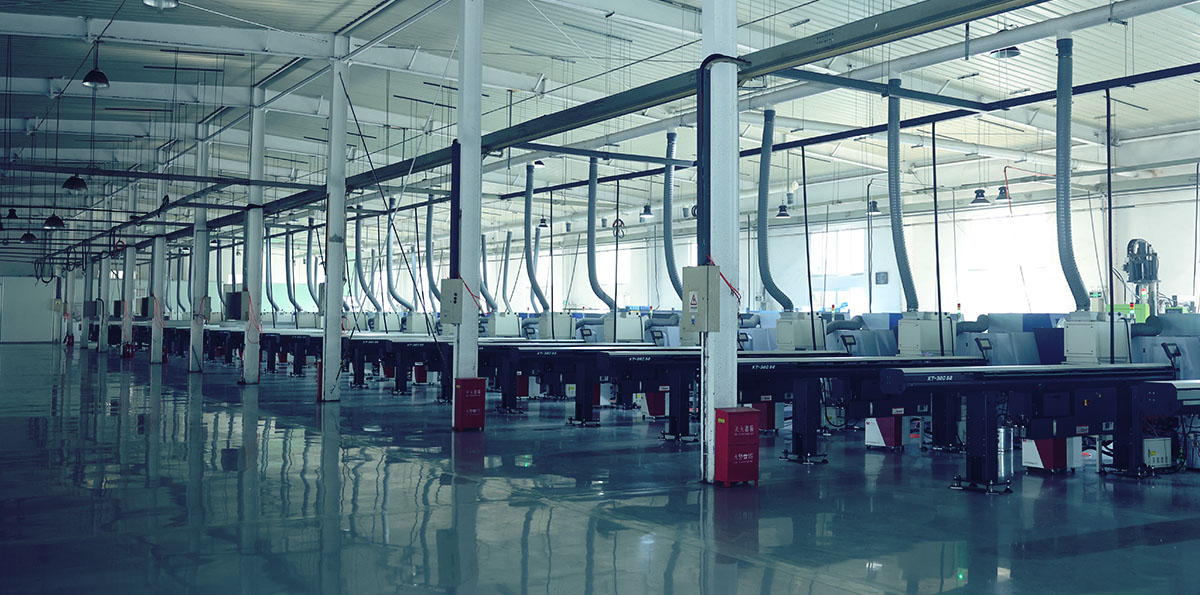
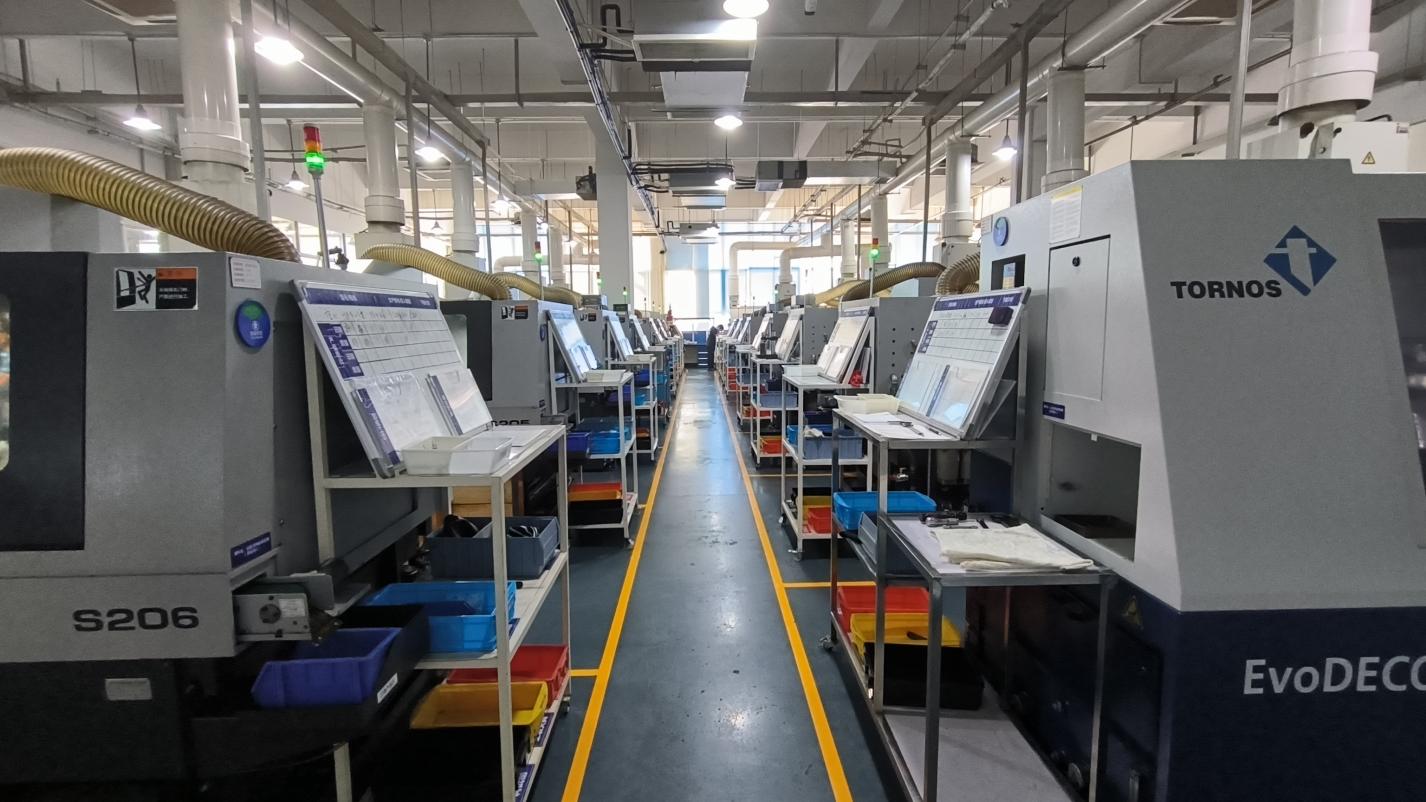
China has emerged as a powerhouse for B2B procurement of orthopedic hardware and biomanufacturing solutions. China-based factories offer unmatched advantages: complete vertical integration from medical-grade raw titanium and PEEK materials to ISO 13485-certified CNC precision machining, class 10,000 cleanroom processing, and advanced cell-culture scaffolding technologies.
To date, our products have been widely used in dozens of countries across Asia, Latin America, Africa, and Europe, gaining unanimous recognition from local medical device distributors, hospital purchasing syndicates, and orthopedic surgeons. Our dual focus on high-precision physical implants and regenerative stem cell delivery platforms positions us as a top-tier OEM/ODM manufacturing partner.
Direct factory manufacturing eliminates intermediary markups, offering healthcare providers and distributors cost savings of 30-50% on regulatory-compliant orthopedic systems.
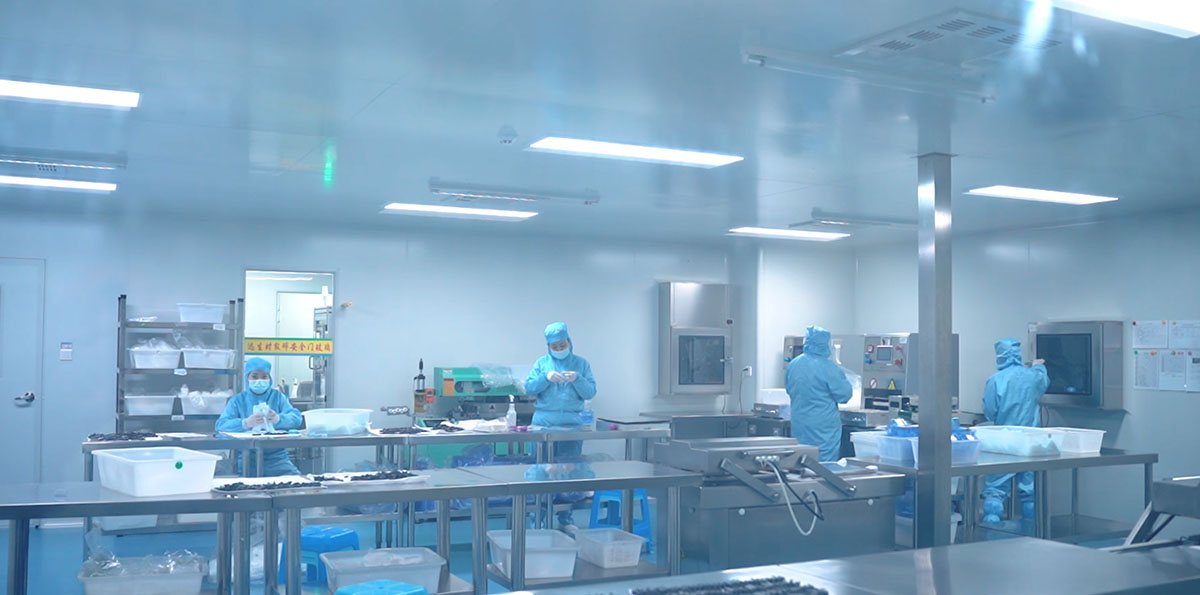
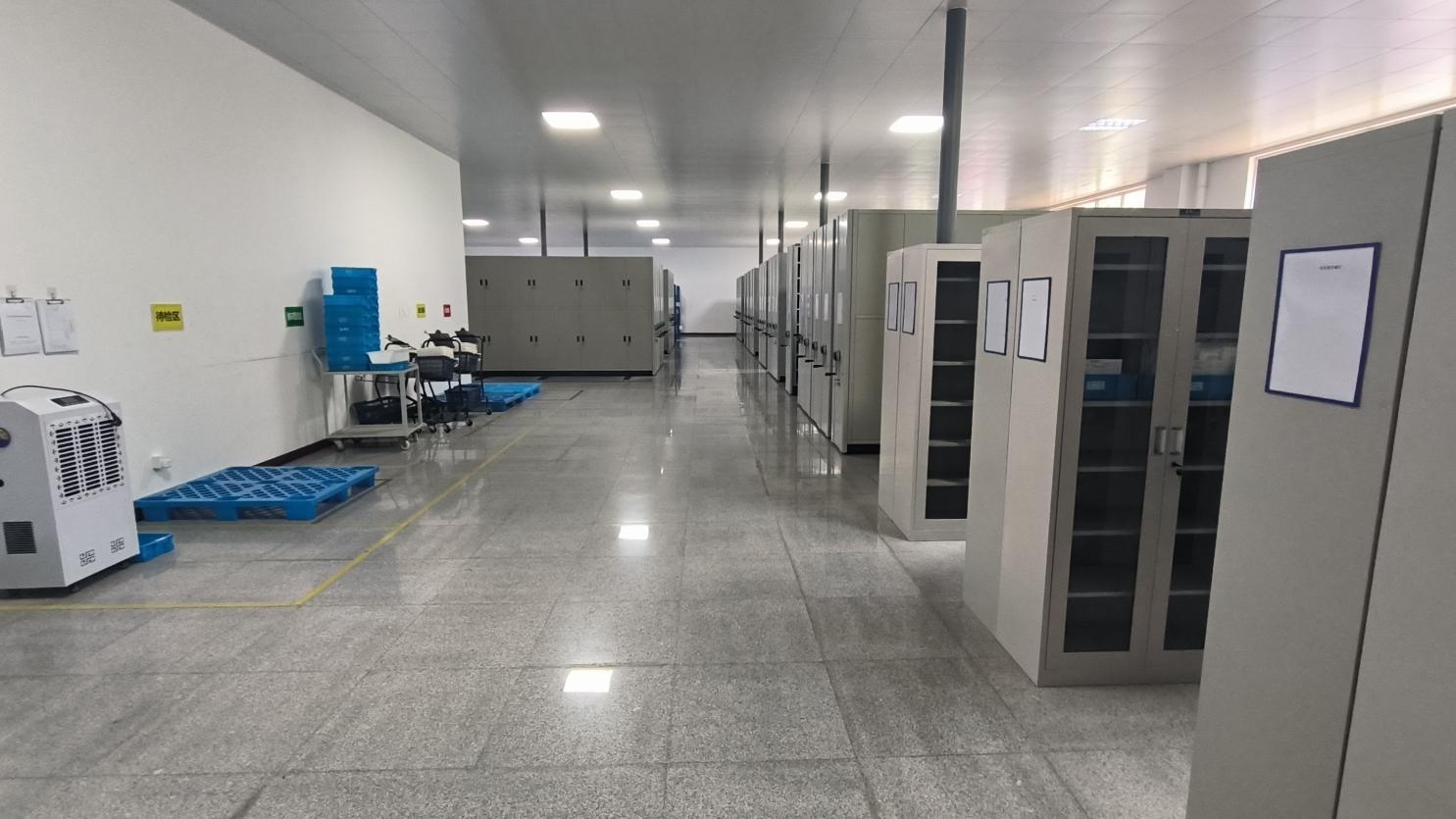
Fully compliant with international quality management systems. Cleanroom sterilization, batch tracking, and rigorous bio-compatibility testing ensure high patient safety.
A major strength of the company lies in its expertise in 3D printing and customization. Advanced technology creates personalized implants tailored to patient anatomy.
Solidified by over a decade of technological evolution, research investments, and clinical production.
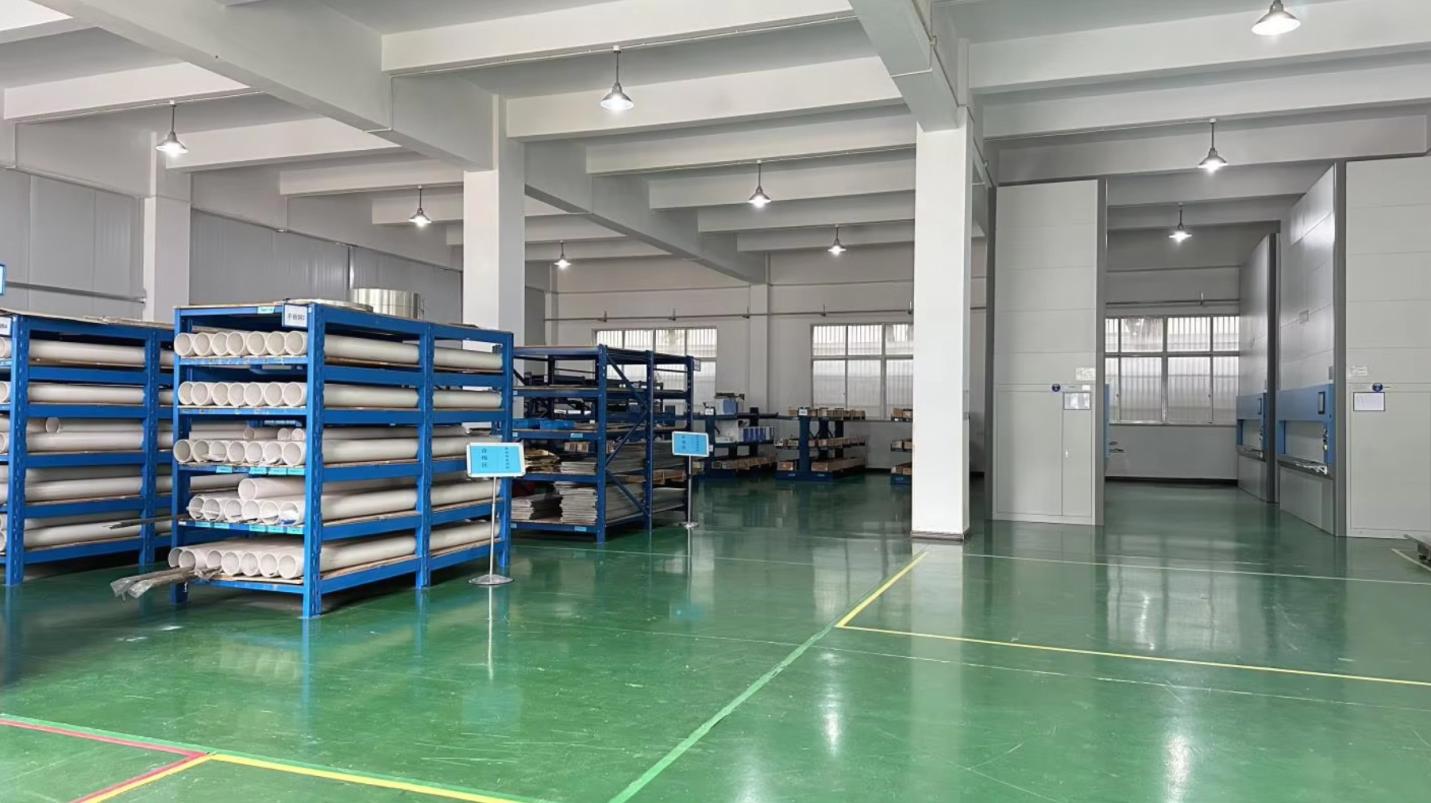 Certified Raw Materials (Ti-6Al-4V ELI & PEEK)
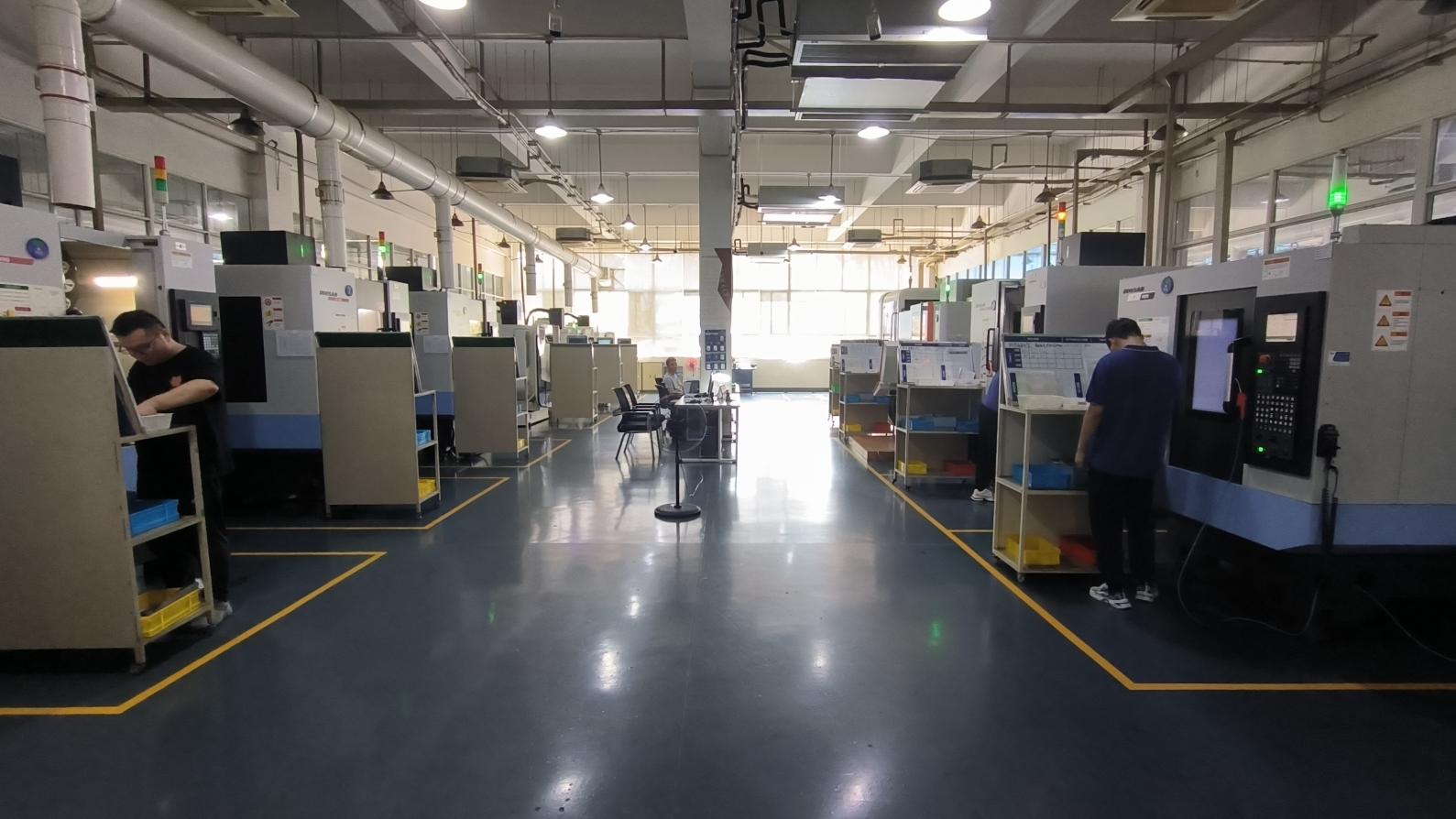
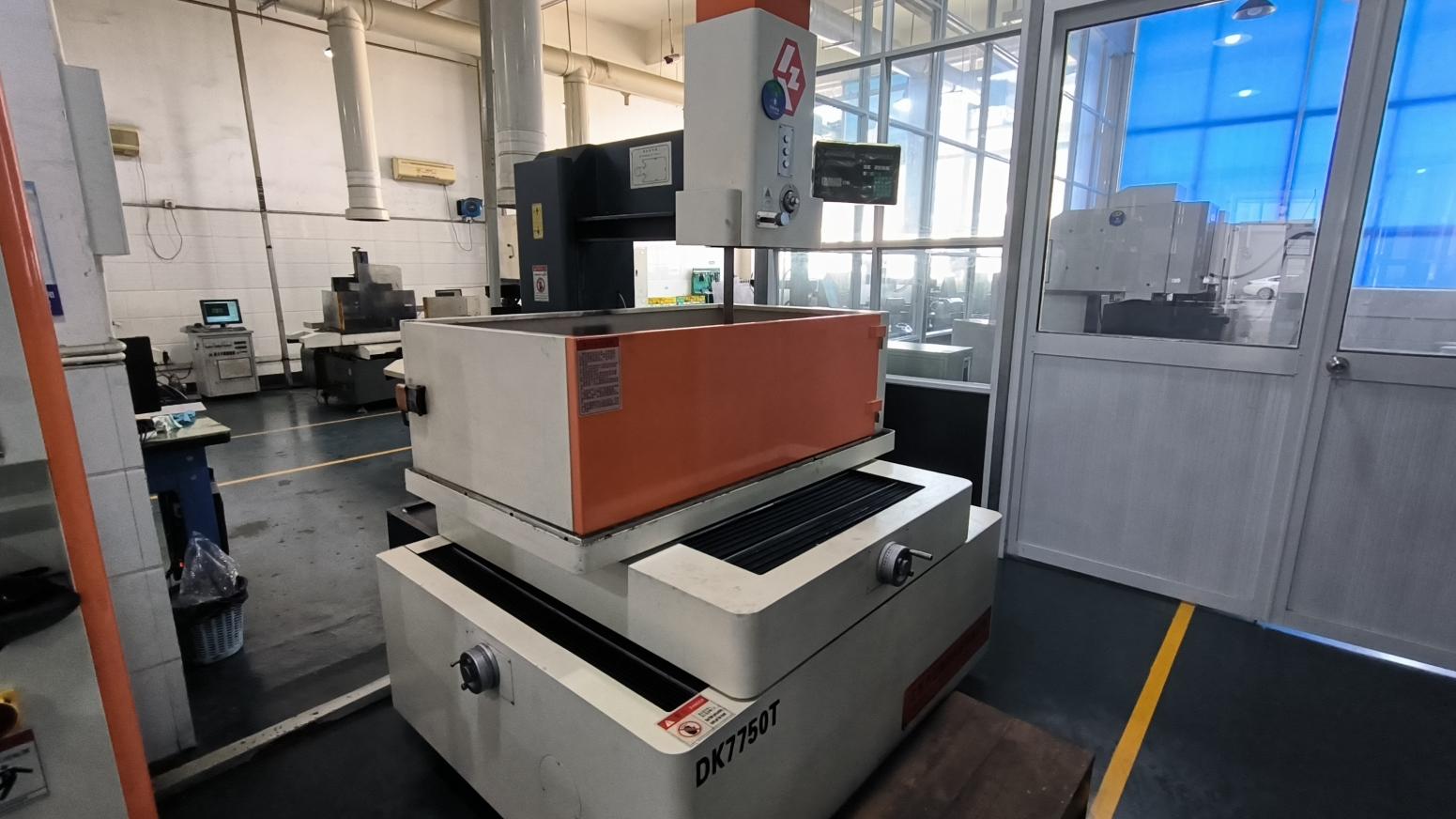 Precision Wire Cutting & Micro-Machining
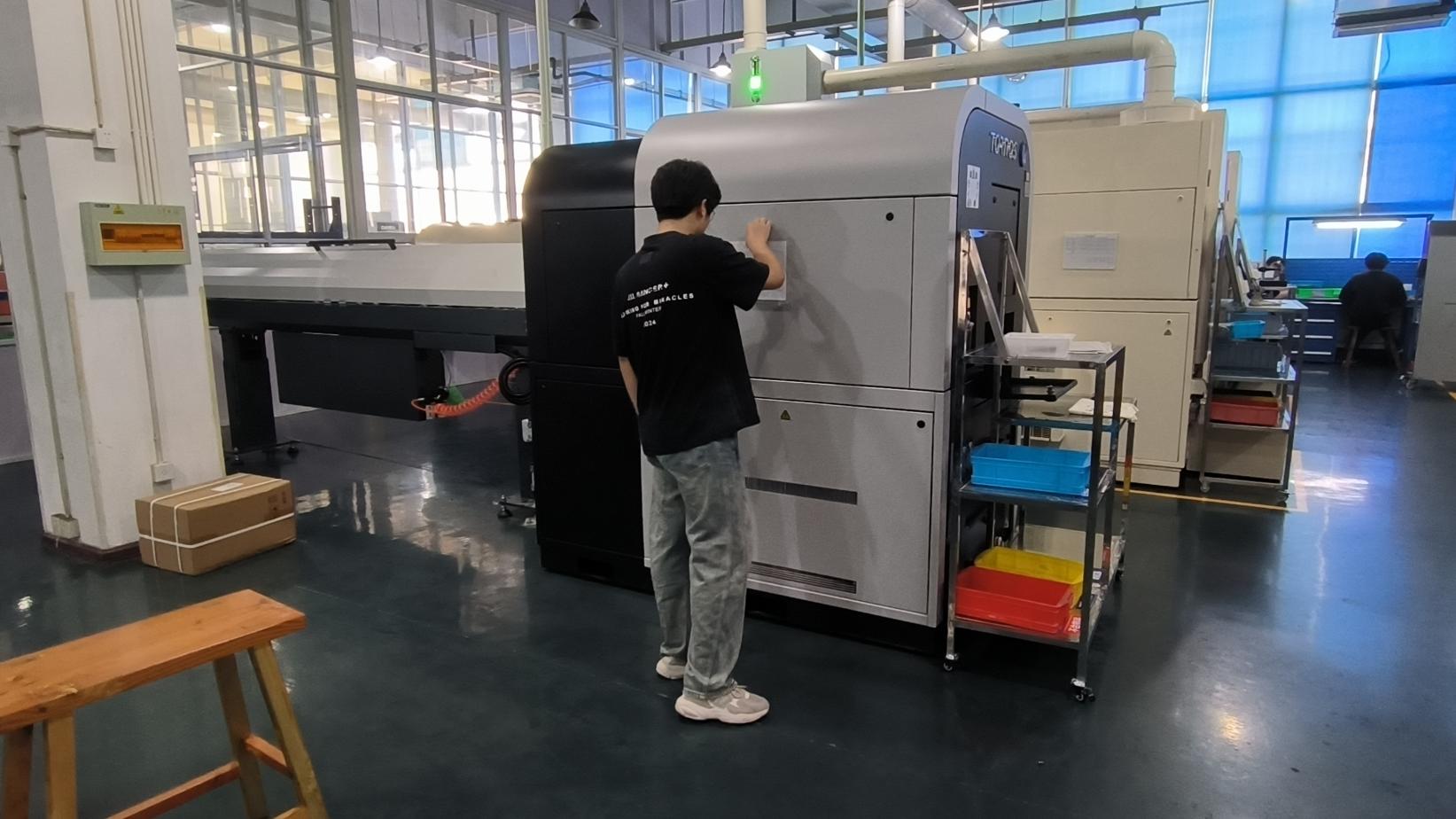 Anodization & Porous Surface Coating
The evolution of orthopedic treatment from passive stabilization to active cellular regeneration.
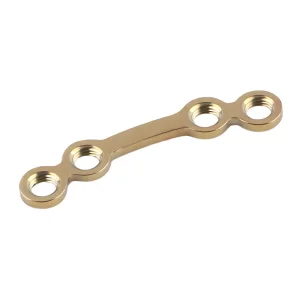
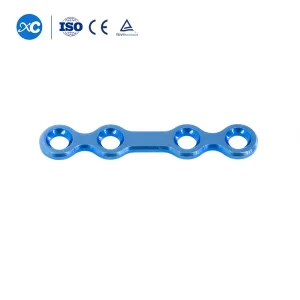
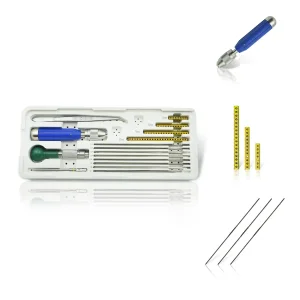
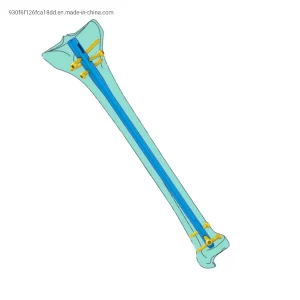
Deployment of titanium locking compression plates, intramedullary tibial nails, and PEEK cages integrated with intraoperative bone marrow aspirate concentrate (BMAC) or allogeneic mesenchymal stem cell (MSC) bone graft extenders. Focus is on robust structural stability with primary osteoinductive signaling.
Development of customized 3D-printed trabecular titanium matrices featuring targeted pore sizes (300–500 μm). These micro-architectures are functionalized with MSC-seeded alginate or collagen hydrogels, encouraging rapid vascularization (angiogenesis) and accelerated trabecular bone ingrowth within weeks of implantation.
Integration of CRISPR/Cas9-enhanced MSC lineages tailored for overexpressing Bone Morphogenetic Proteins (BMP-2, BMP-7) coupled with smart implant sensors. Implants dynamically monitor local compressive loads, micro-motion, and cell viability, wirelessly relaying physiological recovery metrics back to clinical teams.
How our products interact with regenerative biology across major clinical sub-specialties.
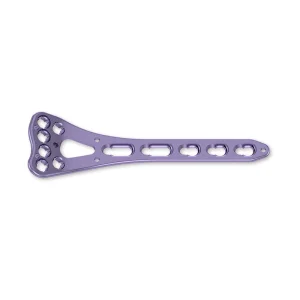
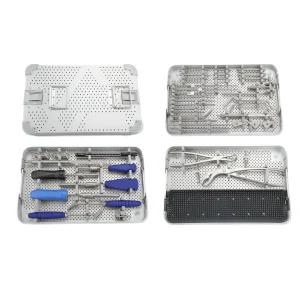
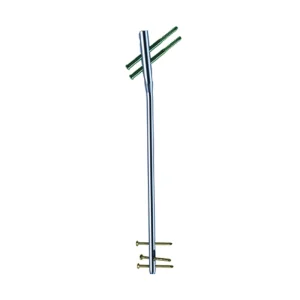
In cases of severe comminuted fractures or large segmental bone loss resulting from high-energy trauma, standard titanium plates or intramedullary nails are insufficient for rapid healing. Combining our Intramedullary Interlocking Nails or Locking Compression Plates with allogeneic umbilical cord-derived MSCs (UC-MSCs) held in ceramic scaffolds dramatically accelerates bridging callus formation, shortening patient non-weight-bearing duration.
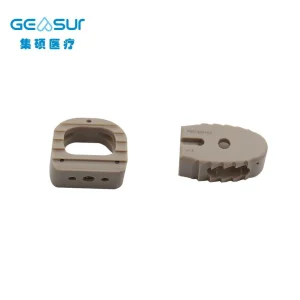
Cervical and lumbar fusion surgeries frequently suffer from delayed fusion or cage subsidence. Utilizing our Titanium-Coated PEEK Interbody Cages loaded with MSC-conditioned hydrogels provides immediate biomechanical strength while initiating rapid endplate-to-endplate osseointegration, preventing cage movement and reducing re-operation rates.
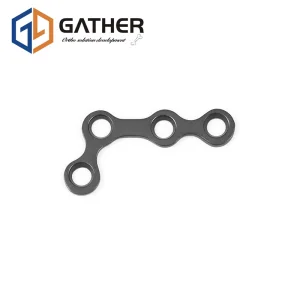
Custom 3D-printed skull plates and L-shaped maxillofacial implants demand absolute anatomical precision. By combining patient-specific 3D printing in medical titanium with autologous adipose-derived stem cells (ADSCs), surgeons achieve natural tissue re-contouring alongside superior vascularized tissue integration in complex reconstructive cases.
Ligament and meniscal repairs often fail at the tendon-to-bone interface due to poor natural healing capacity. Our PEEK Suture Anchors and ACL Interference Screws, complemented by localized intra-articular injections of bone marrow aspirate concentrate (BMAC) or MSC-exosomes, foster fibrocartilaginous tendon re-attachment and significantly cut post-op rehabilitation times.
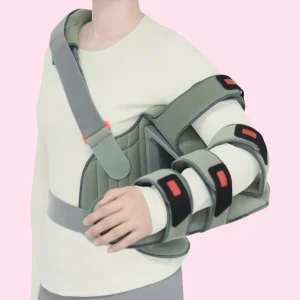
Children and small animals require non-disruptive, highly customizable devices. Our specialized Pediatric Osteotomy Sets and Veterinary Mini External Fixators allow precise alignment without damaging delicate growth plates, with bio-active coatings helping speed healing across sensitive pediatric bone structures.
Failed primary joint replacements result in severe bone loss and poor bone stock. Custom 3D-printed augmentations paired with stem-cell-conditioned structural bone grafts establish a revitalized biological bed, ensuring long-term implant anchorage for complex revision procedures.
Streamlined B2B workflow tailored for hospital chains, brands, and medical device distributors.
Patient DICOM data from CT/MRI scans are converted into anatomical 3D digital models, identifying bone defect geometries with sub-millimeter precision.
Finite element analysis (FEA) ensures stress distribution matching human cortical bone. Appropriate porous titanium or stem-cell micro-patterning is selected.
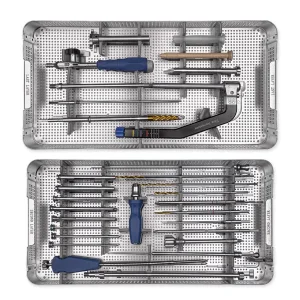
Implants are manufactured via direct metal laser sintering (DMLS) or Swiss-type 5-axis CNC machining using certified Titanium Grade 5 (Ti-6Al-4V ELI) or PEEK.
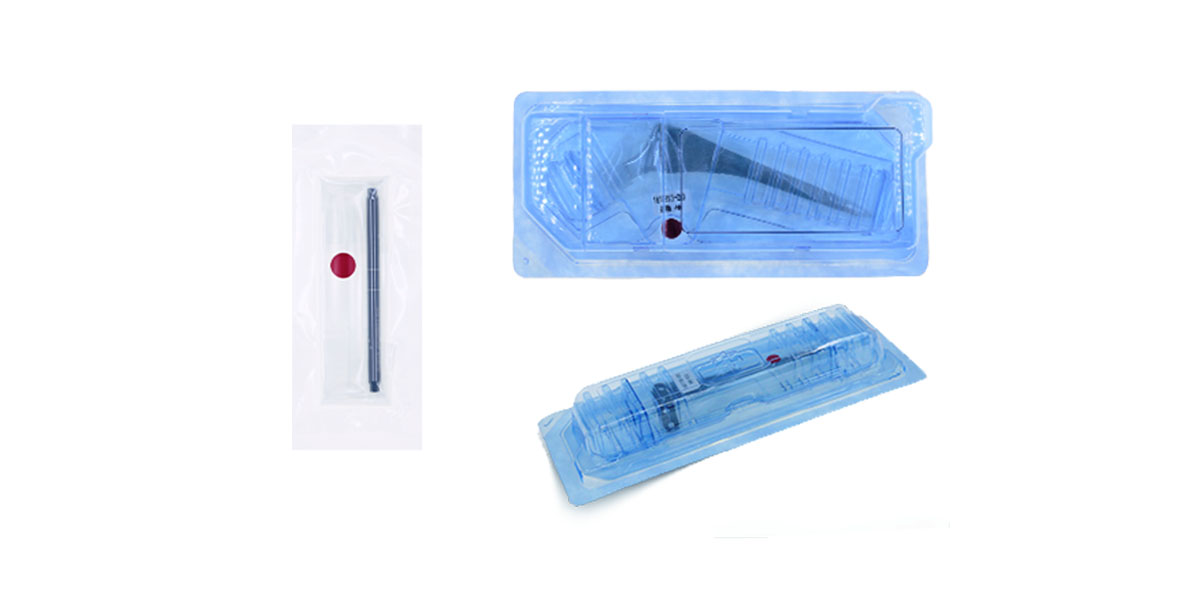
Items undergo ultrasonic washing, Class 10,000 cleanroom gamma/EO sterilization, and controlled cold-chain packaging ready for international deployment.
Addressing core inquiries from global wholesale buyers, regulatory teams, and orthopedic specialists.
Explore Our Global Supply Range of Precision Implants and Instruments
 Axton Orthopedic Implants