1. Executive Summary & Clinical Paradigm of PCL Fixation
Posterior Cruciate Ligament (PCL) injuries, while less frequent than Anterior Cruciate Ligament (ACL) ruptures, present highly complex biomechanical challenges for orthopedic surgeons. PCL reconstruction demands robust, high-performance fixation technologies to counter the significant posterior tibial translation. Fixation stability is the single most critical factor in determining long-term clinical outcomes and preventing premature graft failure.
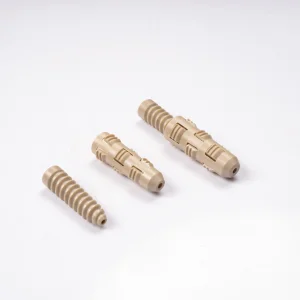
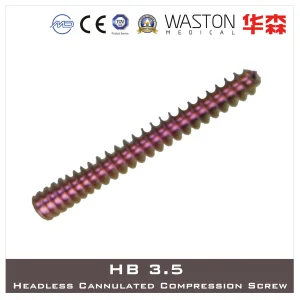
Modern sports medicine relies heavily on advanced PCL fixation devices including PEEK (Polyetheretherketone) interference screws, biocomposite bioabsorbable screws, suspensory cortical buttons, and titanium post-screws. This white paper analyzes the global landscape of PCL fixation manufacturing, highlighting production capabilities, engineering standards, material innovations, and the emerging supply chain advantages of Chinese orthopedic factories.
"To date, our products have been widely used in dozens of countries across Asia, Latin America, Africa, and Europe, and have gained recognition from local distributors and surgeons."
2. Key Criteria for Selecting a PCL Fixation Manufacturer
When procurement managers, medical device distributors, and hospital groups evaluate potential PCL fixation factories, they must balance several critical operational and regulatory variables:
- Material Biocompatibility & Mechanical Integrity: High-grade medical polymers (PEEK-OPTIMA®) and bioresorbable polymers (PLDLA with Beta-TCP) must meet ASTM and ISO standards to guarantee optimum tensile strength and minimize adverse tissue responses.
- Regulatory Certifications: Compliance with ISO 13485, CE Mark (MDR 2017/745), and FDA 510(k) clearances is non-negotiable for legally placing products in highly regulated global markets.
- Manufacturing Tolerances: Precision Swiss-type CNC machining and cleanroom injection molding are mandatory to produce interference screws with sharp thread profiles and accurate internal driver geometries.
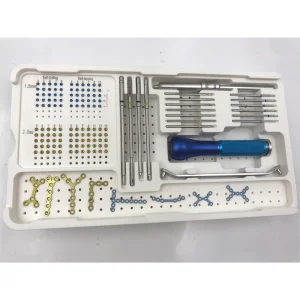
- Information Gain & Technical Support: Leading manufacturers provide complete clinical data sheets, pull-out strength reports, surgical technique manuals, and customizable instrumentation kits.
Manufacturer Infrastructure & Capacity Profile
Key indicators representing our industry leadership and production scalability
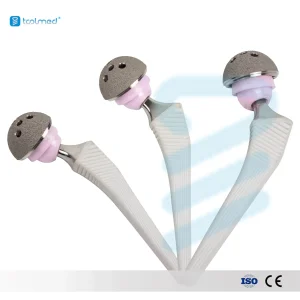
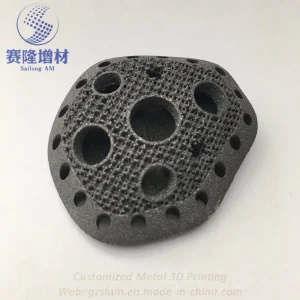
A major strength of our manufacturing operation lies in our deep expertise in 3D printing and orthopedic customization. With advanced additive manufacturing technologies, we are capable of creating personalized medical devices tailored to specific patient anatomies. This customization not only enhances overall treatment outcomes but also drastically improves patient comfort and post-surgical recovery times. We proudly offer orthopedic implants, joint implants, brushless surgical motors, and custom instrument kits to global markets.
3. Top 10 Global PCL Fixation Manufacturers & Factories
Analyzing the top global manufacturers reveals key industry trends and market positions. These companies represent the leading edge of sports medicine manufacturing:
- Arthrex (USA): A pioneer in sports medicine, famous for the TightRope® and Bio-Interference Screws. Arthrex dominates with extensive clinical backing and massive global distribution, though at a premium price point.
- Smith & Nephew (UK): Notable for the BIOSURE PEEK and biocomposite interference screw lines. Their systems emphasize ease of insertion and robust structural design.
- Stryker (USA): Offering comprehensive ligament reconstruction catalogs. They integrate high-durability polymers and PEEK materials across all soft-tissue fixation lines.
- ConMed (USA): Known for the ExoButton® and bioresorbable screw technologies, offering surgeons highly predictable clinical performance.
- DePuy Synthes (Johnson & Johnson - USA): Provides highly reliable implant systems with substantial R&D backing. Excellent global logistics but typically higher acquisition costs.
- Zimmer Biomet (USA): Features advanced fixation solutions with a strong focus on biomaterials and orthopedic customization services.
- Medacta (Switzerland): Focuses on minimally invasive techniques and premium-quality European Swiss-machined components.
- Axton Medical (China): A rising leader with a state-of-the-art 3D-printing infrastructure, 13+ years of clinical R&D, and cost-effective FDA/CE-ready production capabilities.
- Jinlu Medical (China): Specialized in orthopedic implant sets, maxillofacial systems, and bone fixation solutions with a massive domestic and international footprint.
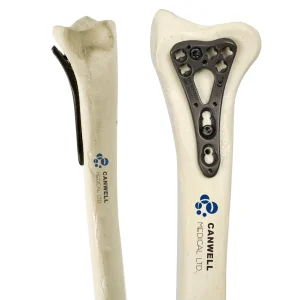
- Canwell Medical (China): Renowned for variable angle locking plates and titanium implant manufacturing, backed by rigorous ISO-certified quality control protocols.
4. The Competitive Edge of Chinese Orthopedic Manufacturing
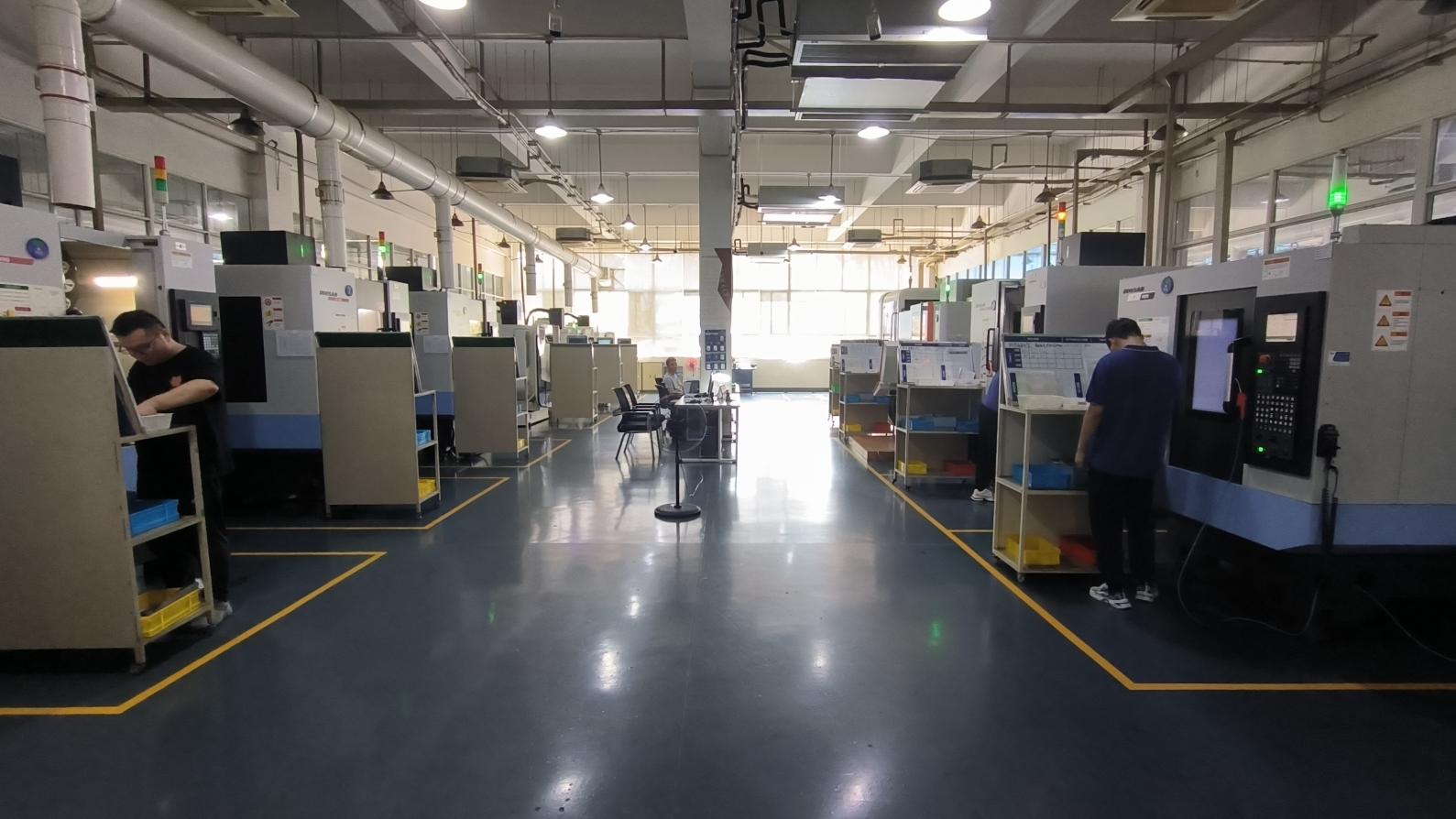
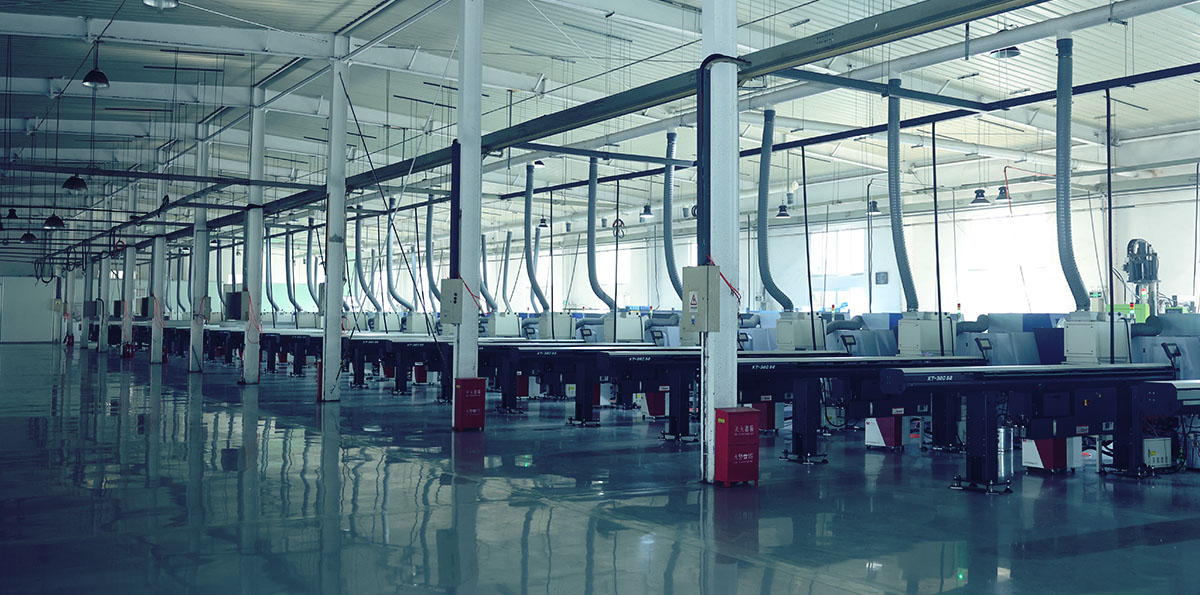
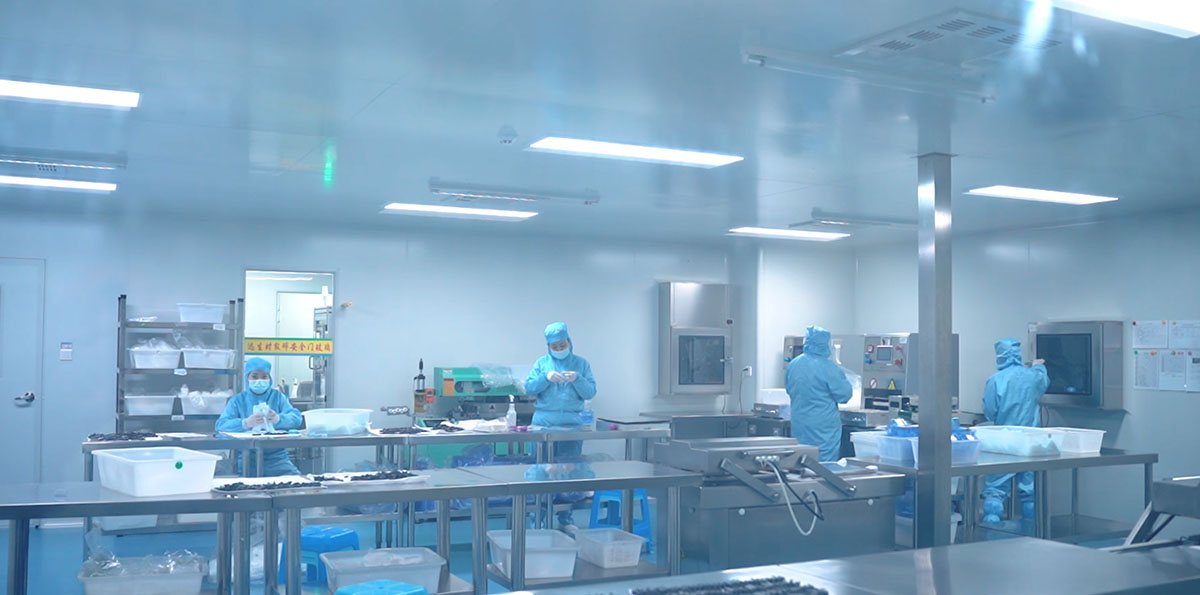
In recent years, the gap between Western brand-name implants and top-tier Chinese medical factories has closed completely. Chinese manufacturers have invested heavily in automated Swiss CNC machining centers, raw material traceability systems, and modern cleanroom environments. The major supply chain advantages include:
- Advanced CNC Swiss Machining: Allows for micro-precision thread carving on PEEK and titanium interference screws, matching tolerances to within 0.005mm.
- Material Certification: Partnerships with top-tier raw material suppliers ensure every batch of medical-grade titanium and PEEK is fully certified.
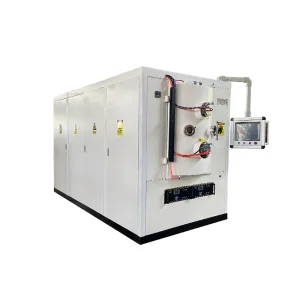
- Surface Treatment Technologies: Integration of advanced PVD (Physical Vapor Deposition) multi-arc ion plating systems and vacuum plasma coating equipment for superior implant biocompatibility.
- Surgical Instrumentation Integration: Factories deliver complete surgical solutions, including high-torque brushless motors and precision-fitted driver shafts alongside the implants.
Certified Manufacturing & Sourcing Workflow
Step-by-step processing of premium implant production inside our factories
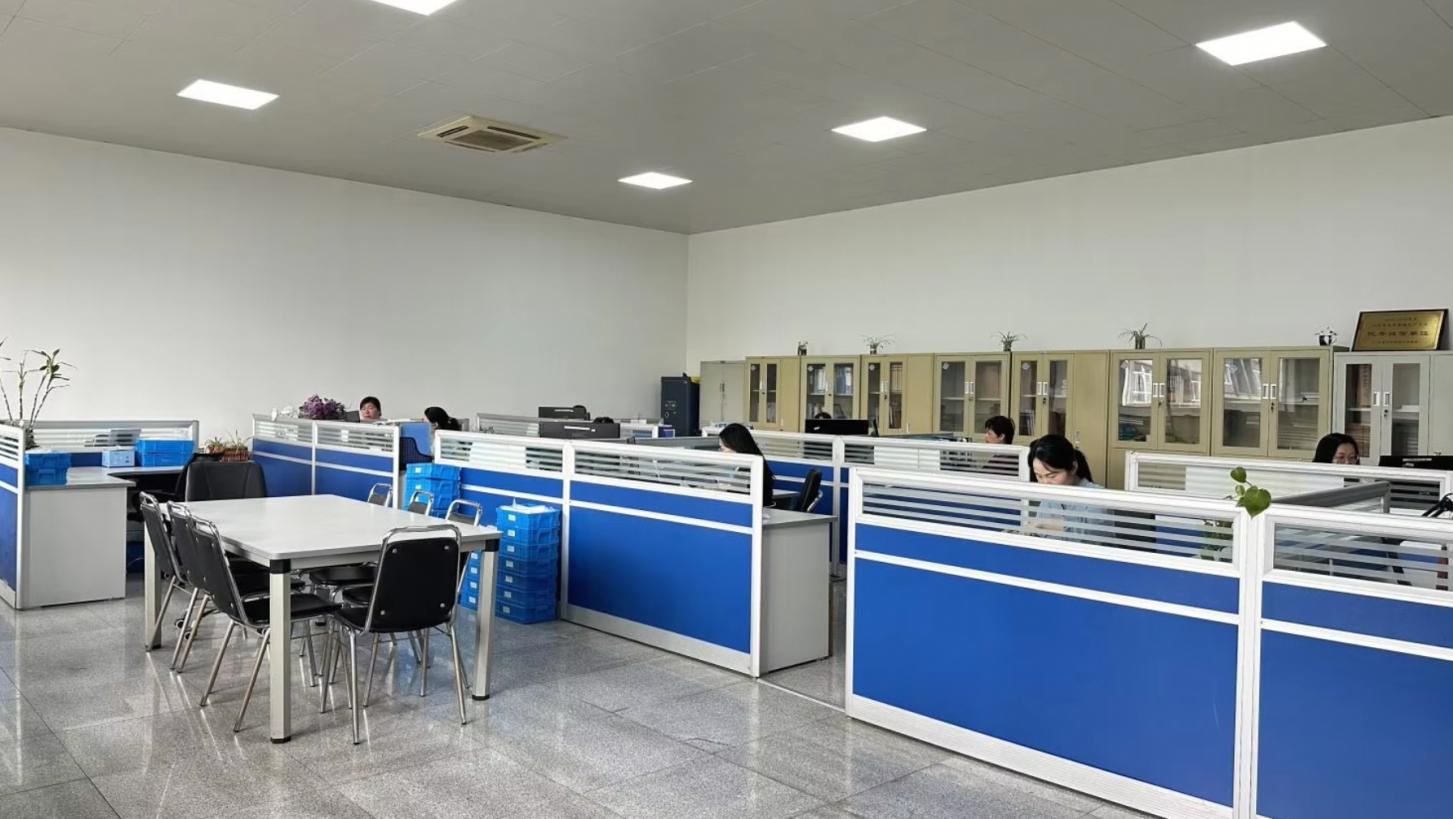
Inspection & Setup
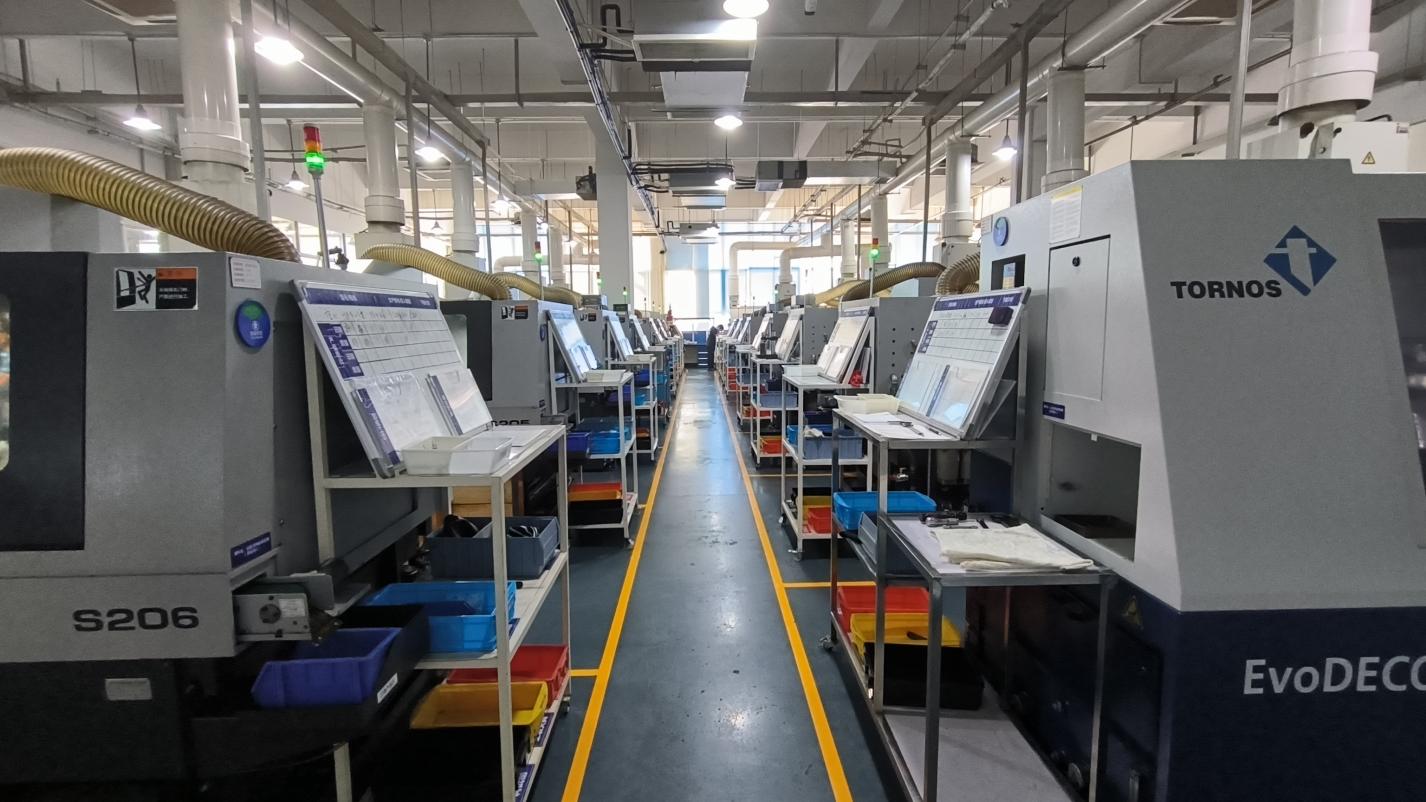
Precision Machining
Quality Control
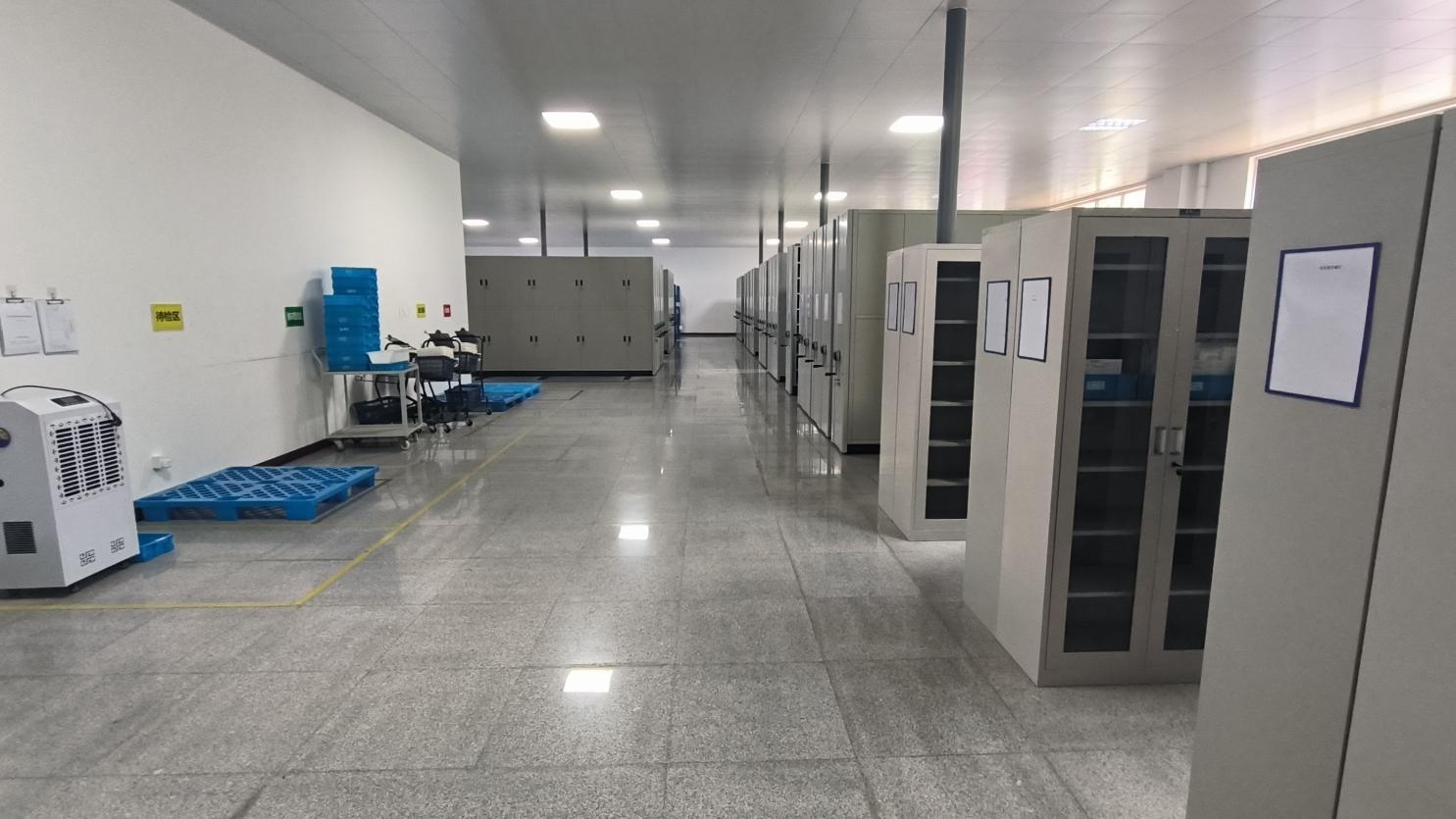
Sterile Packaging
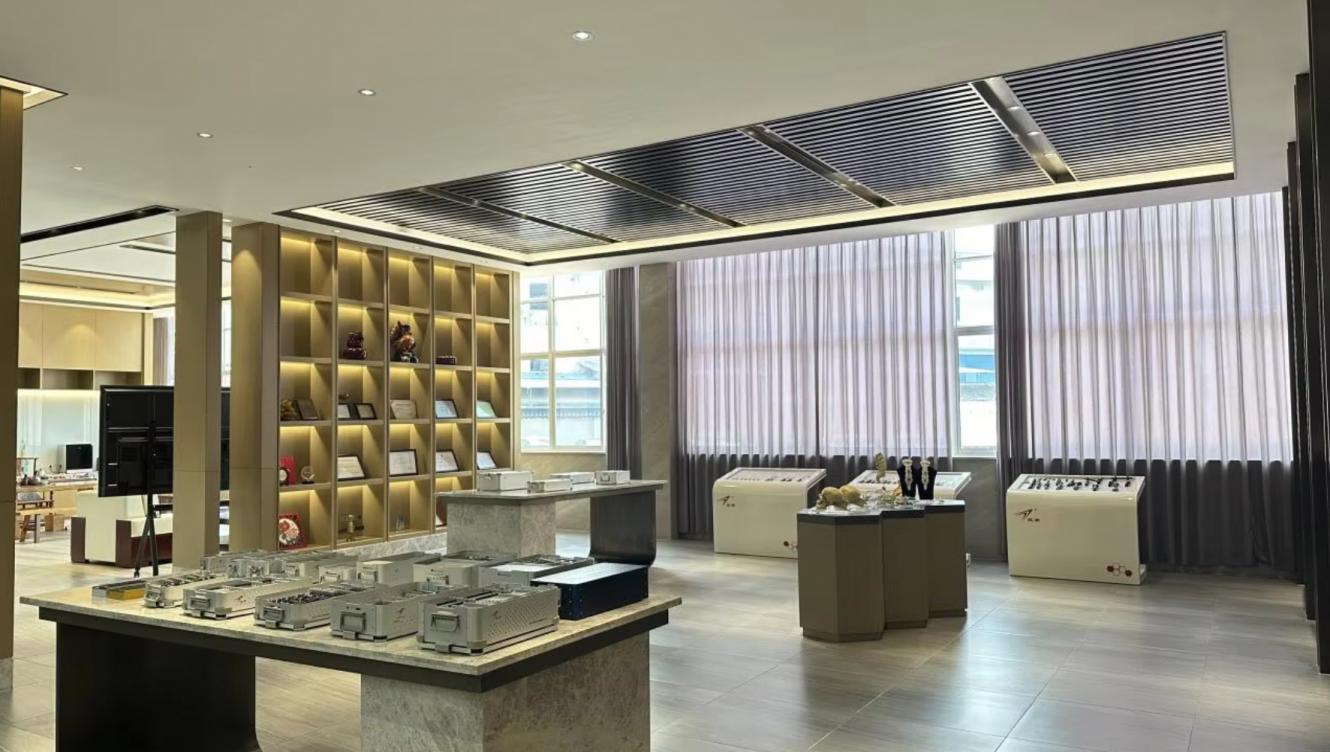
Material Verification
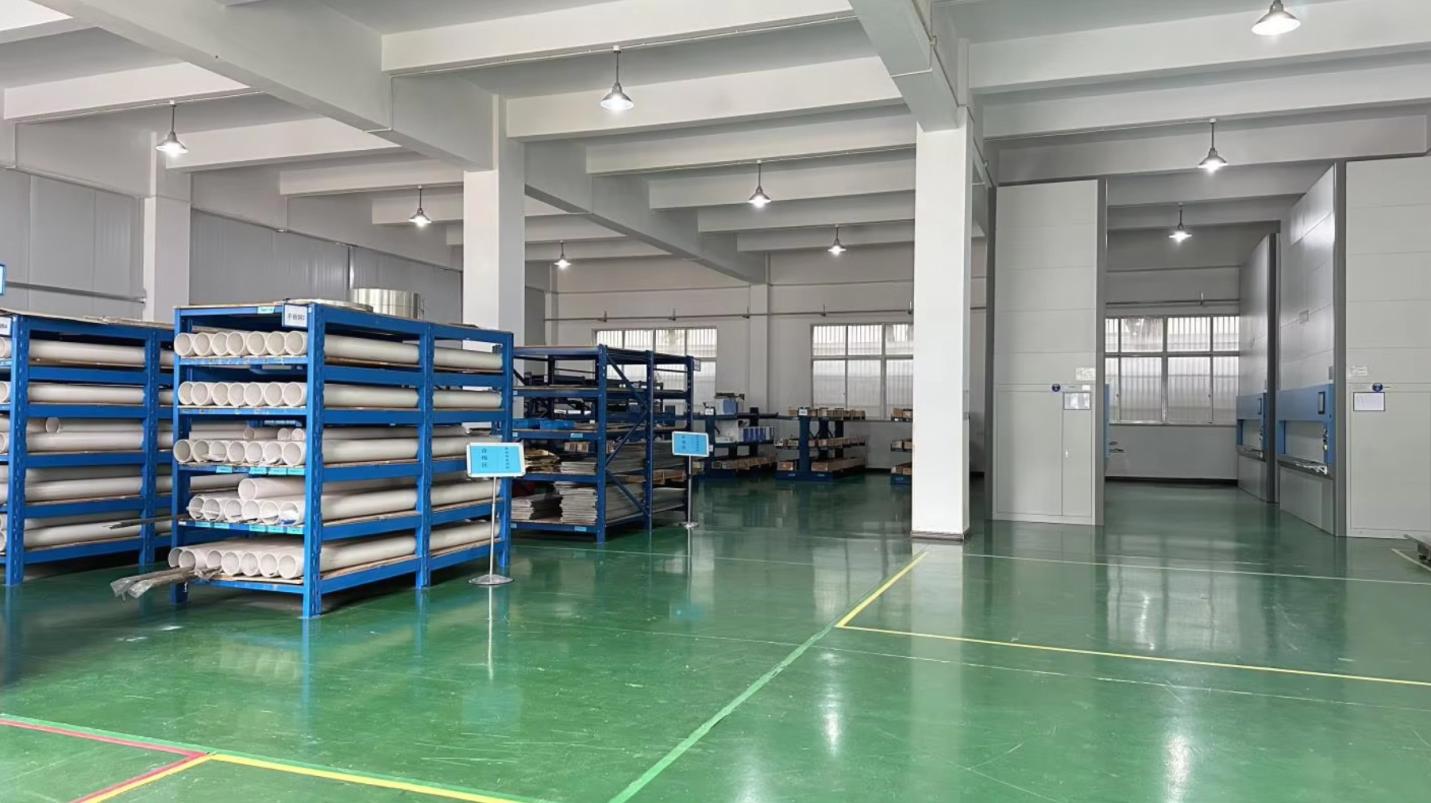
Raw Materials
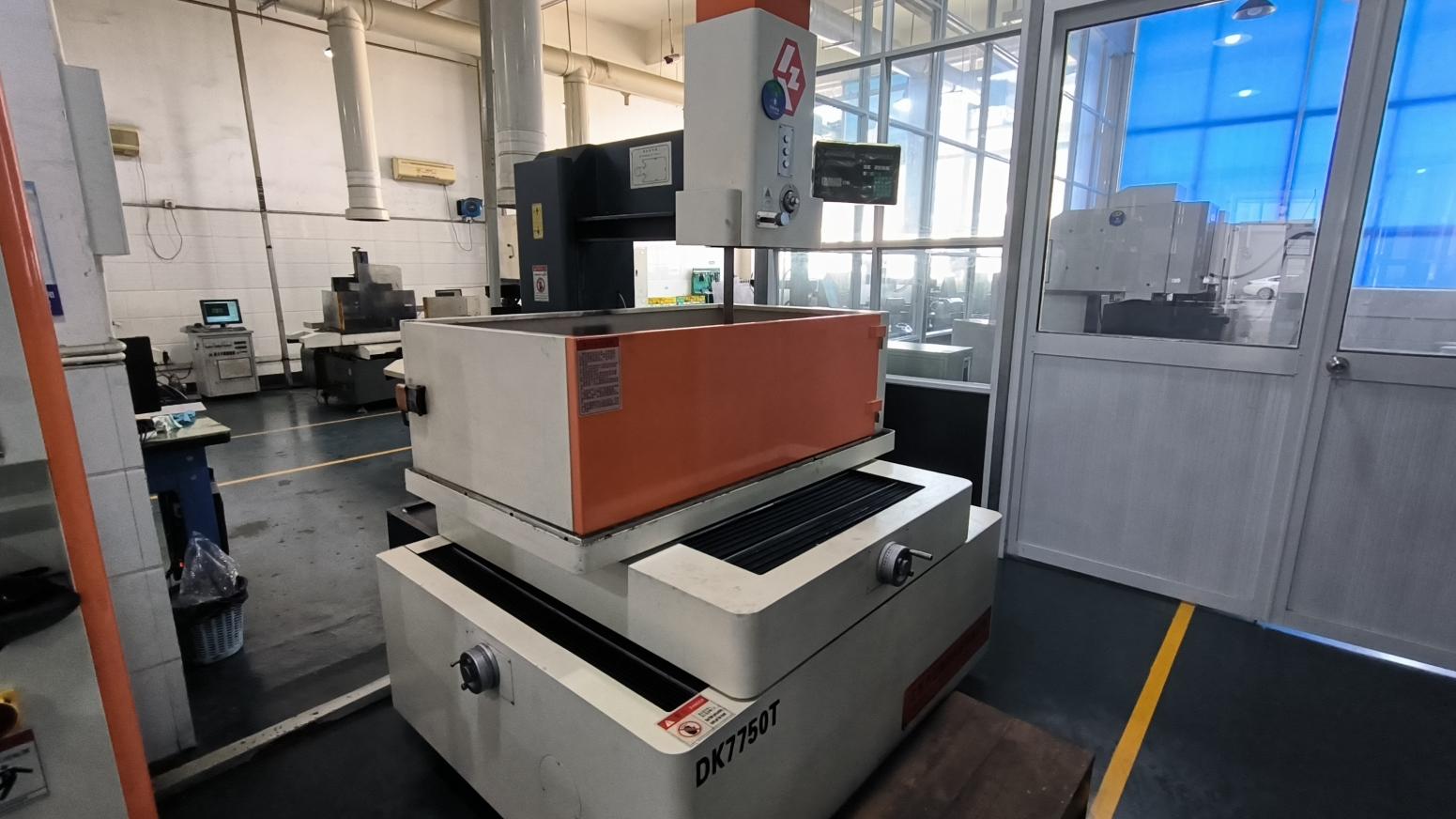
Wire Cutting
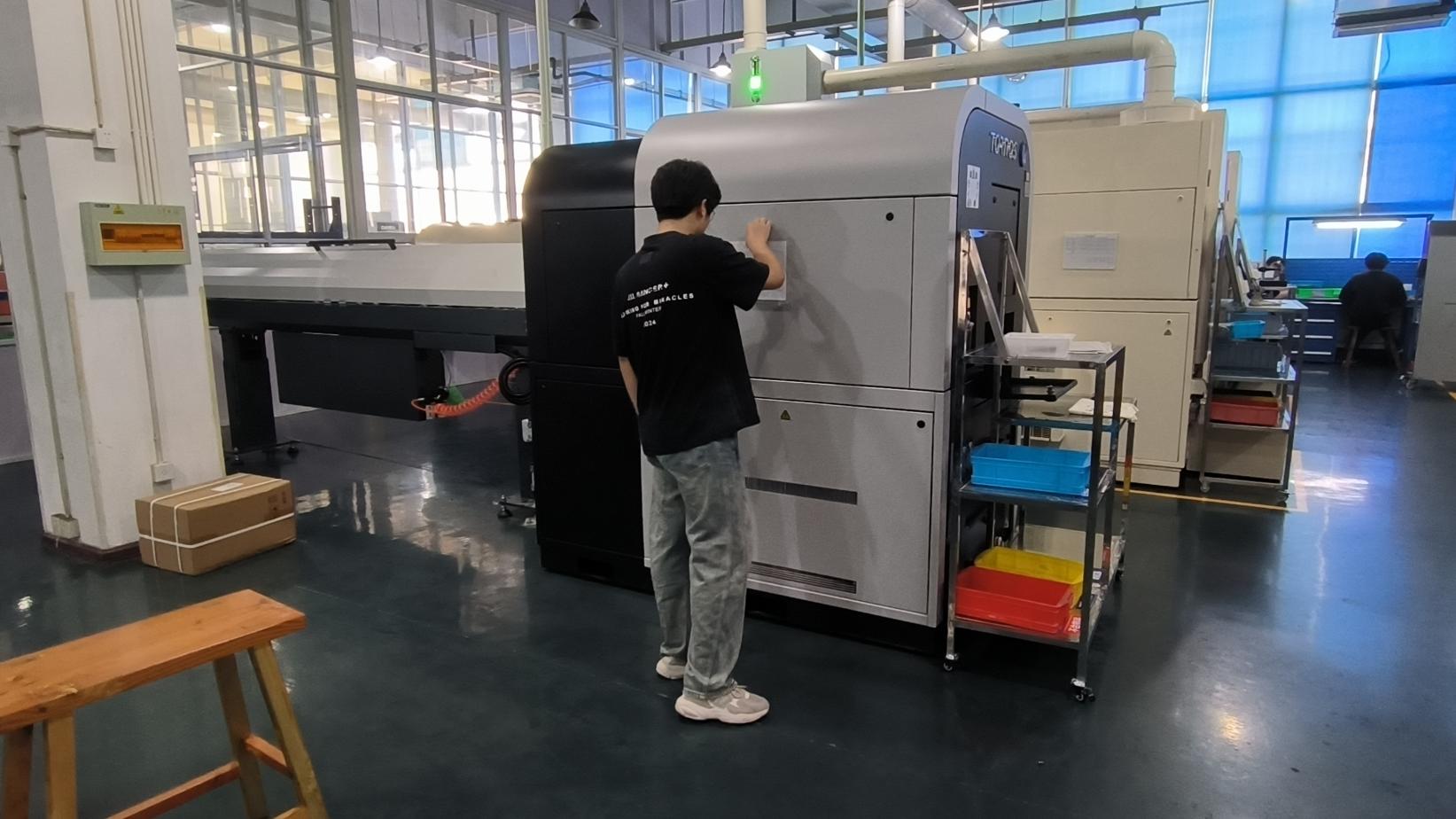
Post Processing
5. Customization, 3D Printing & The Future of Sports Medicine
The orthopedic industry is rapidly transitioning from standard off-the-shelf components to patient-specific implants. Modern PCL reconstruction frequently involves anatomical complexities, such as tunnel osteolysis or multi-ligament revisions, where standard implants fall short.
By utilizing patient CT/MRI data, our design teams construct customized tibial and femoral guides. These guides, when manufactured using medical-grade titanium 3D printers, ensure precise surgical placement. This level of customization reduces operating times, prevents misplaced tunnels, and dramatically optimizes the mechanical stability of the reconstructed ligament.
6. Localization, Regulatory Compliance & Sourcing Safety
Entering international markets requires strict compliance. For medical distributors, managing regulatory hurdles is crucial. Our factories offer complete localized support structures, including:
- Localization & Registration Support: Provision of full technical dossiers (CTD format) to facilitate rapid local registrations with ministries of health in Southeast Asia, Latin America, and European territories.
- ISO 13485 & CE Compliance: Our cleanrooms and manufacturing steps undergo regular audits, ensuring compliance with strict European Medical Device Regulation (MDR) frameworks.
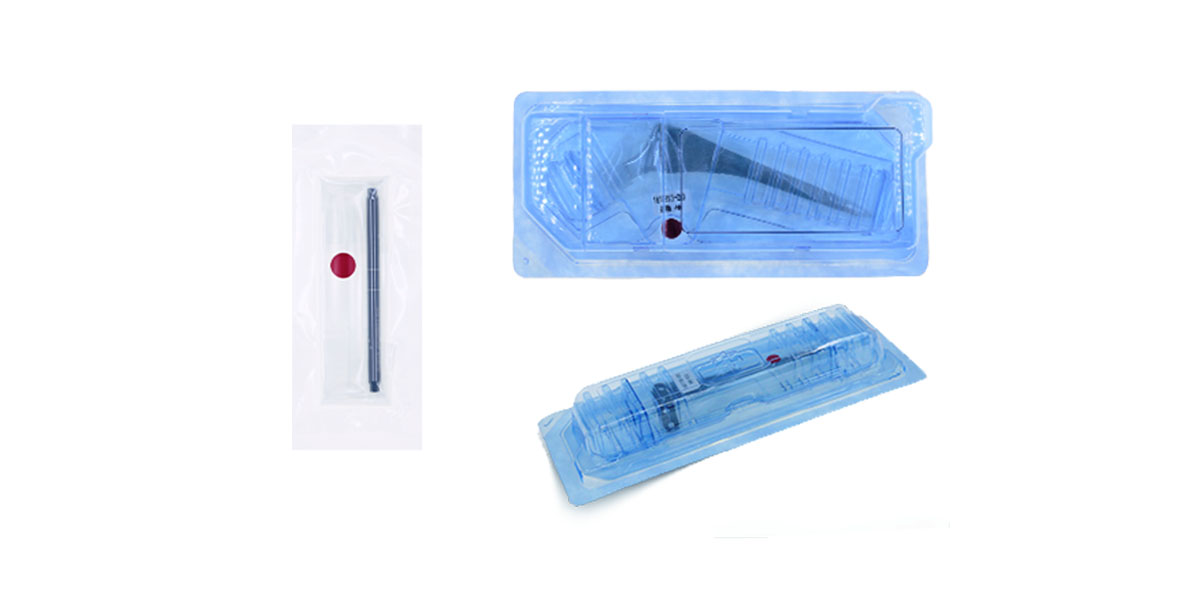
- Sterile OEM Packaging: Implants can be shipped sterile, double-packaged, and barcoded under your private label, ready for immediate hospital distribution.
 Axton Orthopedic Implants