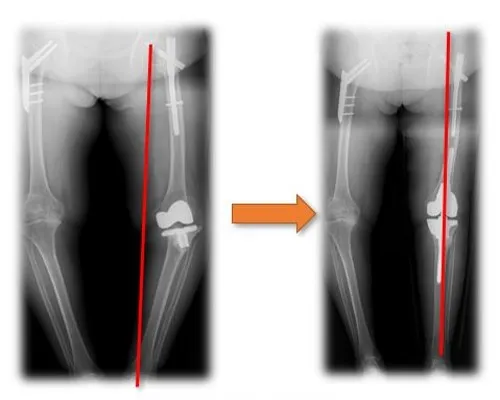
🔭 Total Hip Replacement for Osteoarthritis
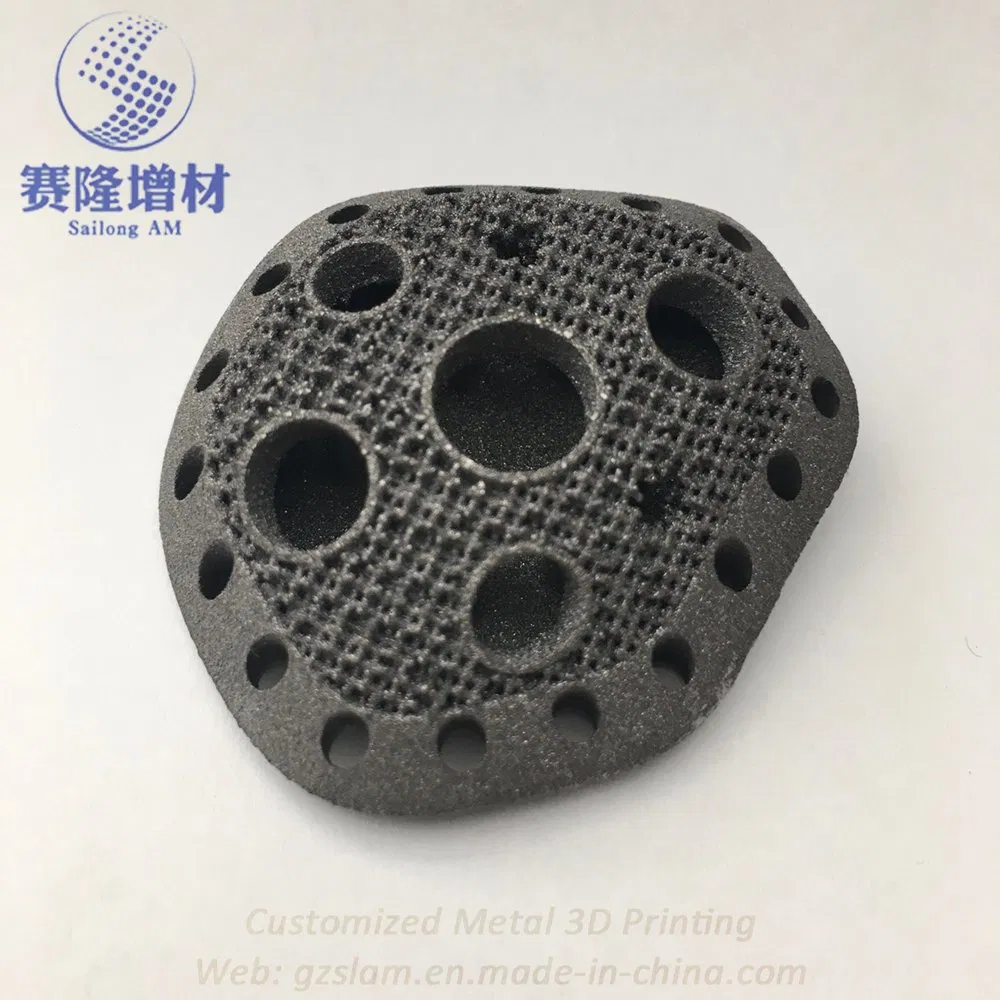
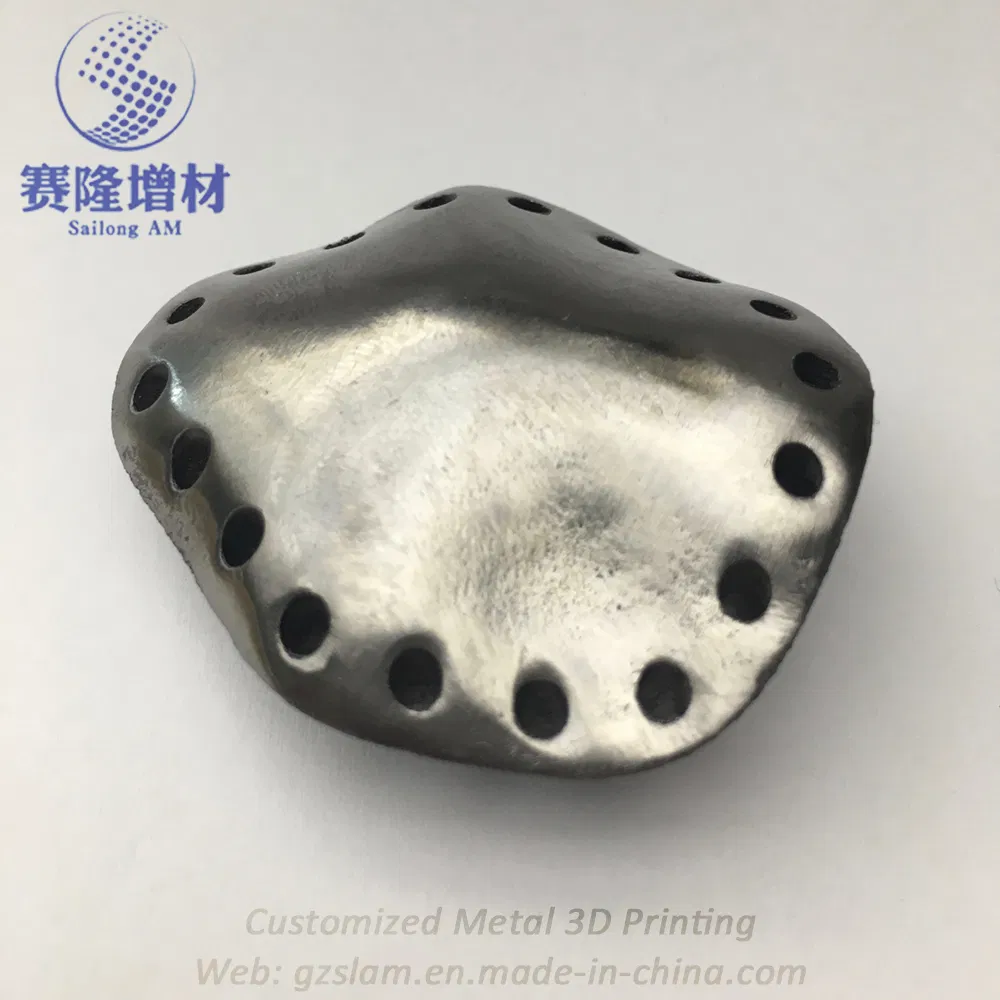
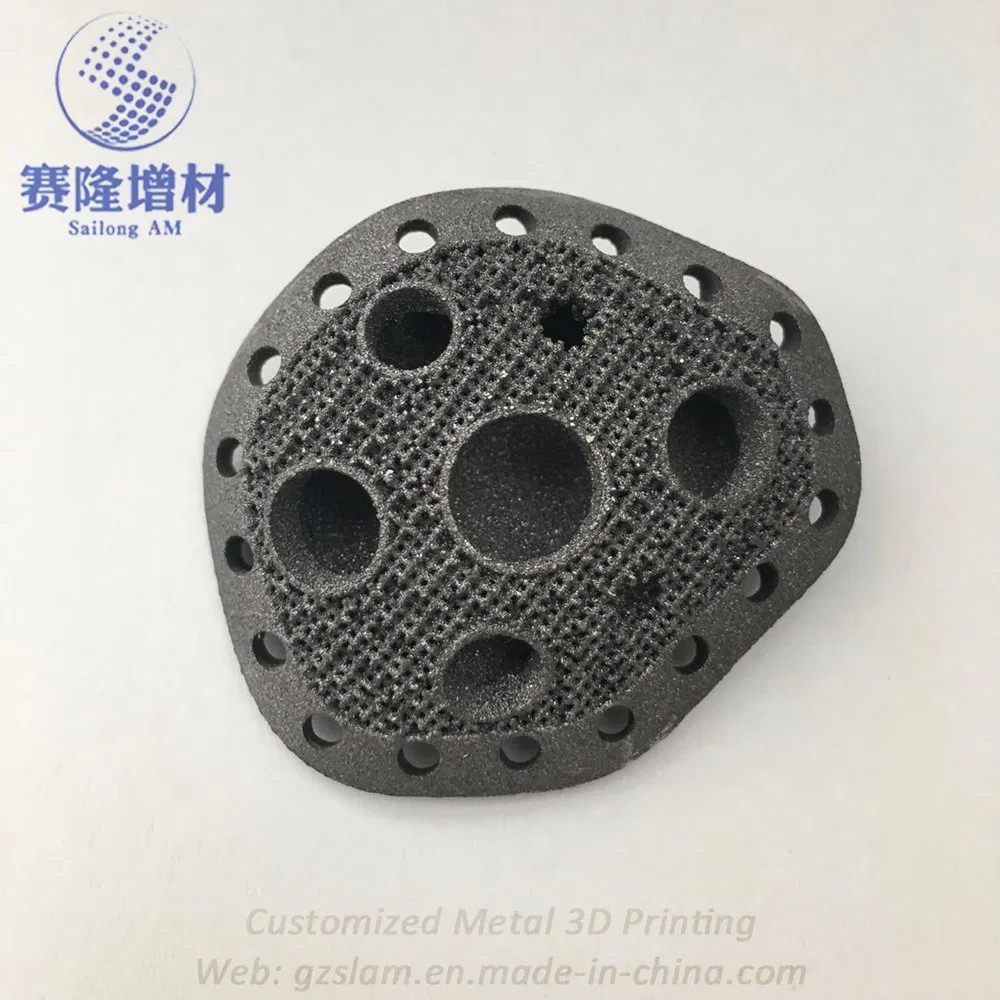
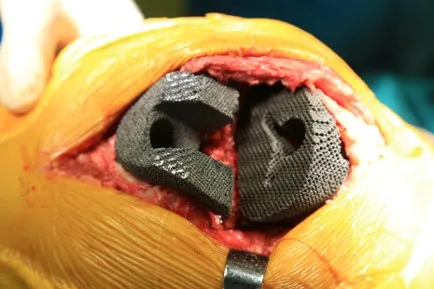
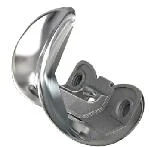
Human implants belong to Class III medical appliances, which require high biocompatibility, mechanical properties, non-toxicity and anti-corrosion properties. Implantable artificial bones are mainly used in the treatment of bone tumors, spinal trauma and bone defects. Additive manufacturing orthopaedics has attracted much attention because of its individualized, complex, accurate production and rapid response.
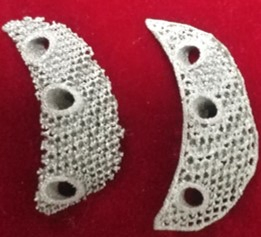
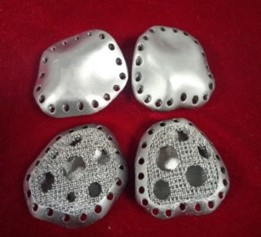
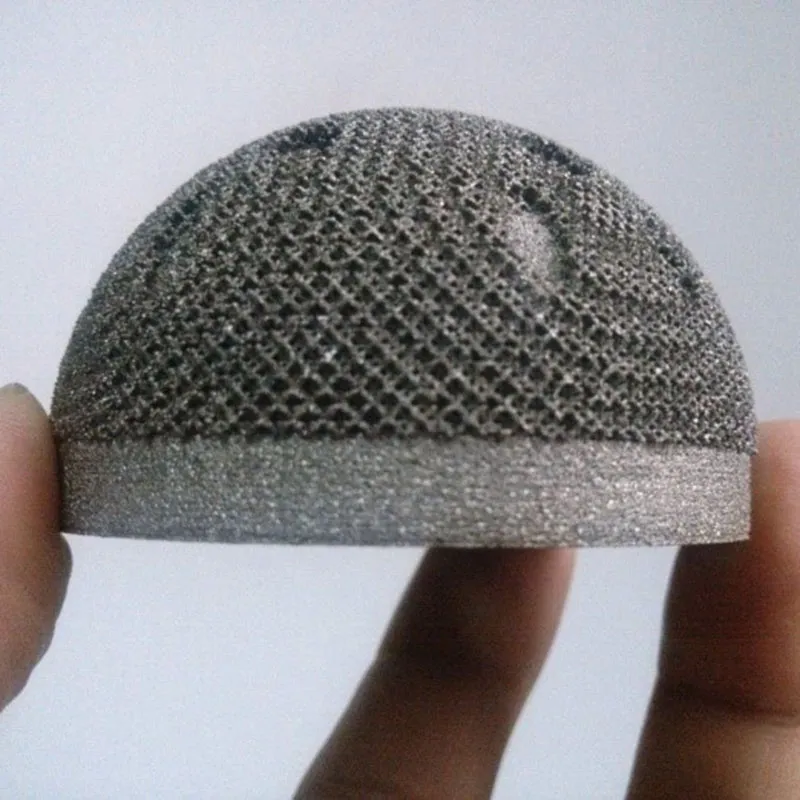
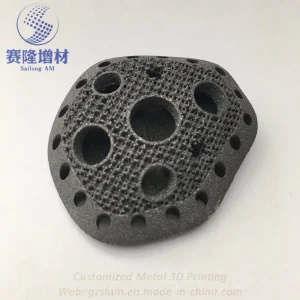
Commonly used materials include metal materials such as titanium-based alloys, cobalt-chromium alloys, stainless steel, tantalum and non-metallic materials such as PEEK materials, hydroxyapatite and so on. Through three-dimensional reconstruction of medical CT data, porous implants with bionic trabecular structures such as joint, spine, craniofacial bone and extremities can be manufactured by using three-dimensional printing techniques like electron beam melting, selective laser melting and selective laser sintering.
🏭 Technical Background
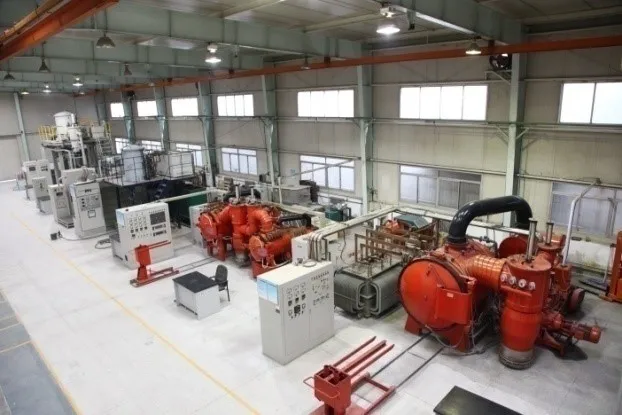
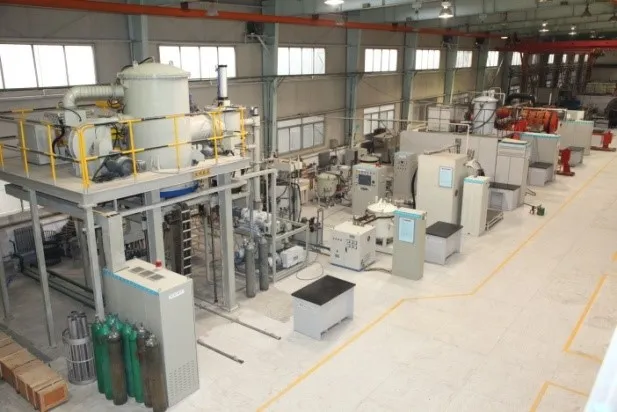
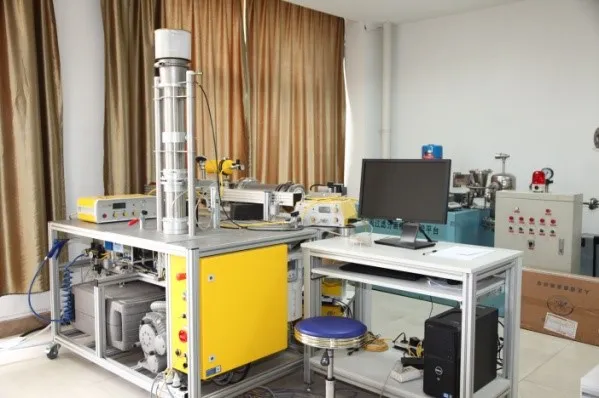
Our enterprise is led by core members of technical teams from national key laboratories specializing in metals and porous materials. The company is mainly engaged in the design, development, production and sales of additive manufacturing products and raw materials, including 3D printing parts, powder metallurgy products, and special equipment manufacturing. Products have been widely used in aerospace, medical, mold and other fields.
Frequently Asked Questions
Q1: What materials are used for the hip replacement implants?
A: We primarily use high-grade Titanium and Titanium alloys, known for their excellent biocompatibility, high strength, and corrosion resistance in medical applications.
Q2: How is the porous structure of the implant beneficial?
A: Our implants feature a bionic trabecular structure with 70%-85% porosity. This design is highly conducive to bone ingrowth, leading to better clinical fixation and long-term stability.
Q3: Can the implants be customized for specific patient needs?
A: Yes, we specialize in personalized customization. Based on 3D reconstruction of medical CT data, we can adjust porosity, pore size (0.4-0.6mm), and dimensions for individual clinical requirements.
Q4: What manufacturing technology is utilized?
A: We utilize advanced 3D printing techniques, including Electron Beam Melting (EBM), Selective Laser Melting (SLM), and Selective Laser Sintering (SLS) for high-precision production.
Q5: Are these products quality-tested?
A: Absolutely. All products undergo rigorous three-dimensional measurement and testing to ensure they meet the strict standards required for Class III medical appliances.
Q6: What is the typical lead time and capacity?
A: Our current production capacity is approximately 500 sets per month. We respond to inquiries within 24 hours to begin the customization and production process promptly.
 Axton Orthopedic Implants