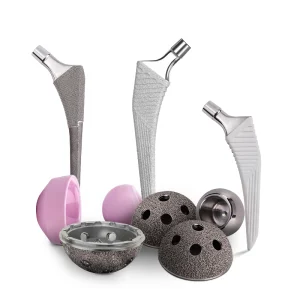
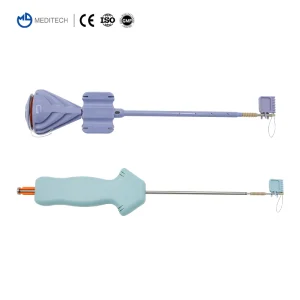
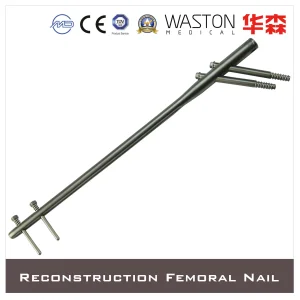
Explore our core medical devices engineered for high-performance surgical arthroscopy, joint replacement, and complex trauma reconstruction.
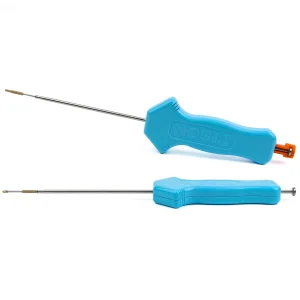
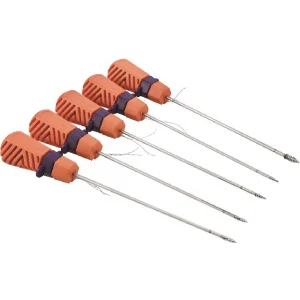
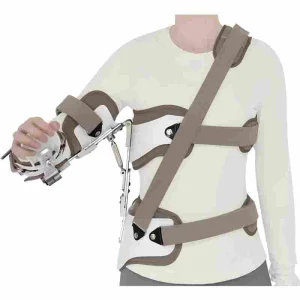
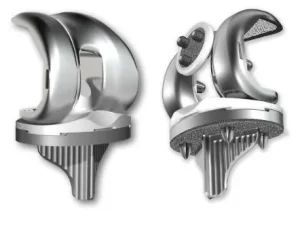
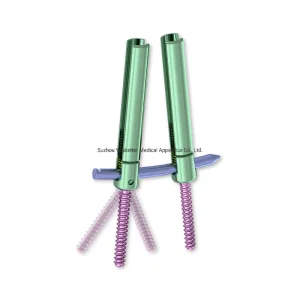
An in-depth whitepaper examining the structural integrity, biomechanics, and clinical benchmarks of soft tissue fixation devices.
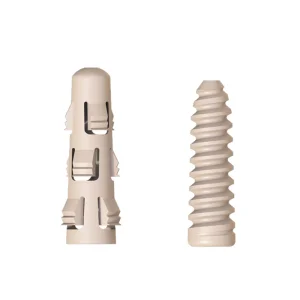
In sports medicine, particularly during Anterior Cruciate Ligament (ACL) and Posterior Cruciate Ligament (PCL) reconstructions, the mechanical performance of interference screws defines the threshold of initial graft stability. The primary function of an interference screw is to achieve robust friction-fit fixation of either bone-tendon-bone (BTB) or soft-tissue autografts/allografts within the femoral and tibial bone tunnels.
By compressing the graft directly against the osseous wall of the tunnel, the screw maximizes contact surface area. This contact is critical because it promotes direct tendon-to-bone healing, characterized by the progressive infiltration of Sharpey's fibers. Without adequate primary fixation, micromotion of the graft can lead to tunnel widening, graft slippage, and eventually, construct failure.
Clinical standards dictate that an interference screw must resist pullout forces exceeding 400-500 N (Newton) to survive the immediate post-operative phase, during which aggressive rehabilitation protocols are initiated.
Traditional interference screws carried sharp threads that threatened to lacerate soft tissue grafts during arthroscopic insertion under high torque. Modern designs utilize blunt, rounded thread profiles that compress the graft rather than cut it. The pitch of the thread is optimized to balance ease of insertion with high pull-out resistance.
Furthermore, the introduction of cannulated profiles allows surgeons to guide the screw precisely over a guide wire. This ensures coaxial alignment with the bone tunnel, reducing the risk of divergent screw placement—a common complication that dramatically reduces fixation strength.
We offer orthopedic implants, joint implants, brushless motors, and other products to complete the modern clinical theater, ensuring surgeons have unified access to comprehensive fixation systems.
A comparative structural analysis outlining the clinical advantages, biocompatibility, and radiographic qualities of primary materials.
Orthopedic implants have evolved from heavy, rigid metallic devices to highly sophisticated biocompatible materials that mimic the mechanical characteristics of human bone. Selecting the correct material for interference screws involves balancing mechanical strength against post-operative imaging compatibility and biological degradation.
| Material Property / Type | Medical Titanium (Ti-6Al-4V) | PEEK (Polyetheretherketone) | Bioabsorbable (PLDLA / HA) |
|---|---|---|---|
| Modulus of Elasticity | High (~110 GPa) - Rigid mechanical hold | Close to Cortical Bone (~3.6 GPa) | Varies - degrades dynamically over time |
| Radiographic Artifacts | Significant scattering under MRI/CT | Radiolucent - clear visibility of bone tunnel | Radiolucent - progressive bony replacement |
| Biocompatibility | Excellent - establishes osseointegration | Highly inert, no local tissue reaction | Resorbable, low-risk inflammatory profile |
| Optimal Clinical Use | High torque, Bone-Tendon-Bone fixation | Soft tissue grafts, revision surgeries | Pediatric cases, standard ACL reconstructions |
| Primary Benefit | Ultimate structural safety margins | Perfect post-operative imaging tracking | No secondary removal procedure required |
Modern sports medicine relies heavily on PEEK (Polyetheretherketone) due to its excellent fatigue resistance and mechanical stability inside the moist, dynamic environment of the human knee joint. PEEK implants do not release metal ions, minimizing the risk of hypersensitivity reactions and chronic joint effusions.
Unlocking global competitiveness through state-of-the-art production environments, precision engineering, and rigorous testing protocols.
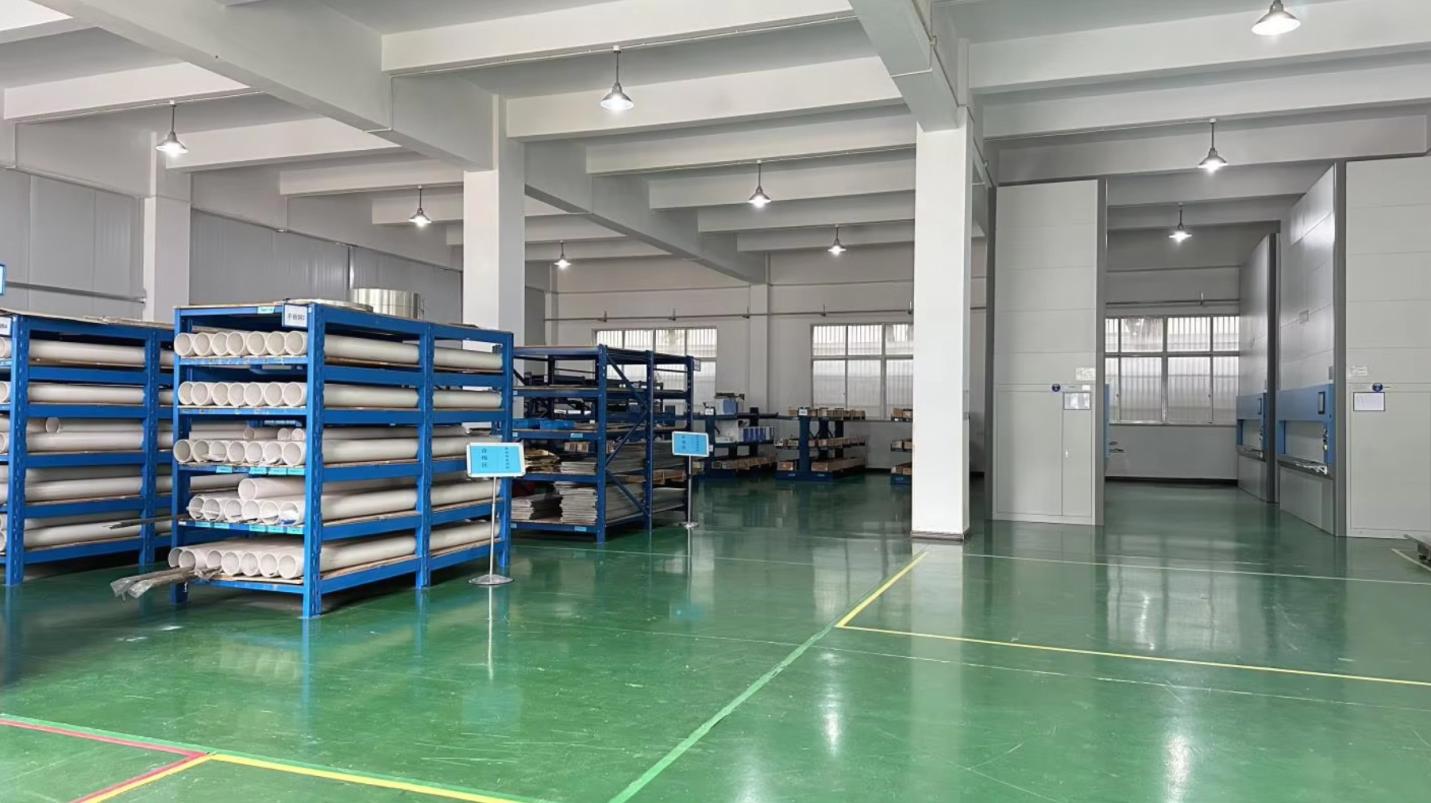
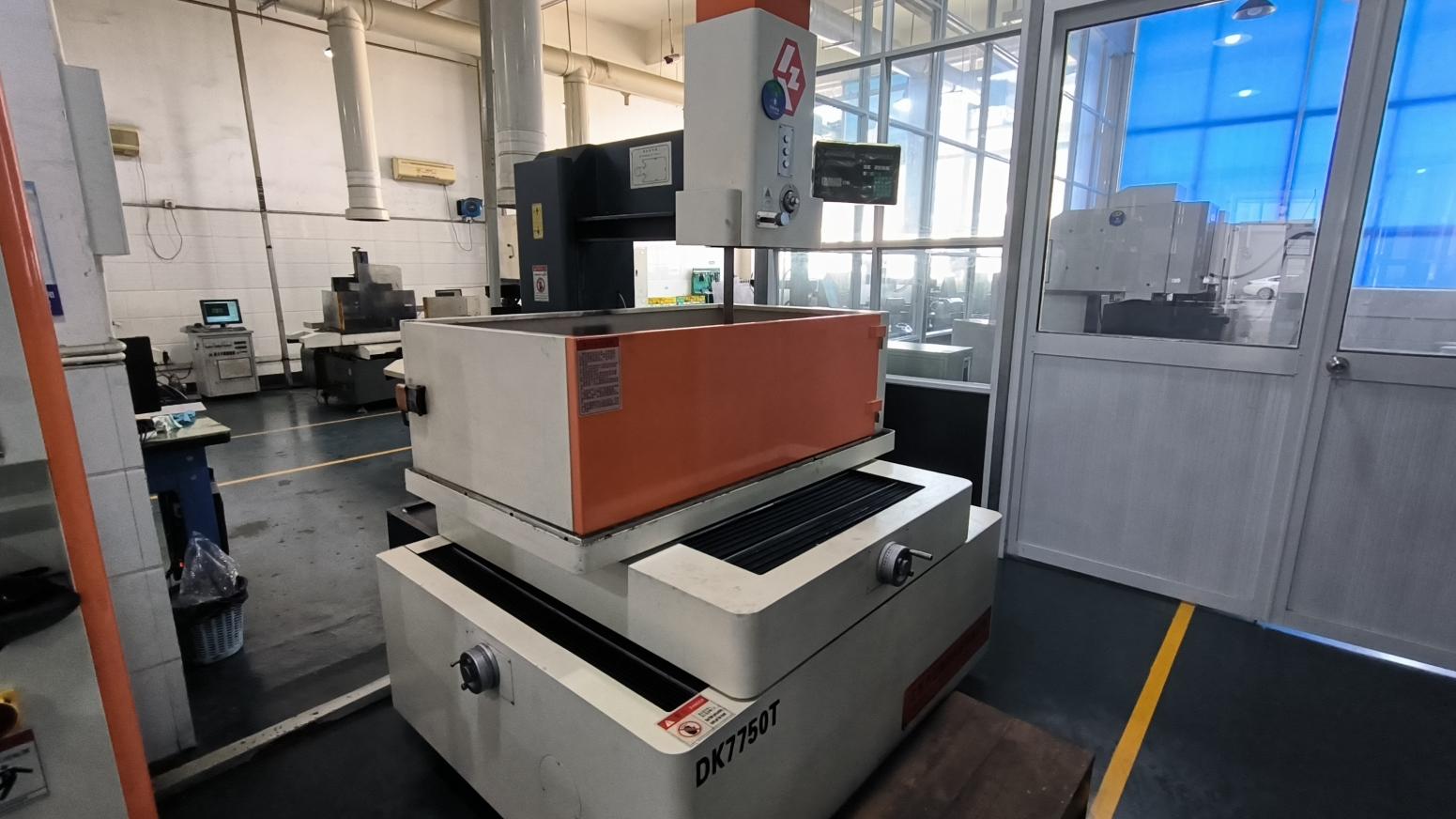
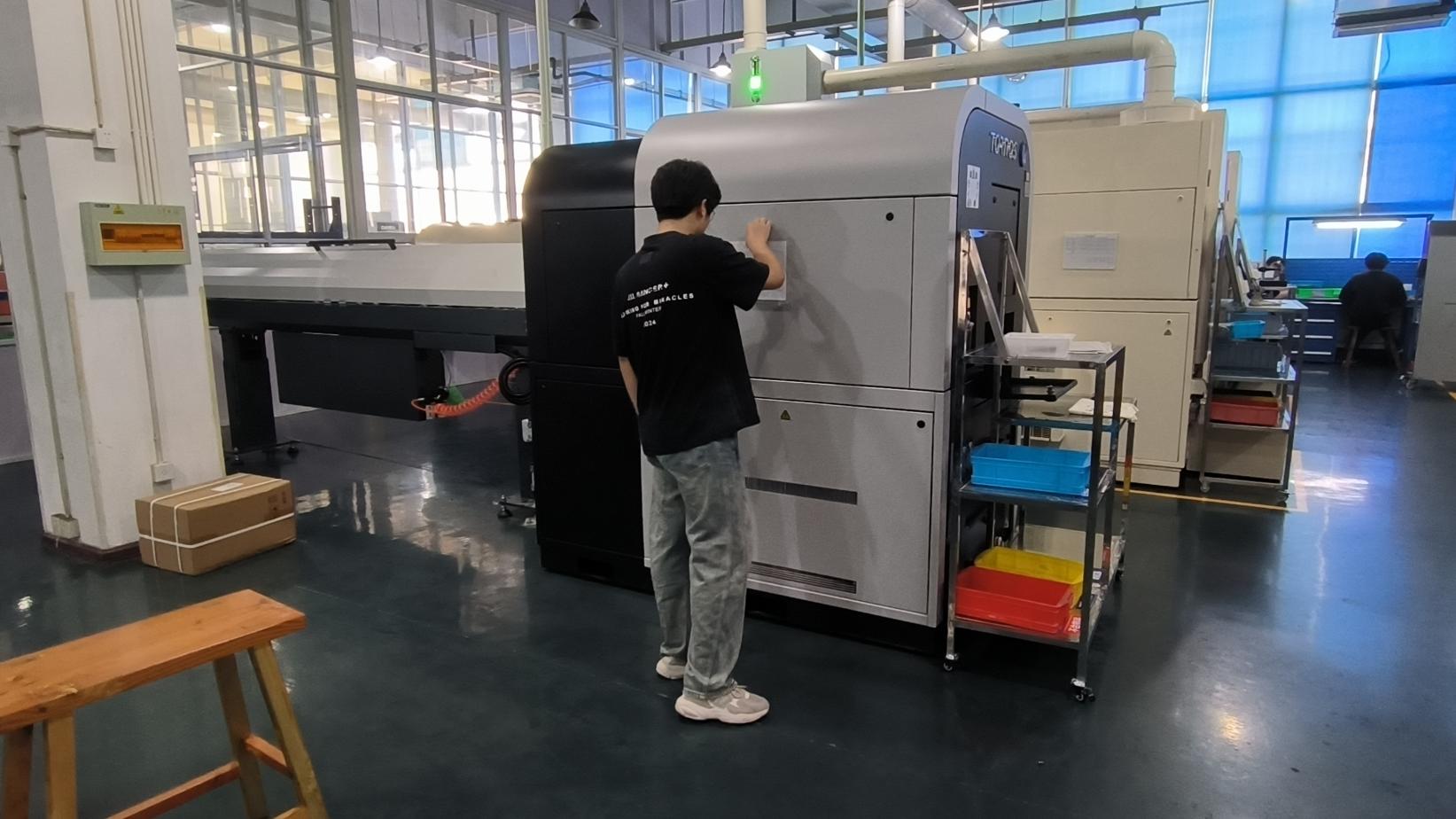
China's medical device manufacturing sector has undergone a profound transformation. No longer just a source of high-volume manufacturing, advanced Chinese facilities leverage high-speed multi-axis CNC Swiss machining centers, cleanrooms operating under ISO Class 5/7 standards, and fully integrated metallurgical laboratories.
Our facility represents the pinnacle of this industrial evolution. Utilizing premium medical-grade Titanium and PEEK raw materials, we enforce absolute traceability on every batch. Modern wire-cutting processes, high-vacuum cleaning stages, and sterilization validation procedures ensure that every interference screw dispatched meets or exceeds strict international clinical standards.
To date, our products have been widely used in dozens of countries across Asia, Latin America, Africa, and Europe, and have gained recognition from local distributors and surgeons. This widespread adoption is backed by our robust engineering support, helping surgeons select optimized screw profiles for customized anatomical needs.
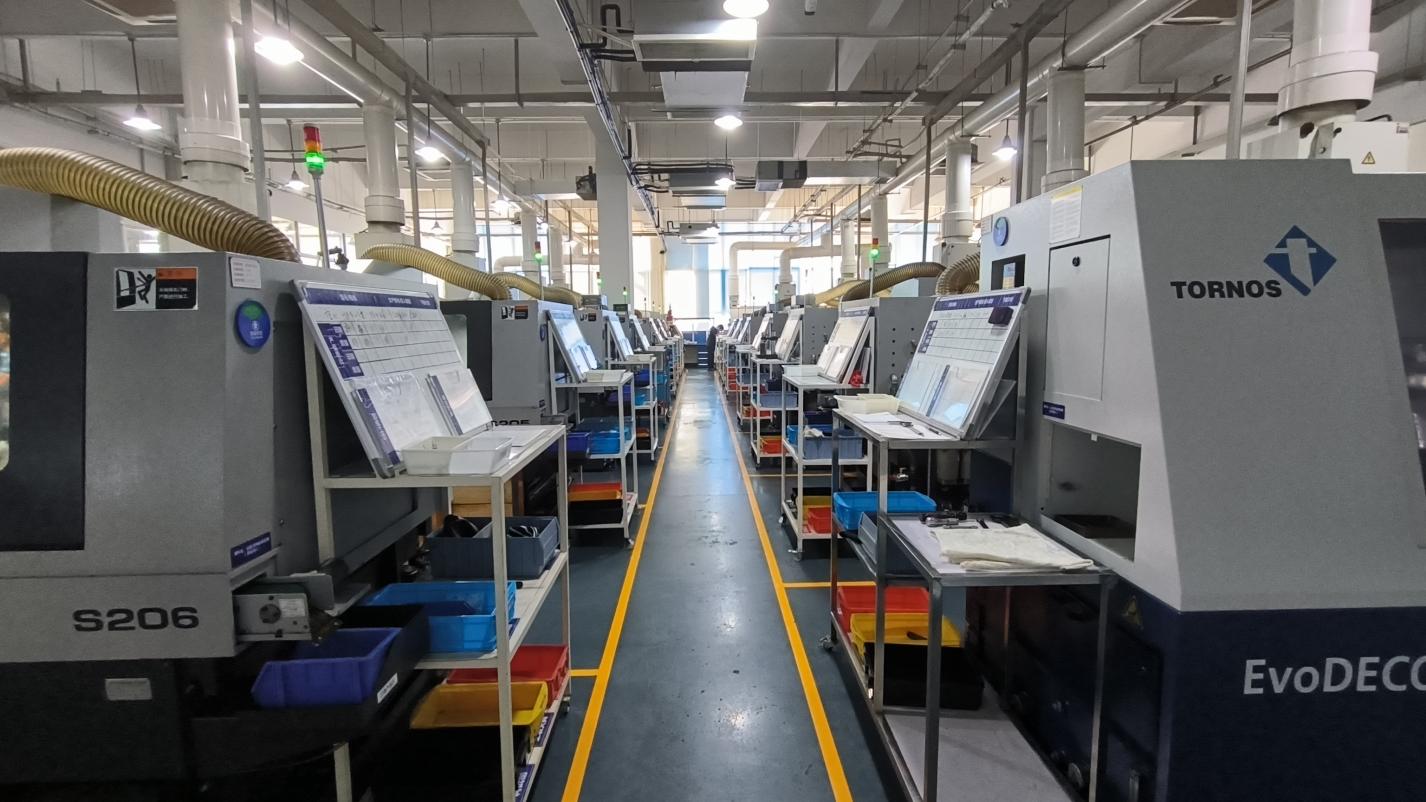
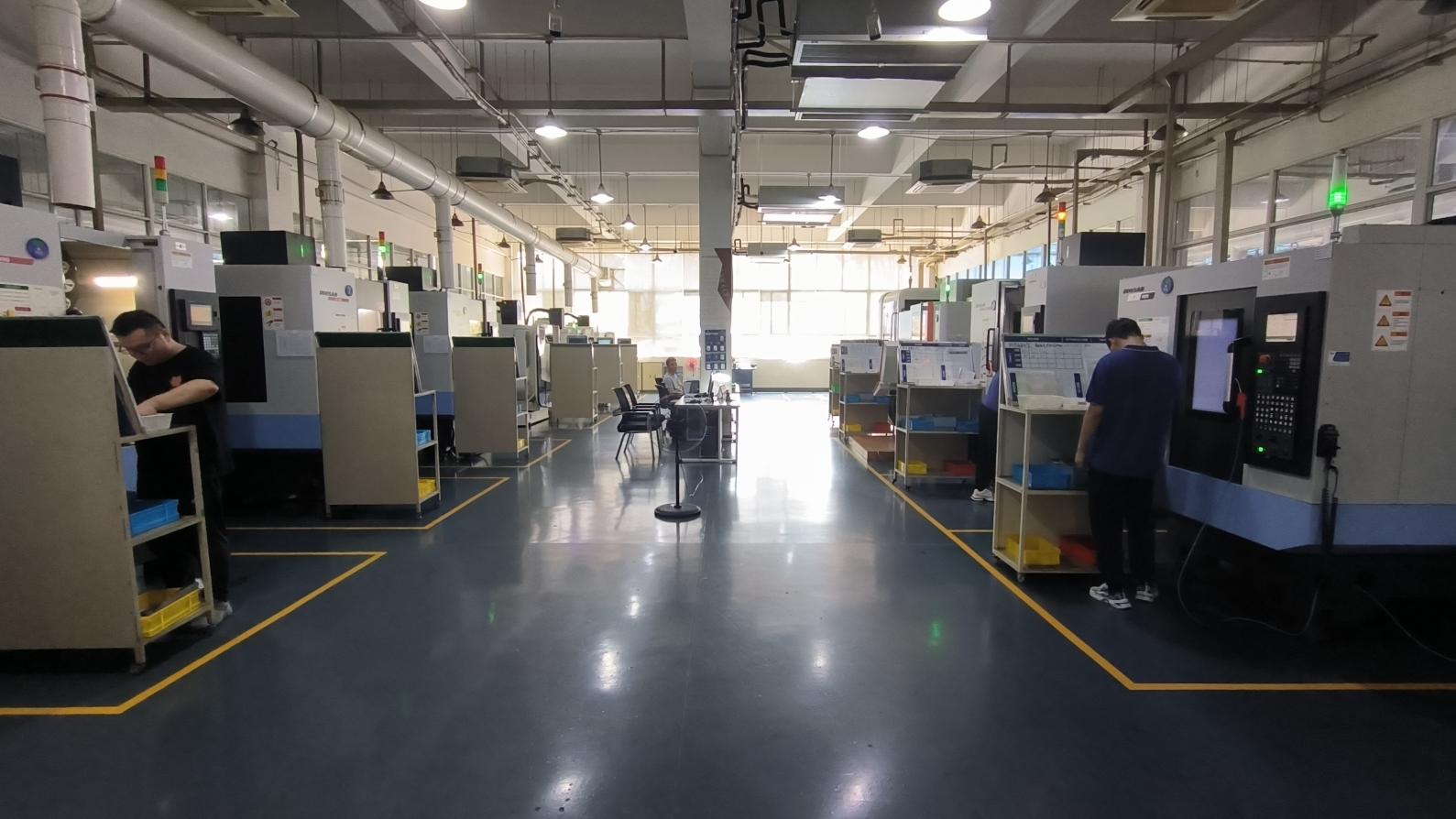
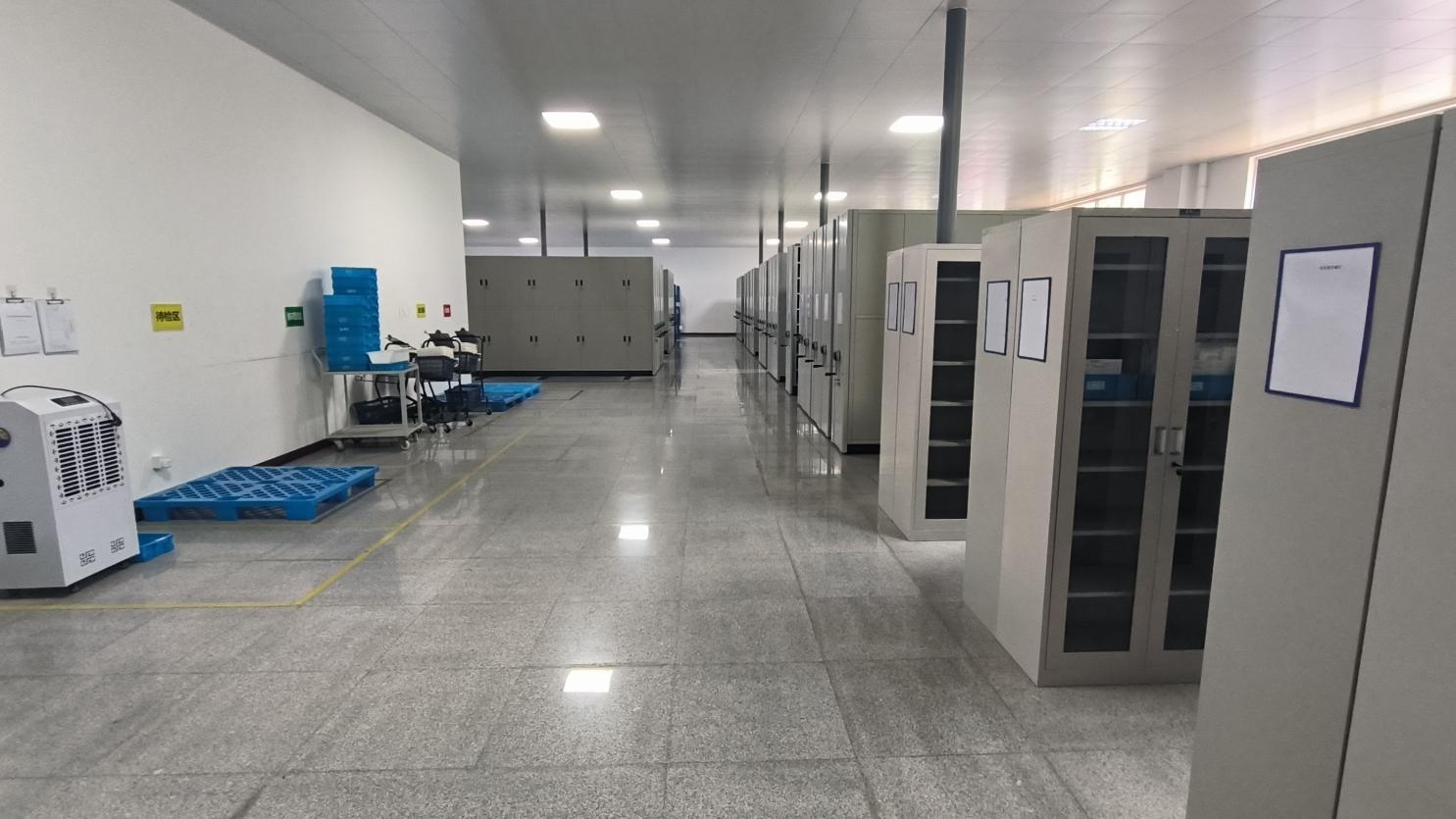

Pioneering the future of reconstructive surgery via personalized medical devices fabricated with advanced additive manufacturing.
A major strength of the company lies in its expertise in 3D printing and customization. With advanced technology, the company is able to create personalized medical devices that perfectly fit each patient. This customization not only enhances treatment outcomes but also improves patient comfort and overall satisfaction.
By integrating CT and MRI imaging data, our engineering team constructs exact 3D models of patient anatomy. Using Selective Laser Sintering (SLS) and electron beam melting, we fabricate titanium implants with optimized porous structures that accelerate osseointegration. This ensures that customized joint replacements, maxillofacial splints, and specialty screws achieve unmatched primary stability in complex reconstructive cases.
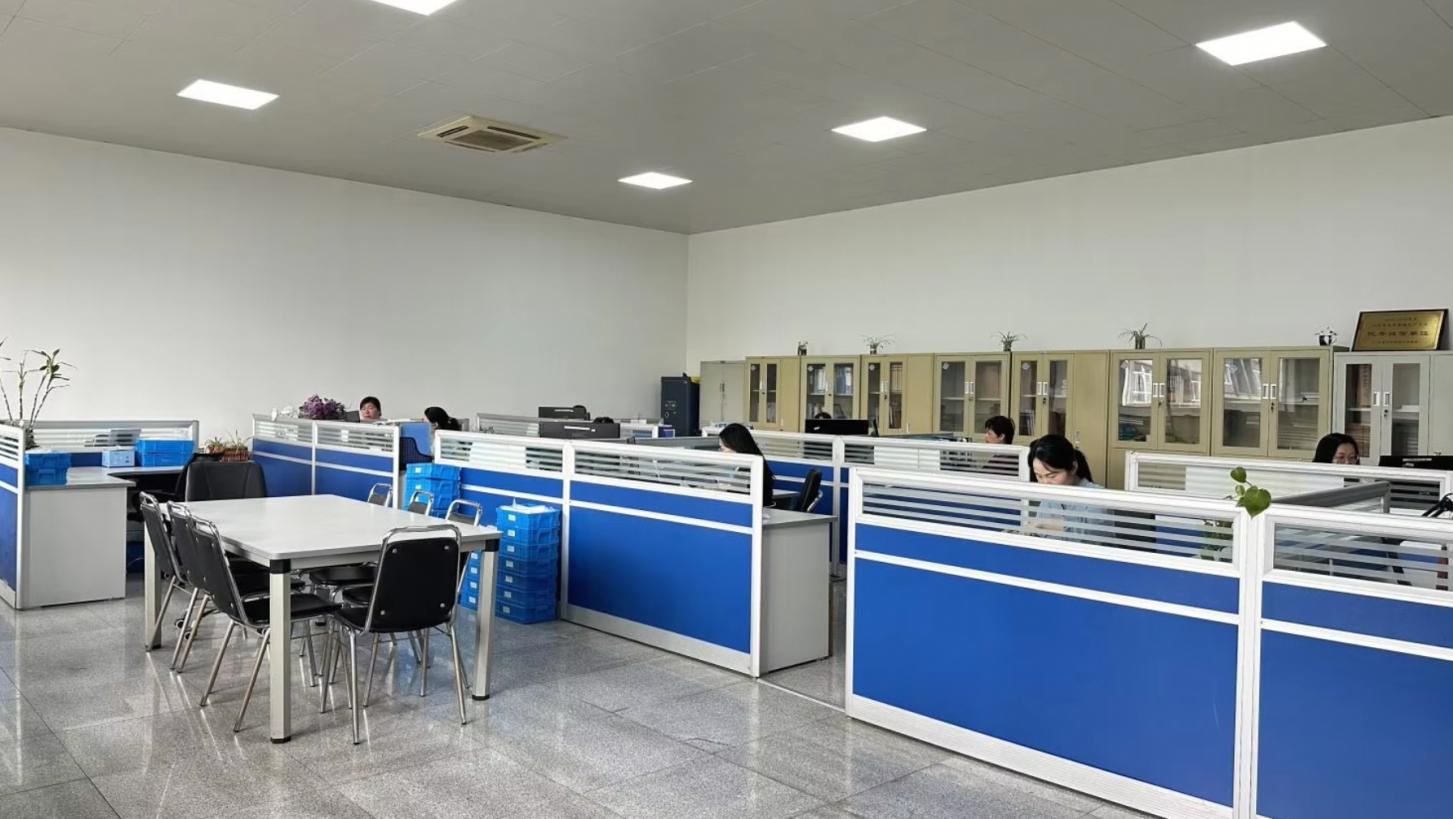
Our dedicated team of 100 Senior and Medium Technicians works closely with orthopedic surgeons worldwide to design, prototype, and manufacture custom instrumentation and implants, solving anatomical abnormalities that standard off-the-shelf devices cannot address.

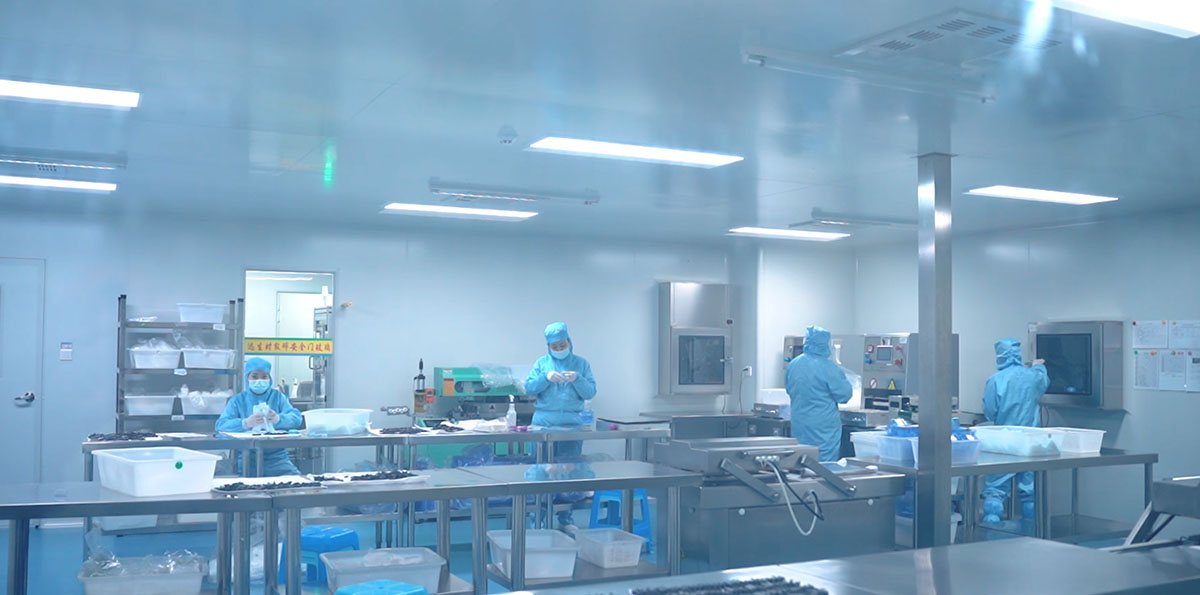
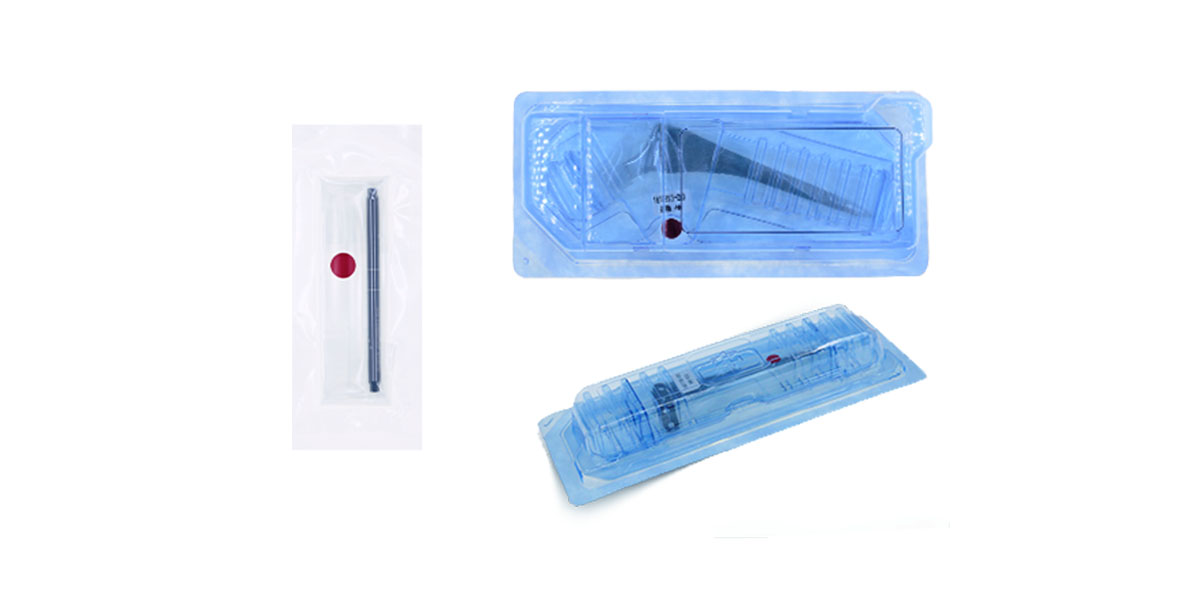
Addressing the procurement challenges, quality regulations, and strategic supply lines for global hospital chains and medical device distributors.
Compliance with ISO 13485:2016, MDR CE, and FDA guidelines is mandatory for orthopedic medical devices. Our manufacturing lines implement advanced optical inspection systems and Coordinate Measuring Machines (CMM) to verify dimensional accuracy down to ±5 microns.
We provide full-spectrum OEM and ODM services, allowing global distributors to customize thread pitches, driver interface shapes (e.g., star drive, hex, or torx), cannulation diameters, and custom-designed sterilization trays to accompany surgical screw sets.
Operating robust supply lines with regional warehousing options across Europe, South America, and Asia ensures expedited delivery for critical surgeries. Our logistics support manages export documentations, customs clearance, and sterile packaging preservation.
In the wake of shifting regulatory landscapes globally, medical procurement officers face the challenge of sourcing high-grade implants that balance clinical success with economic viability. Partnering with a vertically integrated Chinese manufacturer ensures raw materials access, stable pricing, and rapid prototype-to-production cycles that keep surgical departments fully equipped.
Expert answers addressing the clinical, mechanical, and regulatory questions from surgeons and medical distributors.
A continuation of our comprehensive portfolio, providing surgeons with advanced spine, joint, trauma, and rehabilitation solutions.
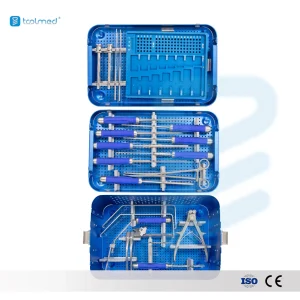
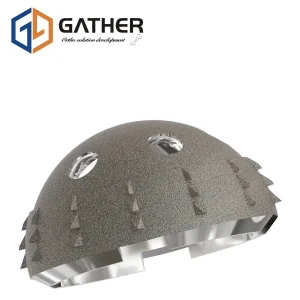
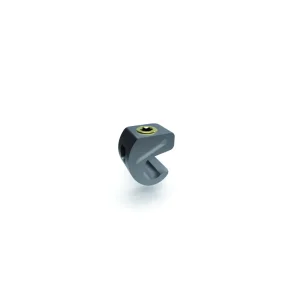
 Axton Orthopedic Implants