Axton Orthopedic Implants
1 / 5
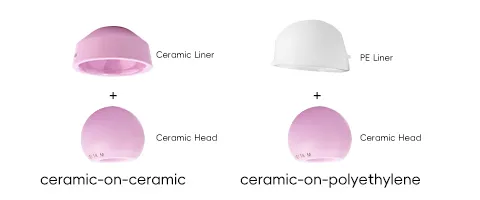
Modern implants utilize advanced bearing surfaces like ceramic-on-ceramic or ceramic-on-polyethylene, which are highly wear-resistant. This greatly extends the implant's lifespan and reduces the long-term risk of revision surgery.
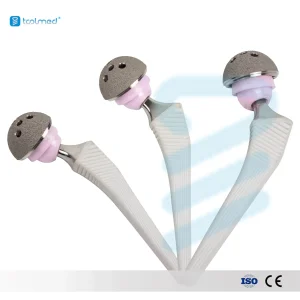
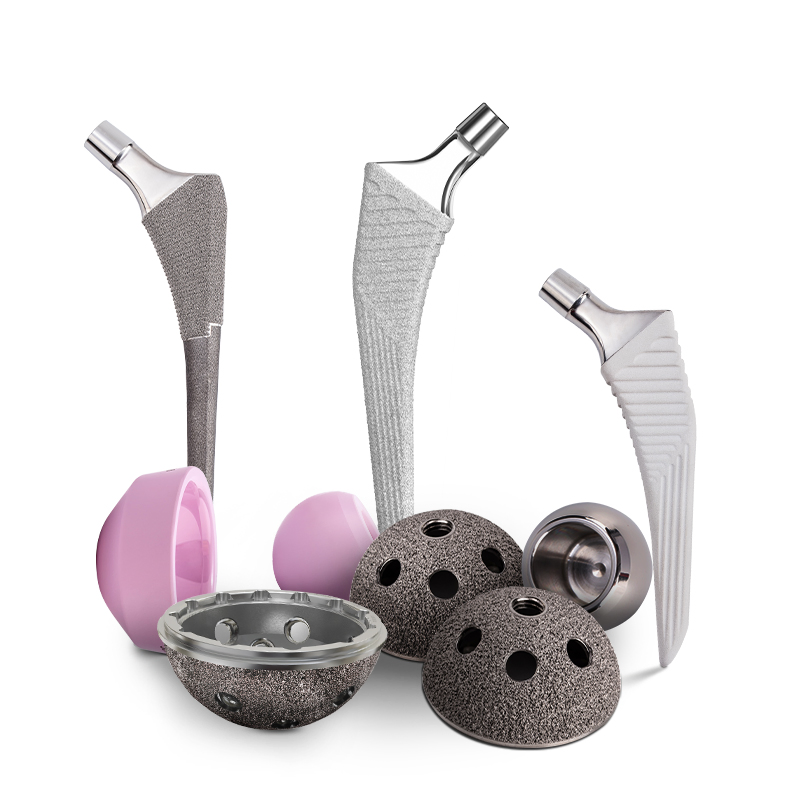
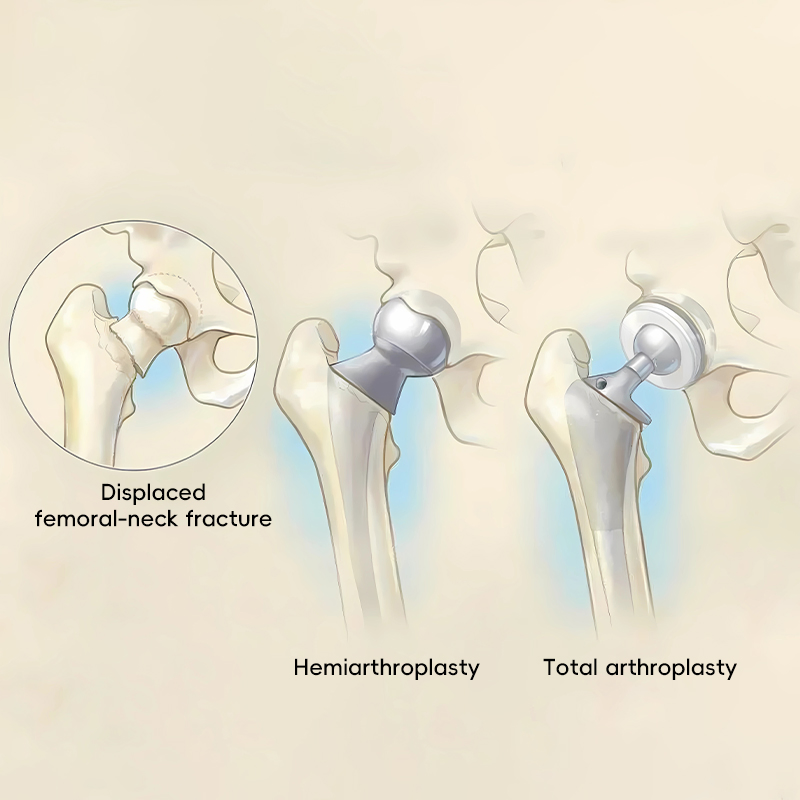
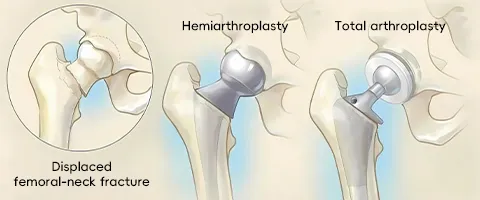
The product portfolio covers both hemiarthroplasty (replacing only the femoral head) and total replacement (replacing both femoral head and acetabulum), providing surgeons with maximum choice.
Through a modular model design system, surgeons can tailor the procedure for each patient like "assembling parts," ensuring precise anatomical fit.
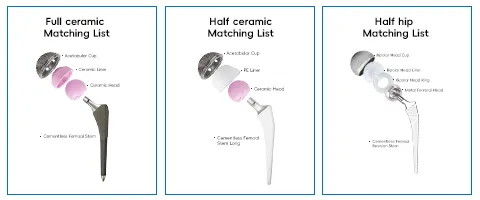
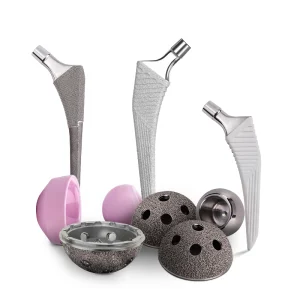
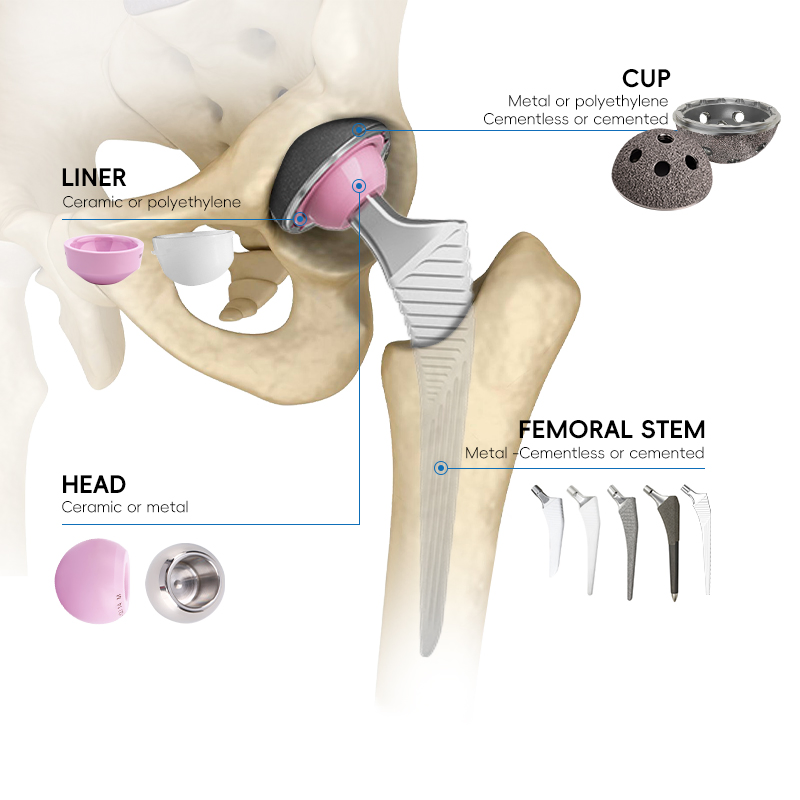
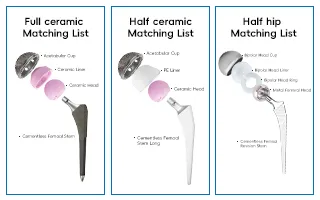
Each product has a clear matching list that strictly defines which models of femoral heads, stems, acetabular cups, and liners can be safely combined.
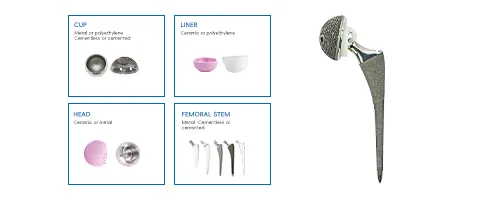
| Component | Introduction |
|---|---|
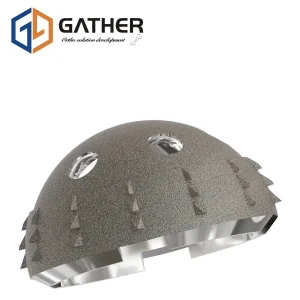
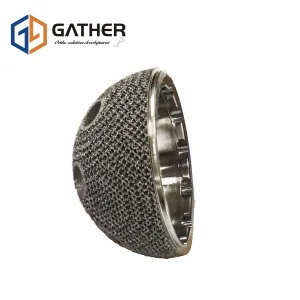
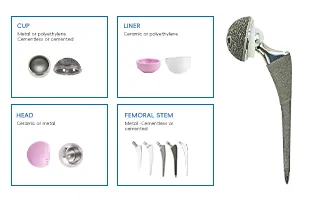
| Acetabular Cup | The "bowl" or "socket" component. Implanted into the pelvis to replace damaged articular cartilage. Typically porous metal (titanium) to encourage osseointegration. |
| Acetabular Liner | A wear-resistant insert fitted inside the metal cup. Serves as the bearing surface. Made from highly cross-linked polyethylene or ceramic to minimize friction. |
| Femoral Head | The spherical ball component that replaces the natural femoral head. Rotates within the liner to enable range of motion. Made of hard ceramic or polished metal. |
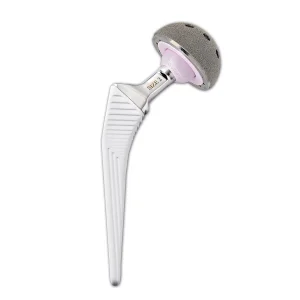
| Femoral Stem | Inserted into the femur for stability. Features a tapered connection for the head. Usually made from titanium or cobalt-chromium alloys. |