Cervical discectomy, specifically Anterior Cervical Discectomy and Fusion (ACDF), remains the gold standard for treating degenerative disc disease, herniated discs, and cervical spondylotic myelopathy. As a leading exporter in the spinal medical device sector, we recognize that the demand for high-quality Cervical Discectomy Devices is accelerating globally. This growth is driven by an aging population, rising incidences of spine-related disorders, and the continuous refinement of surgical techniques that prioritize minimally invasive approaches.
To date, our products have been widely used in dozens of countries across Asia, Latin America, Africa, and Europe. This global footprint is not merely a result of competitive pricing but stems from our commitment to E-E-A-T (Experience, Expertise, Authoritativeness, and Trustworthiness). We have gained recognition from local distributors and surgeons who require more than just a product; they require a partner in clinical excellence.
A major strength of the company lies in its expertise in 3D printing. With advanced additive manufacturing, we create personalized cervical implants that match patient-specific anatomy, enhancing osseointegration and reducing the risk of subsidence.
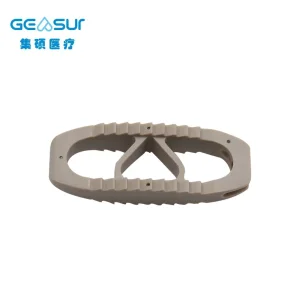
Utilizing high-grade PEEK (Polyetheretherketone) and Titanium-coated systems. Our products focus on the balance between radiolucency for imaging and the mechanical strength required for spinal stability.
Our manufacturing processes adhere to ISO 13485 standards. We ensure that every batch of cervical discectomy devices undergoes rigorous sterilization (non-EO options available) and fatigue testing.
Understanding local clinical needs is paramount. In high-volume trauma centers (common in emerging markets), the priority is ease of instrumentation and rapid stabilization. In developed healthcare markets, the focus shifts toward "Quality of Life" metrics, favoring motion-preserving technologies and 3D-printed porous structures that mimic bone trabeculae.
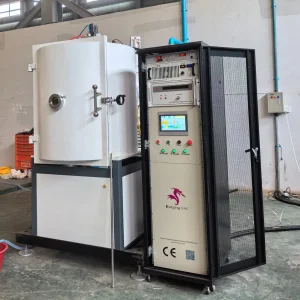
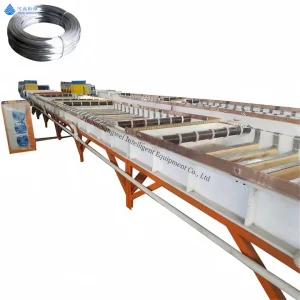
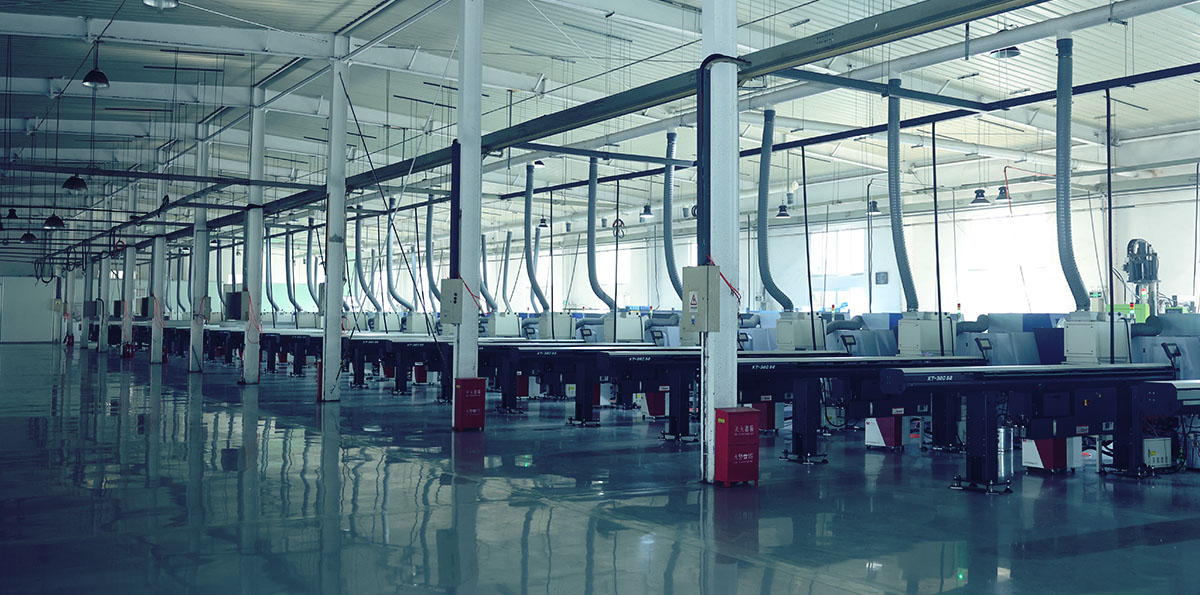
The Chinese orthopedic supply chain has evolved from "mass production" to "high-precision innovation." Our facility integrates raw material sourcing (Medical Grade Titanium/PEEK), advanced wire cutting, and magnetron sputtering systems under one roof. This vertical integration provides:
The next decade of cervical discectomy will be defined by "Smart Implants" and "Bio-Harmonization." Our R&D roadmap focuses on three critical pillars:
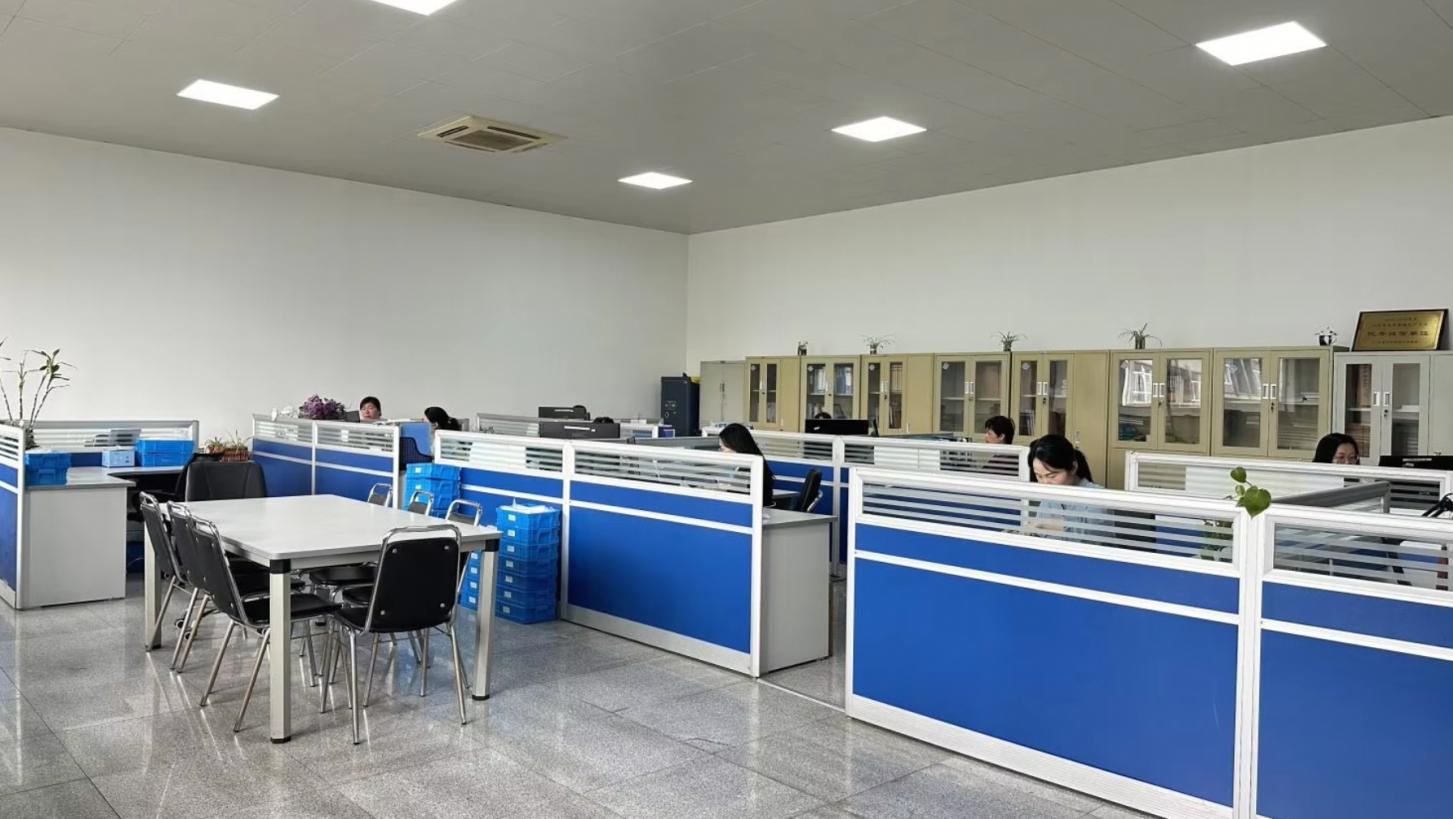
Raw Material Inspection
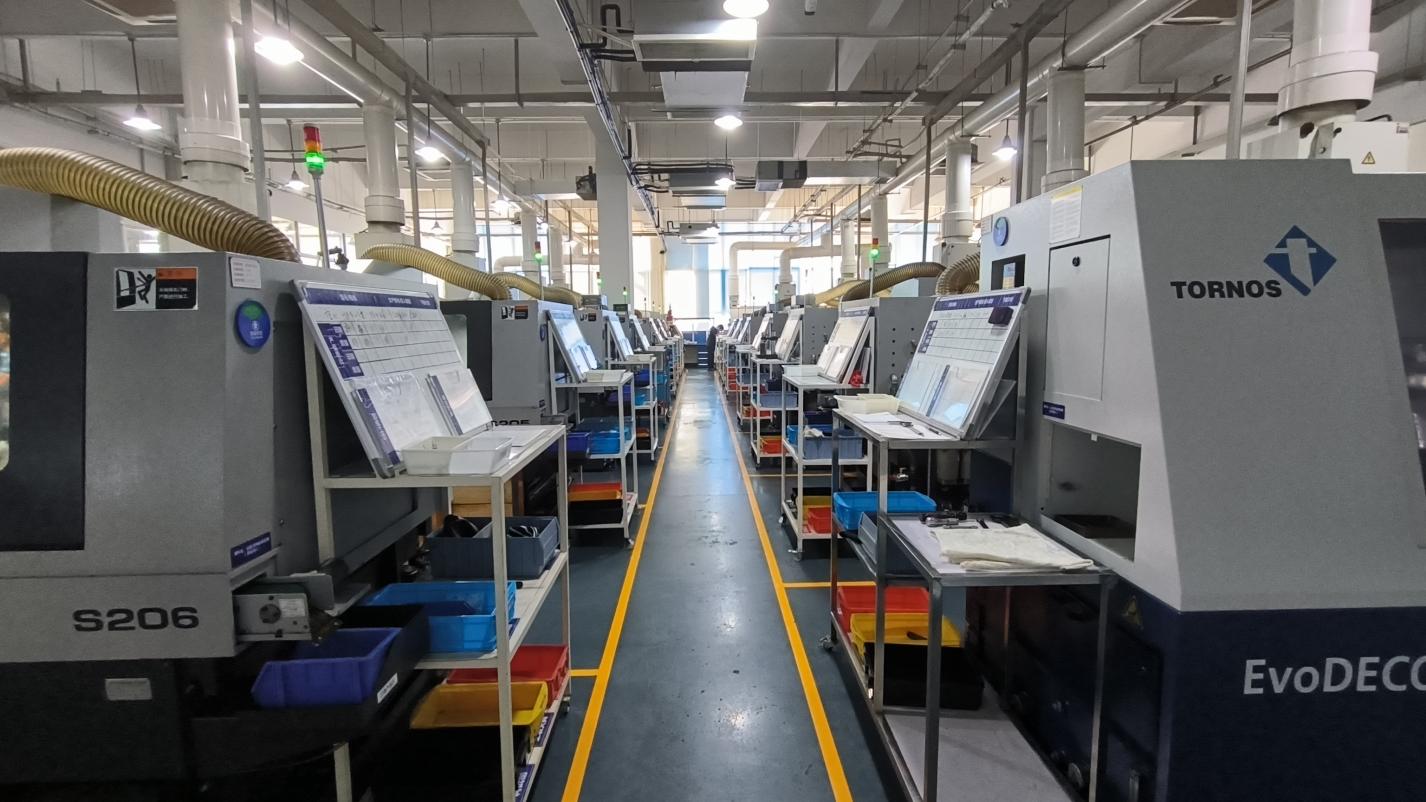
Precision Machining
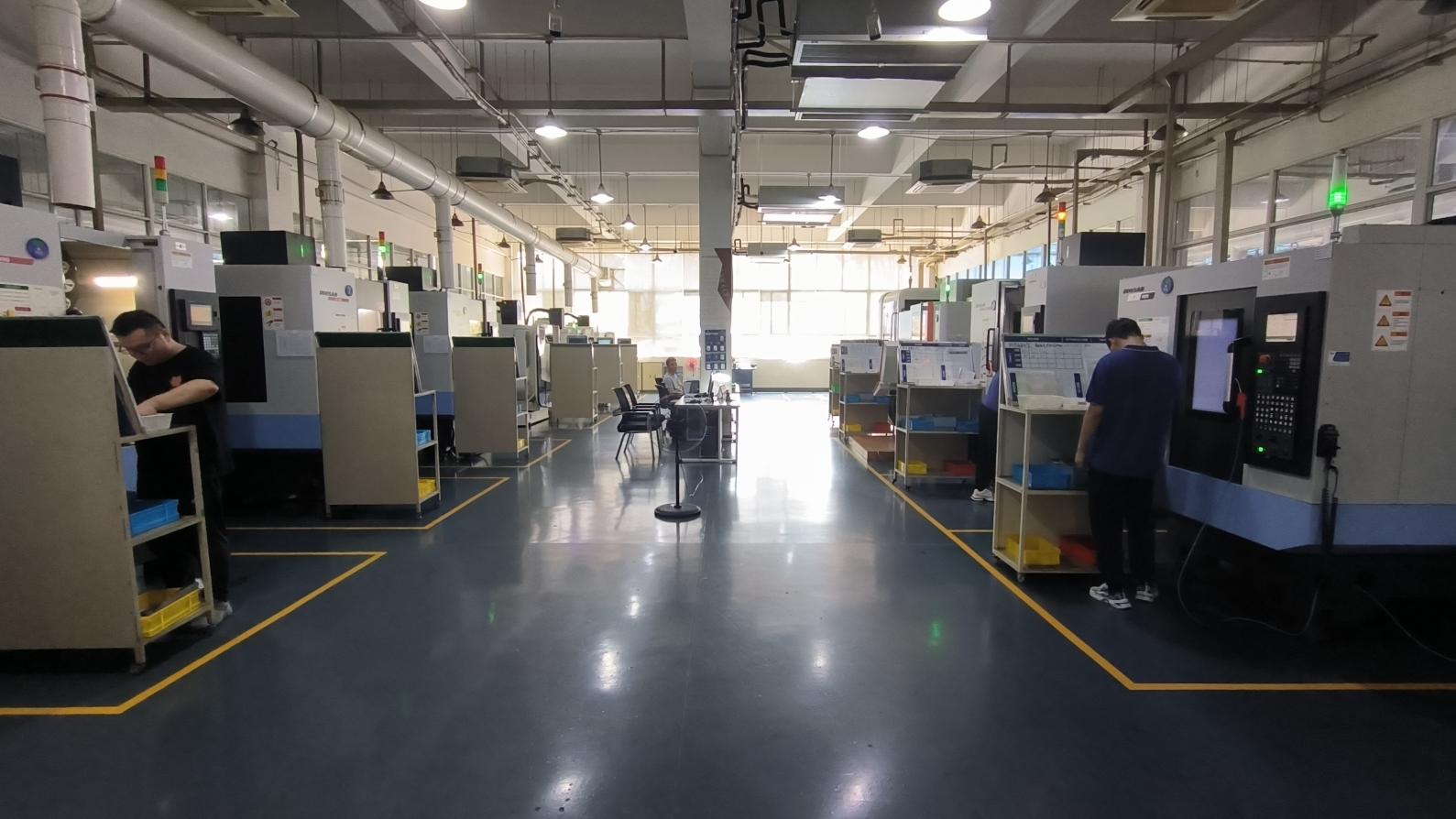
Quality Verification
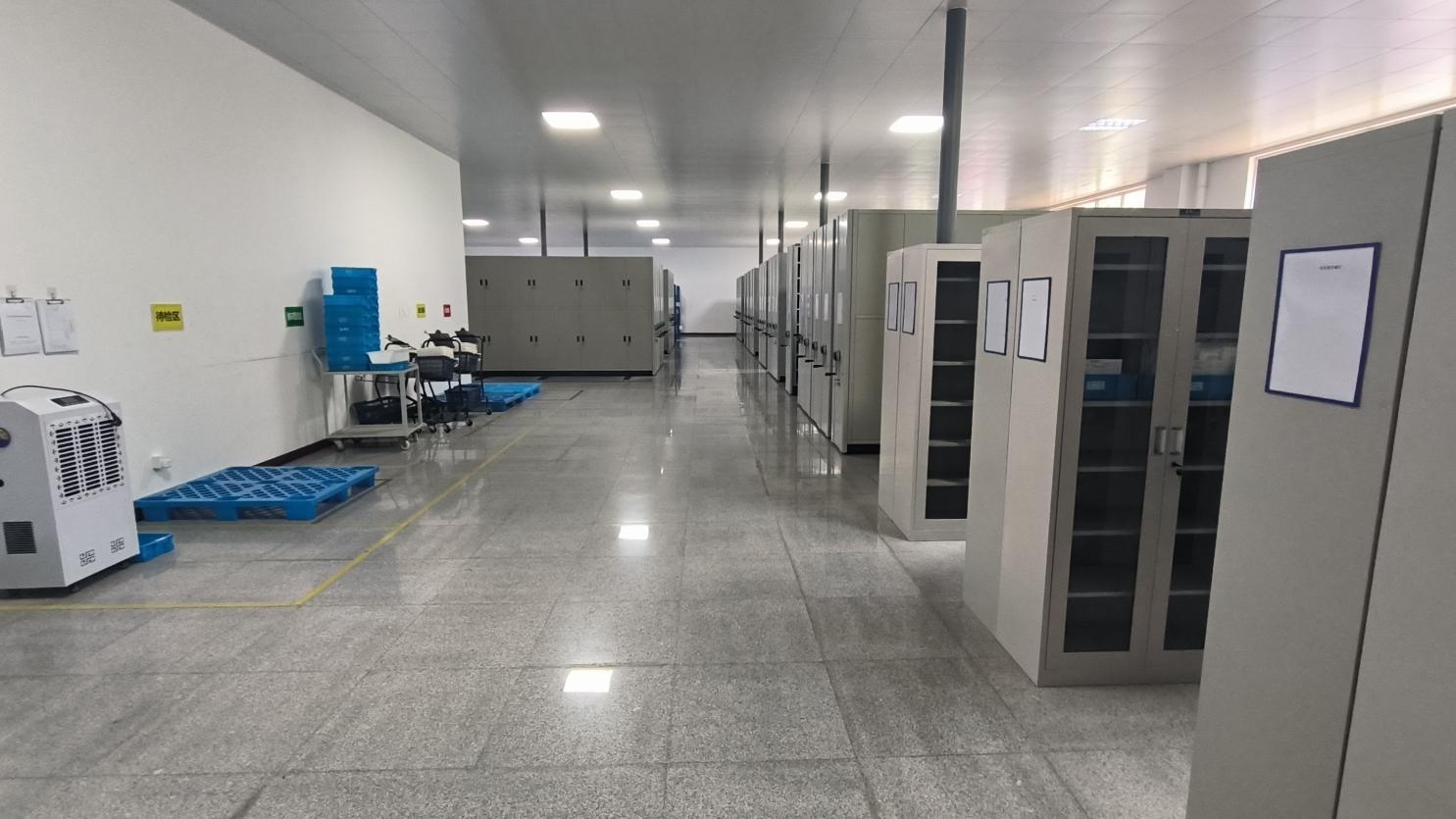
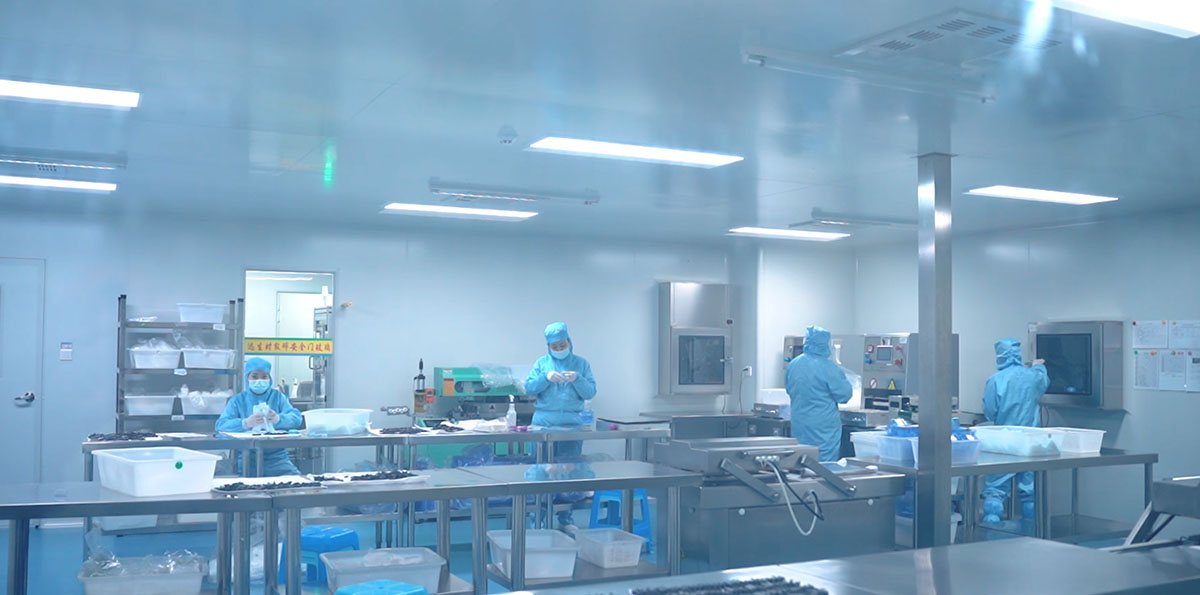
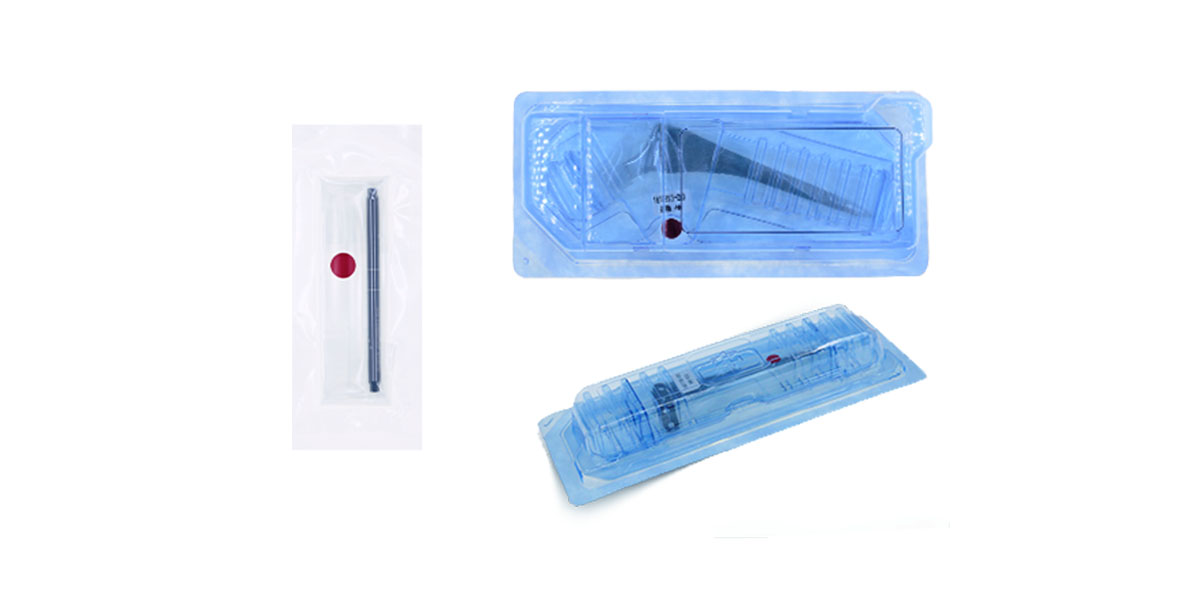
Sterile Packaging
A: While Titanium is traditional, PEEK (Polyetheretherketone) is highly favored for its modulus of elasticity similar to bone and its radiolucent properties, allowing surgeons to monitor fusion progress clearly via X-ray.
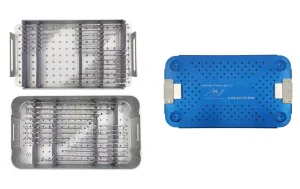
A: Yes, with our 13+ years of experience and 100+ technicians, we provide comprehensive OEM services including custom instrumentation sets and patient-specific implant design.
A: Standard implants are typically dispatched within 7-10 days. Custom 3D-printed solutions require 14-21 days depending on the complexity and regulatory verification needed.
A: Our instruments and implants are designed following international standards (ISO/CE), ensuring high compatibility with standard surgical workflows used globally.
 Axton Orthopedic Implants