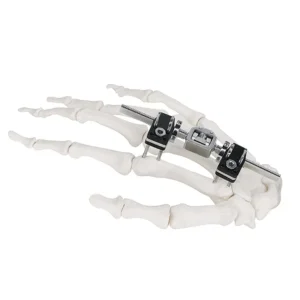
Advanced Hand and Foot Fixation Systems for Complex Uzbekistan Trauma Cases
Uzbekistan is rapidly emerging as a pivotal hub for medical device manufacturing and distribution within the CIS region. Under the ambitious "Strategy Uzbekistan 2030," the nation is prioritizing the localization of pharmaceutical and medical instrument production. Tashkent, the capital, has become a focal point for high-tech medical parks, attracting international expertise to produce essential orthopedic tools like Mini External Fixators for Hand and Foot trauma.
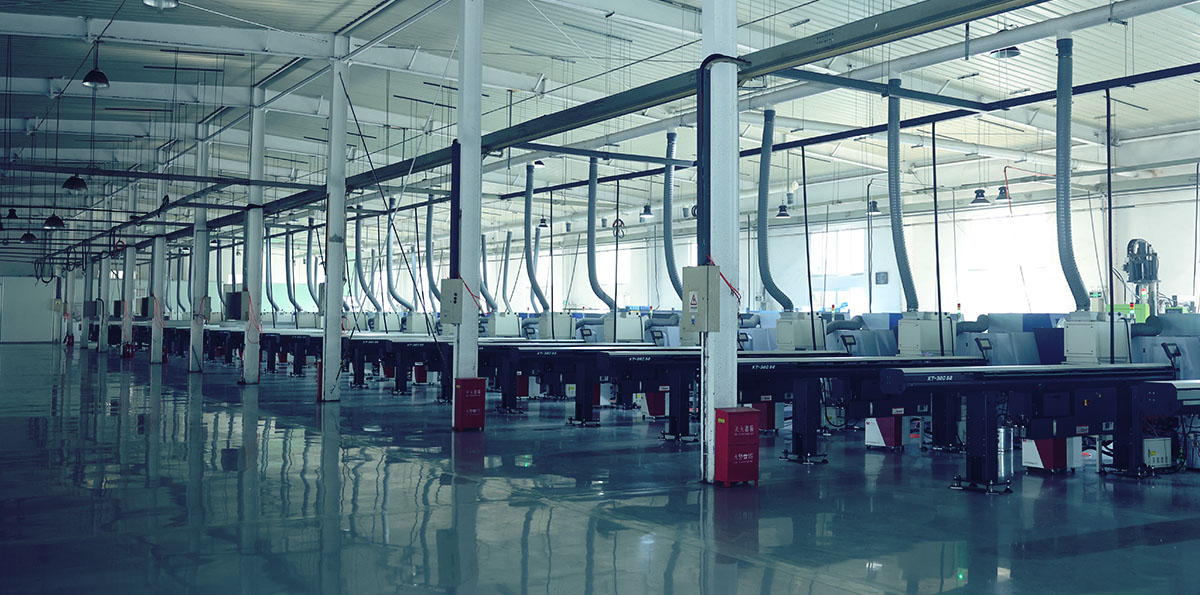
The industrial landscape in Uzbekistan is shifting from pure importation to a sophisticated model of "Assemble & Innovate." Factories in Samarkand and Tashkent are now collaborating with global technology leaders to implement 3D printing and precision CNC machining for surgical implants. This shift is driven by the increasing demand for high-quality, cost-effective trauma solutions in local hospitals such as the Republican Specialized Scientific and Practical Medical Center for Traumatology and Orthopedics.
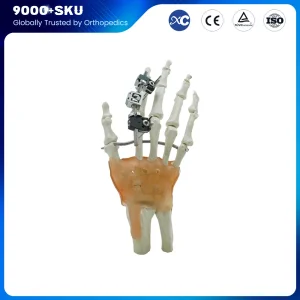
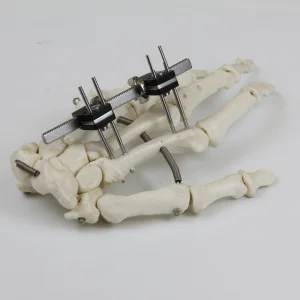
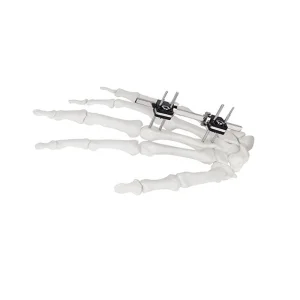
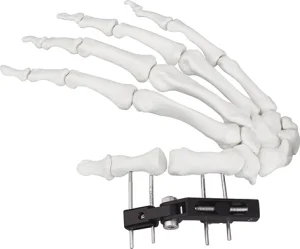
Surgeons in Tashkent and Namangan are increasingly adopting mini-fixation systems for high-energy phalangeal and metacarpal fractures, moving away from traditional wire fixation which often lacks the required stability for early mobilization.
Through strategic partnerships, factories in Uzbekistan are leveraging medical-grade titanium alloys to produce fixators that meet international CE and ISO standards, ensuring safety for the domestic population.
Located at the heart of the Silk Road, Uzbekistan exporters are ideally positioned to supply neighboring markets including Kyrgyzstan, Tajikistan, and Afghanistan with rapid lead times and localized technical support.
The global trend toward personalized medicine has reached Uzbekistan’s shores. By utilizing AI-driven preoperative planning software, surgeons can now simulate the placement of Mini External Fixators before the first incision is made. This "Digital Twin" approach allows for the creation of custom-fit templates, significantly reducing operating room time and improving anatomical alignment in complex hand and foot deformities.
Modern mini fixators are designed for percutaneous application. In industrial regions of Uzbekistan where hand injuries from machinery are common, these devices provide the rigid stability needed for "early active motion" protocols. This is crucial for workers to return to their livelihoods faster, minimizing the economic impact of workplace accidents.
Advanced factories are exploring anodic oxidation of titanium components to improve osseointegration and reduce the risk of pin-tract infections. For foot applications, where weight-bearing stresses are higher, the trend is toward hybrid systems that combine the stability of external fixation with the low profile of internal mini-screws.
To date, our products have been widely used in dozens of countries across Asia, Latin America, Africa, and Europe, and have gained recognition from local distributors and surgeons. In Uzbekistan, our partnership with local clinics has enabled us to provide high-end orthopedic solutions tailored to the specific anatomical needs of the region's patients.
A major strength of the company lies in its expertise in 3D printing and customization. With advanced technology, the company is able to create personalized medical devices that perfectly fit each patient. This customization not only enhances treatment outcomes but also improves patient comfort and overall satisfaction.
We offer a comprehensive range of orthopedic implants, joint implants, brushless motors, and other products specifically engineered for the rigors of modern trauma surgery.
In the Fergana Valley, agricultural machinery accidents often result in comminuted metacarpal fractures. Our mini fixators provide the necessary bridge to stabilize these "dirty" wounds where internal plating might lead to infection.
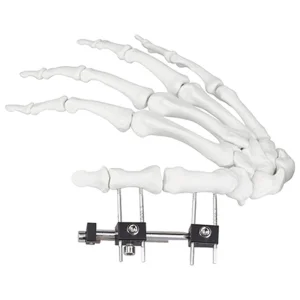
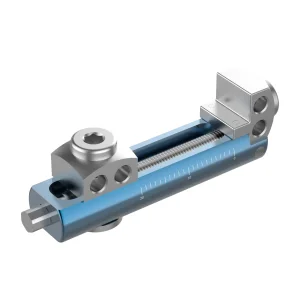
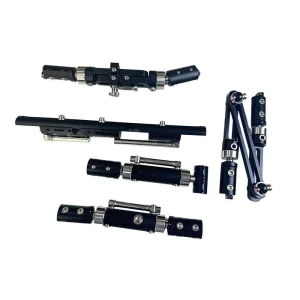
Uzbekistan has a proactive pediatric orthopedic community. Our universal compression/extension fixators are used in clinics across Samarkand for the gradual correction of pediatric foot deformities and bone lengthening.
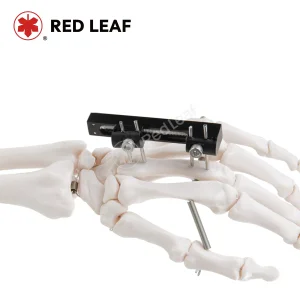
As sports culture grows in the capital, so do hand and ankle injuries among athletes. The low-profile design of our mini-rail systems allows for earlier functional recovery and rehabilitation.
Comprehensive Trauma Support Systems for Metacarpals and Phalanges
When selecting a mini external fixation system, orthopedic surgeons in the Central Asian region must consider several critical factors to ensure optimal patient outcomes. Our systems are engineered with these specific needs in mind.
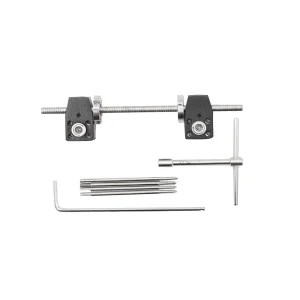
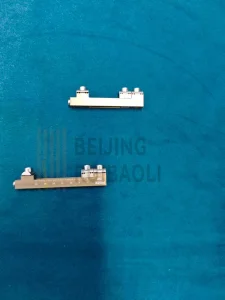
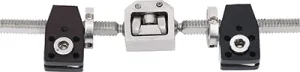
The core philosophy of mini external fixation is to maintain "bridge stability" while allowing for soft tissue management. In many Uzbekistan trauma cases involving severe crushing or contaminated open wounds, internal fixation is contraindicated. Our Unilateral Mini Finger Rail systems offer a lightweight alternative that provides rigid structural support while leaving the wound site accessible for daily dressing and monitoring.
While stainless steel is a cost-effective option, we emphasize the use of high-grade Titanium alloy for the Uzbekistan market. Titanium is MRI-compatible—a vital feature as more diagnostic imaging centers open in Tashkent—and offers a lower weight-to-strength ratio, which is essential for patients needing to carry the fixator for 6-8 weeks during healing.
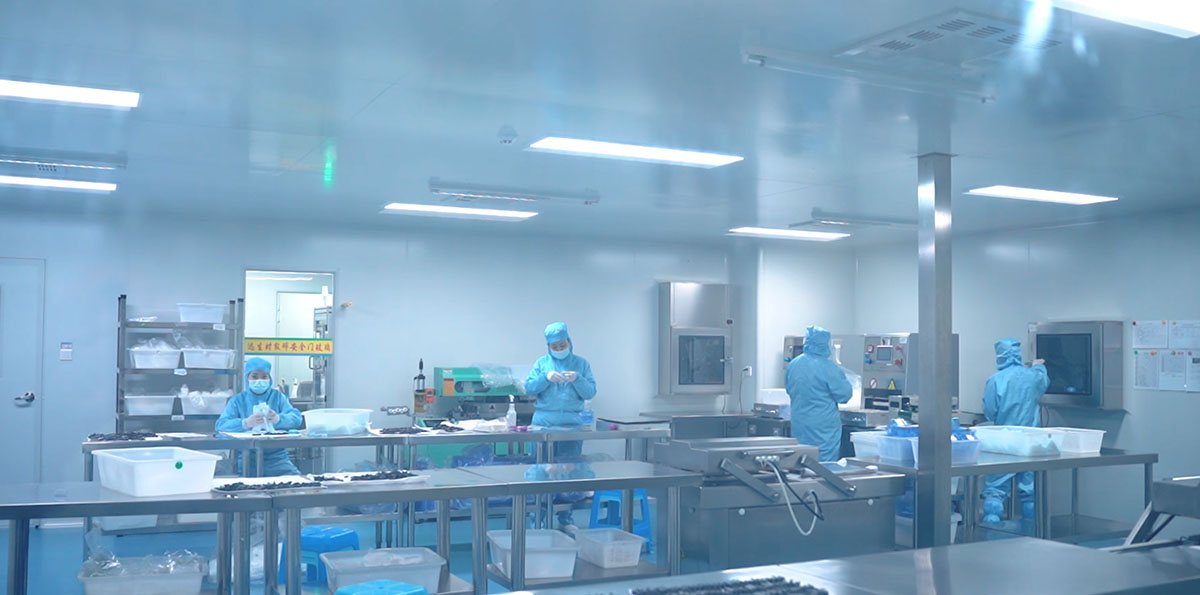
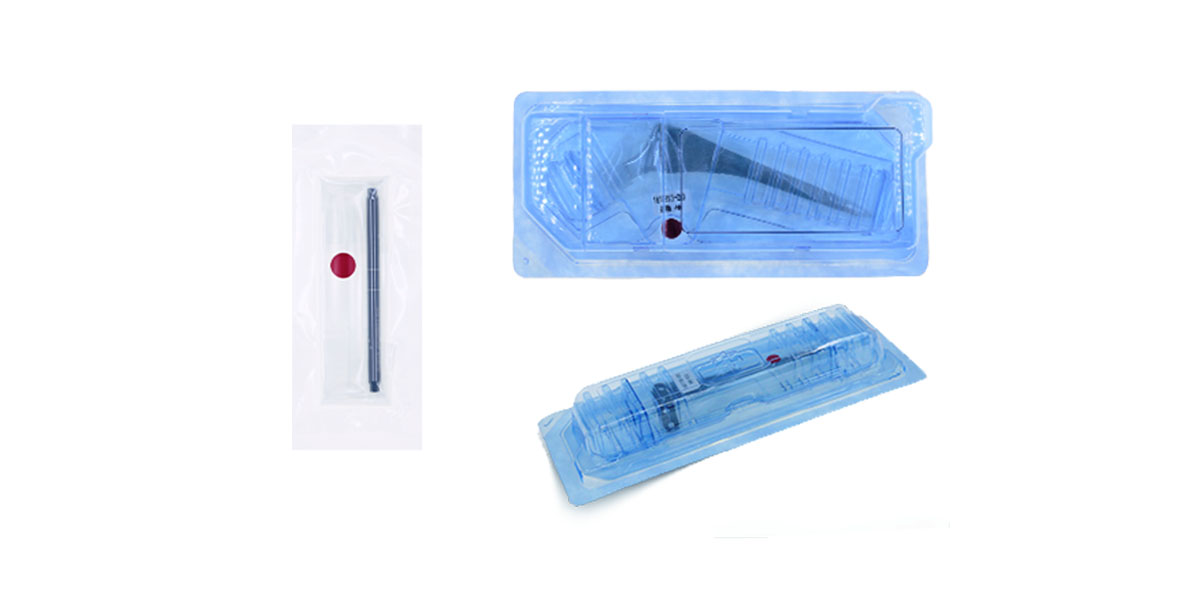
As a leading exporter, we understand the logistical complexities of shipping to landlocked Uzbekistan. We provide comprehensive documentation for the "Uzstandart" Agency and work with local logistics partners to ensure that our sterile-packed fixators arrive at their destination without compromise. Whether you are a distributor in Bukhara or a hospital administrator in Khiva, our supply chain is optimized for reliability.
Join our growing network of orthopedic distributors in Uzbekistan and Central Asia. Access high-tech implants, professional surgical training, and 24/7 technical support.
Contact our Uzbekistan Export Team Axton Orthopedic Implants