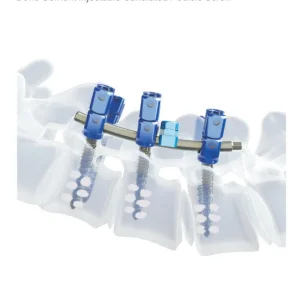
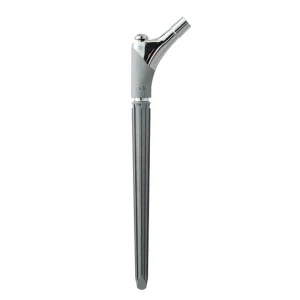
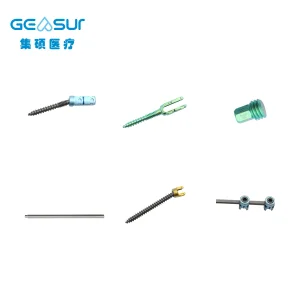
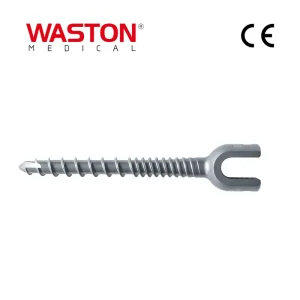
Explore our foundational range of precision orthopaedic implants, joint replacements, and specialized surgical equipment manufactured under ISO 13485 protocols.

Since our establishment in 2009, we have focused on pioneering solutions for orthopaedic reconstruction. We offer orthopedic implants, joint implants, brushless motors, and other products designed to meet the rigorous standards of modern healthcare systems.
“A major strength of the company lies in its expertise in 3D printing and customization. With advanced technology, the company is able to create personalized medical devices that perfectly fit each patient. This customization not only enhances treatment outcomes but also improves patient comfort and overall satisfaction.”
To date, our products have been widely used in dozens of countries across Asia, Latin America, Africa, and Europe, and have gained recognition from local distributors and surgeons. By bridging advanced engineering with clinical insight, we provide cost-effective yet premium-tier implant systems suitable for both primary and revision surgeries.
How additive manufacturing is revolutionizing osseointegration, biomechanical alignment, and surgical efficiency in complex shoulder arthroplasty.
By mimicking the structural architecture of human trabecular bone, our 3D-printed titanium implants facilitate immediate mechanical interlocking and rapid capillary infiltration, achieving superior secondary biological fixation.
We translate patient DICOM data from CT scans into 3D reconstructions. This allows the fabrication of customized glenoid components and humeral stems that directly accommodate bone defects and asymmetric erosion.
Our customization ecosystem delivers sterile, single-use, 3D-printed cutting and drilling guides. These alignment tools map out precise entry angles, optimizing glenosphere placement and preserving native host bone.
Modern shoulder joint reconstruction demands a diverse implant portfolio. Anatomic Total Shoulder Arthroplasty (aTSA) relies on the patient's intact rotator cuff musculature. However, in cases of severe rotator cuff arthropathy, Reverse Shoulder Arthroplasty (RSA) shifts the biomechanical center of rotation medially and inferiorly. This shift allows the deltoid muscle to compensate for the damaged rotator cuff, restoring active elevation and abduction.
Our manufacturing capability encompasses both configurations, providing options with variable lateralization offsets, standard or neck-preserving humeral stems, and highly cross-linked polyethylene (HXPE) inserts that minimize osteolytic wear particle generation over long-term patient follow-ups.
Our commitment to material science, surface modification, and continuous R&D to achieve optimal wear performance and structural longevity.
Conforming strictly to ASTM F136 standards, this biocompatible alloy provides high fatigue strength, an elastic modulus closer to cortical bone, and exceptional corrosion resistance within biological environments.
We process ultra-high-molecular-weight polyethylene treated with electron-beam irradiation to cross-link polymer chains. This process drastically reduces friction and linear wear, ensuring joint mobility over millions of cycles.
Utilized for humeral heads and glenosphere articulating surfaces due to its superior hardness and surface finish, limiting abrasive wear against the polyethylene liner.
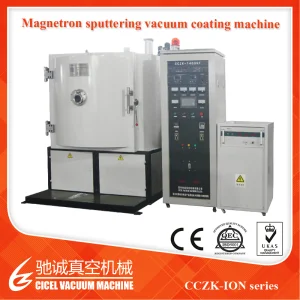
Integrating chemical and structural coatings is key to the longevity of cementless joint implants. Our technology roadmap incorporates vacuum plasma spray (VPS) systems and hydroxyapatite (HA) crystalline coatings. These surface treatments create a bioactive interface that stimulates rapid osteoblast migration and direct bone bonding, which helps prevent aseptic loosening—the leading cause of long-term joint implant failure.
Additionally, we utilize advanced coating technologies such as magnetron sputtering chrome and vacuum deposition systems. These systems are used to apply dense, wear-resistant, and low-friction barrier coatings to both metallic components and specialized plastic surgical instrumentation.
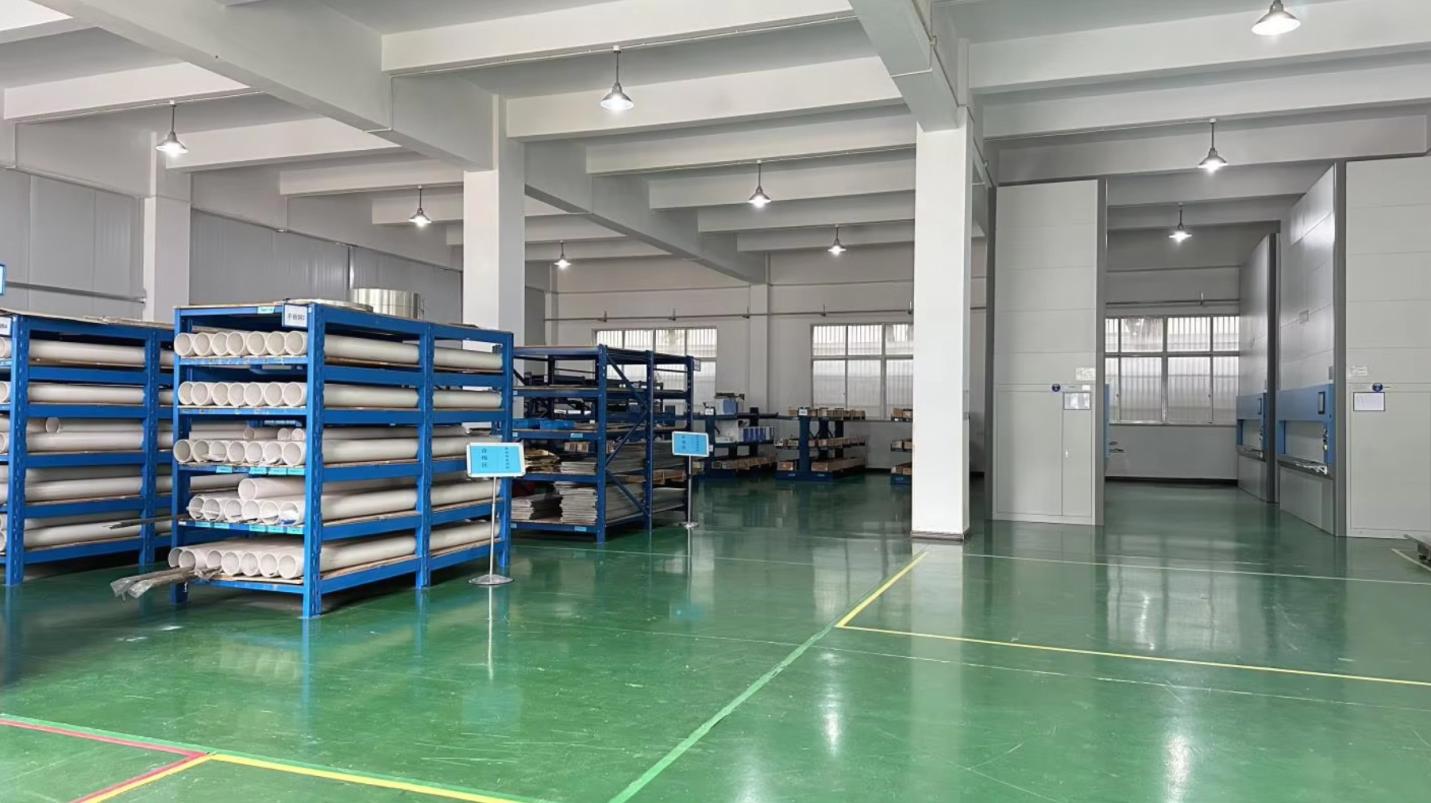
Inside our production facilities, where state-of-the-art automation, rigorous material traceability, and precision tooling converge.
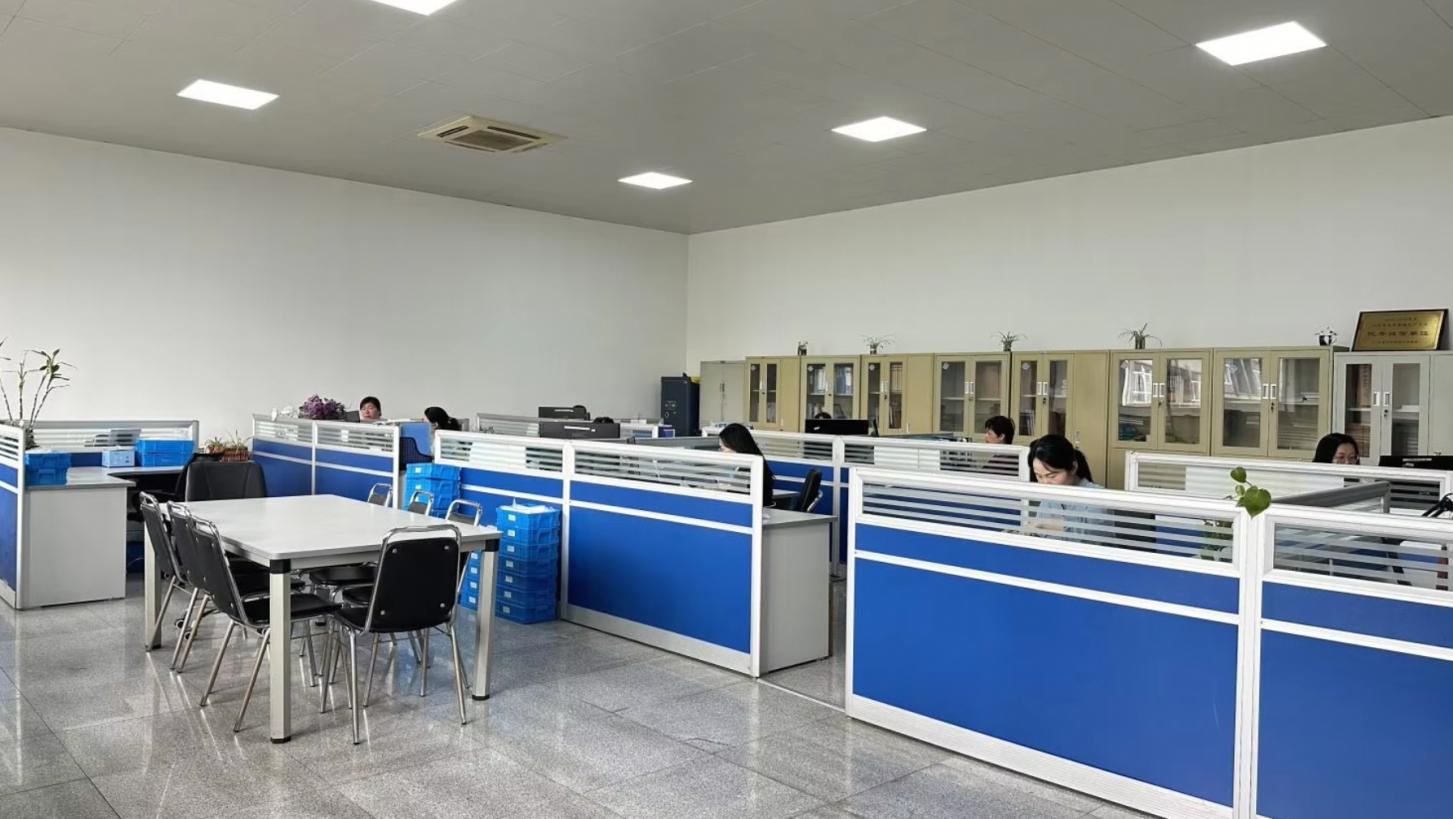
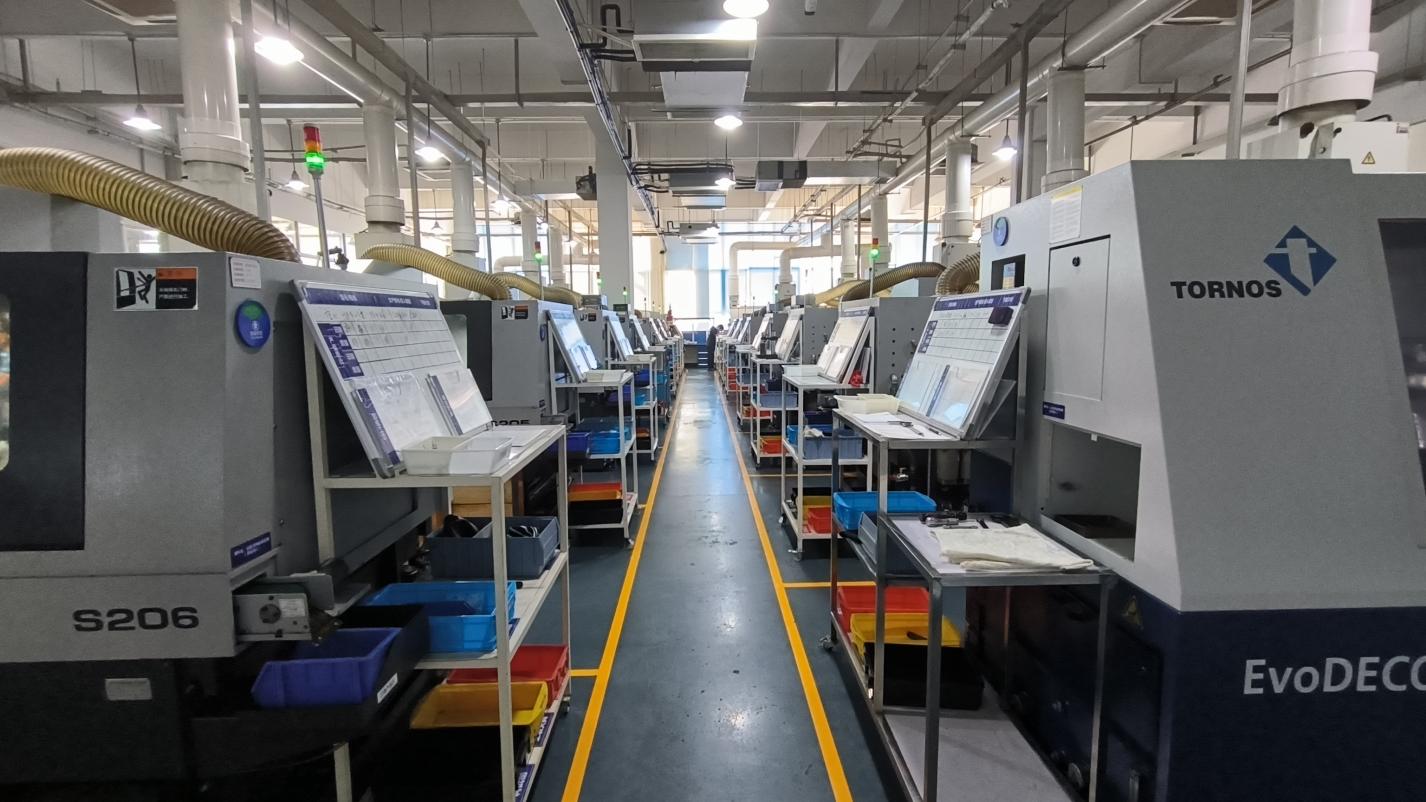
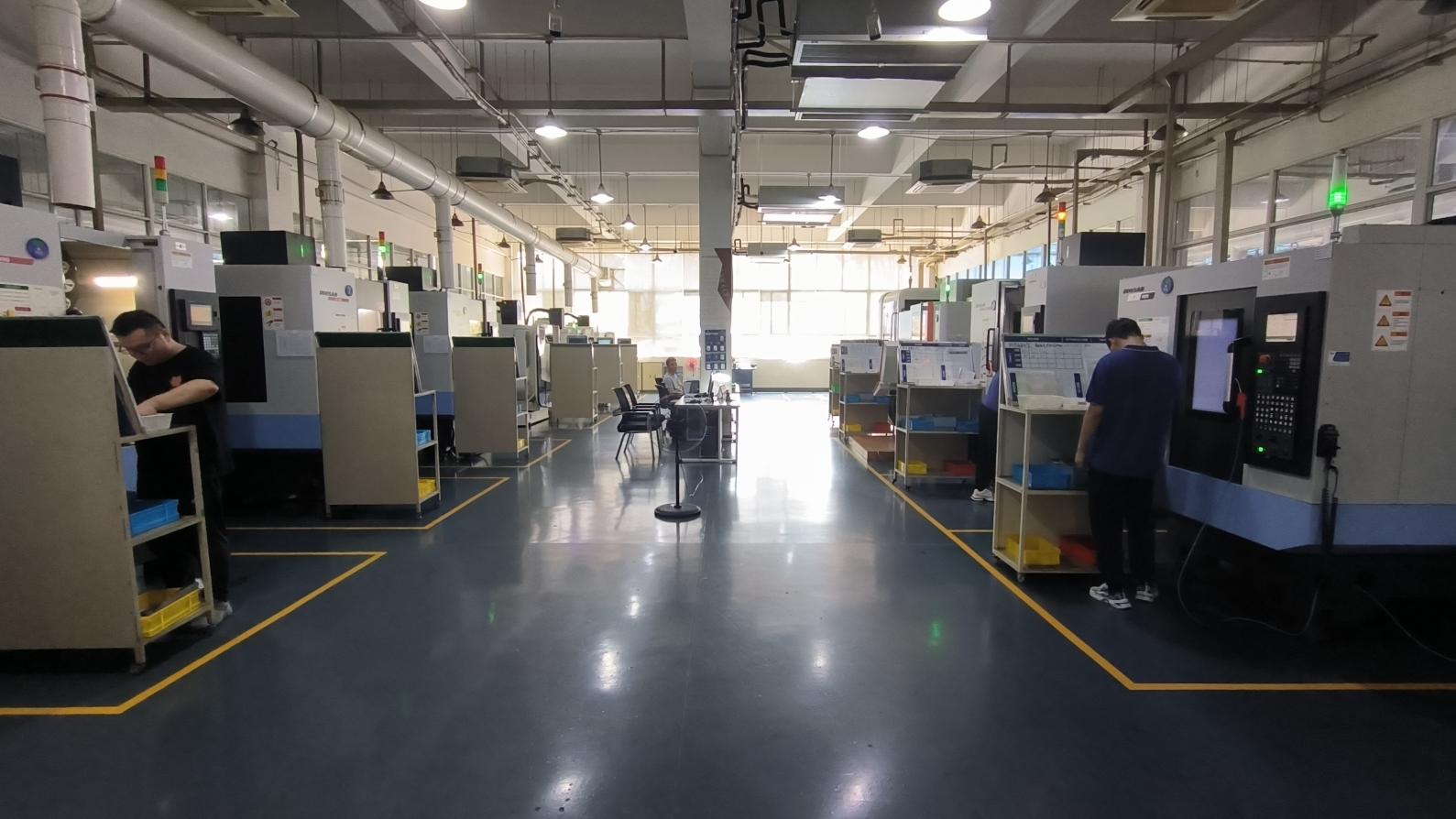
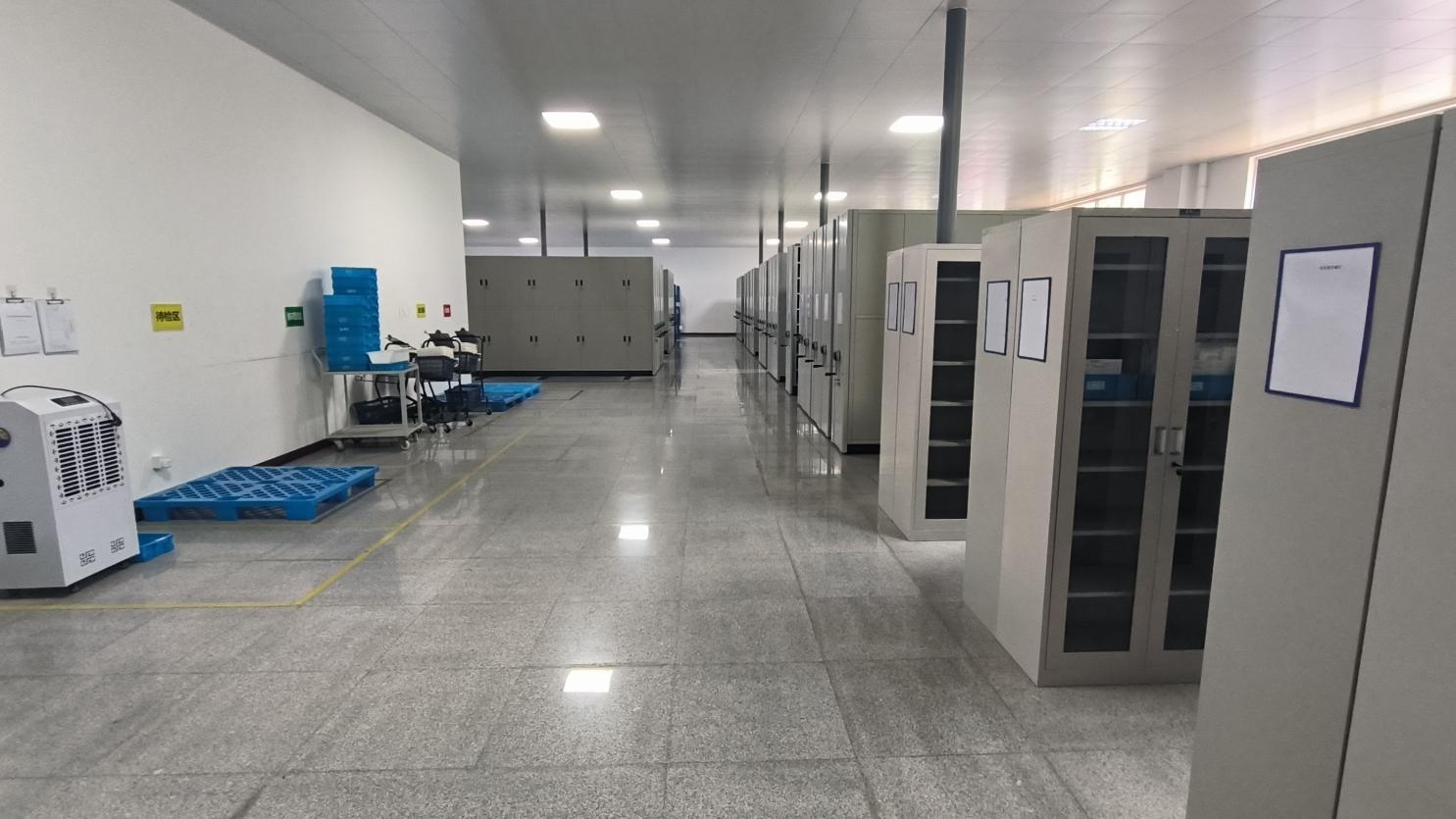

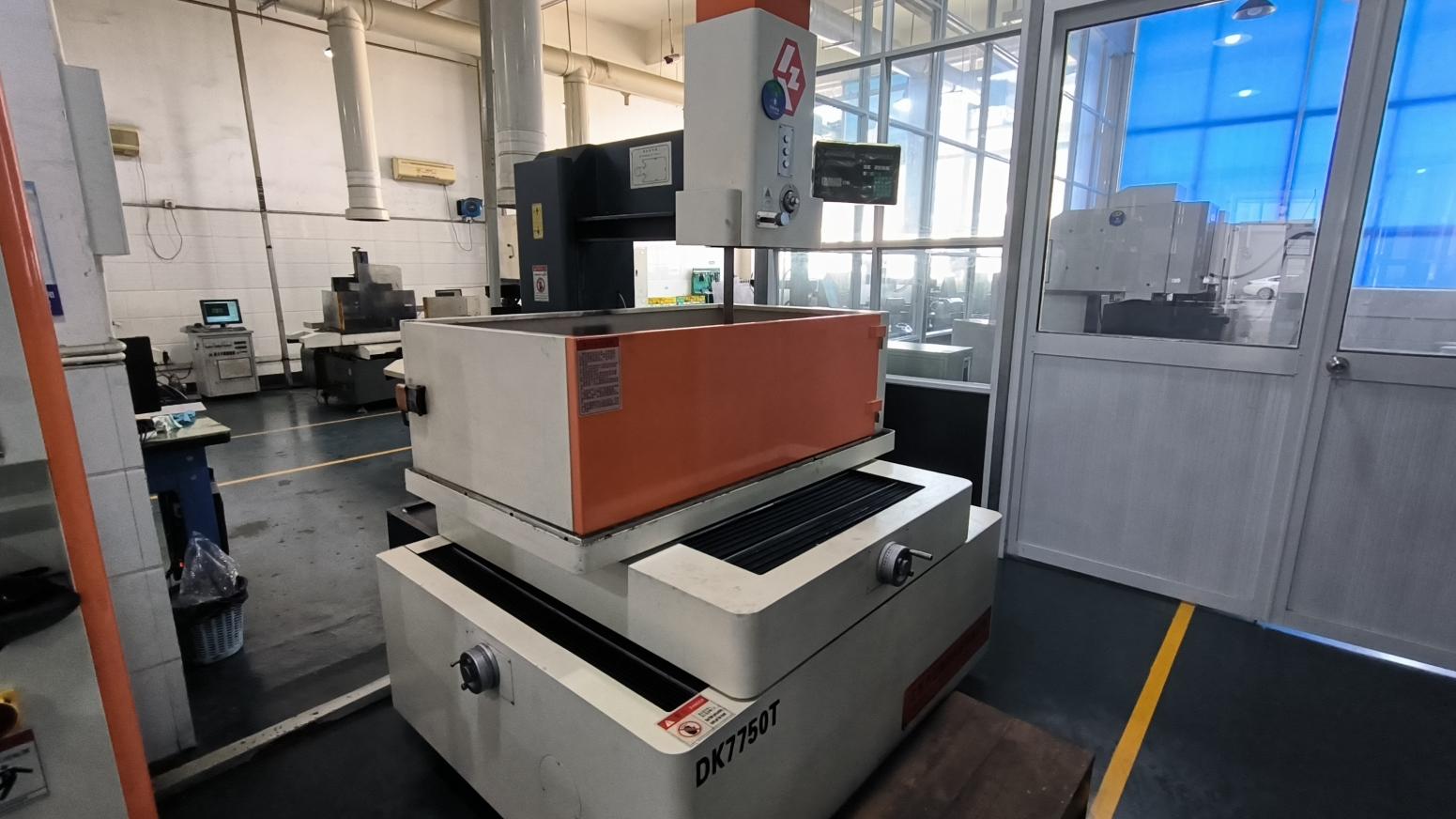
Precision Electrical Discharge Machining ensures micro-scale tolerance adherence for complex joint geometries.
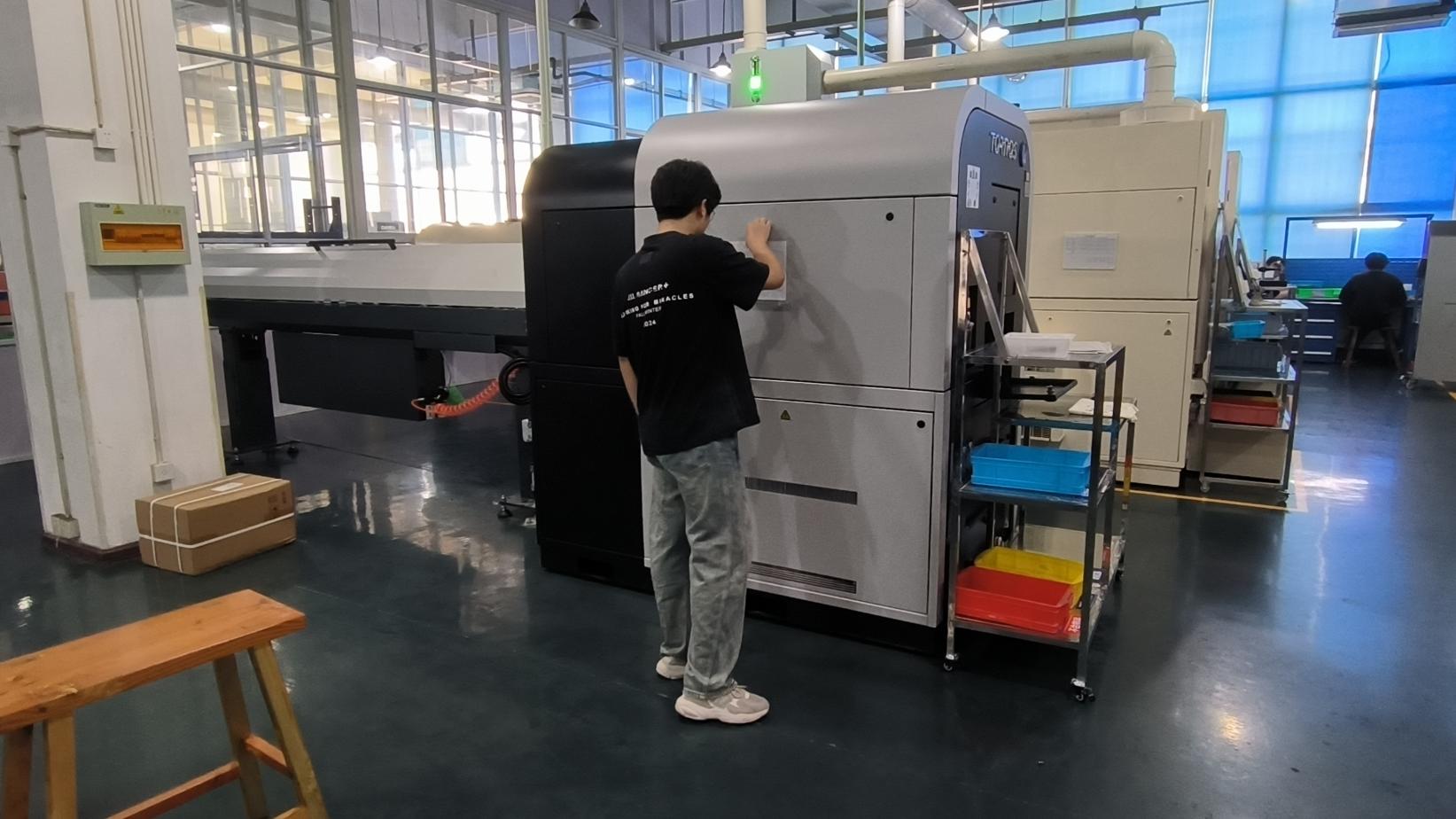
Multi-axis automated polishing achieves mirror-like surfaces on Cobalt-Chromium articulating heads.
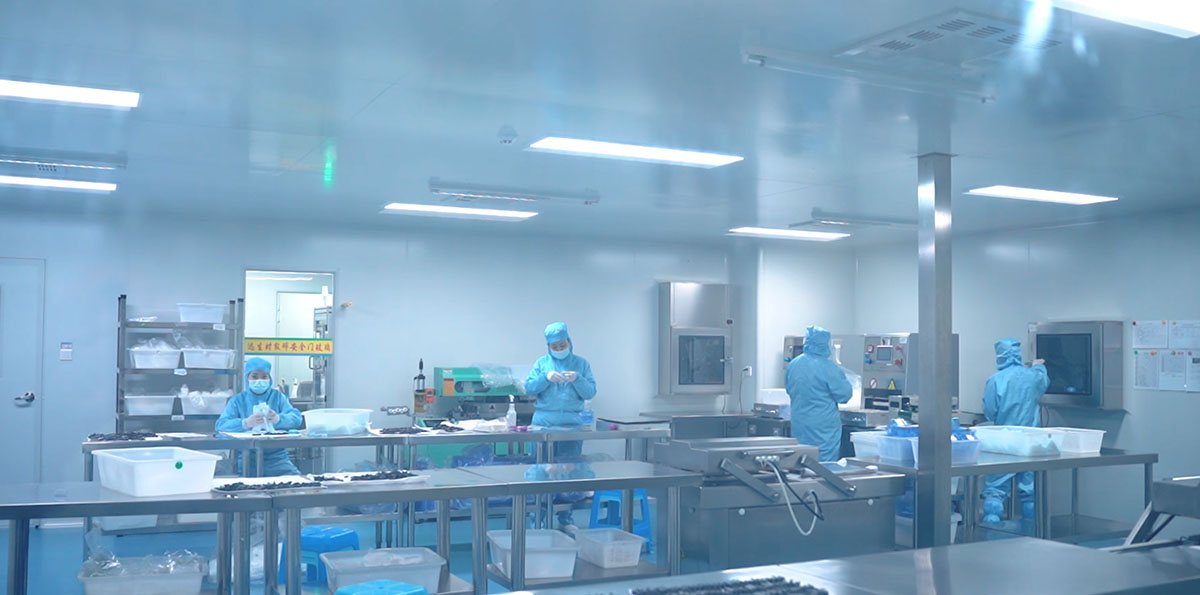
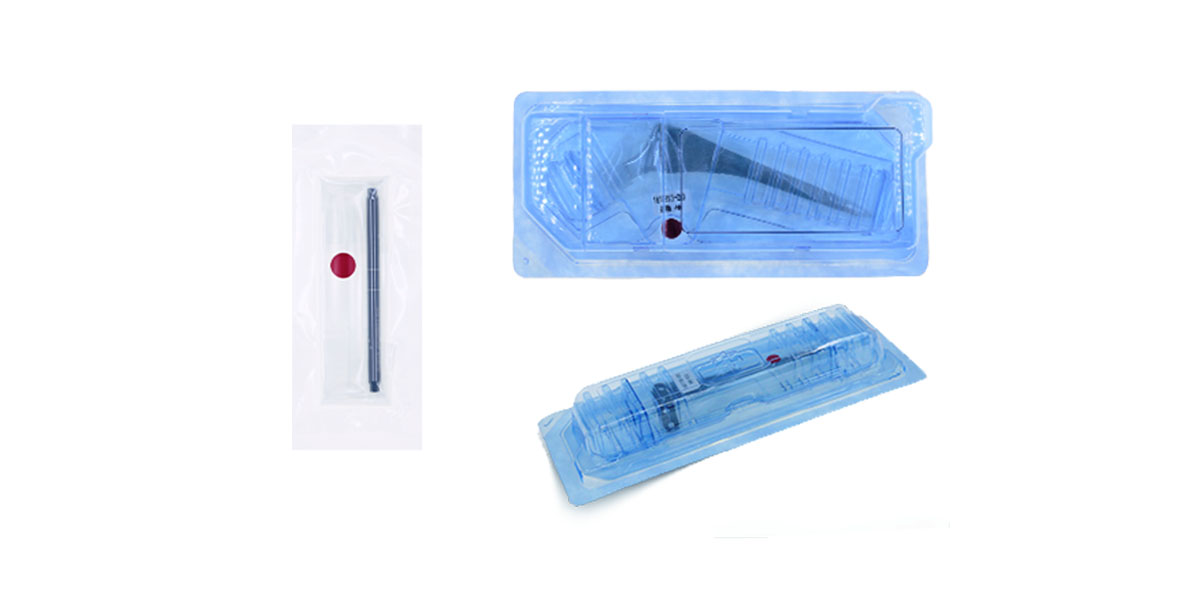
Our facility leverages automated production scheduling and end-to-end material traceability. From the receipt of vacuum-melted titanium bars to the packaging of sterilized implant kits, every process step is cataloged with unique UID numbers. Our production capabilities include high-speed milling, precision Swiss-type turning, wire cutting (EDM), and cleanroom sterilization lines. By keeping these operations in-house, we control costs and protect the supply chain from global logistics delays.
How we support international orthopedic distributors, hospital purchasing groups, and medical device brands.
Our manufacturing sites undergo regular audits. We maintain a quality management system that supports CE (MDR) technical documentation and NMPA filings.
We provide contract manufacturing services, from custom packaging and private labeling to structural design modifications. This enables medical device companies to expand their portfolios efficiently.
Our team manages export documentation, customs clearance, and cold-chain compliance. We ensure that sterile-packaged products reach regional hubs across Europe, Asia, Latin America, and Africa on schedule.
For procurement directors and orthopedic distributors, supplier verification is critical. Our quality control processes include material batch testing, fatigue testing under simulated physiological loading (ISO 14879), and surface finish validation via contact profilometry. We invite prospective clients to perform physical or remote video audits of our facilities to review our cleanrooms, material storage, and active device testing equipment.
Crucial engineering, regulatory, and supply chain questions answered by our technical specialists.
Once DICOM data from patient CT scans is received, our engineering team generates a 3D structural model within 48 hours for clinical review. Following surgeon approval, printing, post-processing, validation, and sterilization packaging are completed in 10 to 14 days, followed by priority global shipping.
We use medical-grade Ti-6Al-4V ELI titanium alloy powder and bar stock from certified suppliers. We perform raw material testing, mechanical fatigue testing, and microstructural analysis to verify density and prevent internal defects.
Yes, we design and manufacture Patient-Specific Instruments (PSI), including surgical drill guides and bone cutting templates. These tools are tailored to the patient's individual anatomy to improve precision and shorten surgical times.
We offer vacuum plasma spraying (VPS) and Hydroxyapatite (HA) coatings to support cementless biological fixation, alongside physical vapor deposition (PVD) and sputtering techniques for wear-reduction coatings on metal-on-polyethylene interfaces.
We supply comprehensive registration dossiers, including ISO 13485 test data, sterilization validation reports (gamma irradiation or ethylene oxide), and raw material certificates. This documentation assists local distributors in securing approvals from regional regulatory bodies.
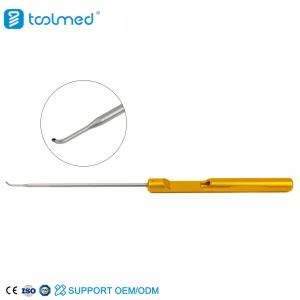
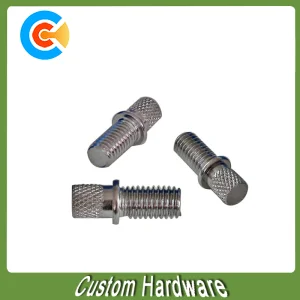
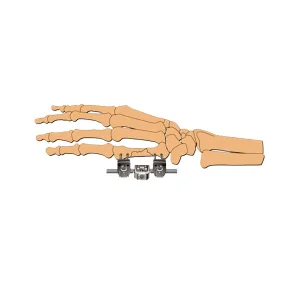
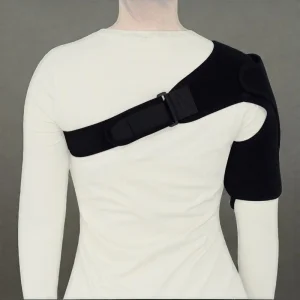
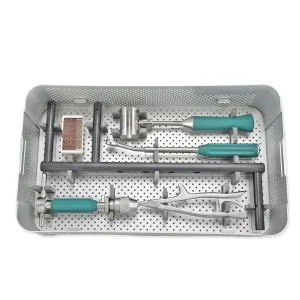
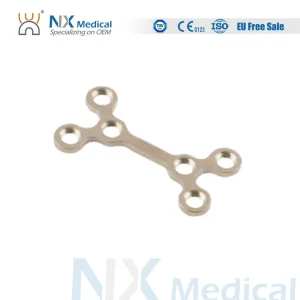
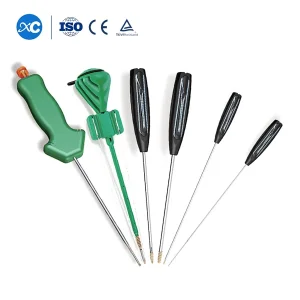
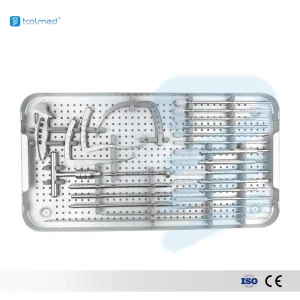
Discover our specialized fixation devices, external stabilizers, and system-specific surgical instrument kits engineered for clinical precision.
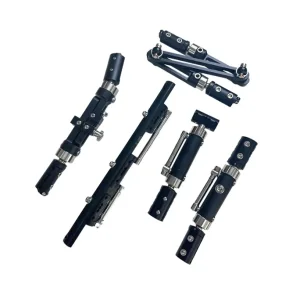
 Axton Orthopedic Implants