Explore our selection of premium orthopedic implants and surgical instruments engineered to provide rigid fixation, joint stability, and accelerated patient rehabilitation paths.
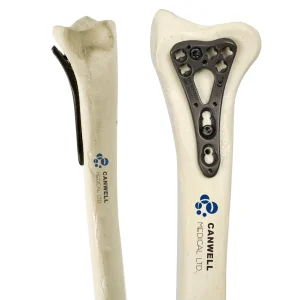
Modern osteosynthesis demands implants that minimize trauma, accelerate natural bone consolidation, and leverage advanced material science. Current shifts focus heavily on biocompatibility, patient-specific geometry, and mechanical load sharing.
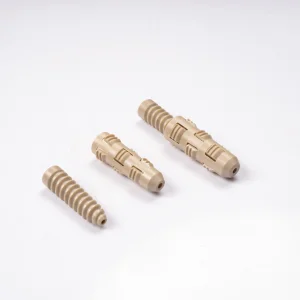
Transition from standard stainless steel to Grade 5 Titanium (Ti-6Al-4V ELI) and PEEK (Polyetheretherketone). These materials align closely with bone density characteristics to prevent stress-shielding while offering maximum radiolucency during radiographic checks.
Using 3D metallic printing (selective laser melting) to model implants optimized for individual anatomy. Rather than adapting the bone to fit off-the-shelf devices, custom 3D structures align dynamically to complex fracture lines.
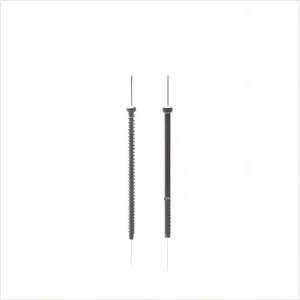
Cannulated systems allow surgeons to secure guide wires precisely prior to inserting bone fixation screws. This reduces intraoperative margins of error, decreases blood loss, and ensures structural alignment via smaller incisions.
Established as a premier manufacturing destination, our high-precision facilities deliver superior orthopedic components through structured supply chains, cutting-edge equipment, and expert metallurgy.
A major strength of the company lies in its expertise in 3D printing and customization. With advanced technology, the company is able to create personalized medical devices that perfectly fit each patient. This customization not only enhances treatment outcomes but also improves patient comfort and overall satisfaction. We offer orthopedic implants, joint implants, brushless motors, and other products designed to solve complex clinical challenges.
To date, our products have been widely used in dozens of countries across Asia, Latin America, Africa, and Europe, and have gained recognition from local distributors and surgeons for their strict structural tolerances and long-term in-vivo stability.
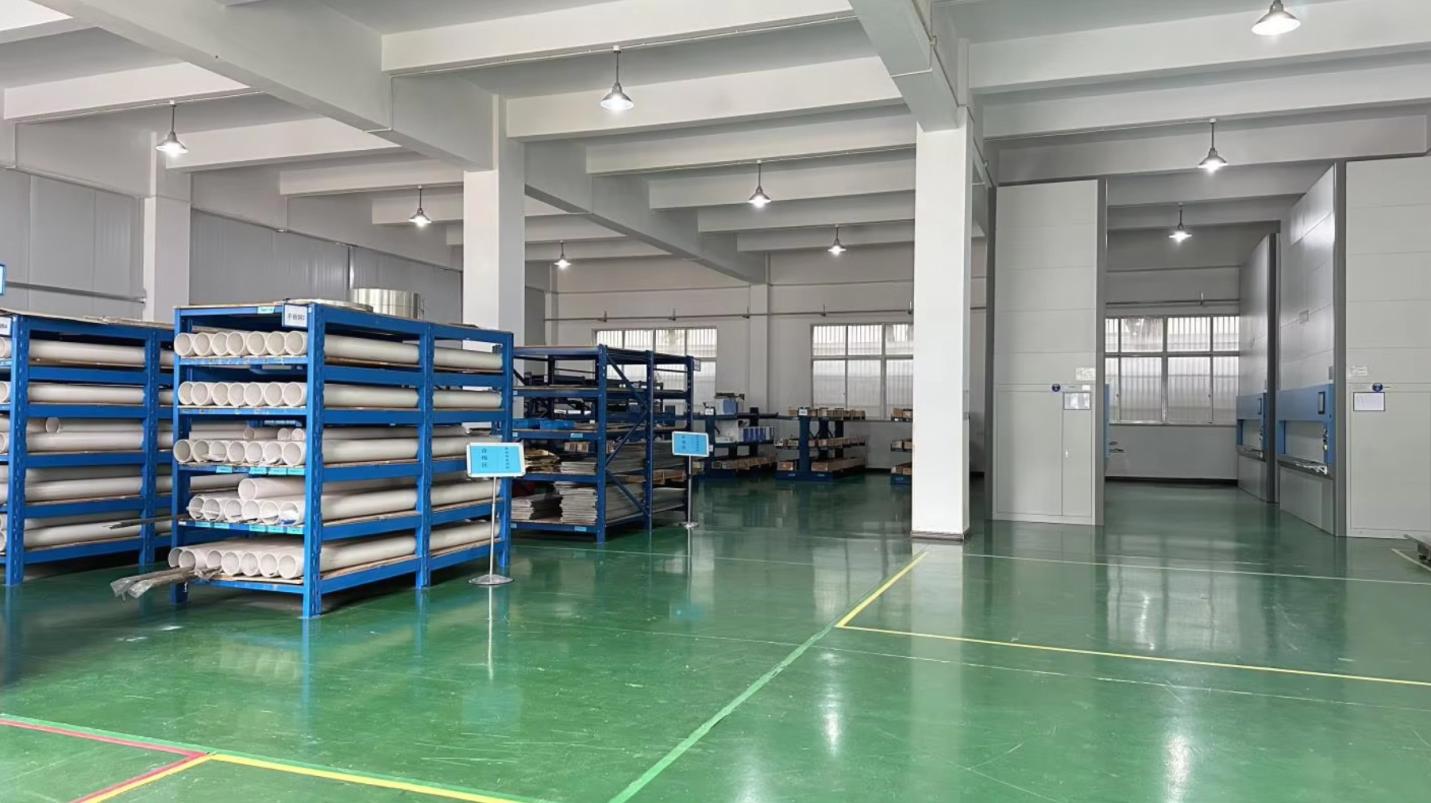
Sourcing class-III medical devices internationally involves navigating supply logistics, rigorous certifications, and mechanical compliance parameters. Here is how our structural solutions match global demands.
Every medical-grade screw or plate batch must possess comprehensive material certificate pathways. We trace raw bars (titanium, PEEK, medical steel) directly to melt origins, providing structural and chemical analysis documentation for every single shipment.
We ease localization challenges by providing CE, ISO 13485, and extensive local registration support dossiers. This streamlines validation processes for regional health authorities, enabling rapid market entry.
With an annual output scaled to accommodate bulk procurement, we prevent inventory outages. Distributors can rely on structured delivery timetables, eliminating patient backlogs at the hospital level.
Maintaining physical integrity across micro-sized features requires strict processing controls. Our technological approach follows a structured, error-free production flow.
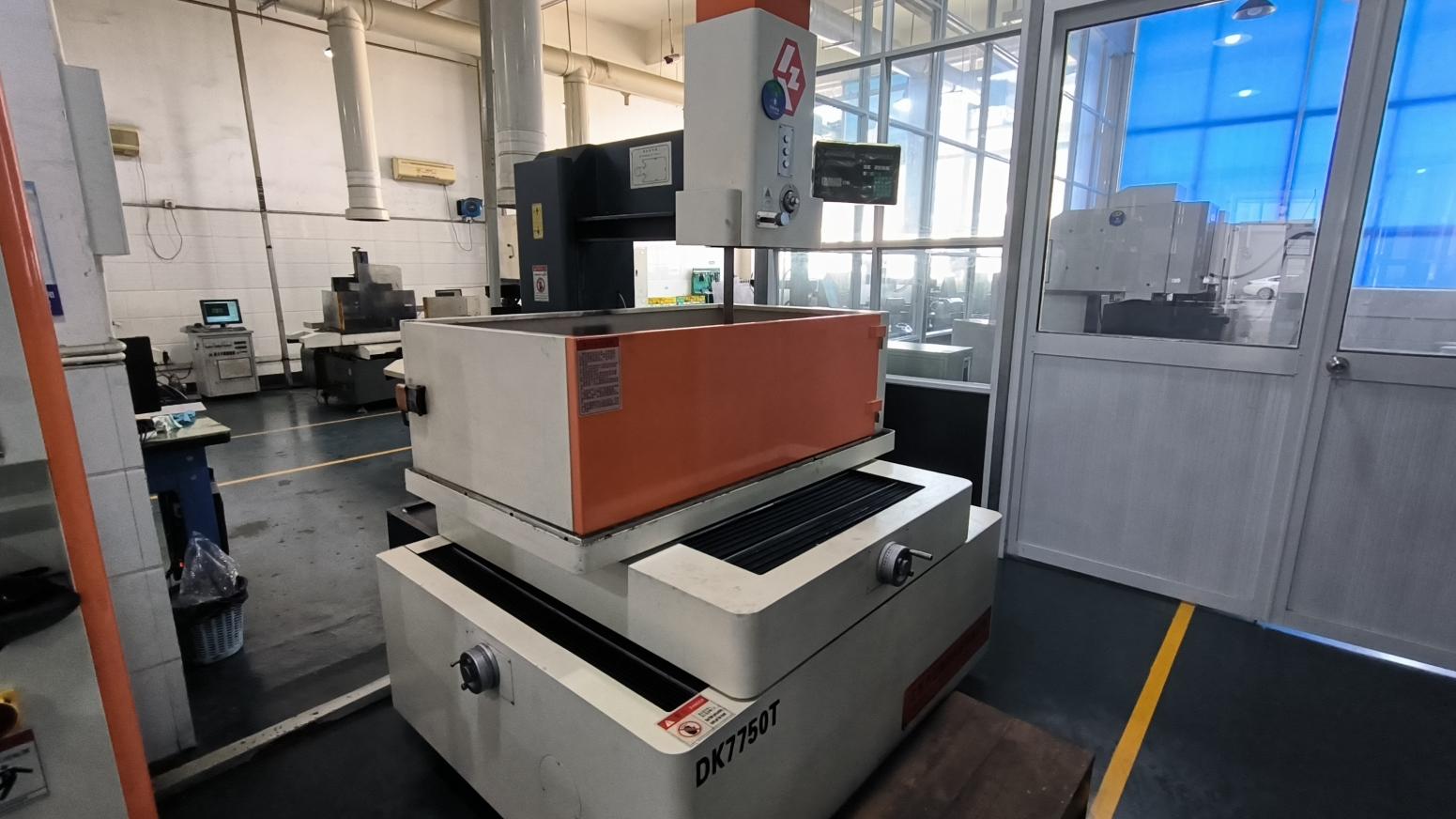
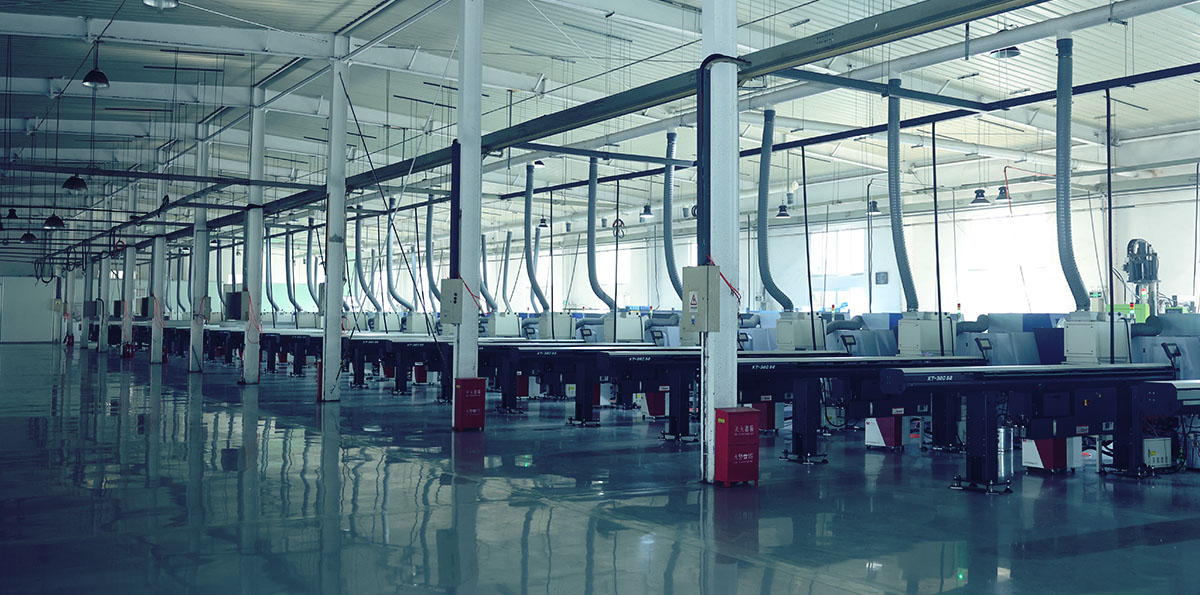
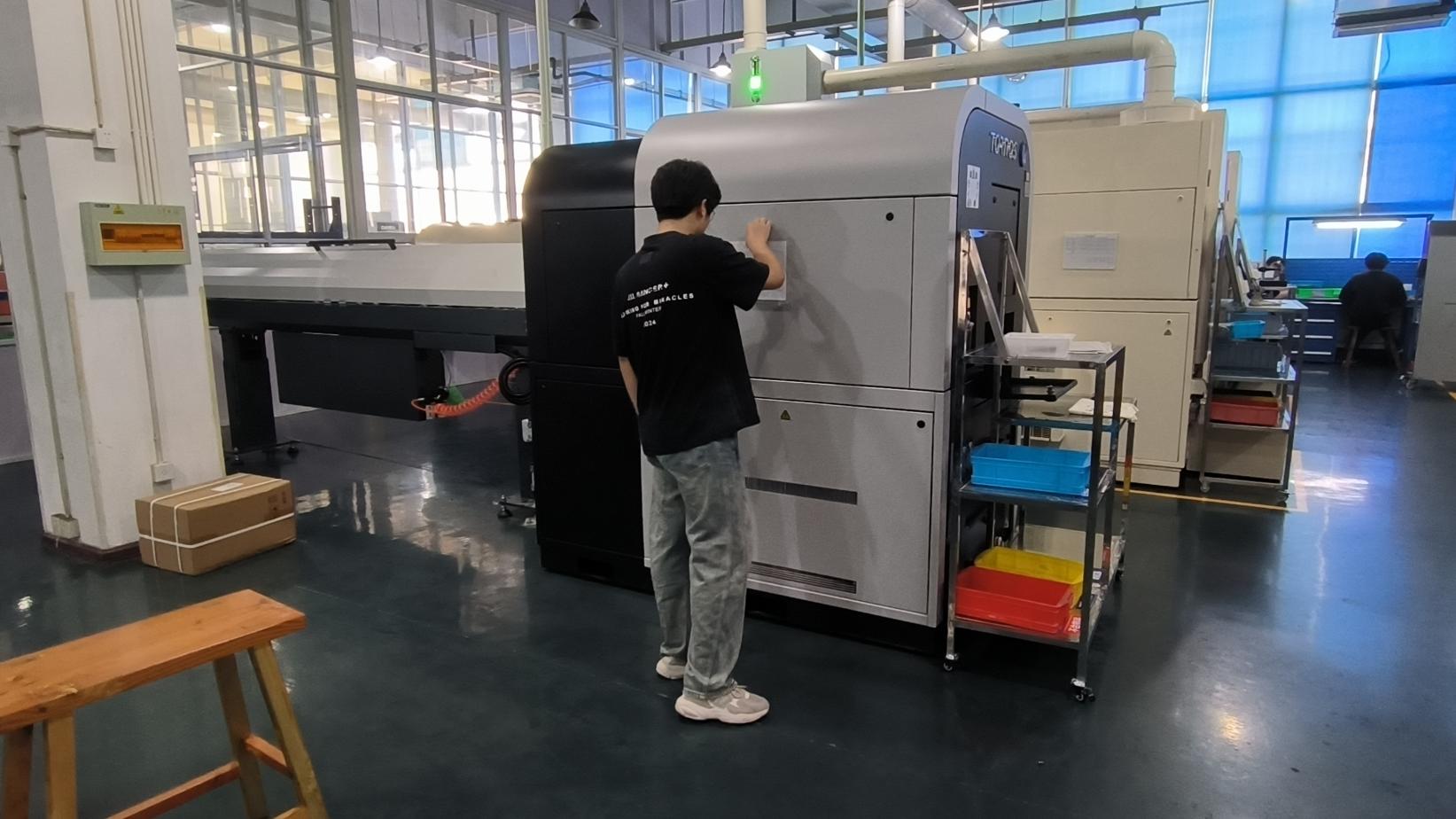
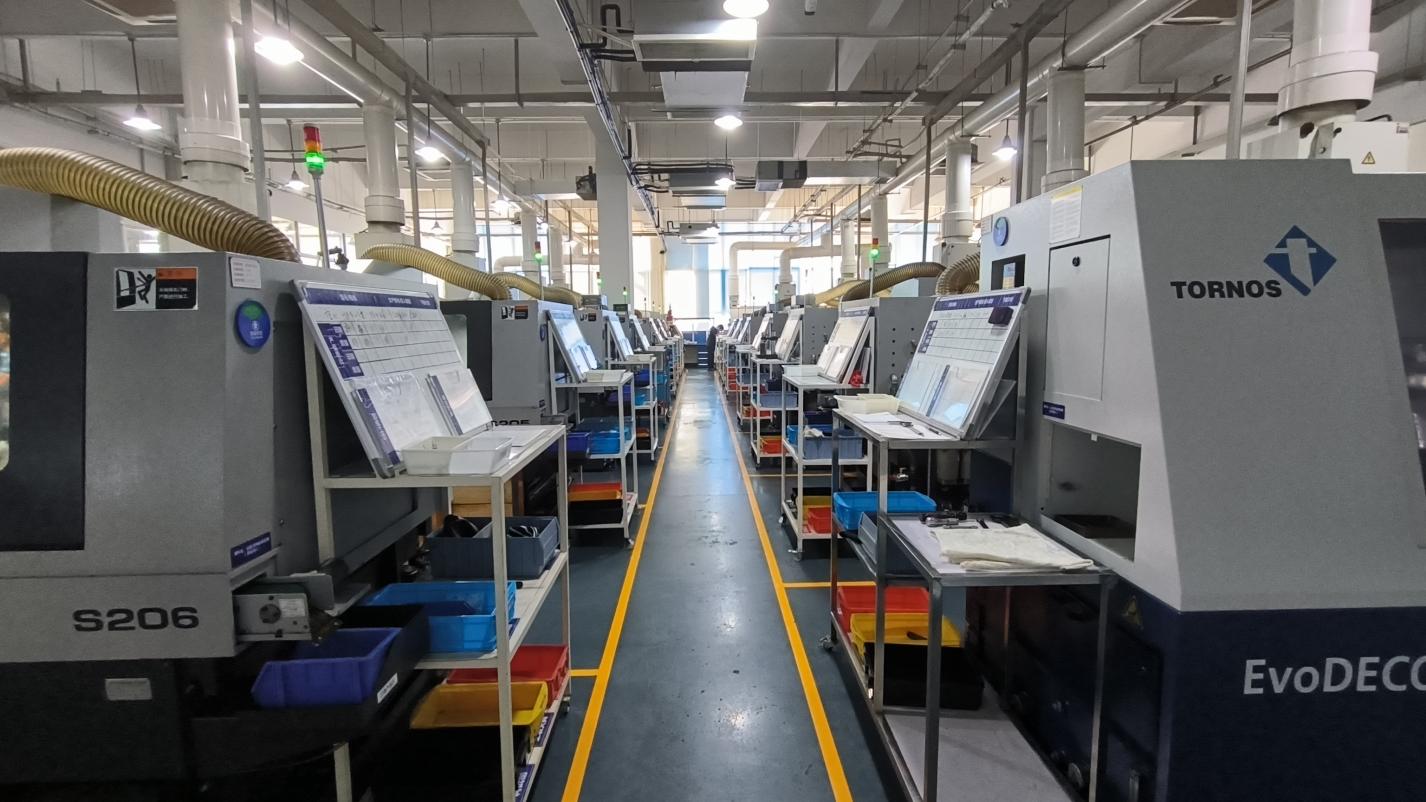
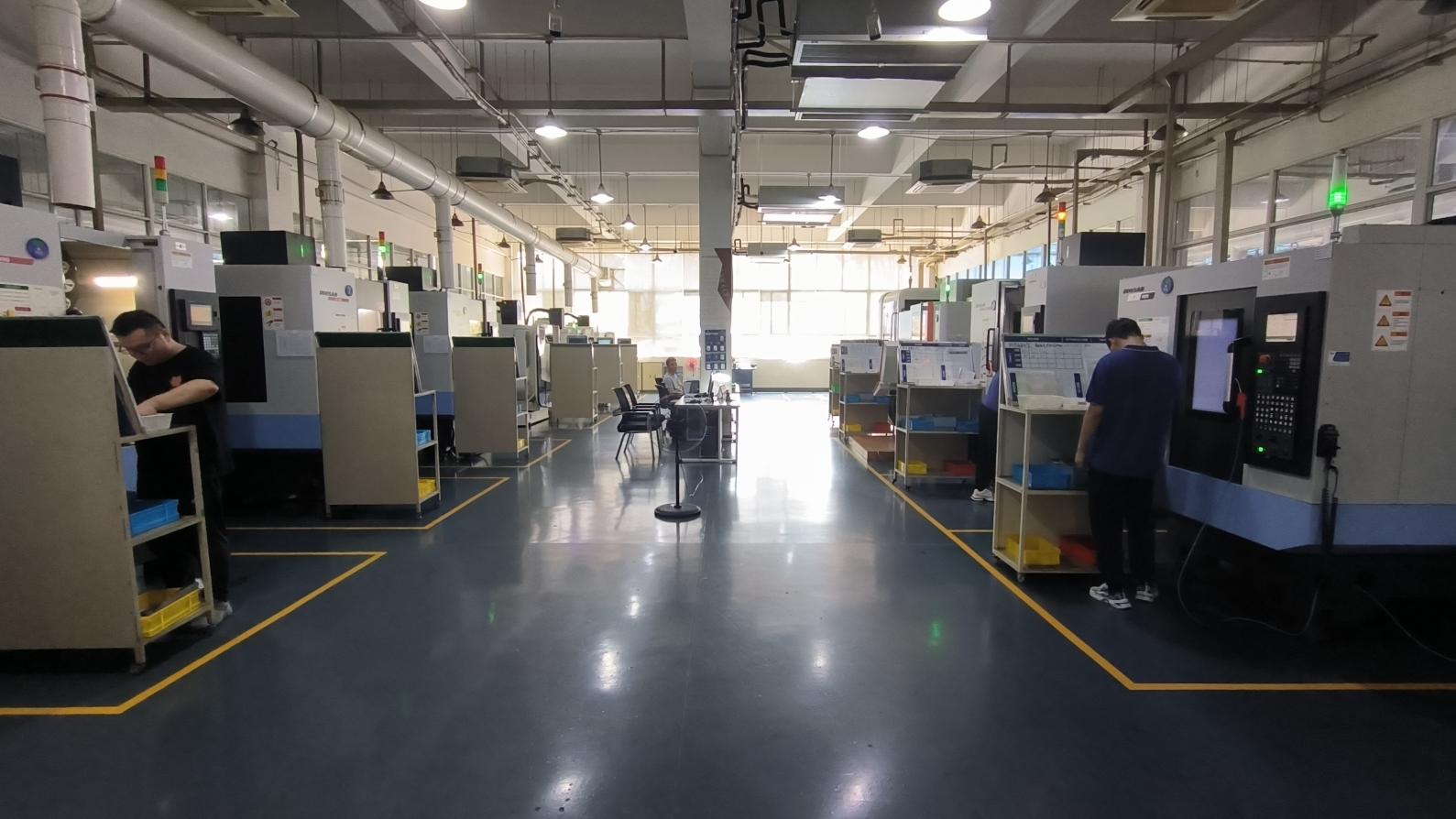
Threads, pitches, and hex/star drives are machined in single-setup operations using multi-axis CNC machines to prevent structural misalignment. Tolerances are held strictly within single-digit micron parameters.
Medical screws undergo acid etching, anodization, and ultrasonic cleaning to clean away micro-particulates. This ensures optimal surface chemistry, encouraging bone cells to integrate directly with the implant.
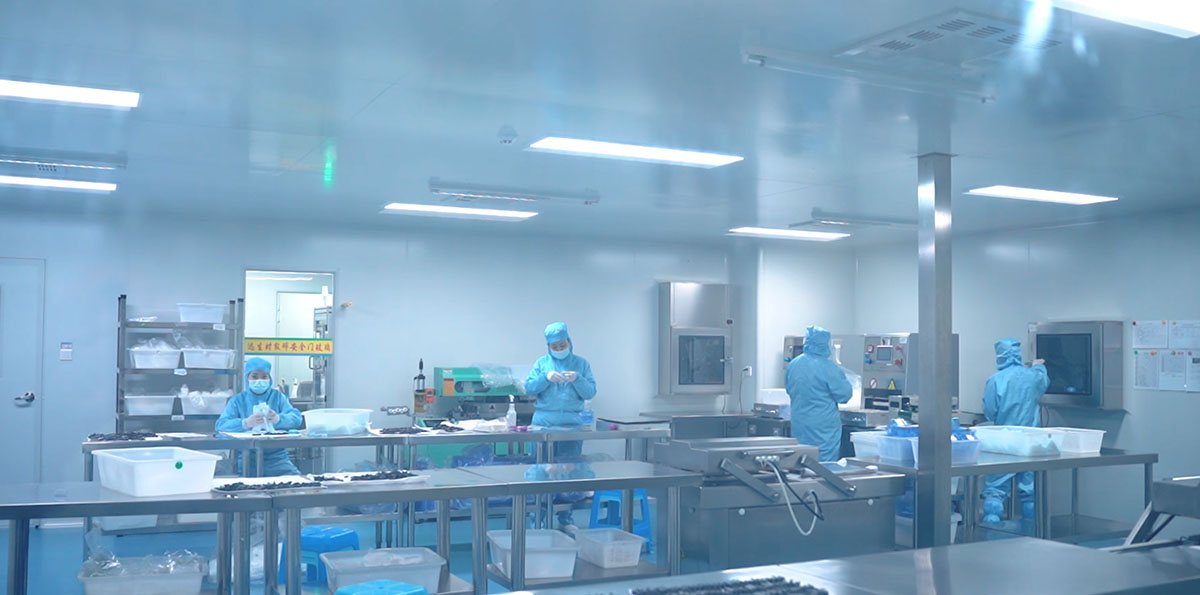
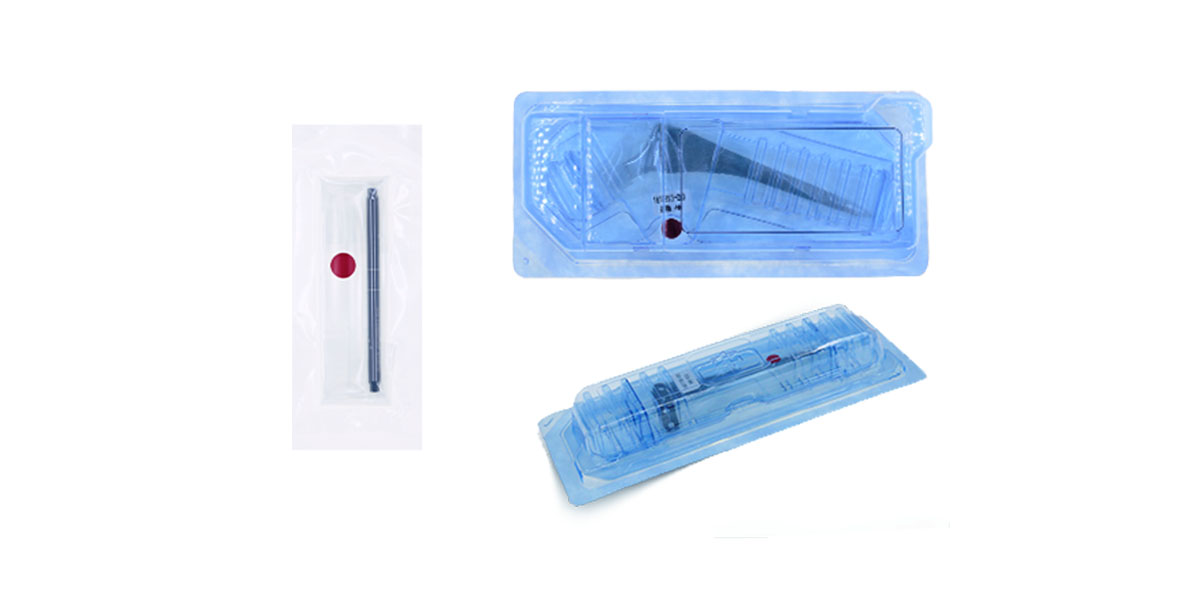
Implantable hardware is packaged inside cleanroom environments according to EN 868 standards. Double-barrier sterile packaging options ensure safety parameters are maintained from the factory directly to the surgical field.
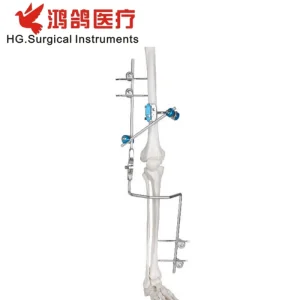
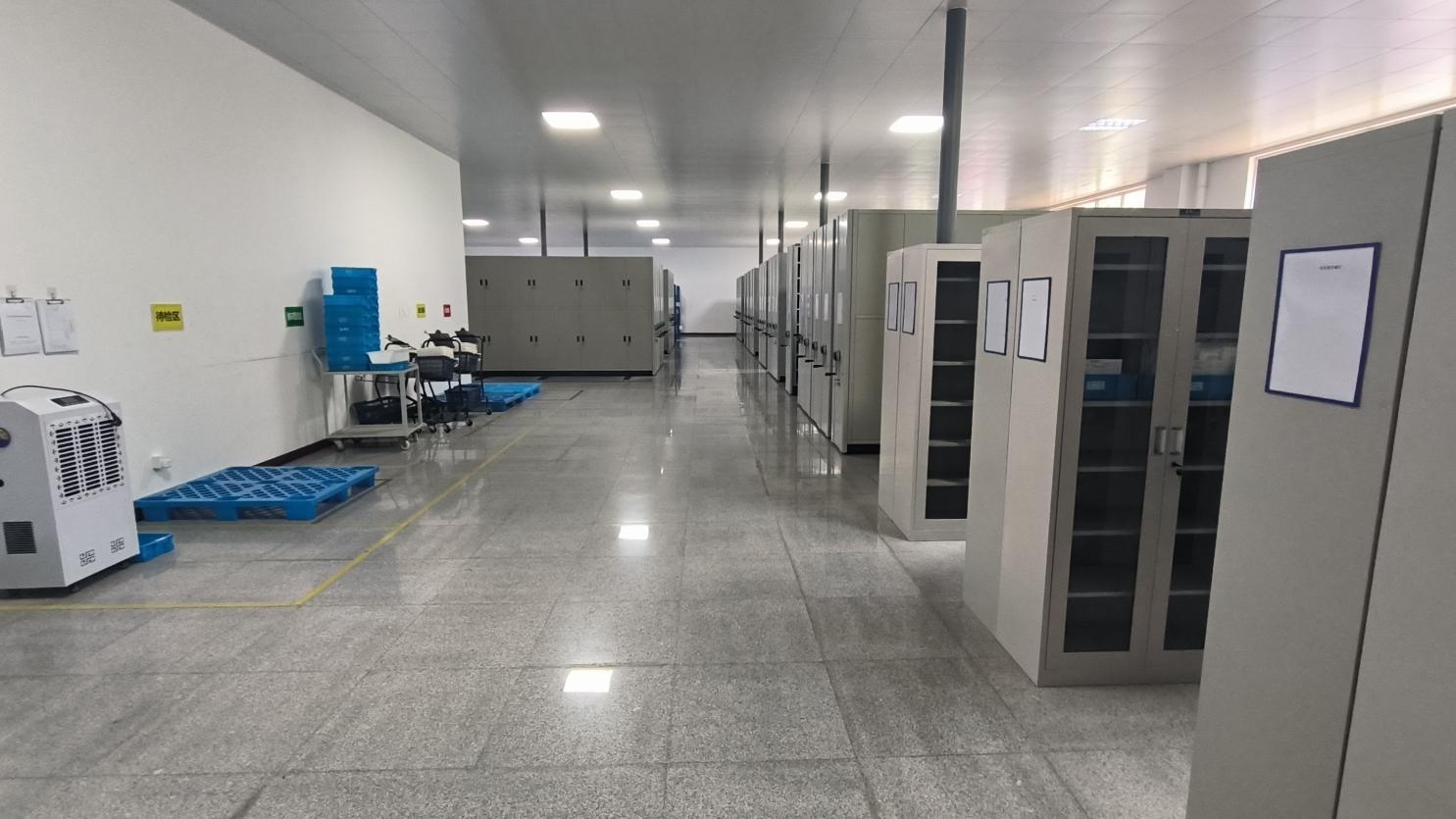
Below is a visual overview of our advanced diagnostic and development areas, highlighting the machinery used to produce complex geometries for both internal and external fixation systems:
Gain clarity on technical parameters, compliance certifications, and options for customizing your orthopedic hardware orders.
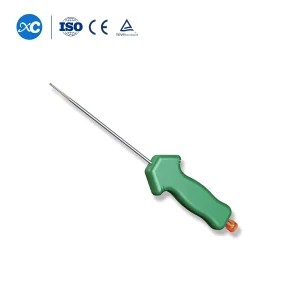
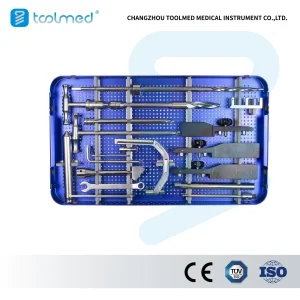
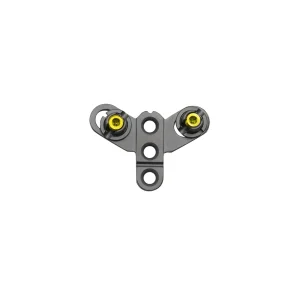
Explore our range of locking systems, spinal implants, external components, and specialist equipment manufactured to meet rigorous operating room specifications.
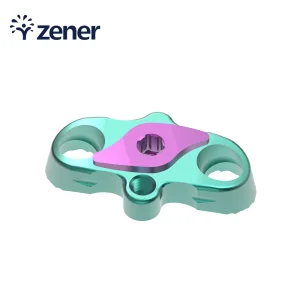
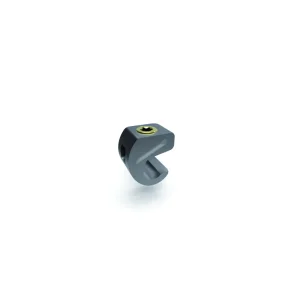
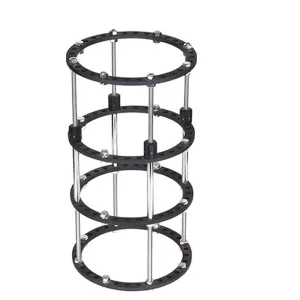
 Axton Orthopedic Implants