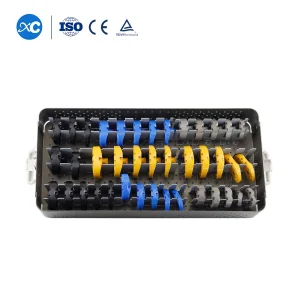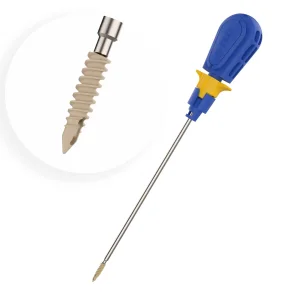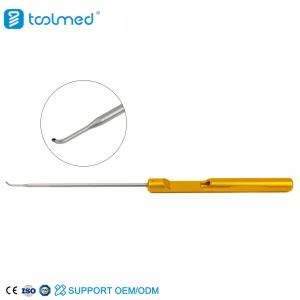

The global orthopedic surgery domain is undergoing a profound transformation. Driven by an aging population, rising incidences of musculoskeletal disorders, and the demand for minimally invasive procedures, healthcare providers are seeking more efficient, reliable, and customized solutions. At the center of this evolution is the critical need for high-precision orthopedic instrument sets that seamlessly interface with advanced implants.
Historically, standard "one-size-fits-all" instrument kits dominated operating rooms. However, clinical data indicates that customized and procedure-specific instrumentation significantly reduces surgical time, minimizes intraoperative errors, and improves patient outcomes. As a premier global supplier and exporter, we address this market gap by delivering bespoke OEM (Original Equipment Manufacturer) solutions that align with the rigorous demands of modern orthopedic clinics, hospitals, and distributors worldwide.
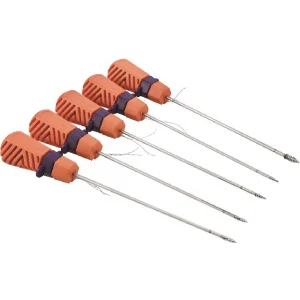
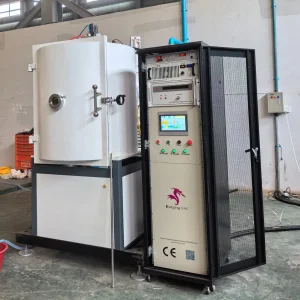
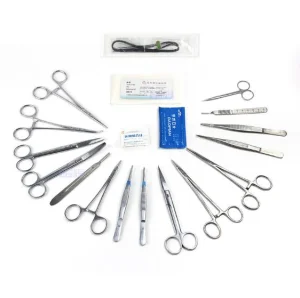
From joint reconstruction and spine fusion to complex trauma fixation, our instrument sets are engineered to meet the highest standards of ergonomic comfort, structural integrity, and biocompatibility. By integrating advanced surface treatments, such as PVD titanium coating, we ensure that our surgical tools offer superior wear resistance, reduced friction, and prolonged lifecycle performance under repeated sterilization cycles.
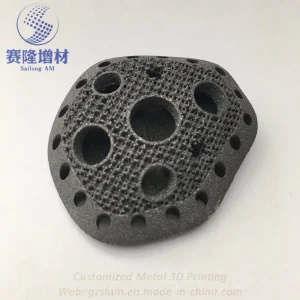
A cornerstone of our manufacturing excellence is our deep expertise in 3D printing and customization. Orthopedic anatomy varies drastically across patients, and standard implants often require intraoperative modifications that can compromise structural integrity. By leveraging state-of-the-art Additive Manufacturing (AM) technologies, we produce personalized medical devices and patient-specific surgical guides that match the unique anatomical contours of each patient.
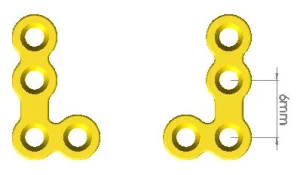
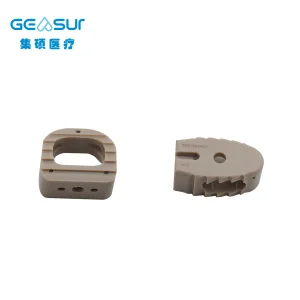
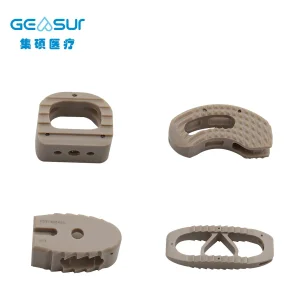
Our workflow begins with high-resolution DICOM data from patient CT or MRI scans. Using advanced CAD/CAM software, our biomedical engineers reconstruct the patient's anatomy and design custom implants—such as PEEK lumbar cages, maxillofacial plates, or custom joint components—along with the exact instrument sets required for their implantation. This synergy between implant and instrument design guarantees a perfect fit, simplifies the surgical workflow, and enhances the primary stability of the implant.
Clinical benefits of our 3D-printed custom solutions include:
Orthopedic surgical practices and regulatory environments vary significantly across different global regions. As an experienced exporter, we customize our OEM instrument sets to align with localized clinical preferences and hospital infrastructures:
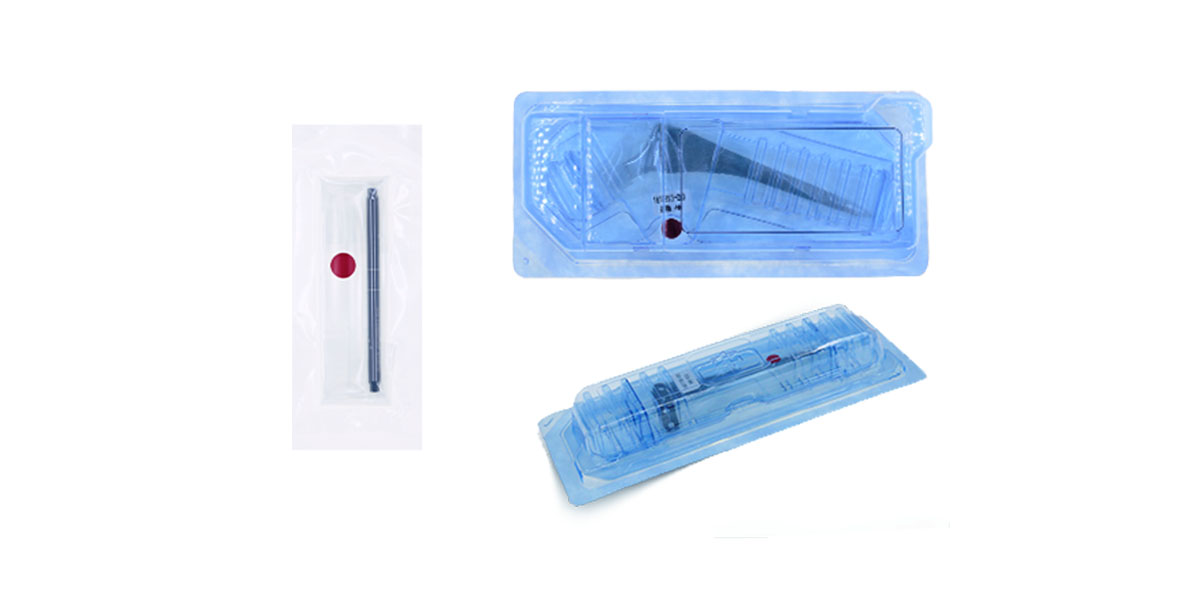
In highly regulated markets with a strong focus on ambulatory surgical centers (ASCs), there is a growing demand for lightweight, single-use sterile instrument kits and highly specialized minimally invasive surgery (MIS) tools. Our PEEK cage systems and titanium-coated instruments are optimized for rapid turnover, minimizing sterilization bottlenecks in fast-paced clinical settings.
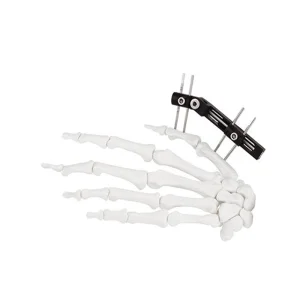
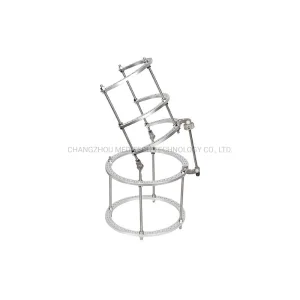
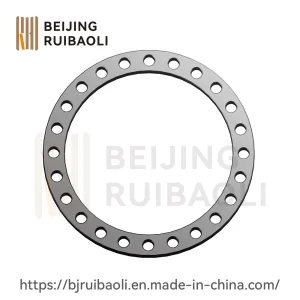
These regions exhibit a high volume of complex trauma cases and reconstructive surgeries. There is a strong preference for highly durable, modular, and reusable instrument sets—such as our Ilizarov external fixator rings and mini fixator tracks—that can withstand intensive, repeated autoclave sterilization without degradation.
Healthcare providers in these regions require cost-effective, robust, and versatile instrument sets that cover a wide range of indications. We supply multi-functional orthopedic kits that combine trauma, joint, and spine instrumentation, backed by comprehensive maintenance guides to ensure long-term operational reliability.
With over a decade of dedicated research, development, and manufacturing excellence, we have established ourselves as a reliable partner for global medical device distributors.

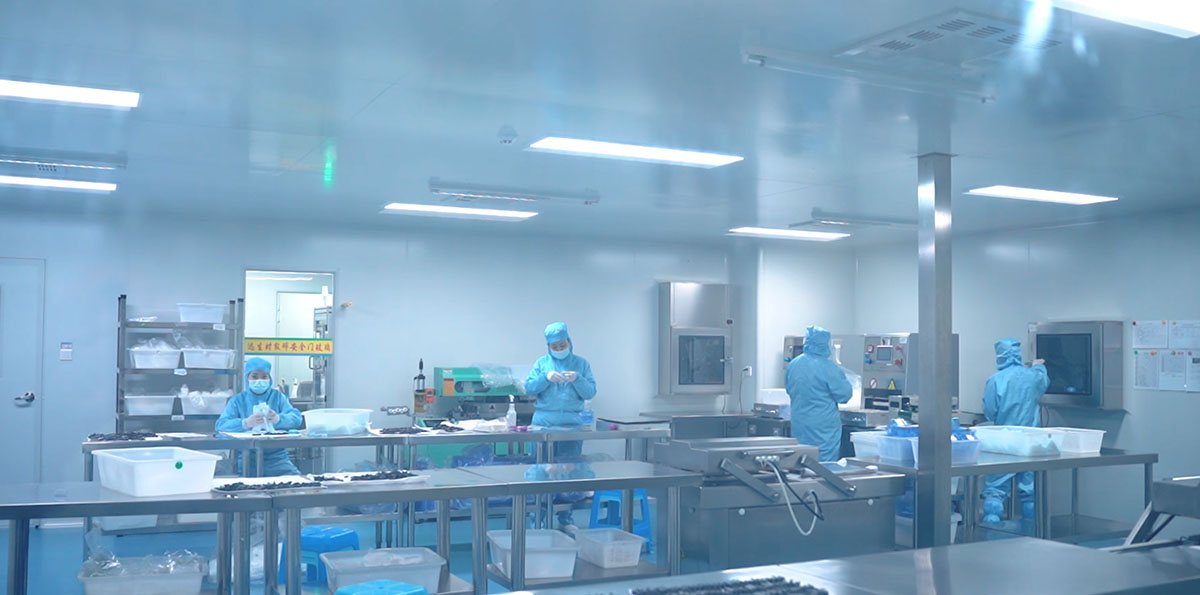
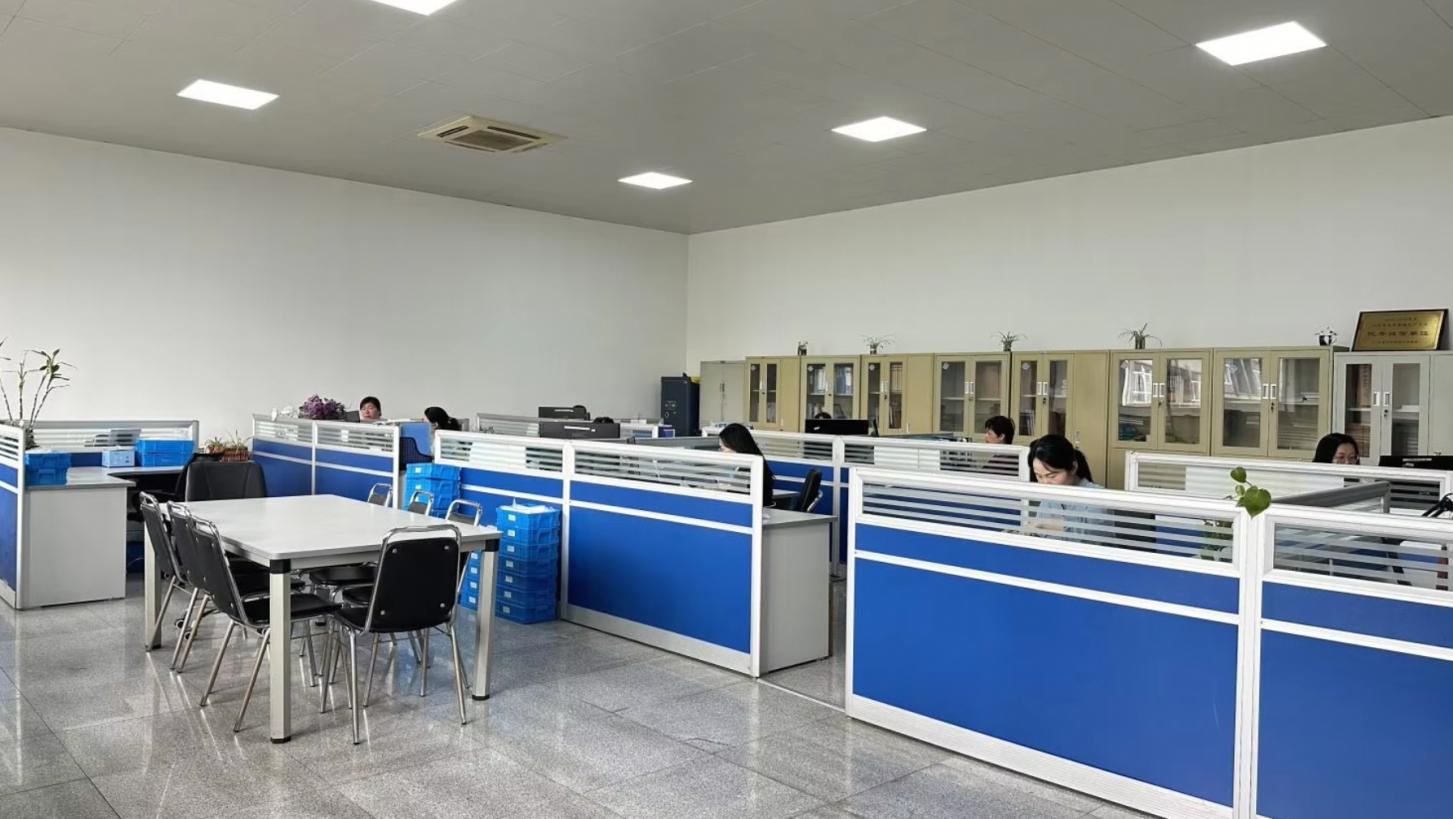
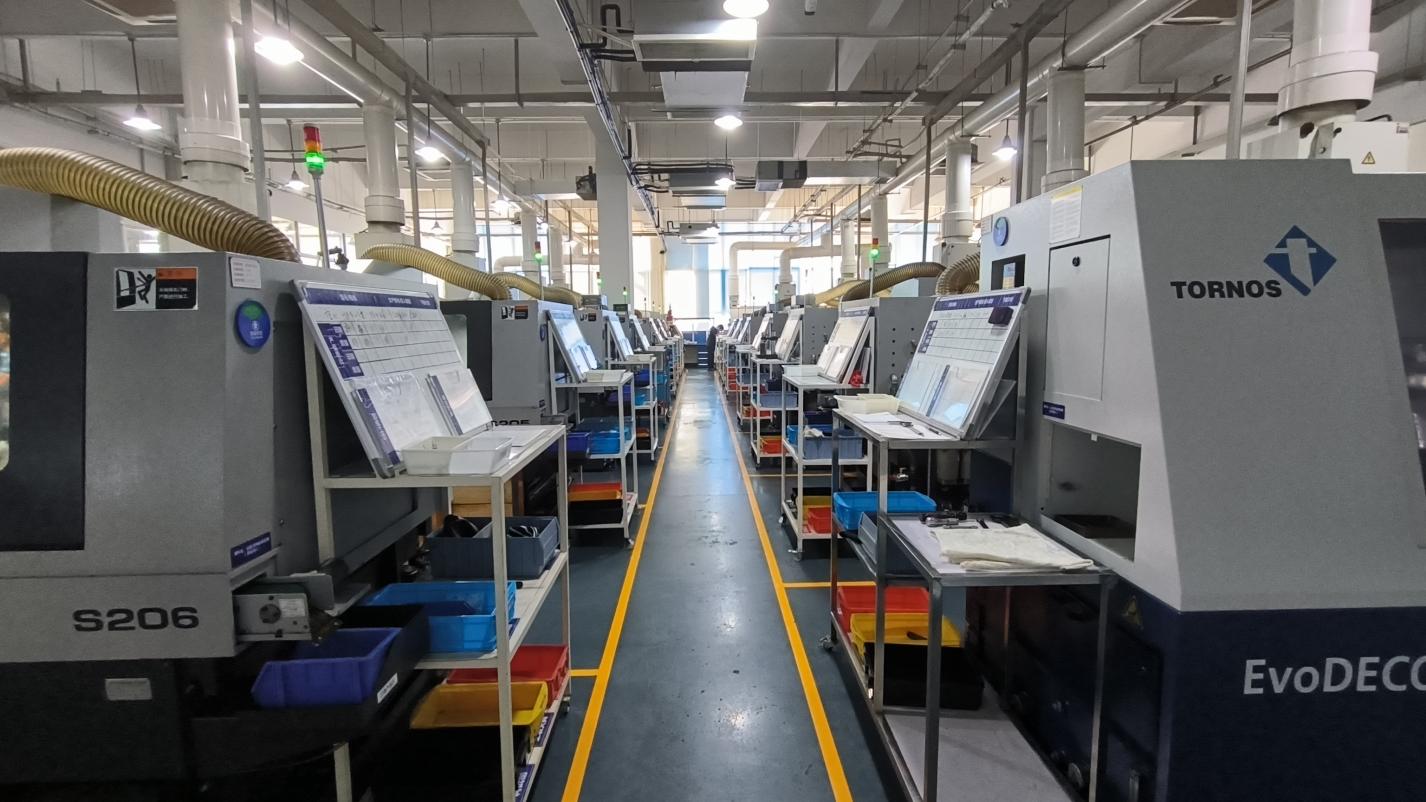
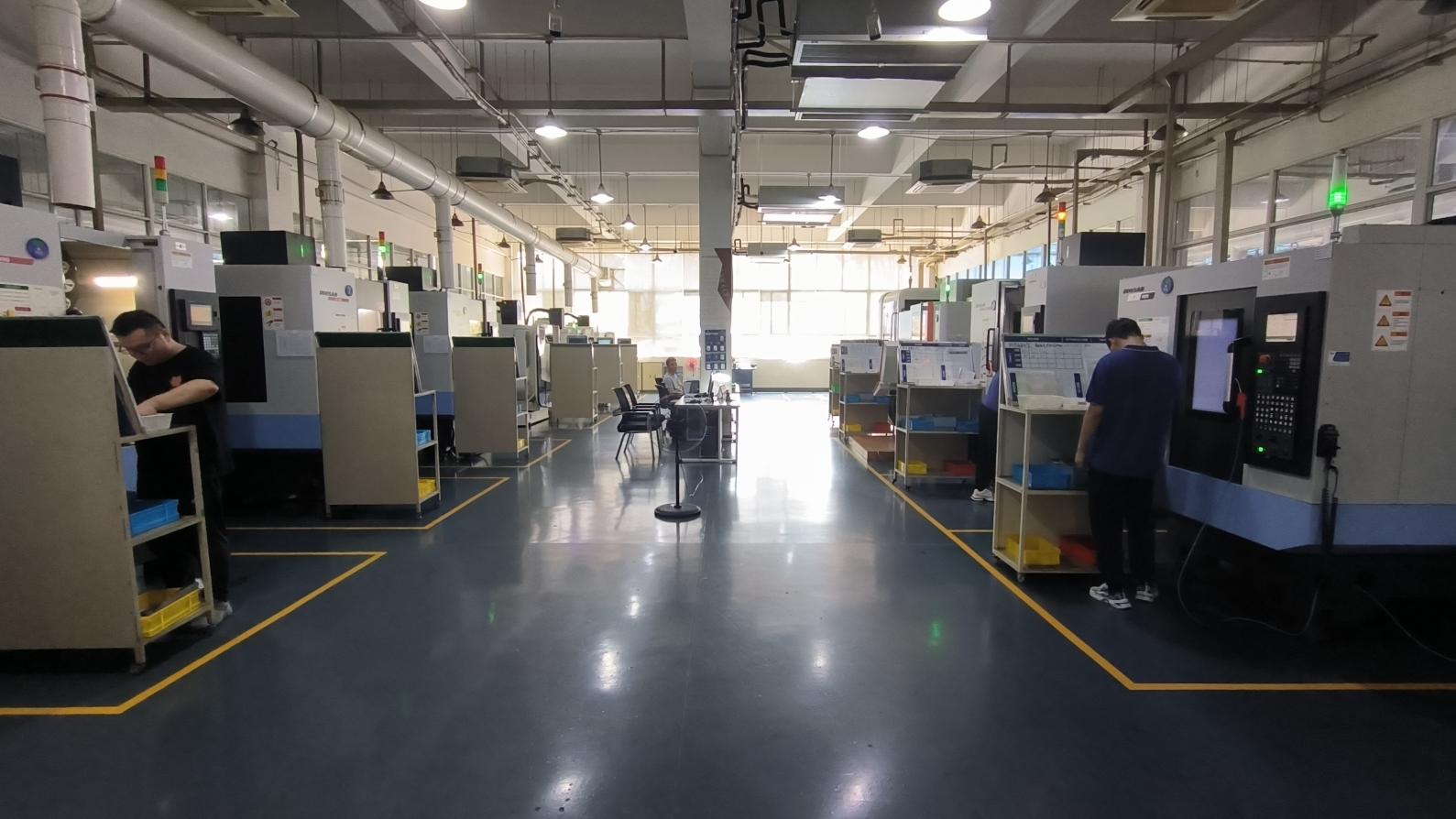
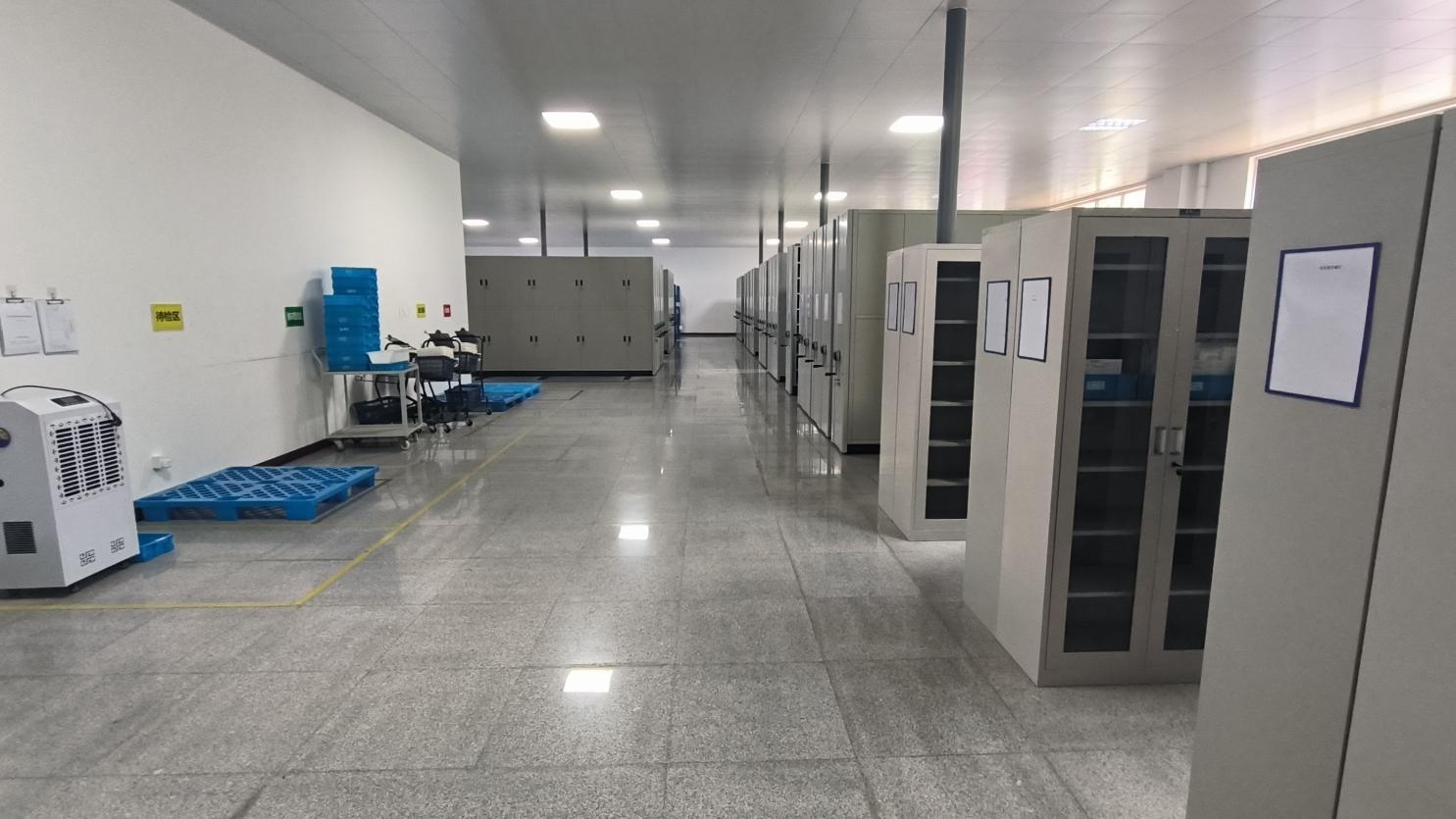

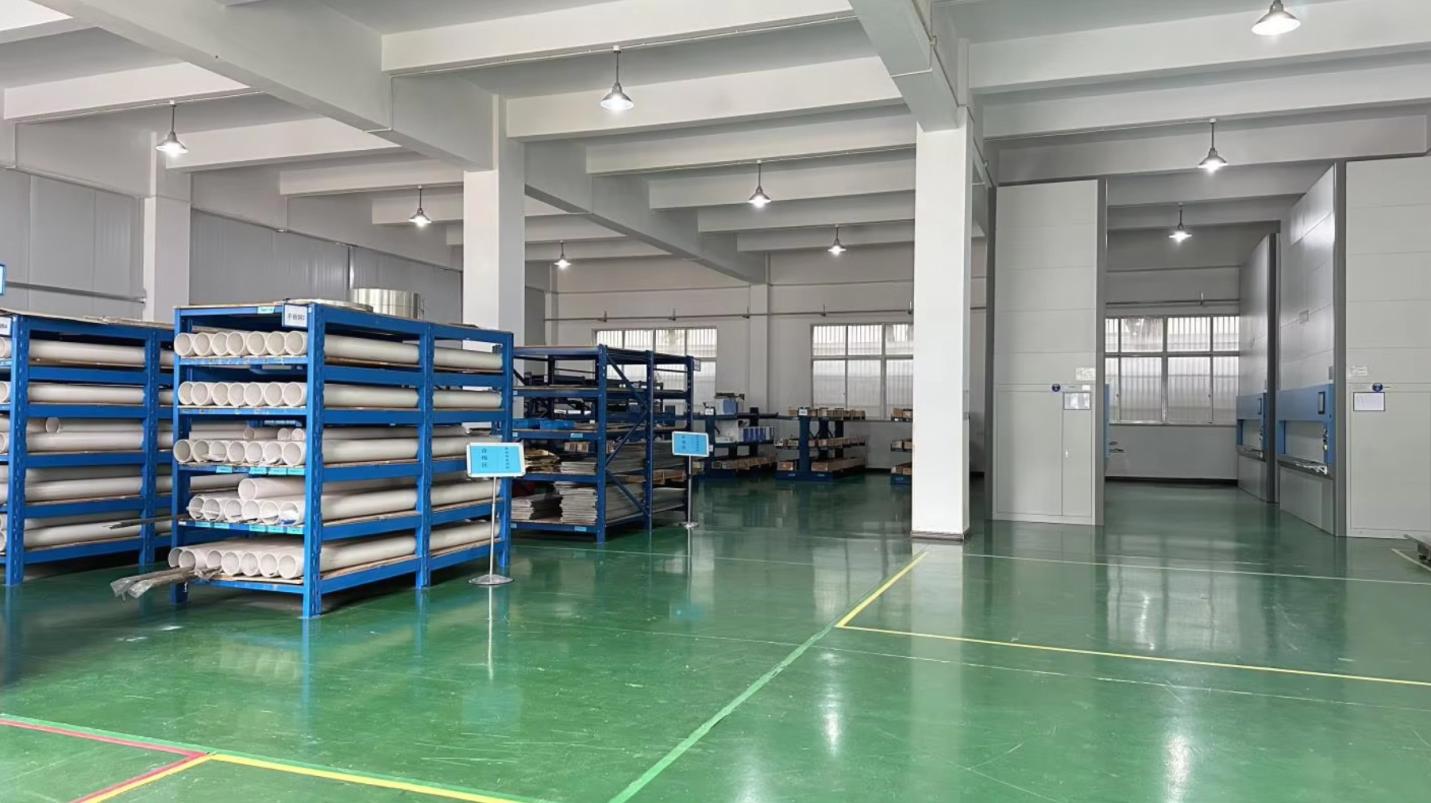
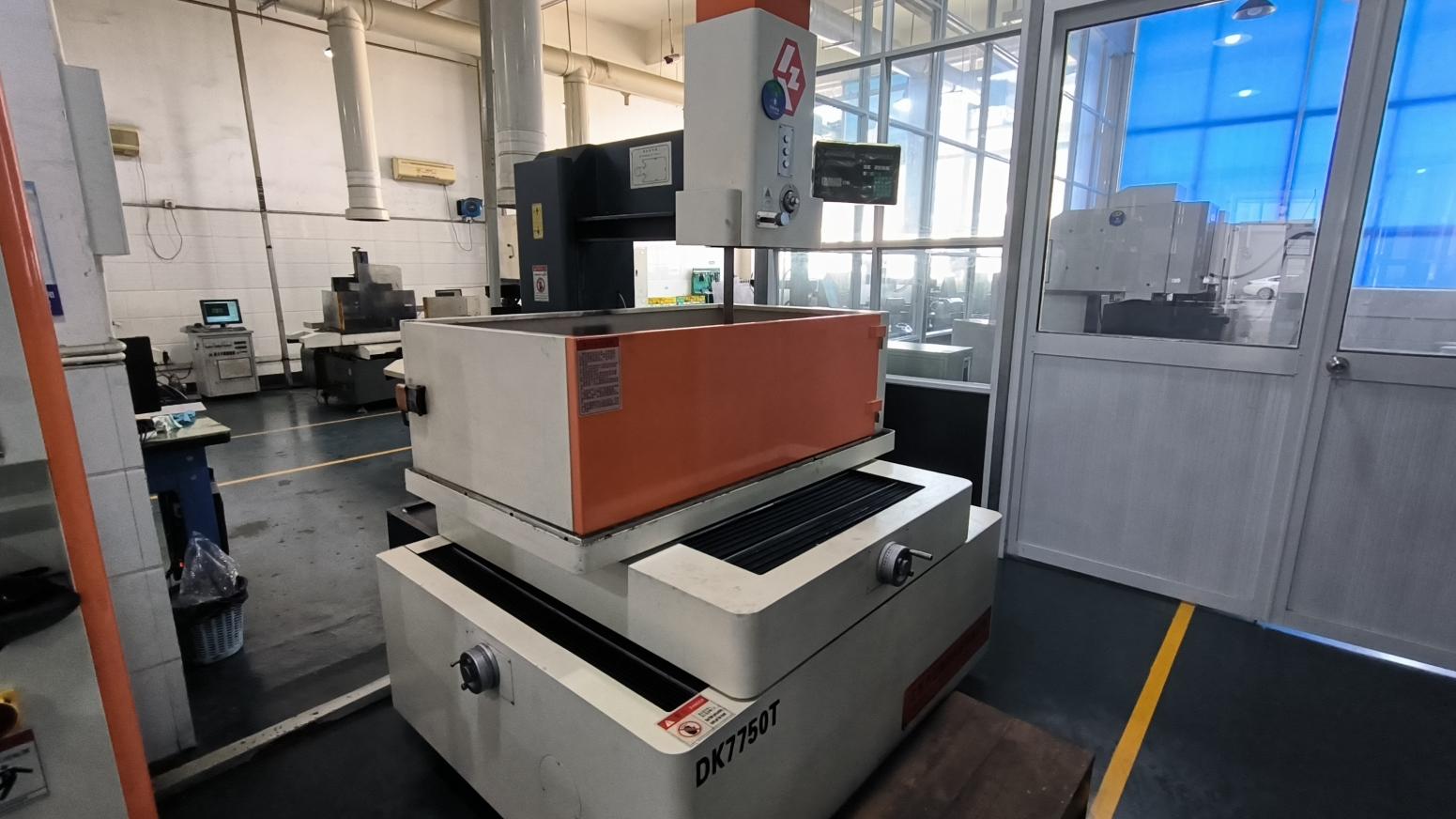
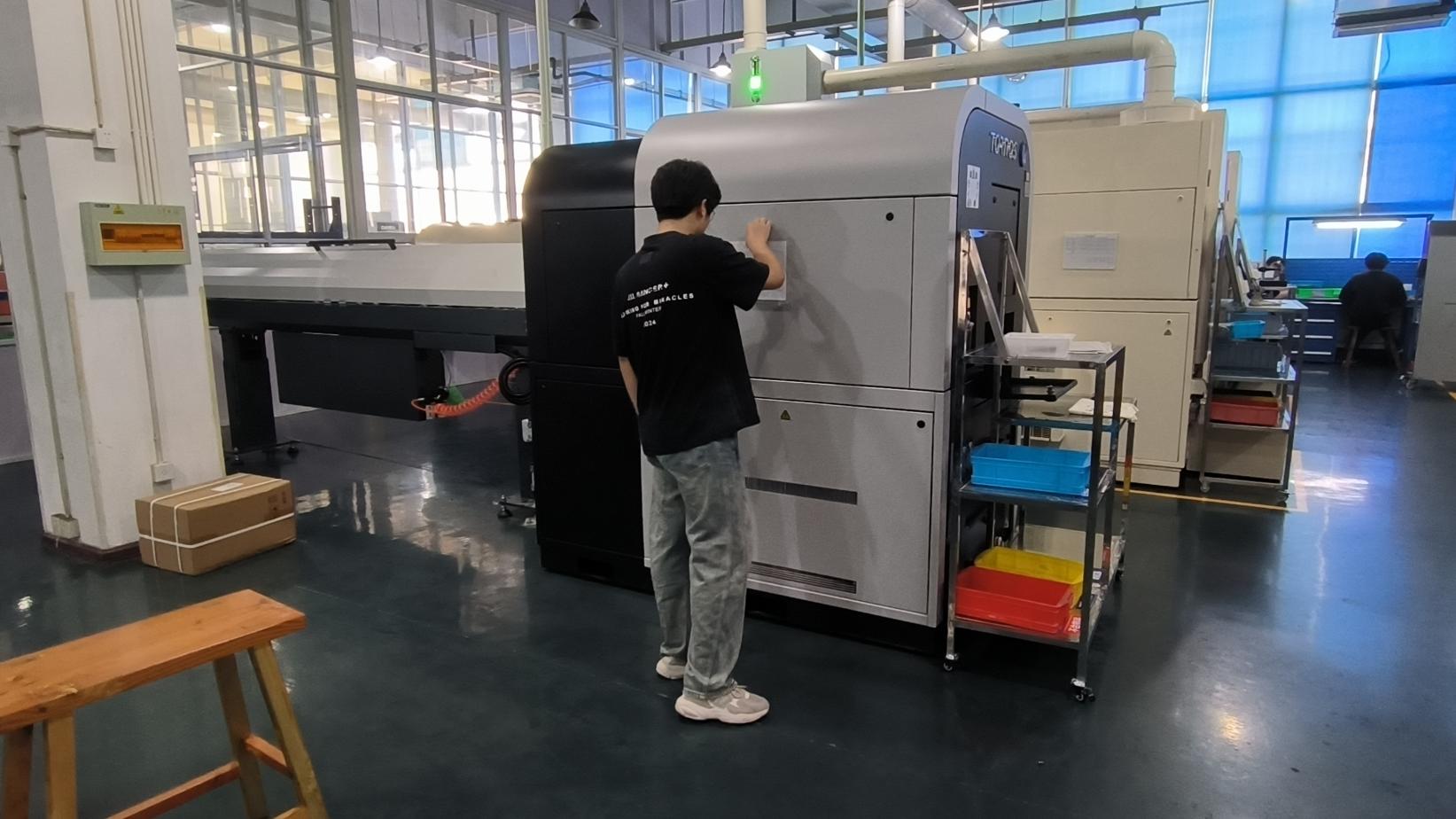
In the highly competitive medical device sector, supply chain resilience is paramount. Operating out of China's premier medical manufacturing clusters, our factory leverages unique advantages in raw material sourcing, manufacturing efficiency, and logistical integration. This allows us to offer premium-grade orthopedic instrument sets at highly competitive price points, without compromising on quality or delivery timelines.
Our supply chain advantages include:
The future of orthopedics lies in the convergence of mechanical precision and digital technology. Our technical roadmap focuses on integrating smart features into our OEM instrument sets to support the next generation of computer-assisted orthopedic surgery (CAOS):
We are actively developing instrument sets embedded with micro-sensors and RFID chips. These smart instruments can track usage cycles, monitor sterilization history, and provide real-time feedback on torque and force application during surgery, enhancing patient safety.
Our design team is collaborating with leading surgical navigation and robotic system developers. By adding optical and electromagnetic trackers to our custom instrument sets, we enable real-time 3D tracking of surgical tools relative to the patient's anatomy.
In line with global sustainability trends, we are researching the use of high-performance bio-based polymers for single-use instruments. This reduces the carbon footprint of surgical procedures while maintaining the mechanical strength required for bone preparation.
As a global exporter, we understand that regulatory compliance is non-negotiable. Our manufacturing facilities operate under a strict Quality Management System (QMS) certified to ISO 13485 standards for medical devices. Our products carry CE marking, ensuring compliance with the European Medical Device Regulation (MDR), and are registered with various national health authorities across Asia, Latin America, and Europe.
Every orthopedic instrument set undergoes a comprehensive validation protocol, including:
 Axton Orthopedic Implants