Explore our premium clinical products, engineered utilizing medical-grade Titanium and PEEK technologies to optimize stabilization, fusion, and biomechanical integration.
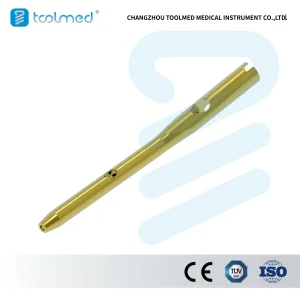
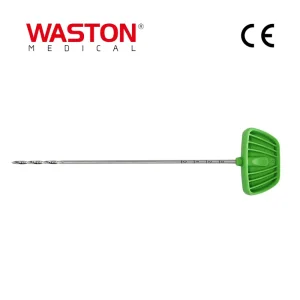
The orthopedic manufacturing industry is undergoing a critical transformation. Once focused primarily on standardized external bracing systems, modern medical needs demand a blend of highly customized internal implants, anatomical plates, and rigid external fixation systems. Globally, the rise in geriatric populations, sports-related trauma, and complex joint replacements has accelerated demand for medical devices that offer both biological safety and mechanics optimized for direct load-bearing.
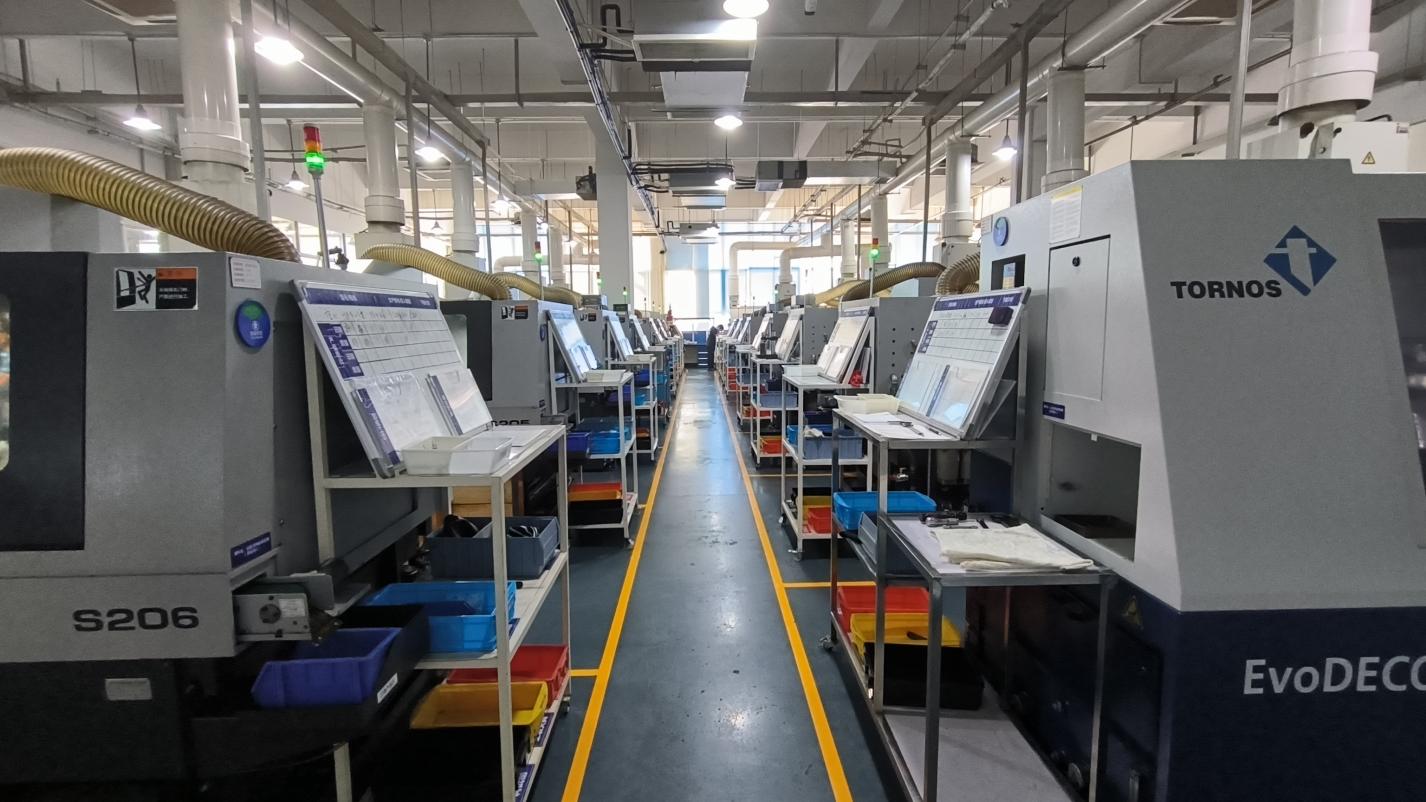
China's leading orthopedic factories have transitioned from basic manufacturing sites into high-precision, R&D-driven centers. Incorporating surgical-grade Titanium, ultra-high-molecular-weight polyethylene (UHMWPE), and Polyether ether ketone (PEEK), leading manufacturers produce hardware to meet stringent requirements of durability, biocompatibility, and integration. Today, Chinese orthopedic hubs serve critical global networks, producing certified implant options that compete directly with legacy Western brands in quality, tolerance, and regulatory compliance.
To date, our products have been widely used in dozens of countries across Asia, Latin America, Africa, and Europe, and have gained recognition from local distributors and surgeons. By maintaining a high-yield production baseline alongside adaptive clinical feedback loops, our facility bridges the gap between massive scale and high-precision manufacturing.
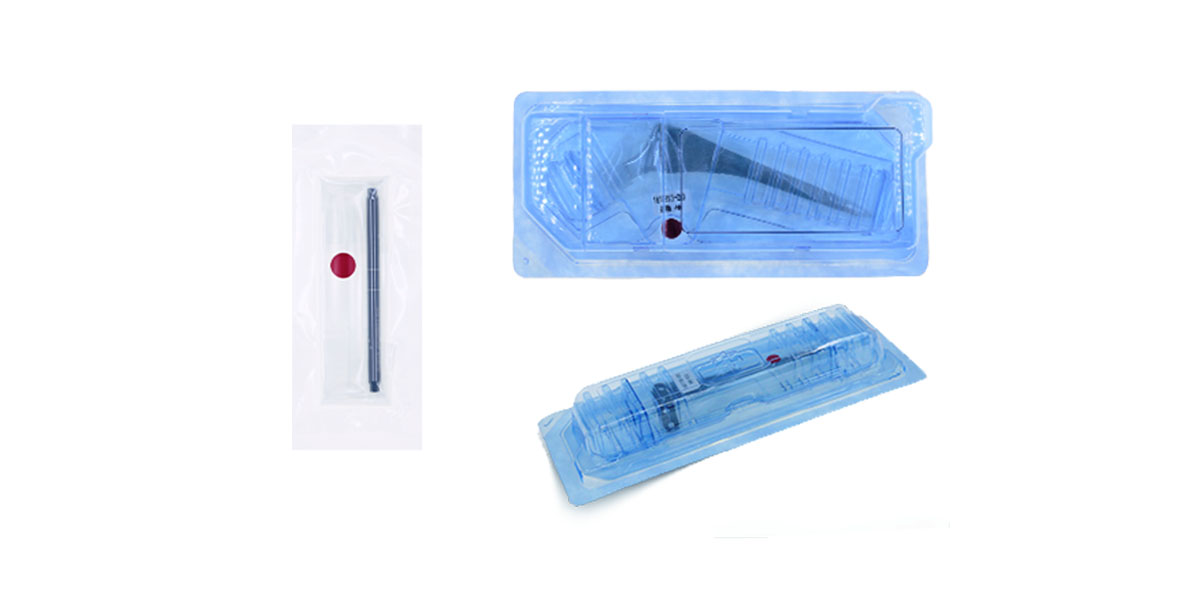
Traditional sub-tractive CNC milling leaves residual structural stresses and limits geometric complexity. Direct Metal Laser Sintering (DMLS) and Electron Beam Melting (EBM) 3D-printing technologies have introduced the ability to produce highly porous structures. These mimic natural trabecular bone, encouraging rapid osteointegration and lowering the rate of implant rejection or loosening.
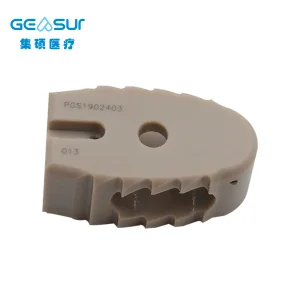
Polyether ether ketone (PEEK) has established itself as the premier choice for spinal fusion cages and suture anchors due to its radiolucency and biomechanical elastic modulus, which closely mirrors human cortical bone. This helps avoid "stress shielding"—a major cause of implant-adjacent bone resorption. The addition of bio-active titanium coatings further improves direct cell adhesion.
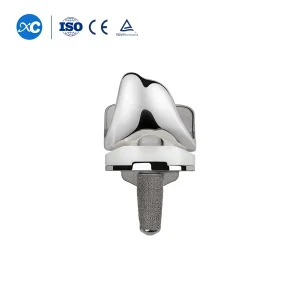
Modern implant integrity depends heavily on surface micro-topography. Advanced Type II and Type III anodization, coupled with plasma sprayed titanium or hydroxyapatite (HA) coatings, dramatically accelerates early stability. These surface modifications provide an active osteoconductive matrix while significantly reducing friction and wear debris.
A major strength of the company lies in its expertise in 3D printing and customization. With advanced technology, the company is able to create personalized medical devices that perfectly fit each patient. This customization not only enhances treatment outcomes but also improves patient comfort and overall satisfaction. We offer orthopedic implants, joint implants, brushless motors, and other products.
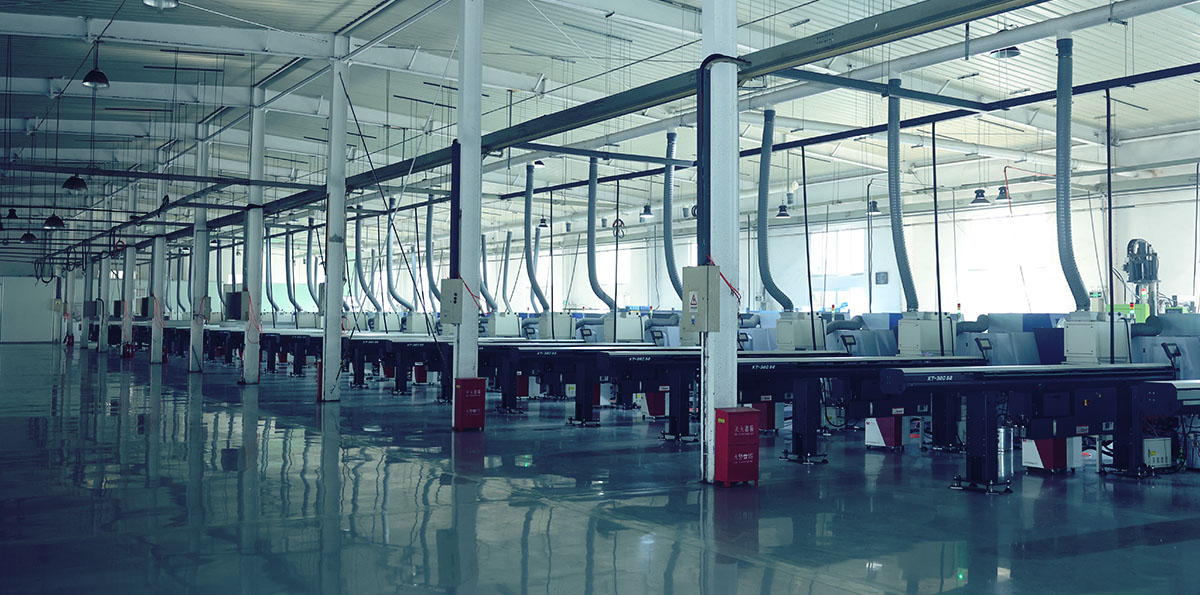
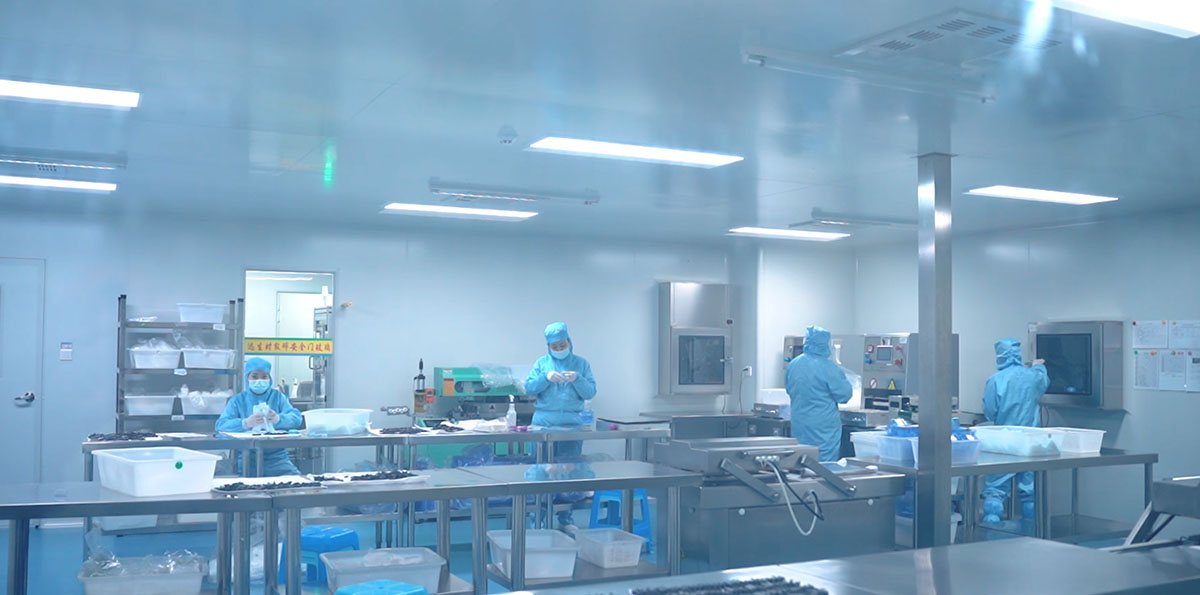
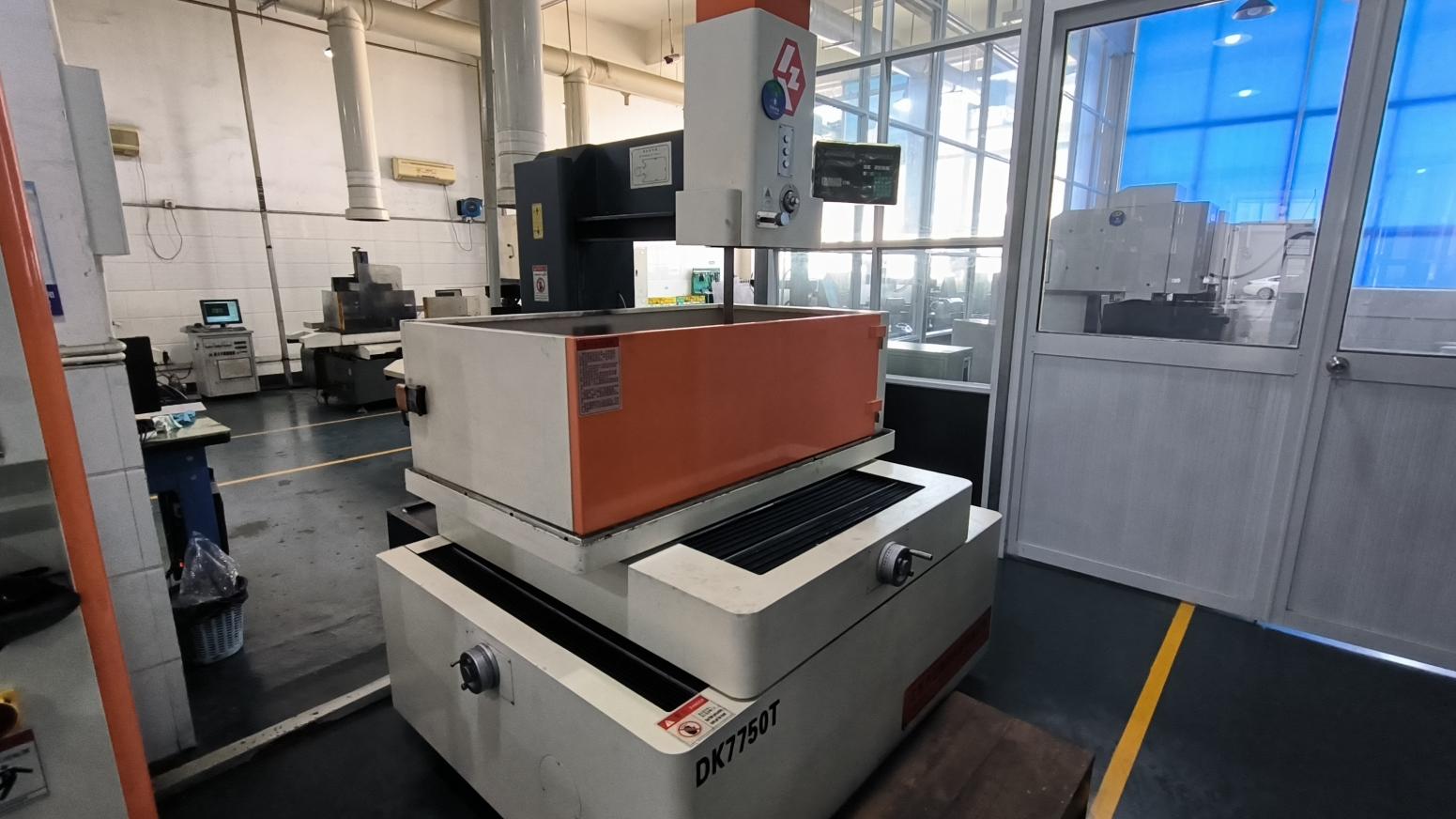
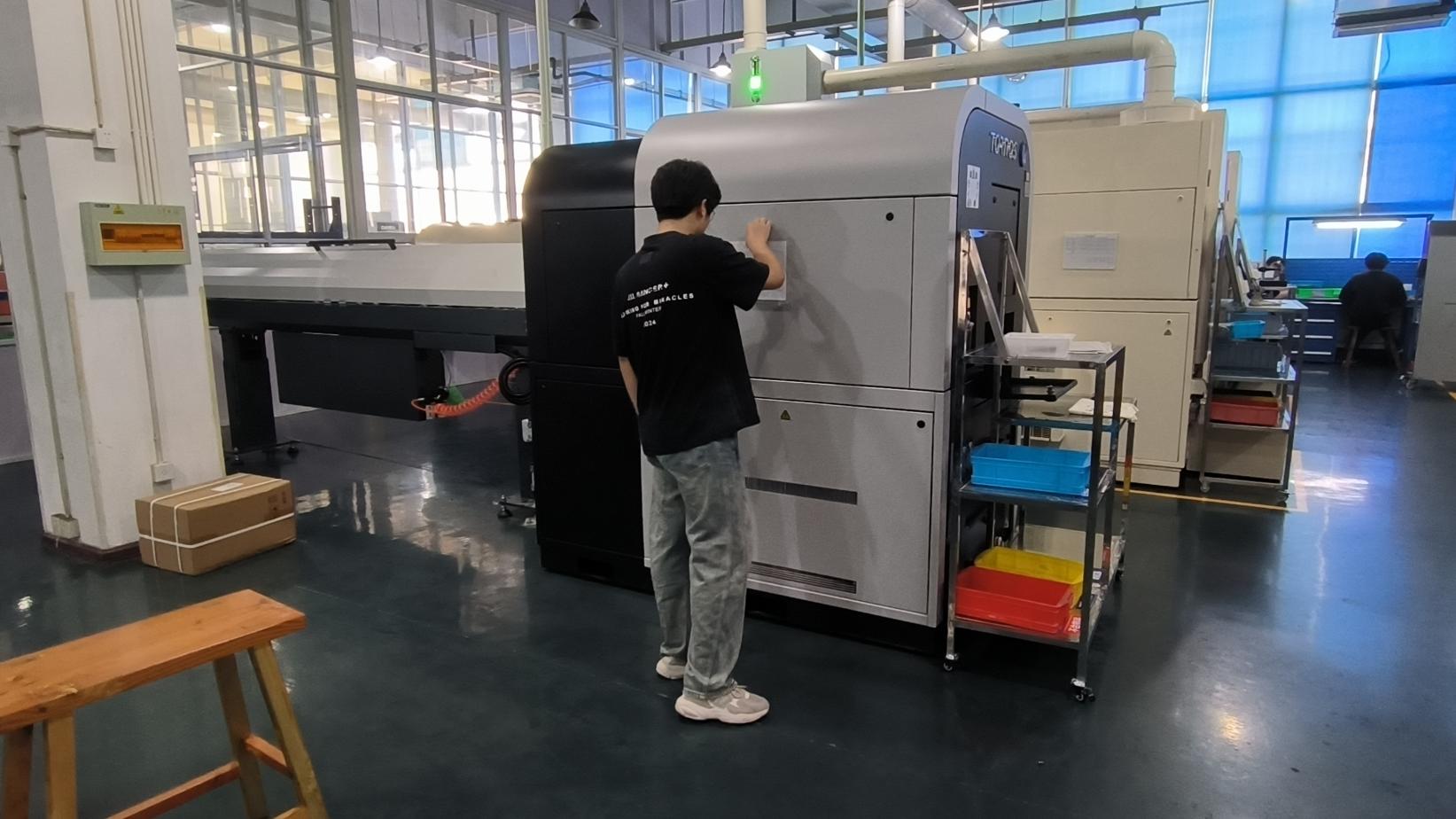
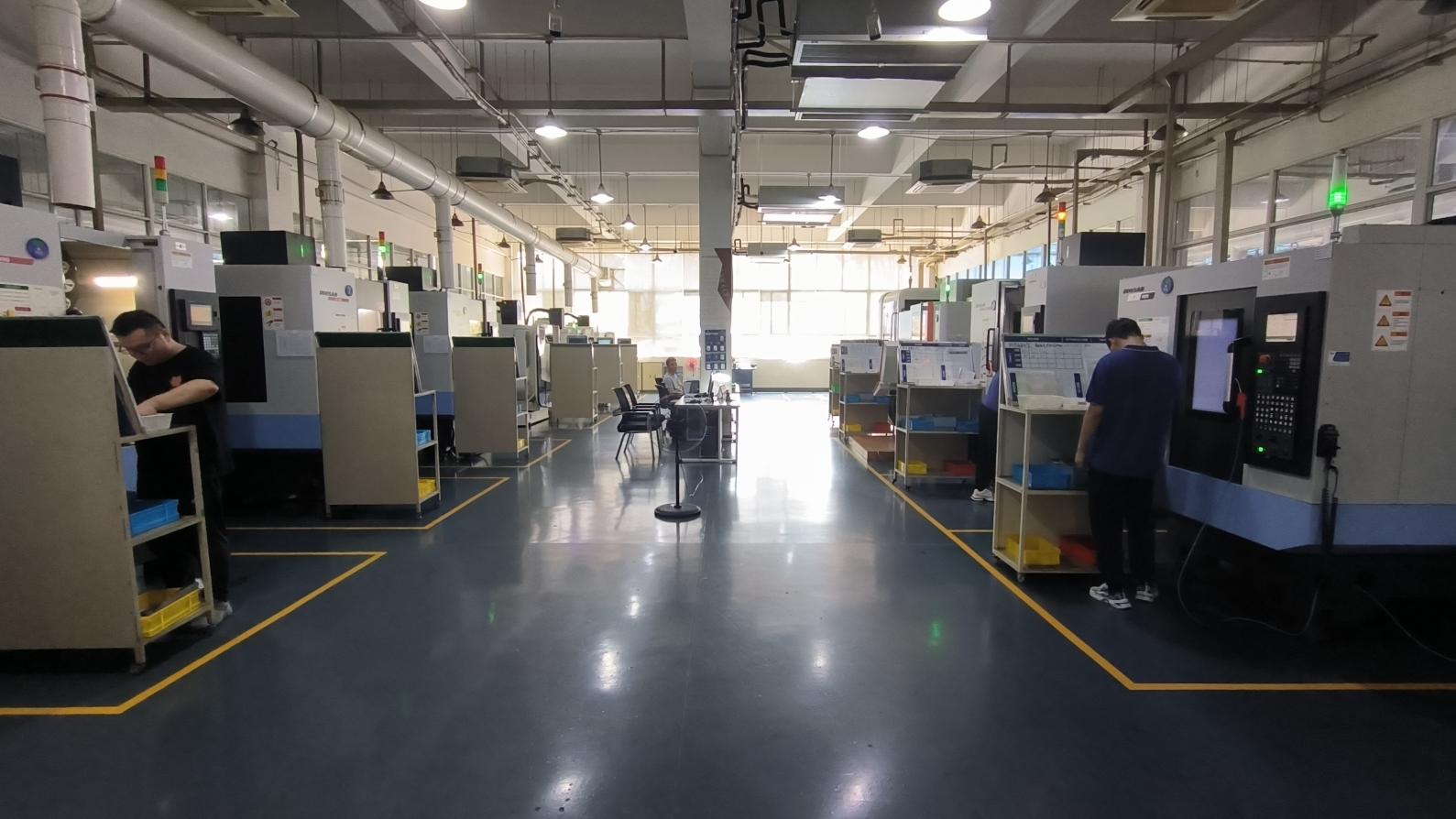
Our production facility implements rigorous processing steps, from selecting raw materials to high-precision wire cutting and finishing, ensuring every implant conforms to ISO 13485 standards.
Utilizing anterior cervical plates, titanium pedicle screws, and PLIF/OLIF PEEK cages to restore sagittal alignment. The combination of rigid screw-rod fixation and osteoconductive cages allows for predictable interbody fusion, stabilizing degenerative disc diseases, spondylolisthesis, and complex spinal deformities.
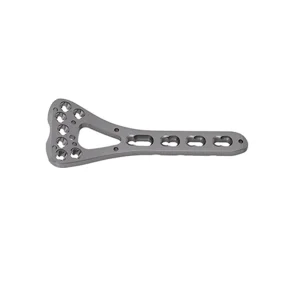
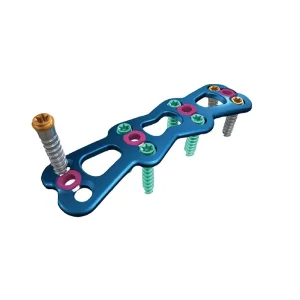
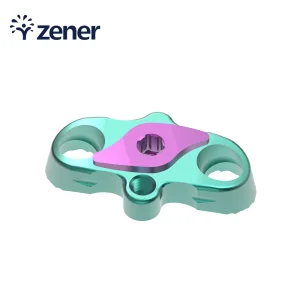
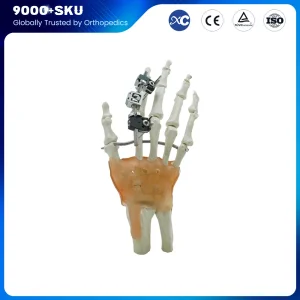
Targeted solutions for high-energy skeletal trauma. Multiaxial locking distal radius plates, proximal femoral nails (PFNA/Gamma systems), and custom mini-plates are optimized to preserve local blood supply. They provide stable fragment fixation and support early, active patient mobilization.
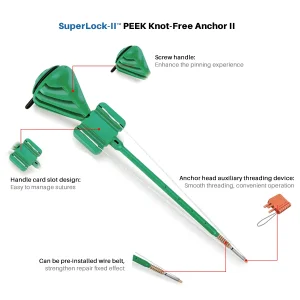
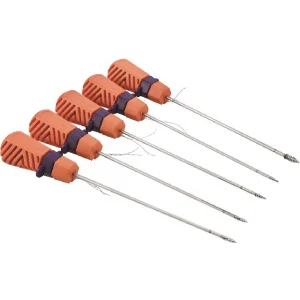
High-tensile, knot-free PEEK suture anchors allow surgeons to execute precise rotator cuff repairs, labral re-attachment, and ligament reconstructions. These micro-implants provide high pull-out strength, clean biosafety profiles, and low instrumentation profiles.
Our long-term R&D roadmap focuses on moving beyond passive biostability. Future clinical hardware will integrate bioactive coatings capable of active drug delivery, such as releasing localized bone morphogenetic proteins (BMPs) or custom antimicrobial agents directly at the surgical site.
Additionally, we are expanding our custom pre-operative planning software. By pairing medical CT imaging with our in-house metal 3D-printing systems, we provide surgeons with complex anatomical models and matching implants in fraction of the traditional lead time. This custom fit minimizes intraoperative adjustments, shortens anesthesia times, and helps reduce post-operative complications.
Expert answers addressing materials, safety standards, customizations, and supply chain questions for global distributors.
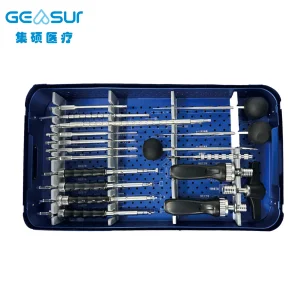
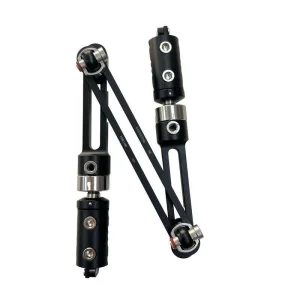
Review our specialized instrument sets, pedicle screws, and external fixation hardware designed for complex bone stabilization and spinal fusion procedures.
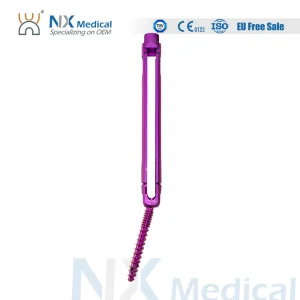
 Axton Orthopedic Implants