A Comprehensive Clinical and Industrial Analysis of Suspensory Cortical Fixation Devices, Titanium Metallurgy, and Global Procurement Trends.
In ligament reconstruction surgery—particularly Anterior Cruciate Ligament (ACL) and Posterior Cruciate Ligament (PCL) reconstructions—establishing robust, reliable, and biologically sound fixation is paramount to clinical success. Over the past three decades, suspensory cortical fixation using orthopedic loop buttons has emerged as the Gold Standard for securing soft-tissue grafts within the femoral tunnel.
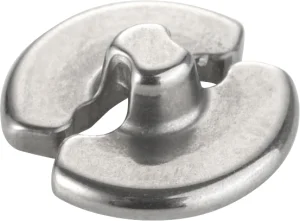
The fundamental biomechanical objective of an Endobutton is to distribute physiological loads across the outer cortex of the distal femur. Unlike interference screws, which rely on compression between the graft and the bone tunnel wall (potentially compromising graft vascularization and causing structural shear stress), cortical suspensory devices anchor directly onto the outer cortical shell. This design distributes tensile forces along the longitudinal axis of the reconstructive graft, maximizing stability during the critical early phases of tendon-to-bone healing (ligamentization).
High-performance implants require precision metallurgy. The selection of materials for Endobutton loops and plates is constrained by stringent biocompatibility, corrosion resistance, and fatigue life criteria. Most premium medical button implants are fabricated from medical-grade Titanium Alloy (specifically Ti-6Al-4V ELI / Grade 23) or Pure Titanium (Grade 4). Titanium is naturally bio-inert and forms a passive titanium dioxide layer upon exposure to oxygen, preventing degradation in physiological environments.
The loop component, which bridges the titanium button and the soft tissue graft, is woven from ultra-high molecular weight polyethylene (UHMWPE) or polyester braids. These fibers provide superior fatigue resistance, ultra-low friction coefficients, and zero structural creep. This ensures that the distance between the button and the graft remains constant throughout the multi-month rehabilitation period, avoiding laxity in the reconstructed joint.
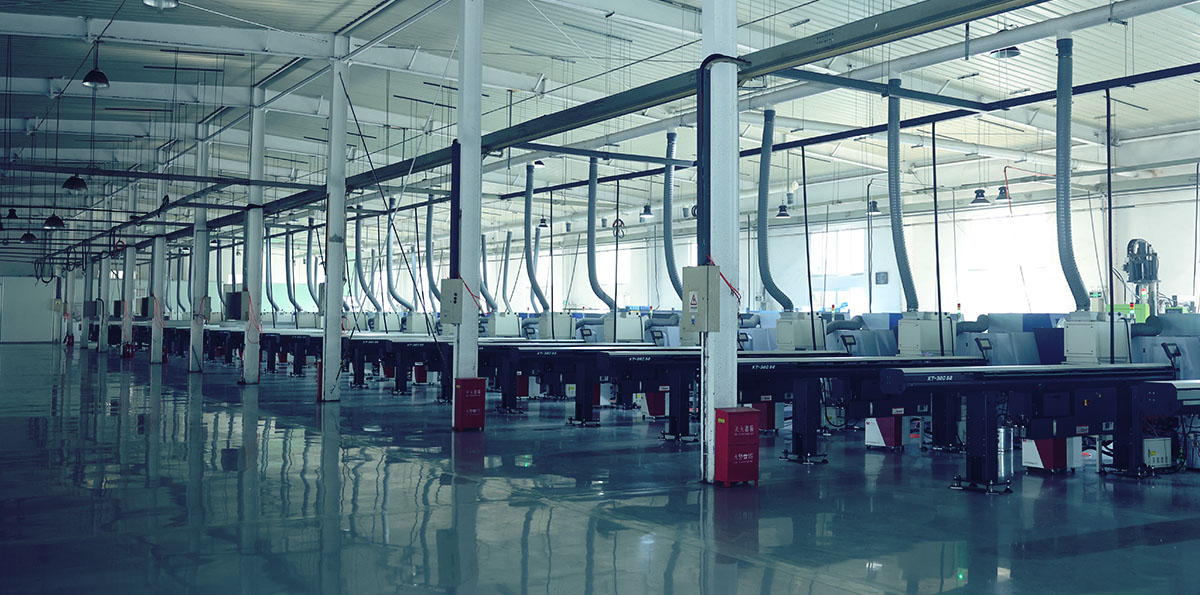
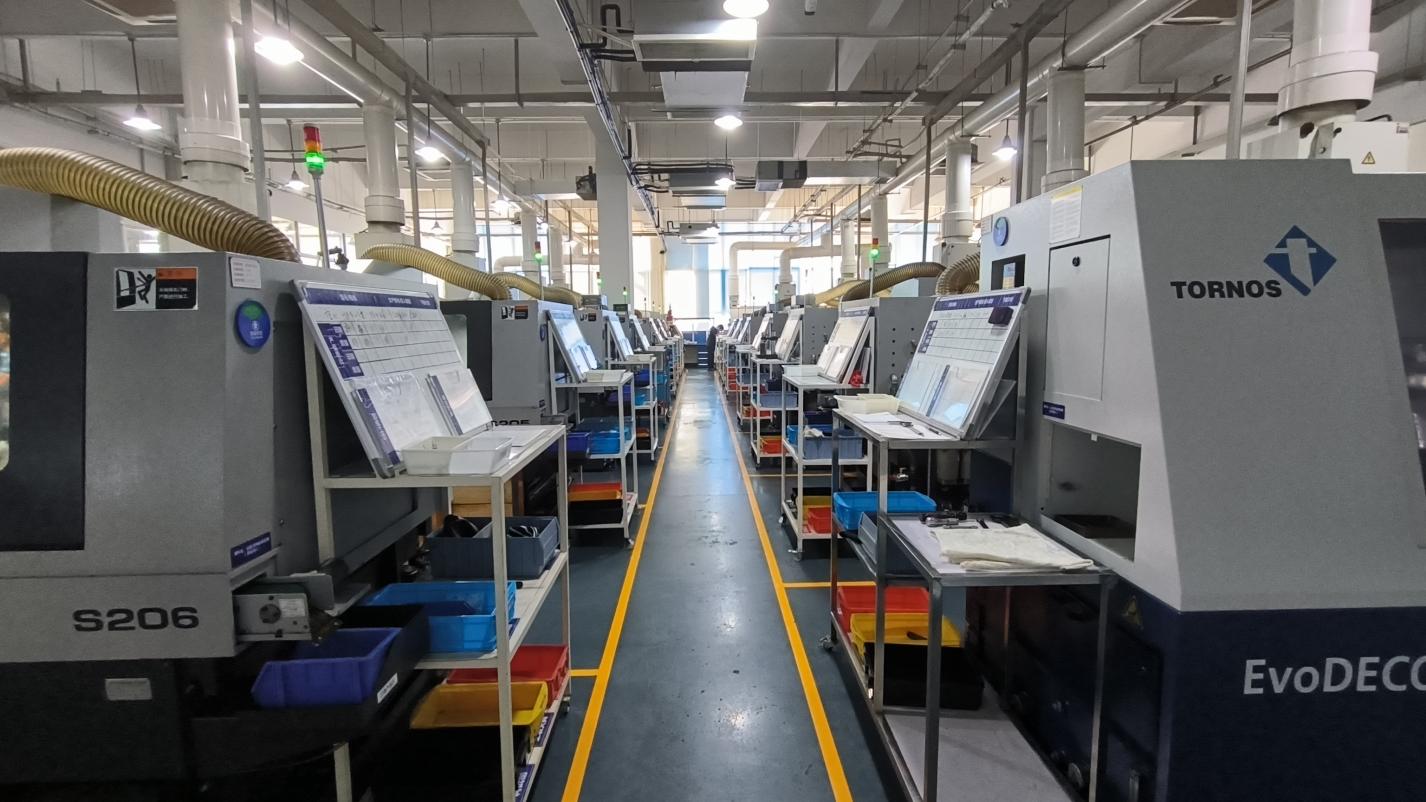
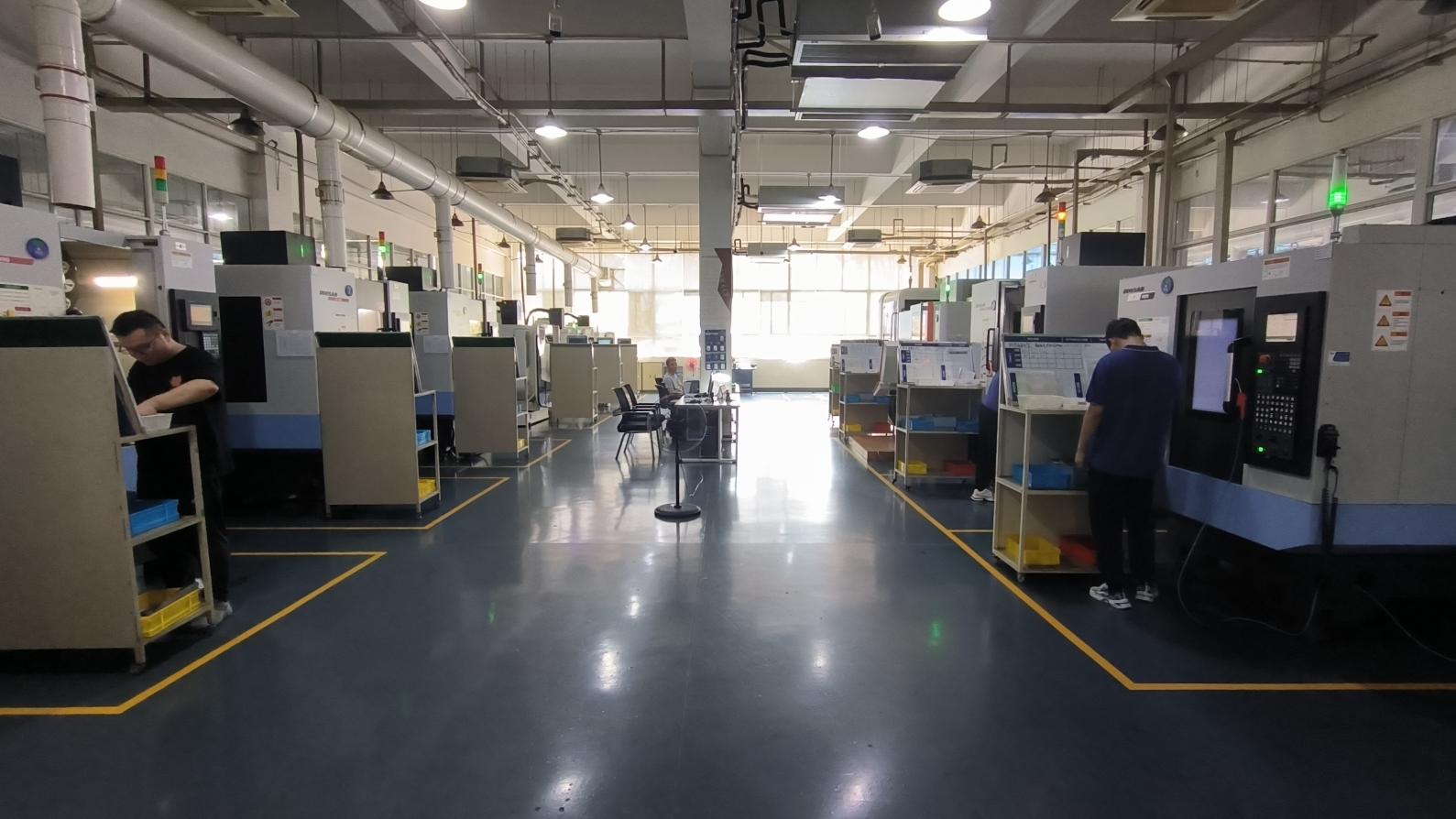
Our manufacturing processes leverage high-speed precision wire-cutting electrical discharge machining (EDM) and CNC milling. These methods achieve tolerances within ±0.005mm, ensuring smooth radiused edges that prevent thread fraying or loop cutting. Advanced finishing techniques, including electrochemical polishing and type II anodization, improve surface uniformity, sterilizability, and long-term mechanical safety.
The global sports medicine market is expanding rapidly, driven by rising sports participation, a growing aging population seeking active lifestyles, and advancements in minimally invasive arthroscopic surgeries. Hospital procurement directors and orthopedic distributors face the dual challenge of sourcing implants that meet strict safety guidelines while managing healthcare delivery costs.
Historically dominated by a small number of multinational brands, the market has shifted toward high-quality, ISO-certified international manufacturing hubs. China's medical device industry has transitioned from low-value consumables to advanced active implants and precision joint-reconstruction components. By leveraging advanced domestic manufacturing networks, Chinese factories supply implants to markets across Asia, Latin America, Africa, and Europe, receiving recognition from clinical specialists and distribution partners alike.
Sourcing titanium buttons and suture anchors from China offers significant strategic advantages for B2B procurement:
One of the industry's most significant technological shifts is the adoption of Additive Manufacturing (3D printing). For complex joint reconstructions, revision surgeries, or unique anatomical variations, standard off-the-shelf implants may not provide sufficient support.
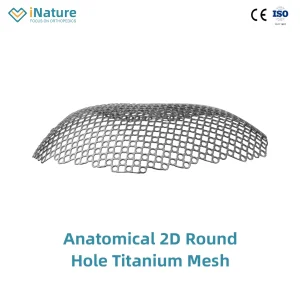
Using Electron Beam Melting (EBM) and Direct Metal Laser Sintering (DMLS), modern factories fabricate patient-matched orthopedic implants, including custom spinal cages, acetabular cups, and reconstruction plates. Computed Tomography (CT) scans of the patient are processed via CAD modeling to produce custom-tailored devices. These printed titanium structures feature a controlled porous architecture that mimics natural trabecular bone, promoting rapid osseointegration and improving long-term implant survival.
Our manufacturing foundation leverages decades of specialized orthopedic engineering experience, supporting medical distributors with reliable supply chains.
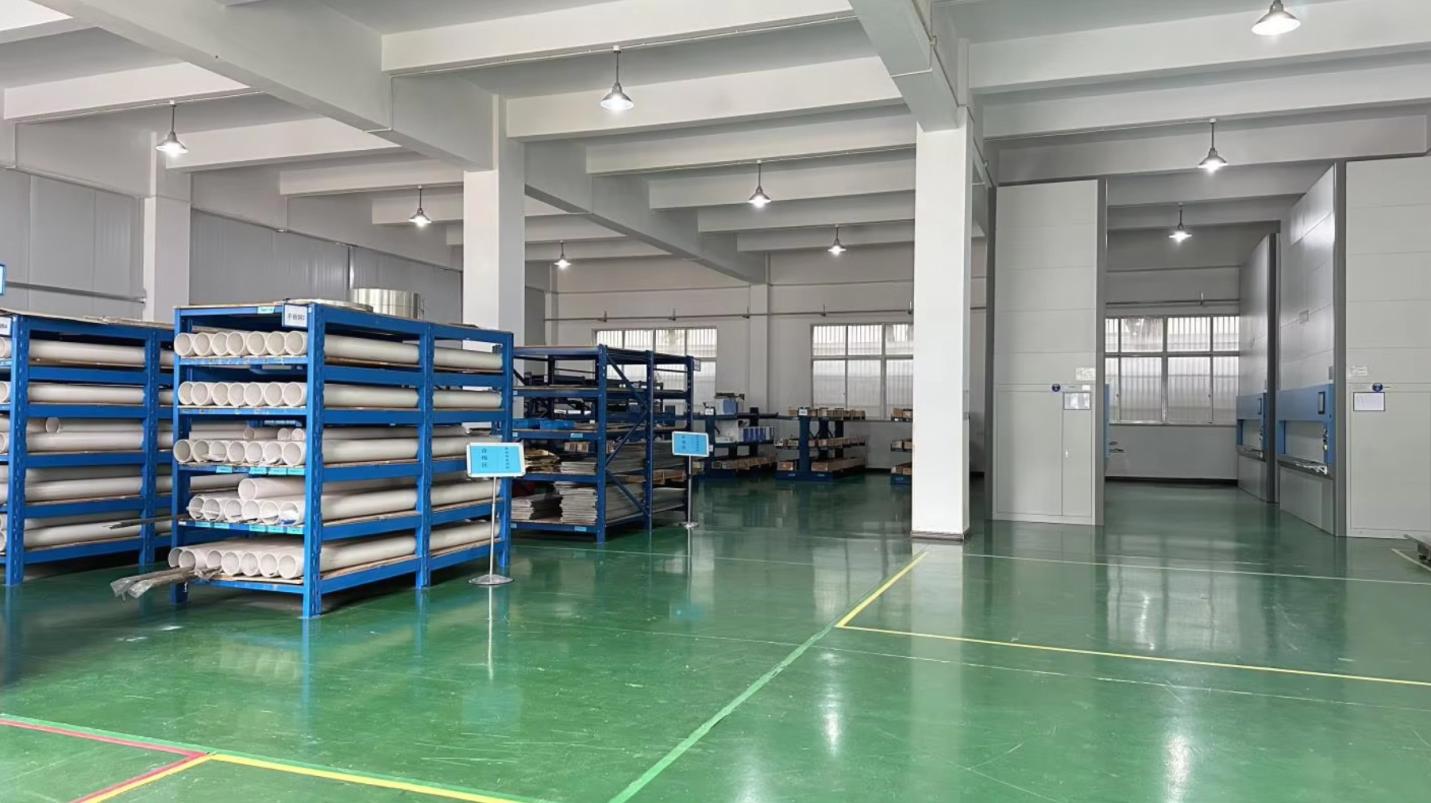
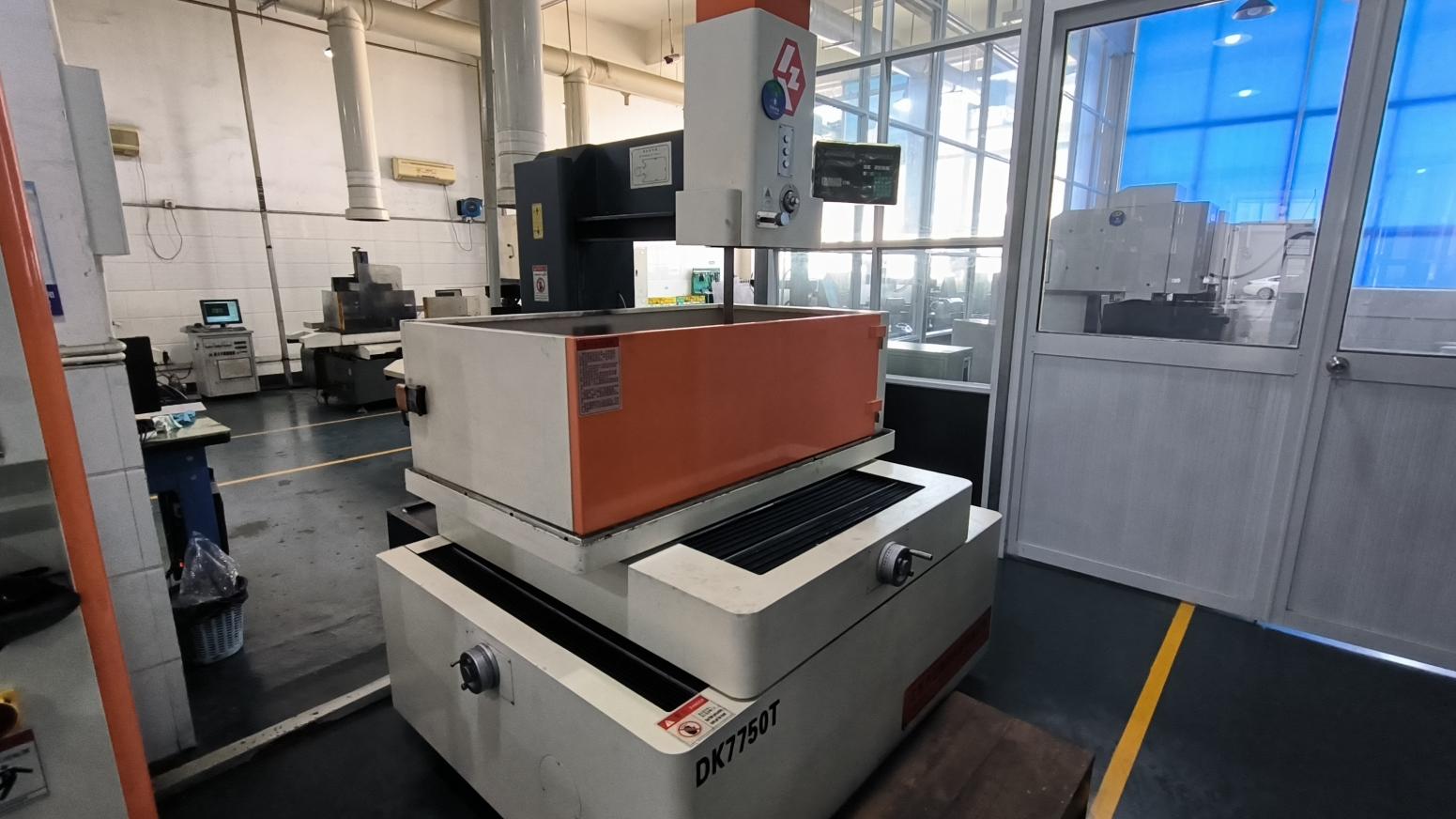
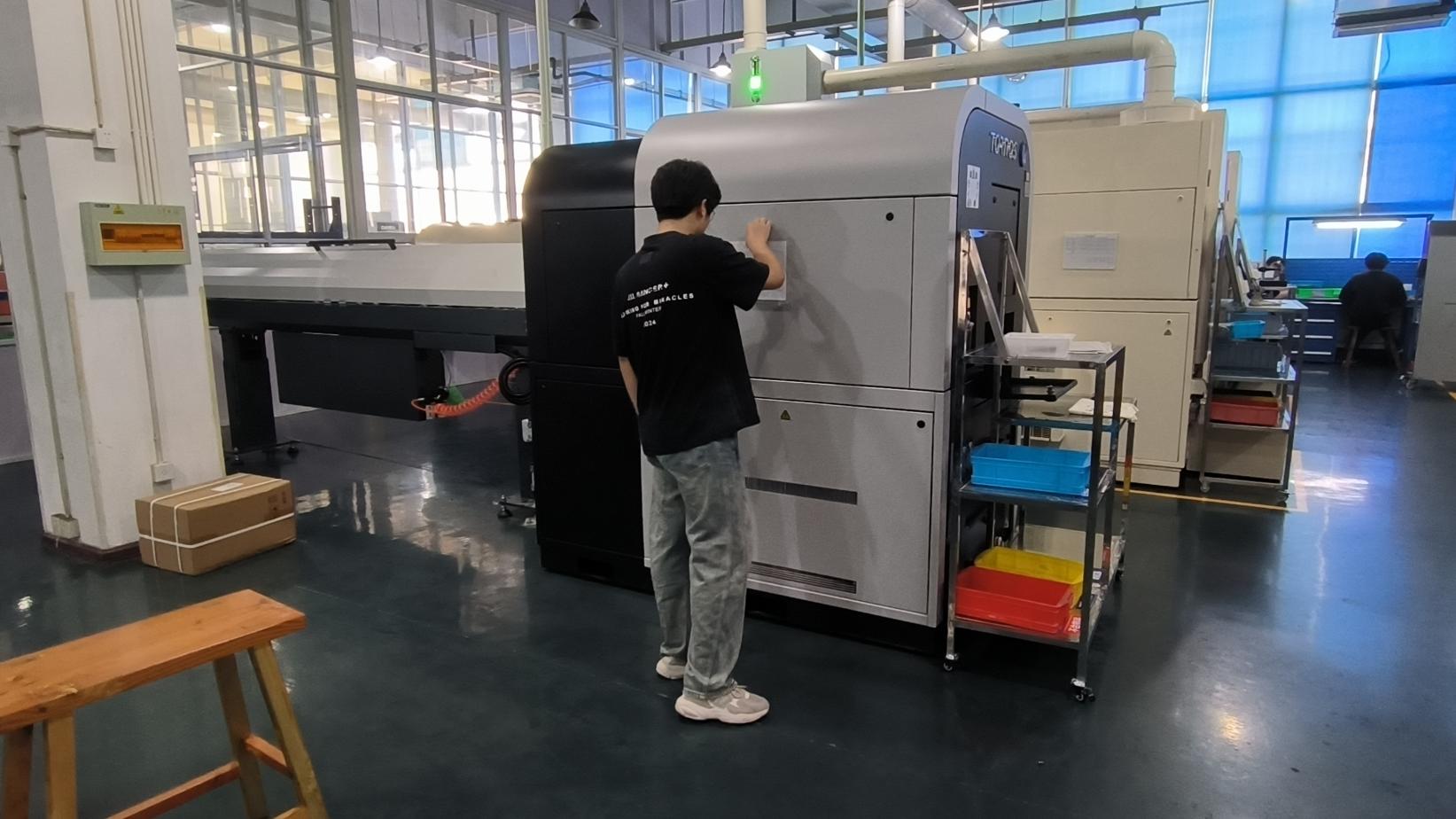
Understanding the transition toward adjustable-loop technology, smart materials, and cost-efficient sourcing models.
Fixed-loop cortical buttons require surgeons to maintain inventory of multiple loop lengths (e.g., 15mm to 50mm in 5mm increments). In contrast, adjustable-loop technology allows surgeons to tighten the loop intraoperatively to pull the graft into the tunnel, maximizing tunnel fill. This simplifies inventory management for hospitals and distributors.
Surface modification techniques, such as micro-arc oxidation (MAO) and hydroxyapatite (HA) coating, are increasingly applied to titanium buttons. These coatings accelerate bone-to-implant integration on the femoral cortex, minimizing the risk of postoperative implant migration.
Procurement teams must prioritize manufacturing partners that offer regulatory technical documentation (DMF files, biocompatibility reports, sterilization validation records) alongside competitive unit prices. Working directly with ISO 13485 factories allows companies to bypass intermediary margins.
Answers to common questions regarding biomechanics, material specifications, regulatory certifications, and procurement logistics.
The metallic button plate is typically fabricated from high-strength Ti-6Al-4V ELI (Grade 23) titanium alloy, which offers excellent biocompatibility, corrosion resistance, and high tensile strength. The pre-threaded loops are braided from Ultra-High Molecular Weight Polyethylene (UHMWPE) and polyester, providing high mechanical strength and low creep.
Fixed-loop buttons have a pre-measured loop length, requiring accurate tunnel measurement before loop selection. Adjustable-loop buttons use a one-size-fits-all design, allowing the surgeon to pull on tensioning strands to draw the graft into the bone tunnel. This helps ensure maximum graft-in-tunnel length while simplifying hospital stock requirements.
Yes. All manufactured orthopedic implants, including our cortical buttons, suture anchors, and plates, conform to ISO 13485 quality systems and are CE certified. This certification supports compliance with registration processes in Europe, Latin America, Asia, and Africa.
For standard off-the-shelf catalog products, typical lead times range from 7 to 15 days. For custom OEM/ODM orders involving specialized loop configurations, customized branding, or custom surgical kits, production lead times generally range between 30 and 45 days, depending on technical specifications and volume.
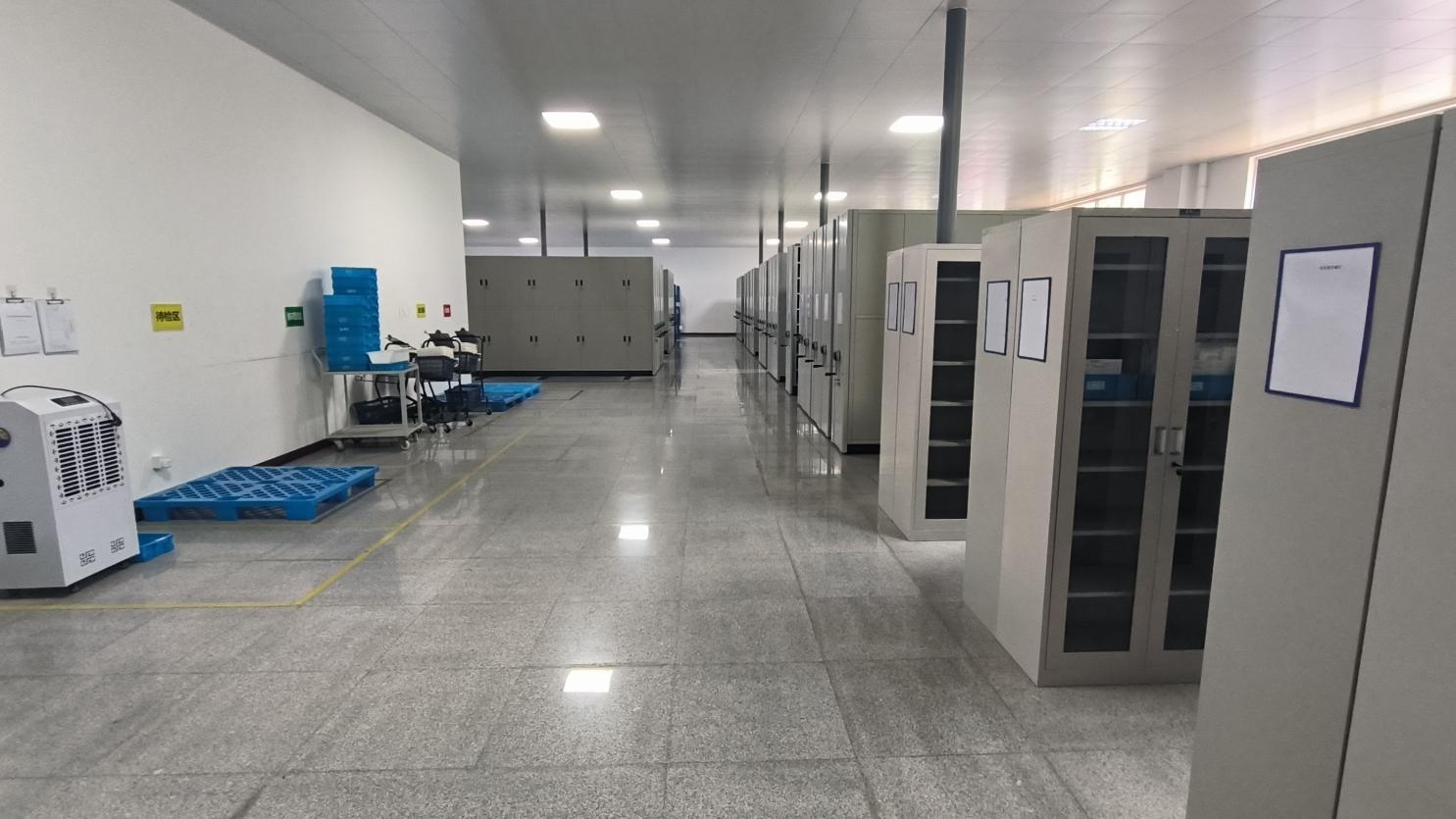
Every batch of raw medical-grade titanium alloy is sourced from certified mills and undergoes chemical analysis, mechanical property testing, and microstructure verification. We maintain traceability records for all materials from raw state to finished sterile implant.
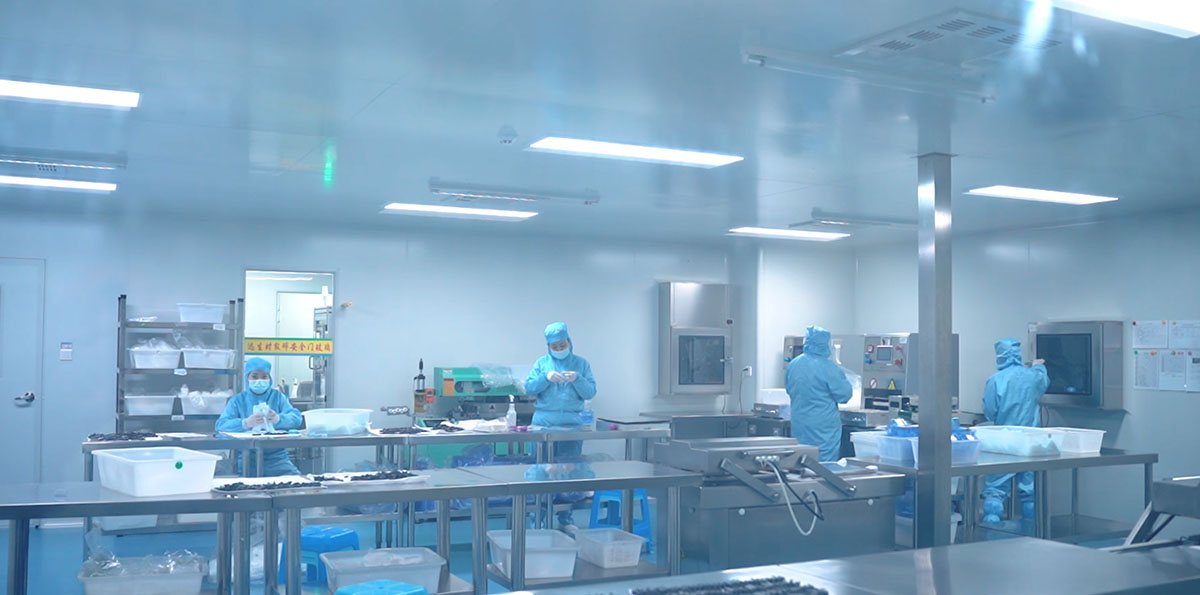
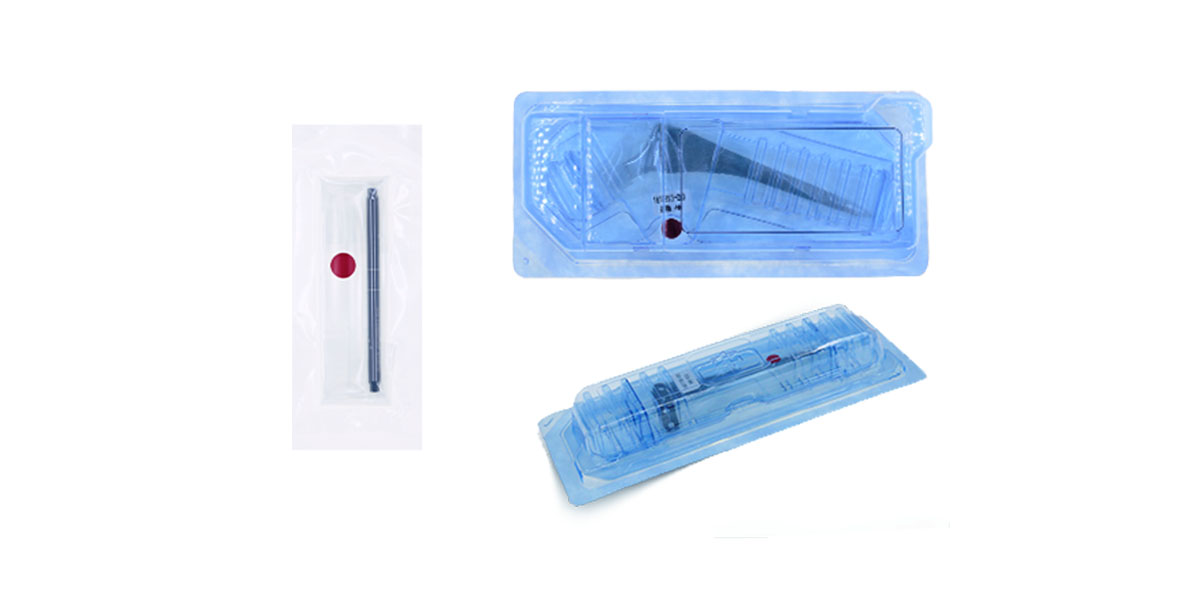
Yes. We offer medical-grade sterile barrier packaging (Tyvek pouches) cleanroom-assembled to ISO Class 7 standards. We can integrate your custom brand labels, product barcodes, and sterilization indicators according to your local market regulations.
Suspensory fixation anchors the graft on the outer cortex rather than inside the tunnel. When paired with high-stiffness UHMWPE loops, this setup reduces the micro-motion of the graft against the tunnel walls. This minimizes mechanical friction and prevents biological tunnel widening compared to traditional interference screw methods.
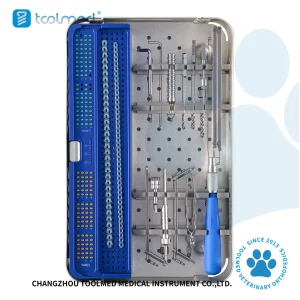
Yes. We manufacture matching surgical instrument sets, including drill bits, depth gauges, graft tensioners, and insertion guides. These instruments can be customized and finished with titanium nitride coatings for durability.
 Axton Orthopedic Implants