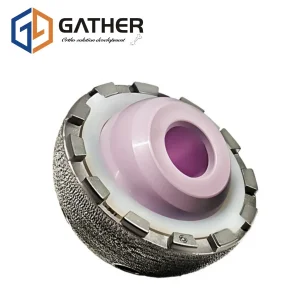
Explore our globally trusted range of clinical-grade orthopedic systems, precision trauma fixation kits, and joint prosthesis accessories engineered to elevate patient care and surgical outcomes.
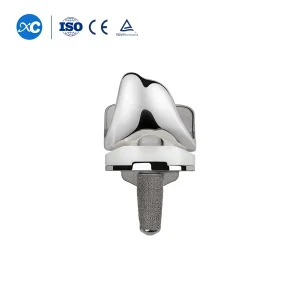
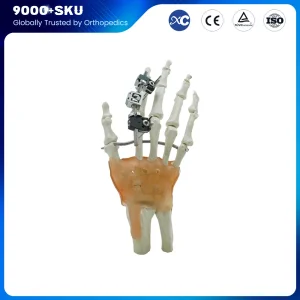
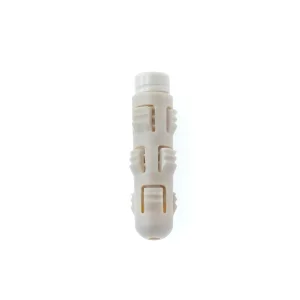
The global market for elbow joint implants is undergoing a massive transformation, driven by an aging demographics curve, rises in post-traumatic reconstructions, and the increased precision of surgical interventions. Modern total elbow arthroplasty (TEA) demands highly bio-compatible, high-strength implant configurations capable of replicating complex hemi-constrained and unconstrained kinematics.
As a leading orthopedics and joint replacement innovator, we address this industrial demand by offering complete systems—ranging from distal humeral and proximal ulnar components to advanced radial head replacements. By integrating biomechanical research with ISO 13485 production standards, our manufacturing facilities produce implants that lower revision rates and extend device lifespans.
Today, our specialized joint and trauma systems are deployed across dozens of countries in Asia, Latin America, Africa, and Europe, garnering widespread clinical acclaim from orthopedic surgeons and international distributors alike.
Our production workflows operate under strict sterile cleanroom rules, ensuring that all components—whether knee, elbow, or spine systems—arrive with pristine biocompatibility profiles.
We work in close collaboration with global distribution partners to provide custom-made trial sets, instruments, and localized surgical training materials.
A major strength of our organization lies in our dedicated focus on 3D printing and custom medical device manufacturing. Standard elbow joint implants often fail to accommodate unusual bone loss, complex post-traumatic fractures, or anatomical anomalies. Our digital manufacturing workflow solves this by utilizing direct metal laser sintering (DMLS) of medical-grade Titanium alloy (Ti-6Al-4V ELI).
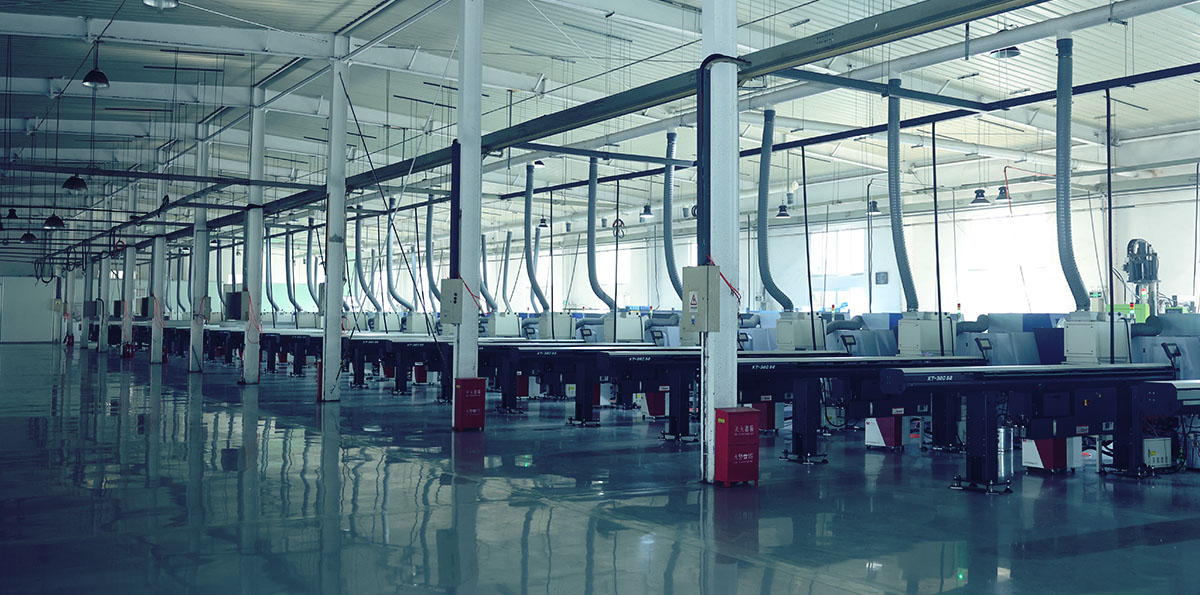
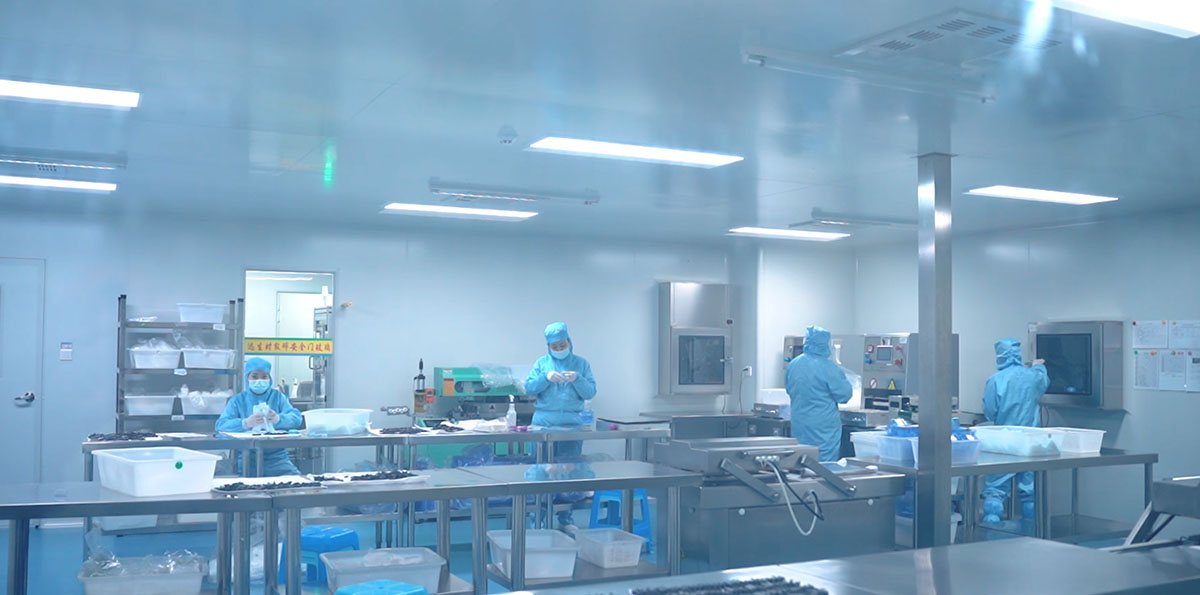
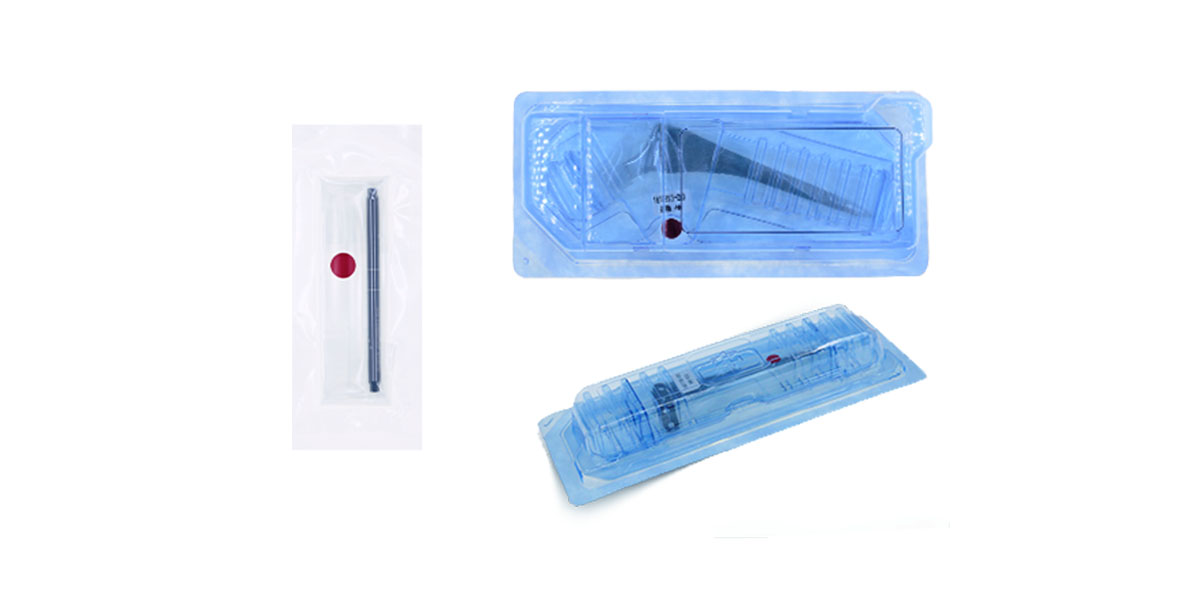
By processing DICOM data files from high-resolution CT scans, our clinical engineers map out the specific geometry of the patient's distal humerus and proximal ulna. We then construct custom-matched stems, modular flanges, and porous bone-interface surfaces that encourage rapid osseointegration. This level of personalized customization significantly reduces operation time, optimizes biomechanical load paths, minimizes implant migration, and drastically enhances post-operative range of motion.
For over a decade, we have scaled our production facilities to offer comprehensive orthopedic joint reconstruction, trauma fixation, spine fusion cages, and advanced biomaterials. Our capabilities are backed by rigorous industrial metrics:
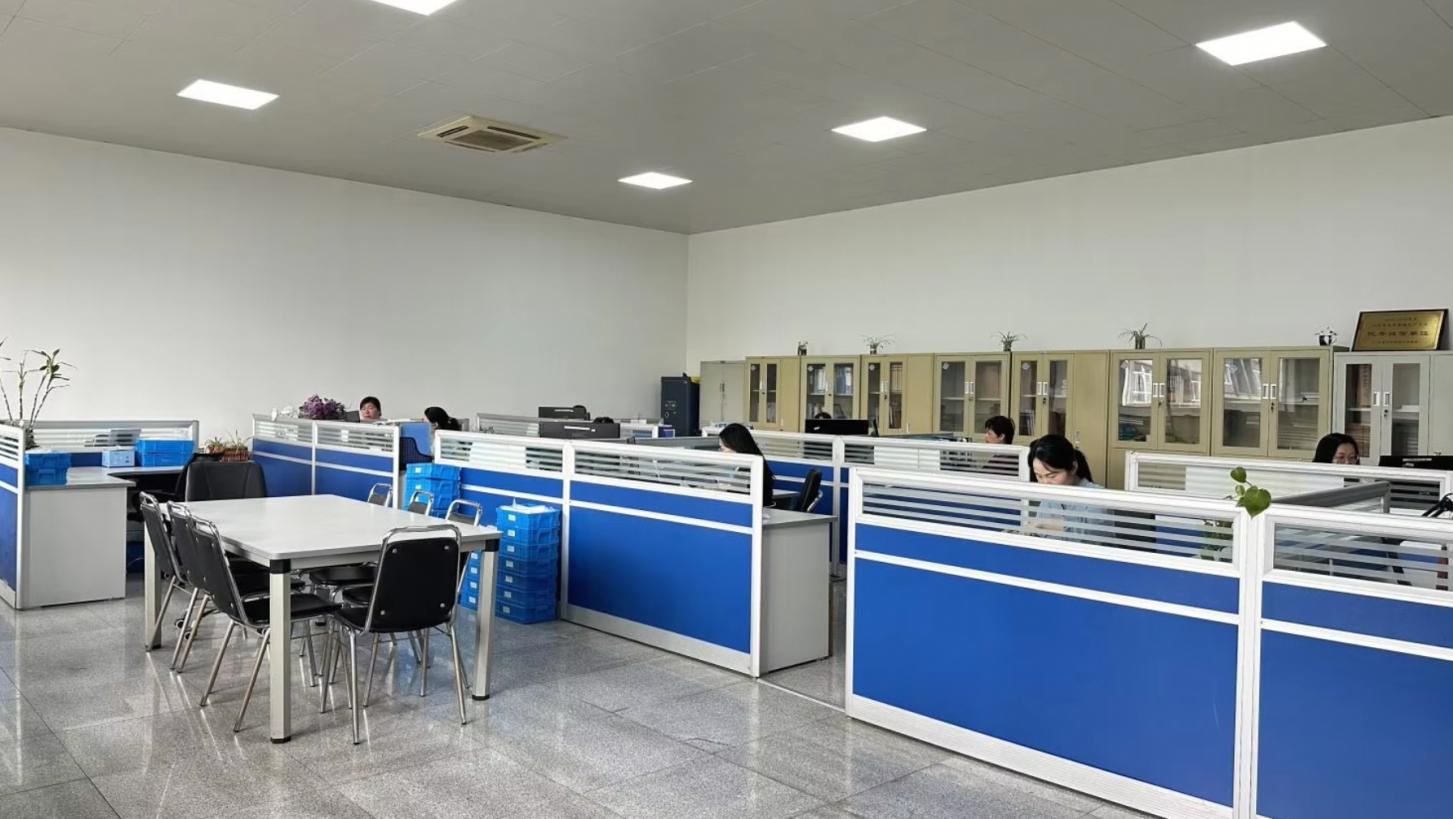
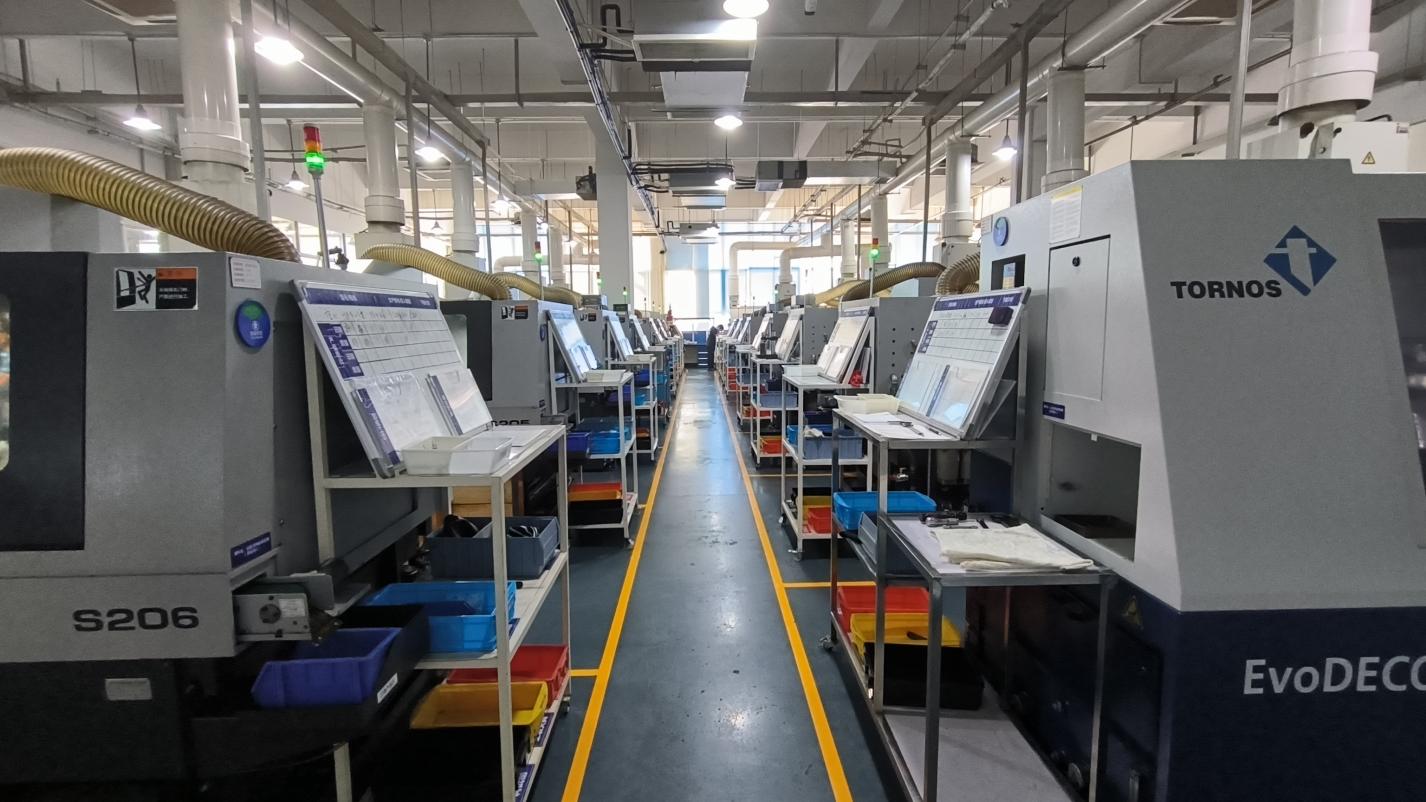
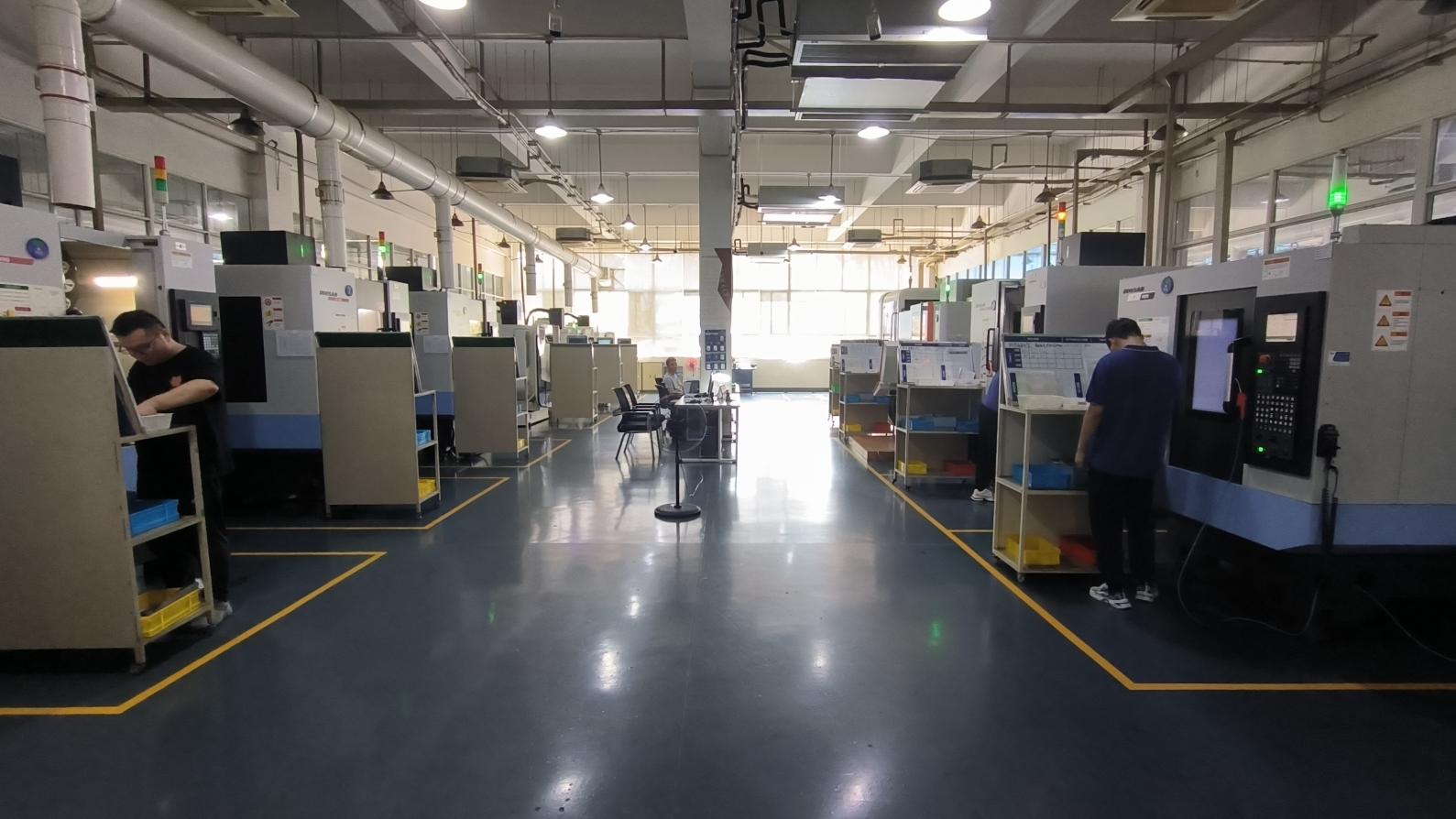
To assure maximum safety, we employ high-grade biomaterials combined with industry-standard production steps, ensuring complete traceability from raw feedstock to sterilized clinical implants.
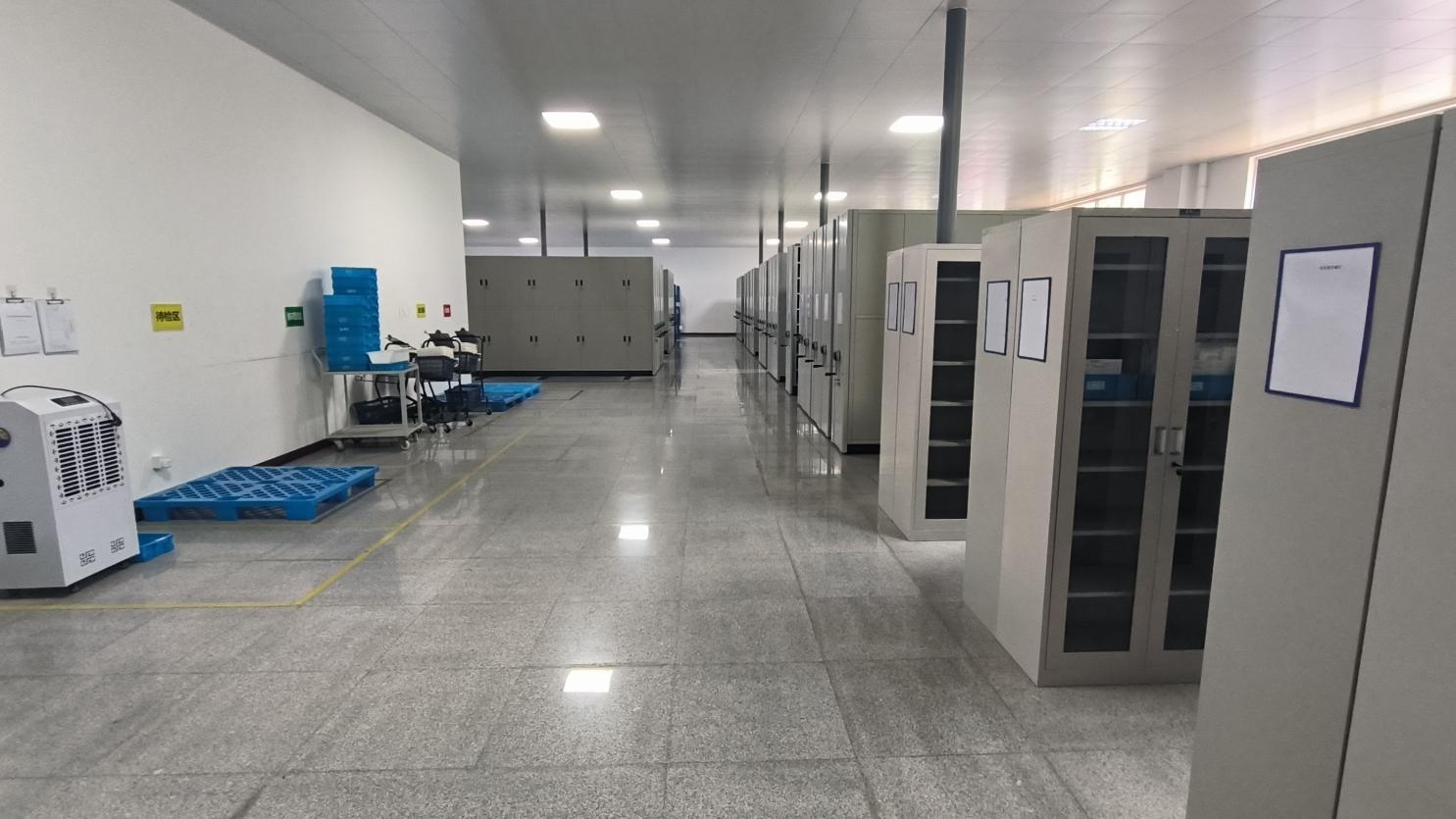

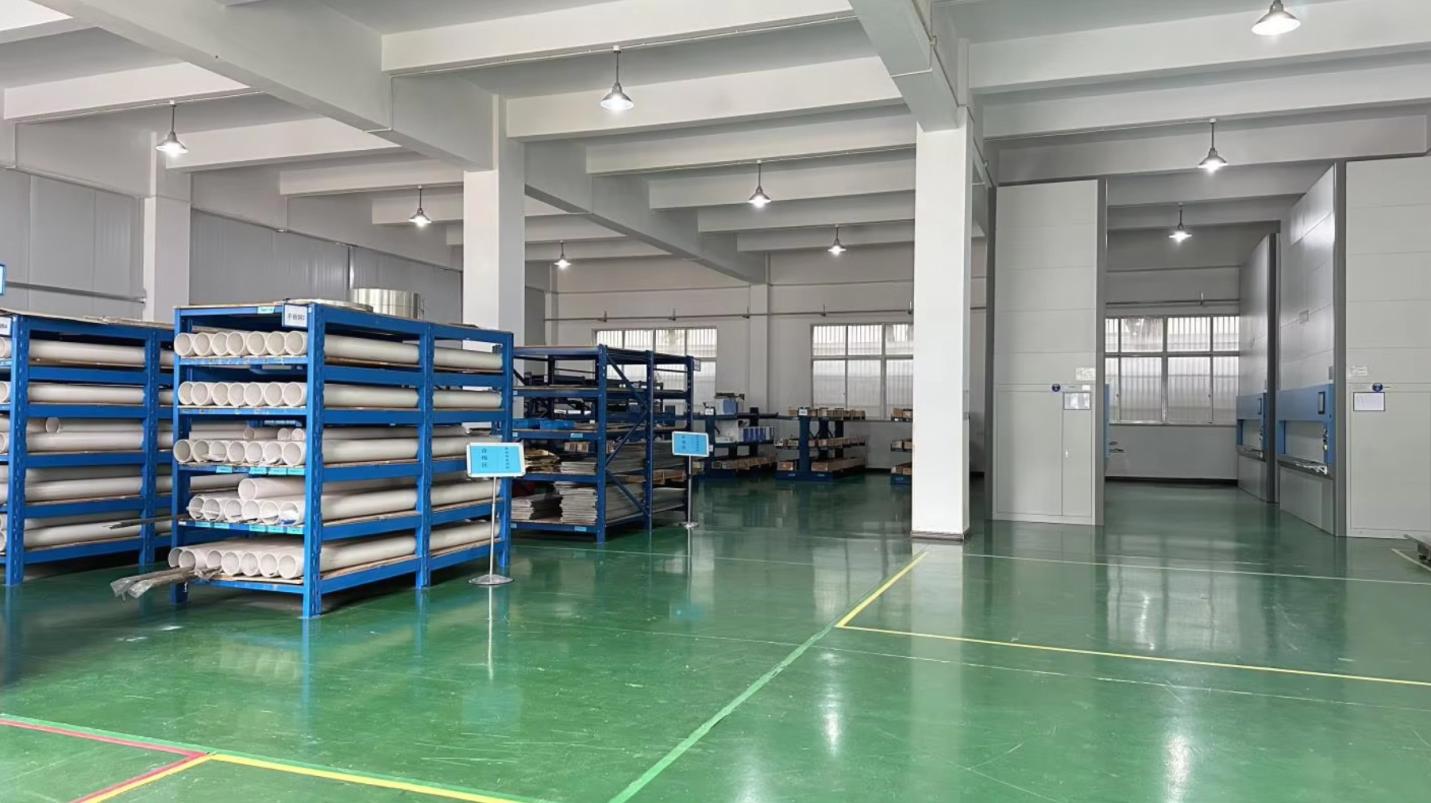
Incoming bar stock undergoes rigorous chemical composition audits and ultrasonic testing to confirm structural integrity.
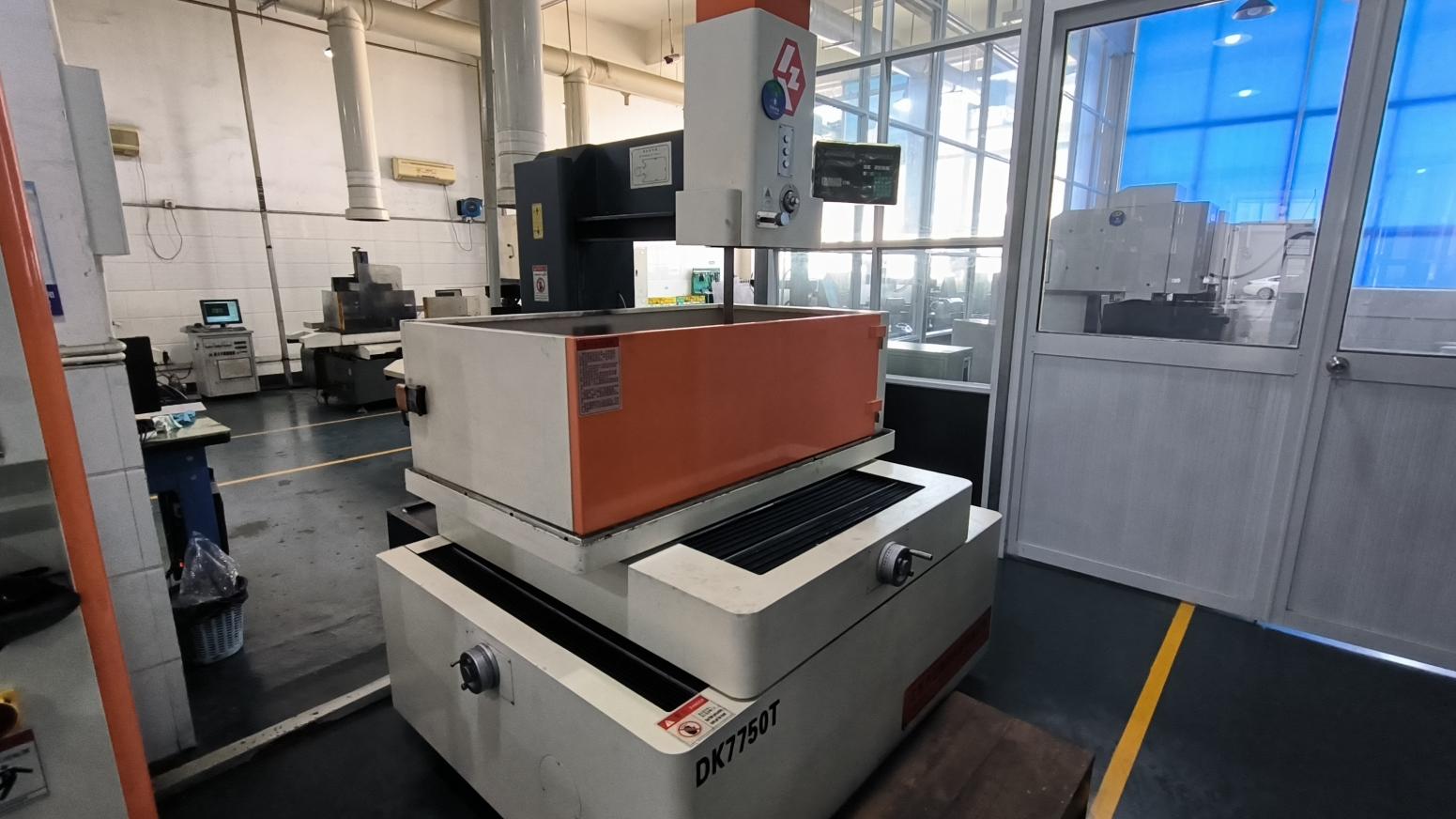
High-precision slow-feeding EDM wire cutting and Swiss multi-axis machining generate the exact mechanical dimensions required.
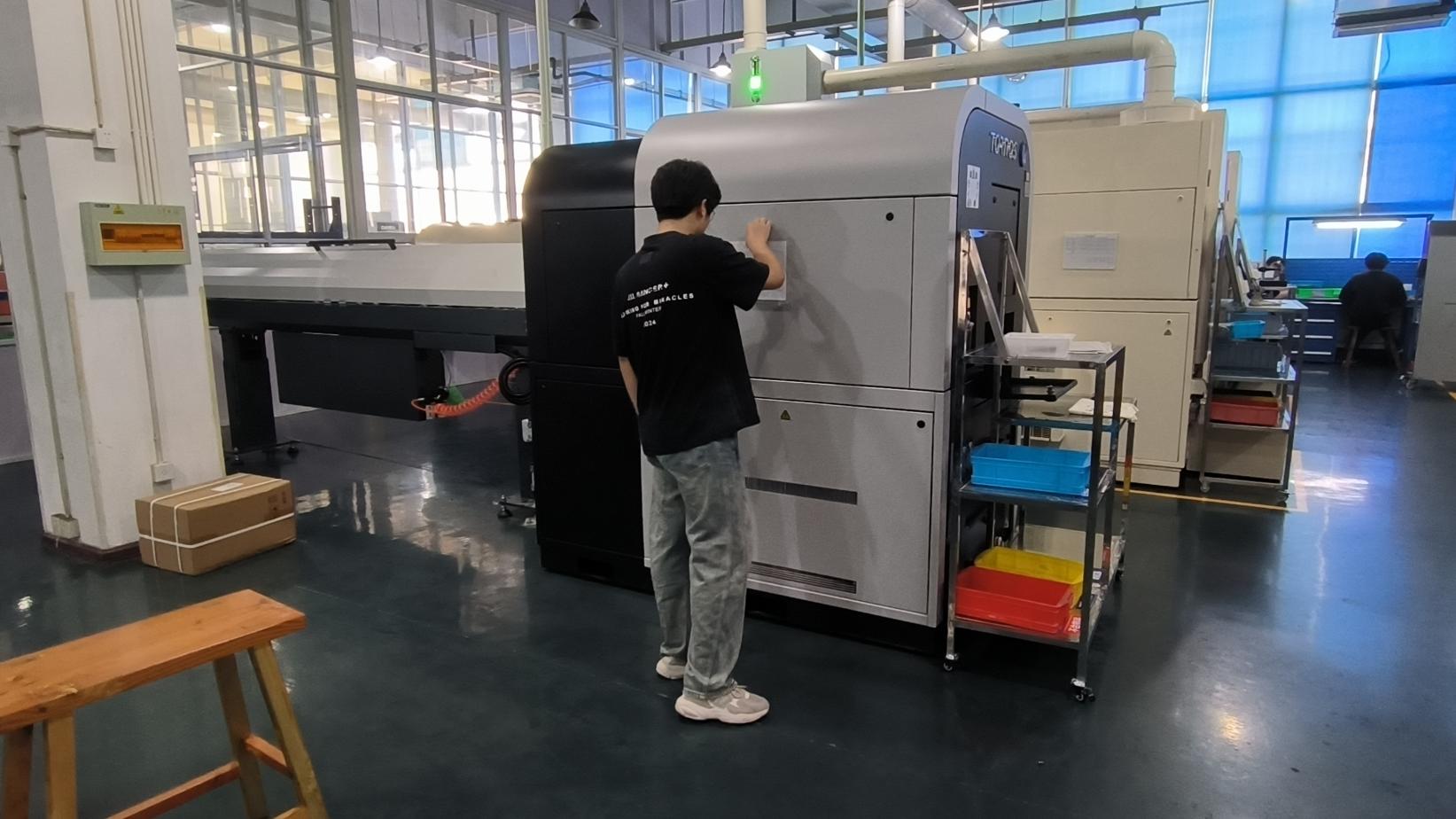
We apply electrochemical passivation, titanium bead plasma spraying, and HA (hydroxyapatite) coatings for rapid biological anchorage.
Linked (semi-constrained) elbow implants feature a physical pin or hinge mechanism linking the humeral and ulnar stems, providing intrinsic stability. Unlinked (unconstrained) components rely entirely on the patient's native soft tissues, ligaments, and muscle tension to maintain stability. Linked systems are commonly used in severe rheumatoid arthritis or bone loss cases, whereas unlinked systems are preferred when healthy collateral ligaments are preserved.
Custom 3D-printed orthopedic solutions are indicated in situations of massive periarticular bone loss (due to oncology resection or repeat revision failures), severe developmental deformity, or cases where standard sizing leaves gaps at the bone-implant interface. Through custom laser sintering, the titanium construct matches the bone geometry exactly, encouraging fast osseointegration.
Our production bases operate under the ISO 13485 (Medical Devices Quality Management Systems) certification. Most of our clinical joint implants, trauma plates, and sports medicine screws are CE certified, assuring compliance with high safety and manufacturing quality standards globally.
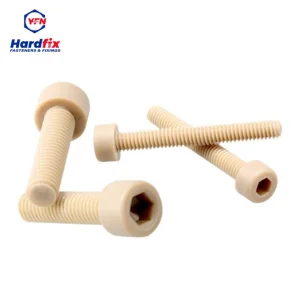
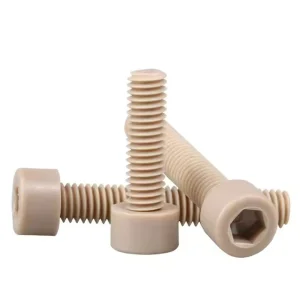
We utilize titanium alloy (Ti-6Al-4V ELI) and PEEK (Polyetheretherketone) for high structural stability and biocompatibility. The PEEK material, especially in our hex head screws and fusion cages, offers excellent chemical resistance, insulation, and radiographic transparency, making post-operative monitoring clearer.
Yes, we provide end-to-end OEM and ODM support for orthopedic distributors, universities, and implant startups. Our cleanroom facilities, multi-axis machining hubs, and testing laboratories ensure that your custom designs are fabricated exactly to print and with the necessary quality assurance documentation.
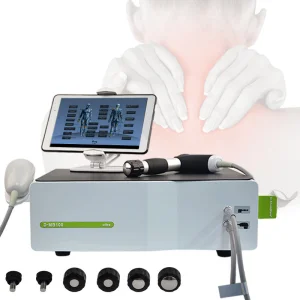
From spine stabilization cages to medical-grade plastic fasteners and advanced shockwave devices, we supply our global medical partners with certified, clinical-grade equipment.
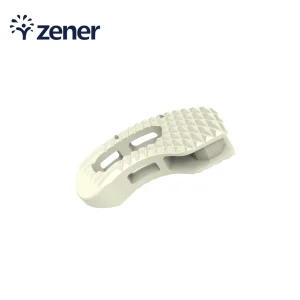
 Axton Orthopedic Implants