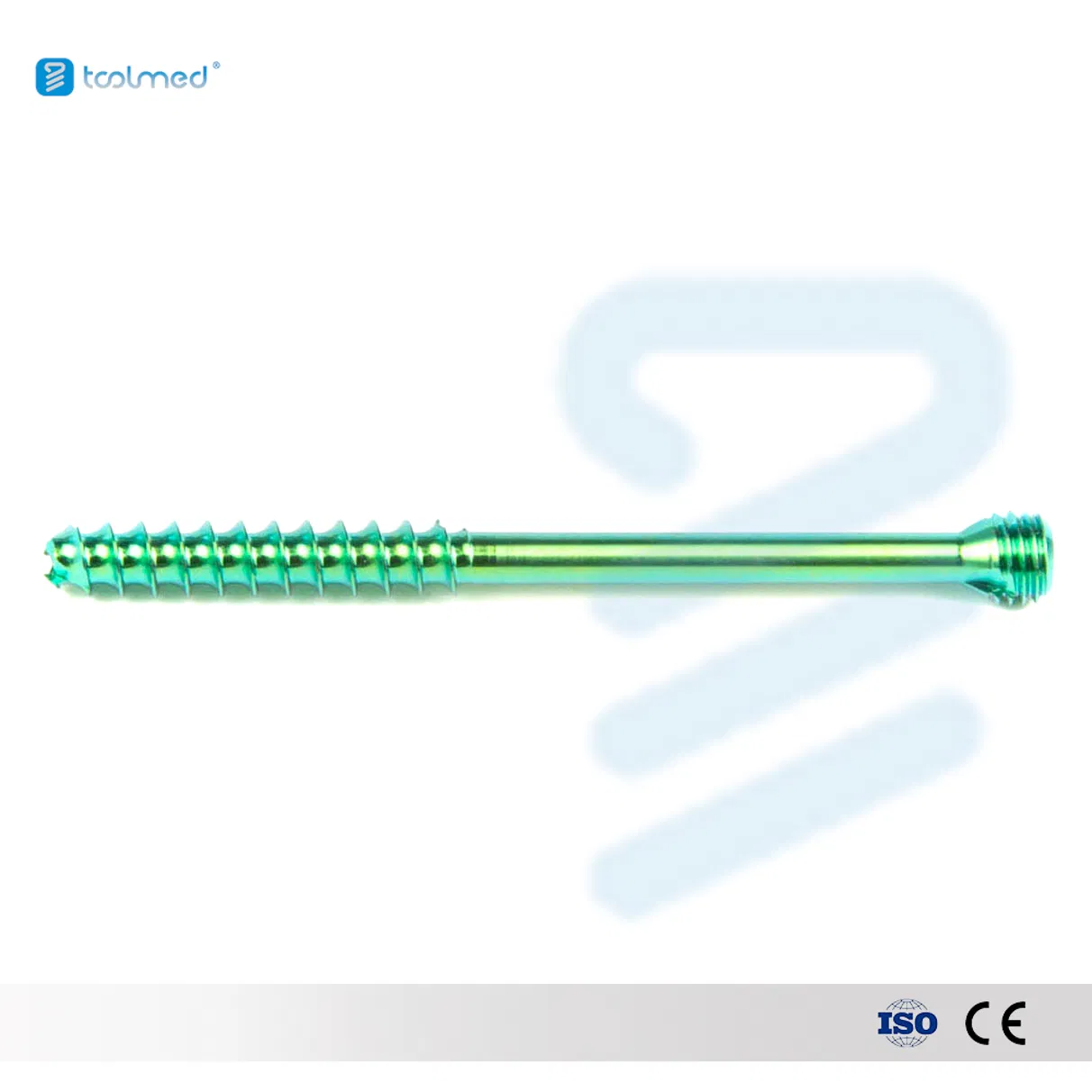
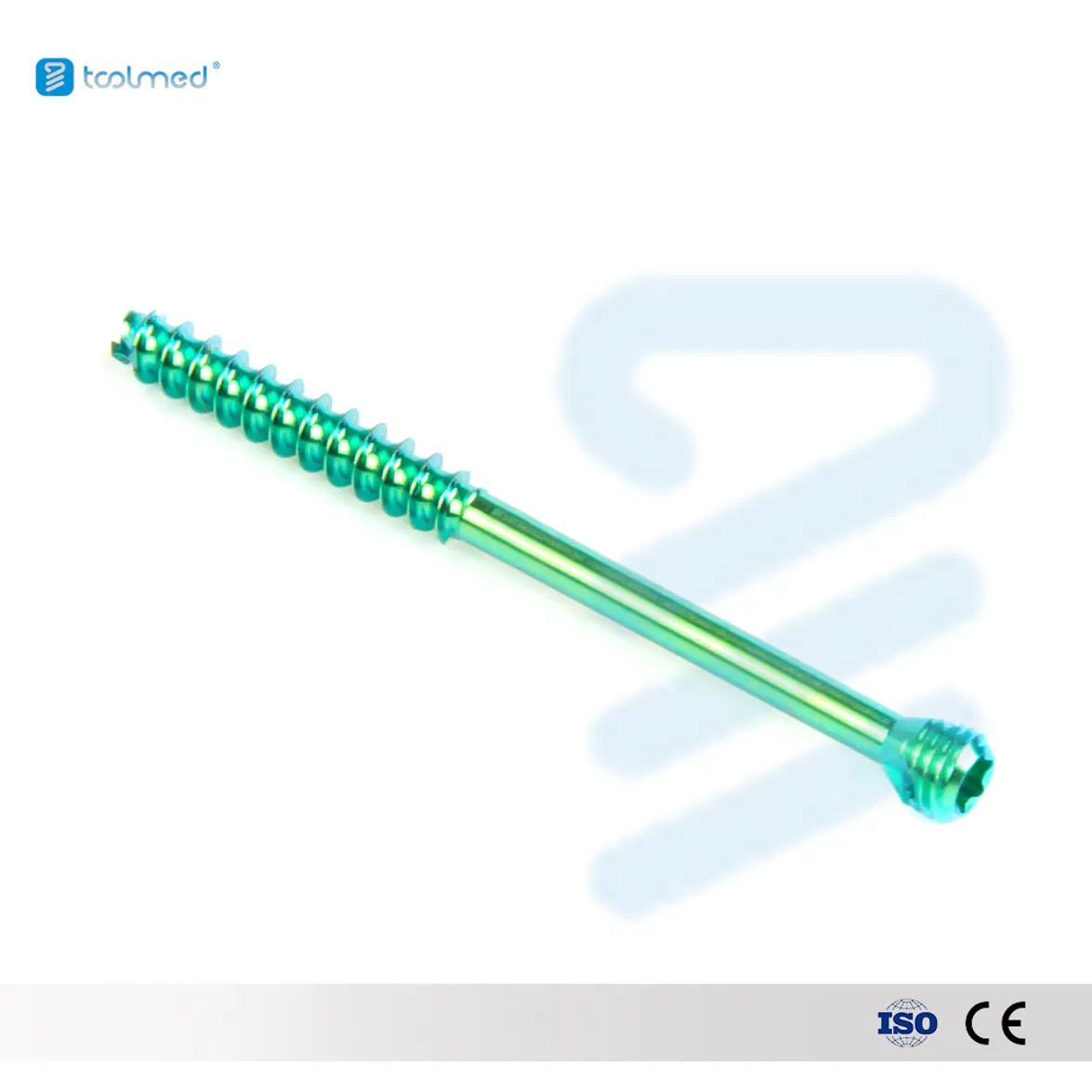
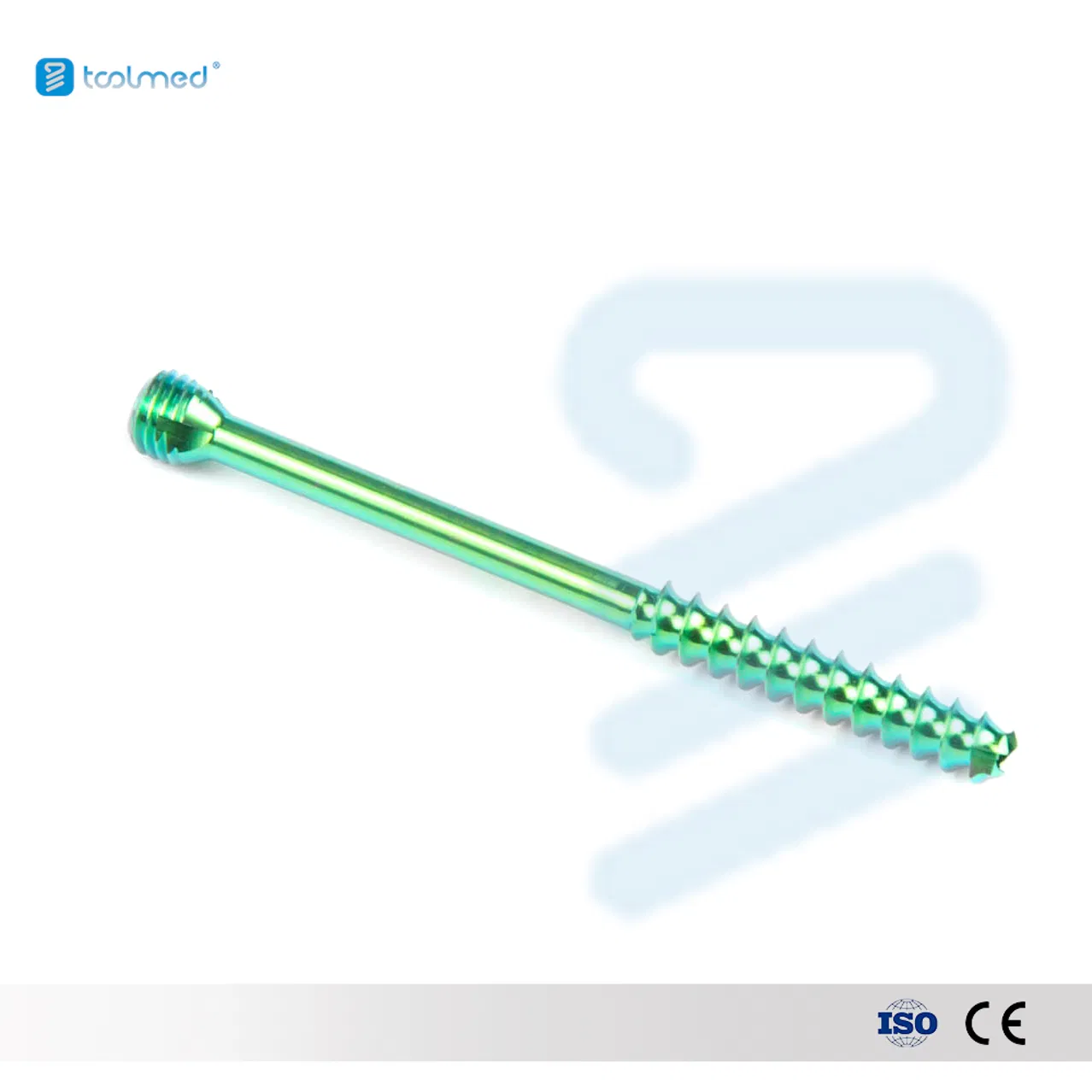
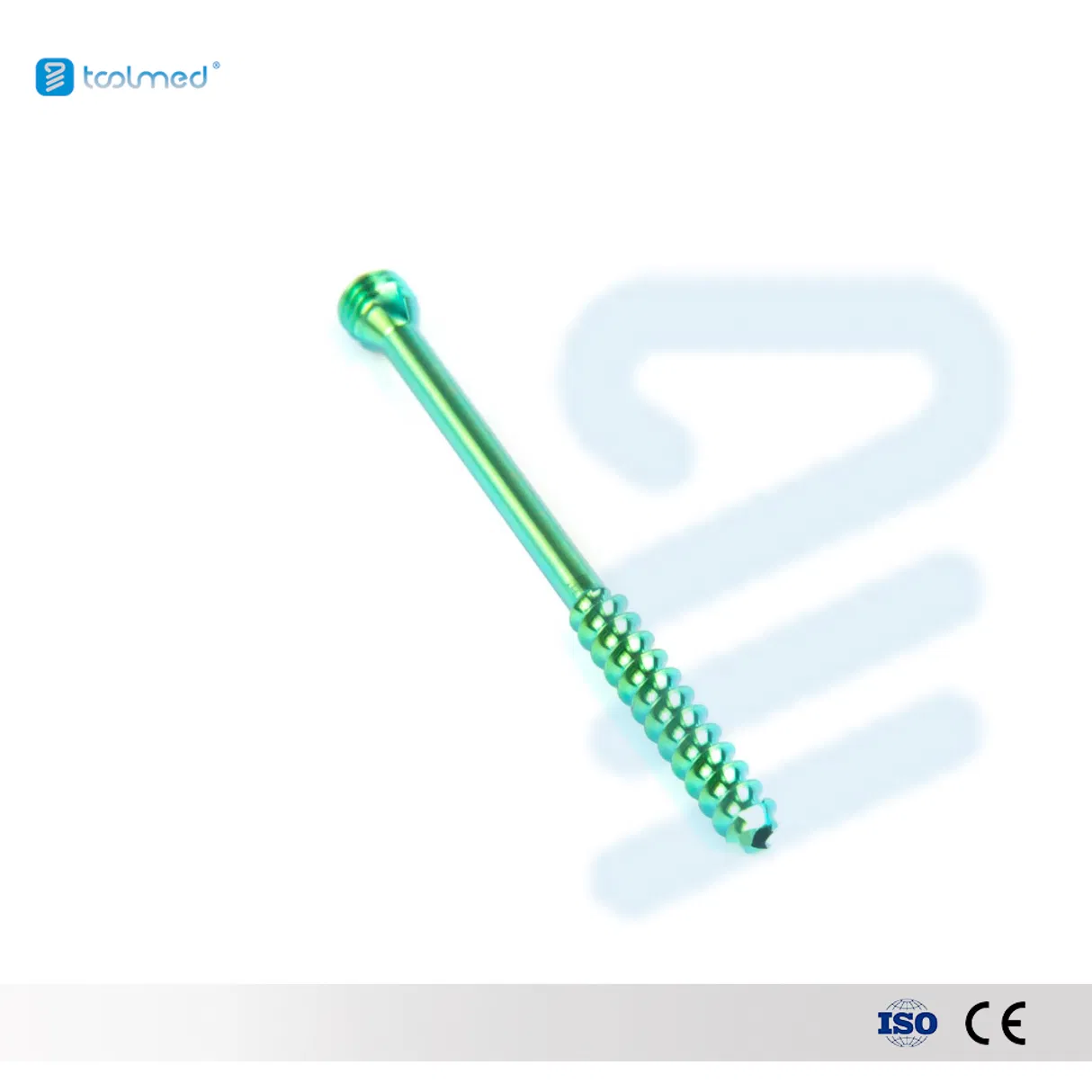
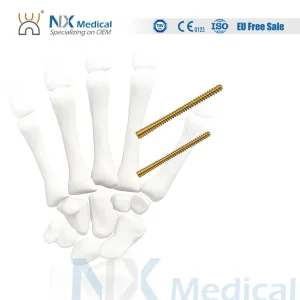
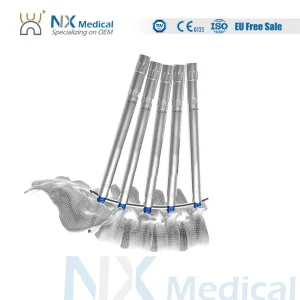
Orthopedic Implant Titanium Herbert Screw Trauma Surgery Headless Compression Cannulated Screw Orthopedic Herbert Screw Price

Still deciding? Get samples of $ !
Request Sample

Product Description

Basic Information
Color:
Customized
Application:
Trauma Surgery
Material:
Titanium Alloy (TC4)
Transportation:
Air Flight / Express
Package:
Plastic Bag / Carton
Specification:
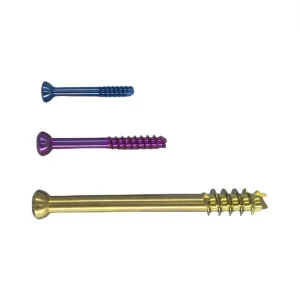
2.5 / 3.0 / 3.5 / 4.0 mm
Origin:
China
HS Code:
902110000
Capacity:
300,000 Pieces / Year
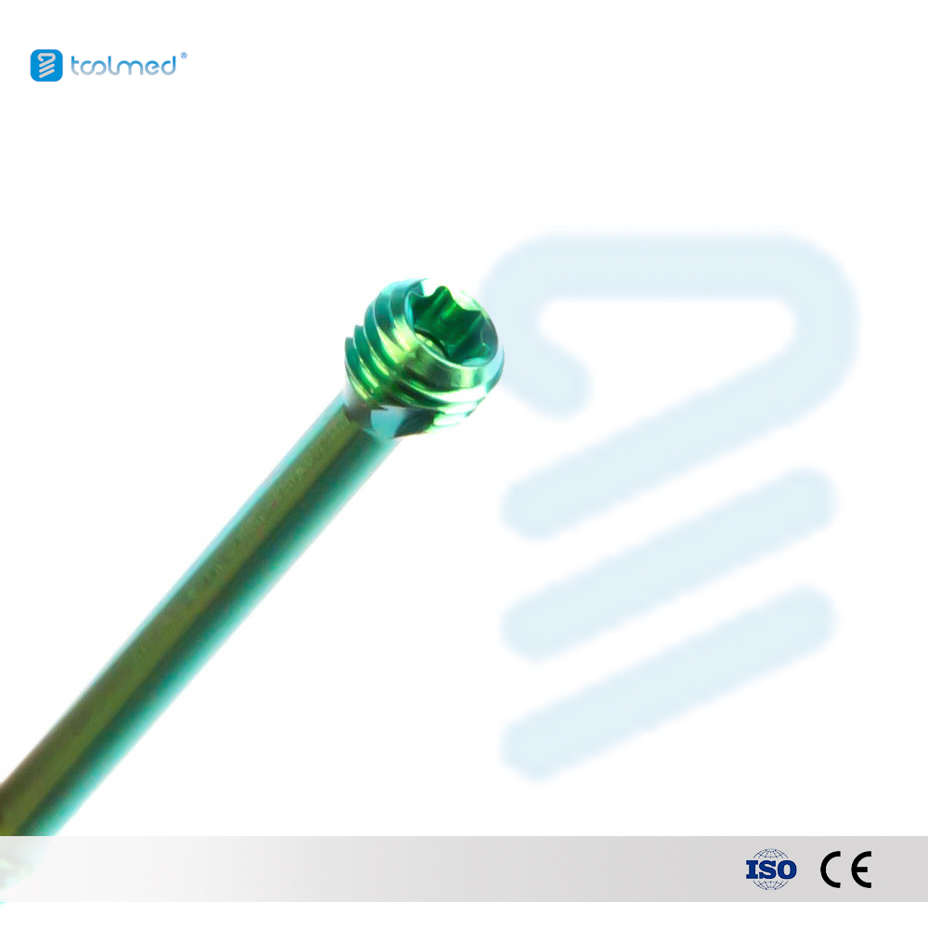
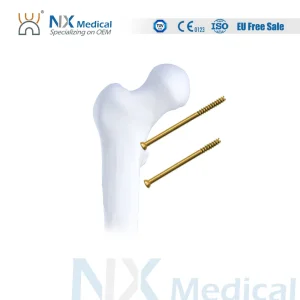
Titanium Herbert Screw View 1
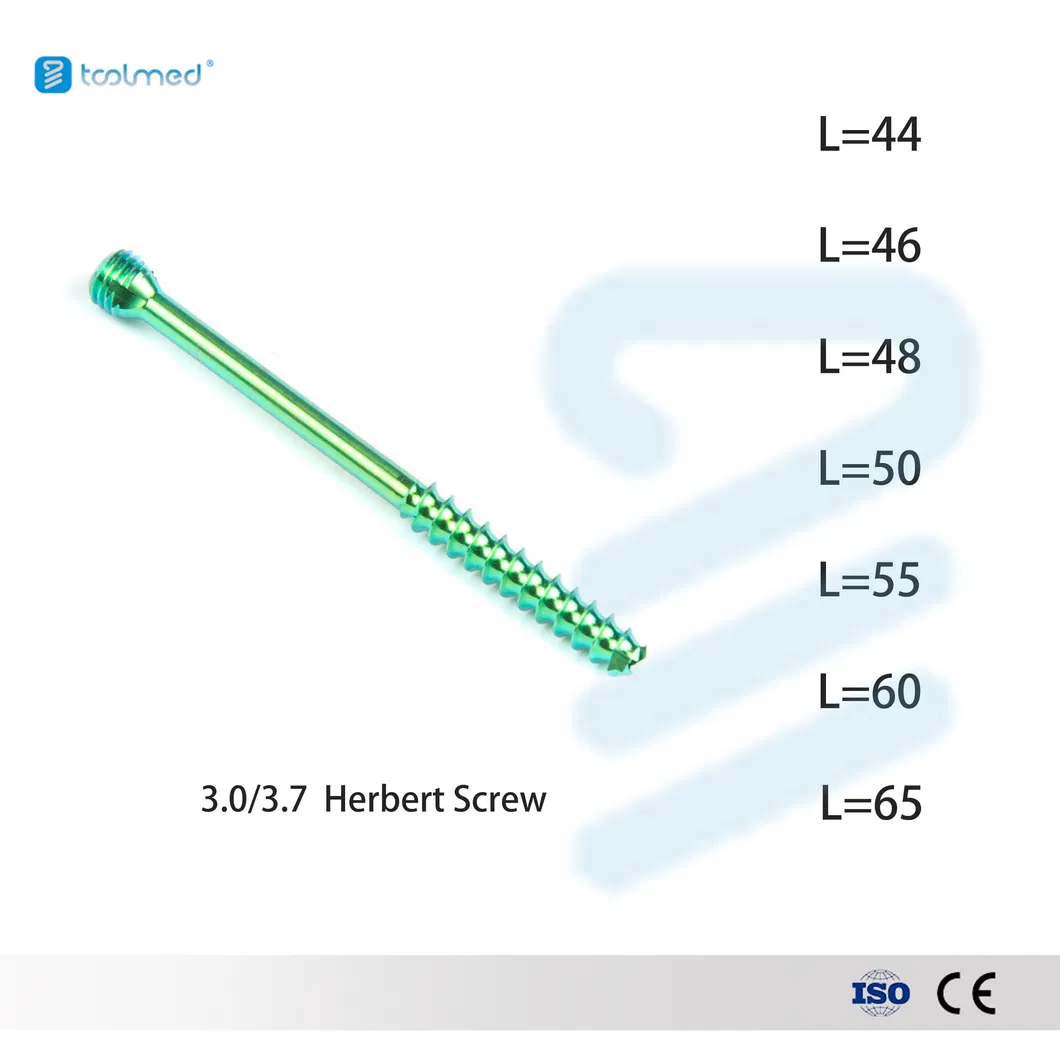
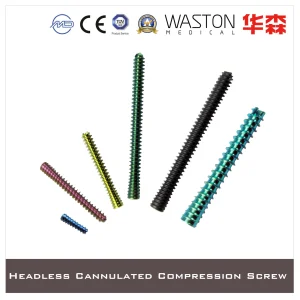
Titanium Herbert Screw View 2
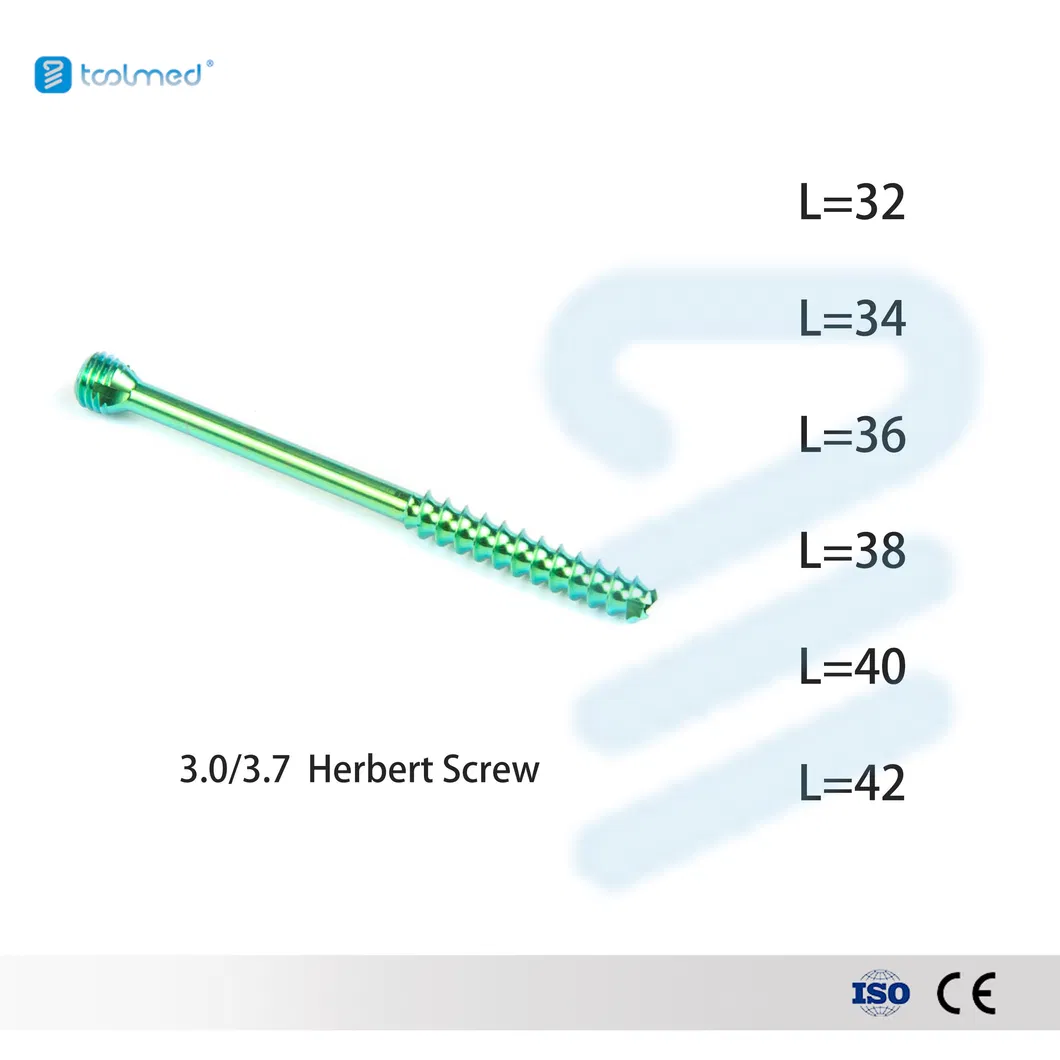
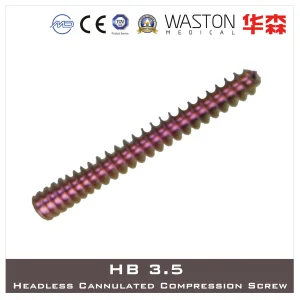
Titanium Herbert Screw View 3
Product Overview
What is a Cannulated Headless Compression Screw?
The Headless Compression Screw is a cannulated orthopedic device designed specifically for scaphoid and small bone fracture fixation. It generates optimal compression across the fracture site prior to being fully countersunk below the articular surface.

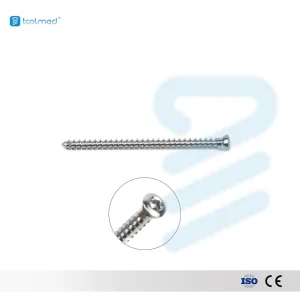
A Cannulated Headless Compression Screw (CHCS) is utilized in orthopedic surgery to provide stable bone fixation while minimizing protrusion and damage to surrounding soft tissues. Due to its cannulated (hollow) design, surgeons can use a guide wire for precise anatomical placement.

Specifications & Ordering Info
Ref. No. Product Name Dimension (D*L) Material
T3601-0101-11Herbert Cannulated Compression Screw (Hex)2.5 * 10-30mmTC4
T3601-0201-09Herbert Cannulated Compression Screw (Hex)3.0 * 14-30mmTC4
T3601-0301-14Herbert Cannulated Compression Screw (Hex)3.5 * 14-40mmTC4
T3601-0401-13Herbert Cannulated Compression Screw (Hex)4.0 * 26-50mmTC4
Surgical Technique Guide
1
Incision and Exposure

Make a small 1-3 cm incision near the fracture site. Gently separate soft tissues to fully expose the fracture end while avoiding critical nerves and vessels.

2
Fracture Reduction

Perform manual reduction (traction/rotation) to restore anatomical position. Monitor continuously under C-arm fluoroscopy for accuracy.

3
Guide Wire Insertion

Insert the guide wire into the bone along the designed path until the tip reaches the appropriate position, ideally perpendicular to the fracture plane.

4
Drilling & Screw Selection

Measure the required length using dedicated tools. Choose a screw 2-4 mm shorter than measured. Use a cannulated drill bit to prepare the path, using irrigation for cooling.

5
Screw Insertion & Fixation

Mount the screw onto the compression sleeve and advance manually over the guide wire. Tighten until the fracture closes and the screw head is flush with the bone surface.
Key Advantages
  • Reduced Soft Tissue Damage: Headless design minimizes irritation to surrounding ligaments and tendons.
  • Enhanced Stability: Provides superior compression and fixation compared to traditional threaded screws.
  • Minimally Invasive: Facilitates faster recovery times and smaller surgical scars.
  • Precision: Cannulated center ensures accurate placement via guide wire monitoring.
Frequently Asked Questions
Are you a manufacturer or a trading company?
We are a specialized manufacturer since 2013, focusing on orthopedic implants and instruments with professional international certifications.
What quality certifications do your products have?
All products are produced under strict quality control and are approved by CE and ISO13485 standards.
What is the typical lead time for orders?
The standard lead time for orthopedic implants is approximately 30 days, while instruments typically require 45 days.
Can I request samples before placing a bulk order?
Yes, samples are available. While there is an initial charge for samples, the cost can be deducted from your first official bulk order.
Do you offer OEM/ODM services?
Yes, customized manufacturing and OEM services are one of our core advantages, supported by years of production experience for local and global markets.
What materials are used for the CHCS screws?
Our screws are typically manufactured from high-grade Titanium Alloy (TC4) or Stainless Steel, ensuring biocompatibility and strength.

Related Products