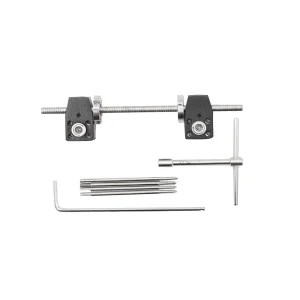
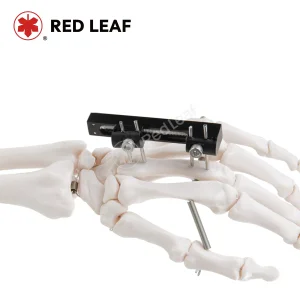
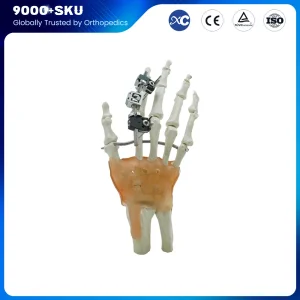
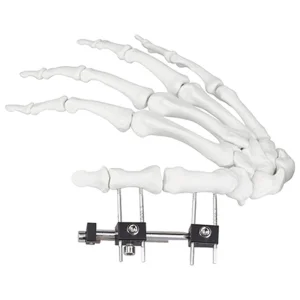
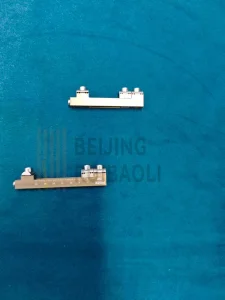
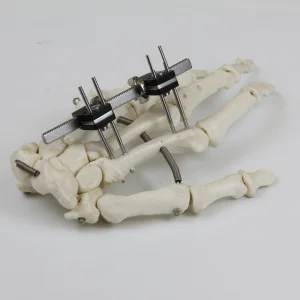
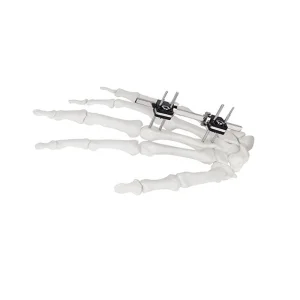
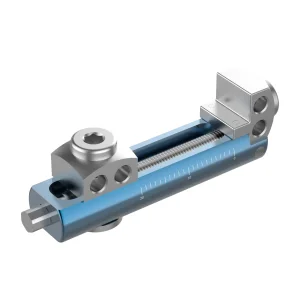
Advanced external fixation systems designed for phalanges, metacarpals, and metatarsals surgery.
South Korea has emerged as a global powerhouse in the medical device industry, specifically within the niche of Mini External Fixators for Hand and Foot surgery. The convergence of high-precision electronic engineering, advanced materials science, and a robust clinical research infrastructure has positioned Korean manufacturers at the forefront of orthopedic innovation. Cities like Incheon (Songdo Bio Cluster) and Daegu (Medicity Daegu) serve as epicenters for these technological advancements, hosting world-class R&D centers that focus on minimally invasive surgical tools.
Why Korea? The "K-Medical" wave is not just about aesthetics; it's about functional reconstruction. Korean factories leverage the country's dominance in semiconductor-grade manufacturing to produce fixators with tolerances measured in microns, ensuring that surgical interventions in small bones like phalanges are as accurate as possible.
The Mini External Fixator market in Korea is characterized by a unique collaboration between university-affiliated hospitals (such as Seoul National University Hospital and Asan Medical Center) and specialized manufacturing firms. This "doctor-engineer" synergy allows for rapid prototyping of customized fixators. In an era where 3D printing is becoming a standard, Korean factories have integrated SLS (Selective Laser Sintering) and DMLS (Direct Metal Laser Sintering) techniques to create patient-specific mini-fixators that account for the unique anatomical curvature of a patient’s hand or foot.
Current trends in the Korean industry show a significant shift toward Radiolucent Materials. By using carbon-fiber reinforced PEEK (Polyether ether ketone) components alongside traditional titanium, Korean manufacturers allow surgeons to get clearer X-ray and CT images during the healing process, a critical factor in monitoring bone union in complex fractures.
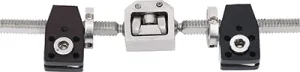
In the bustling urban centers of Seoul and Busan, industrial and sports-related hand injuries are common. The Mini Rail External Fixator is frequently employed for comminuted intra-articular fractures of the distal radius or metacarpals. Korean surgeons prefer these devices because they allow for "ligamentotaxis"—using the surrounding soft tissue tension to align bone fragments without opening the fracture site, which aligns with the local clinical preference for minimizing surgical scarring.
With an aging population in South Korea, the incidence of diabetic foot complications and Charcot neuroarthropathy is rising. Manufacturers have responded by developing Mini Circular Fixators and Multi-axial Correction Systems specifically for foot reconstruction. These devices are lightweight enough for elderly patients to remain mobile while providing the rigid stability required for bone fusion.
Regulatory Excellence: Most Korean-made mini-fixators carry MFDS (KFDA) approval, and increasingly, MDR CE and FDA certifications. This global compliance ensures that products manufactured in the Gyeonggi-do industrial zones meet the strictest safety standards for international orthopedic distribution.
Looking forward, Korean manufacturers are experimenting with "Smart Fixators" that incorporate micro-sensors to measure the tension across the fracture site. This data can be transmitted to a surgeon’s smartphone via a secure app, allowing for remote monitoring of the patient’s recovery—a perfect marriage of Korea’s ICT prowess and orthopedic medical technology.
Decades of experience in delivering high-quality orthopedic implants globally.
To date, our products have been widely used in dozens of countries across Asia, Latin America, Africa, and Europe, and have gained recognition from local distributors and surgeons. A major strength of the company lies in its expertise in 3D printing and customization. With advanced technology, the company is able to create personalized medical devices that perfectly fit each patient. This customization not only enhances treatment outcomes but also improves patient comfort and overall satisfaction. We offer orthopedic implants, joint implants, brushless motors, and other products.
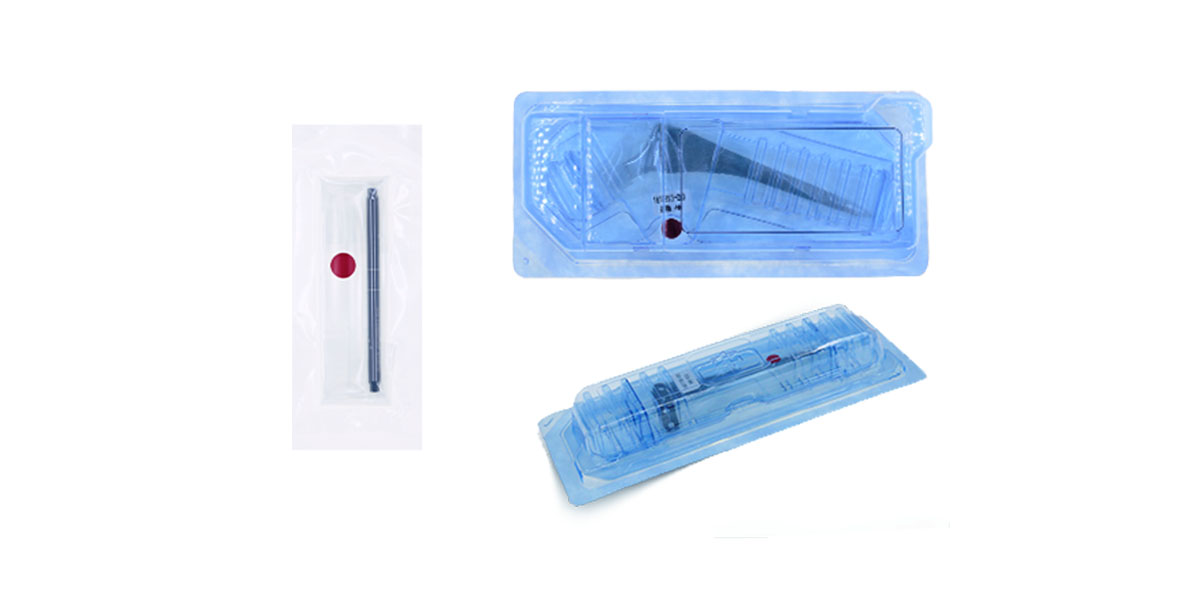
Precision-engineered solutions for diverse trauma and reconstructive needs.
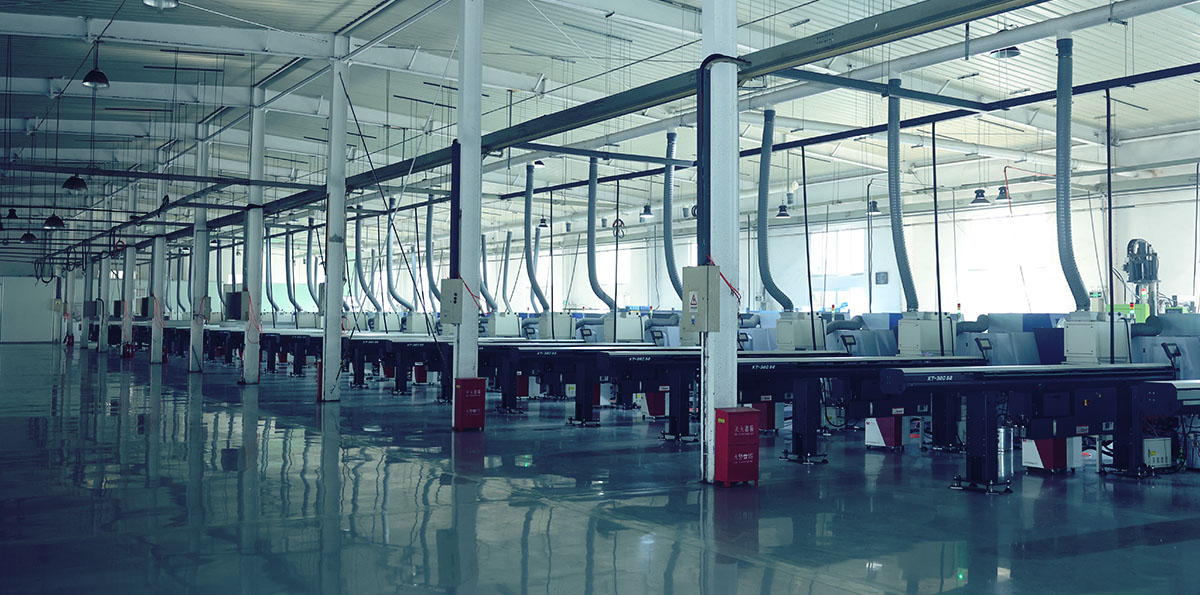
Factories in South Korea are increasingly adopting ESG (Environmental, Social, and Governance) principles. For Mini External Fixator production, this means a reduction in material waste through high-efficiency CNC machining and the recycling of medical-grade titanium scraps. Furthermore, the focus on durability means that these instruments are designed to withstand multiple sterilization cycles (autoclaving) without loss of structural integrity or tensioning precision.
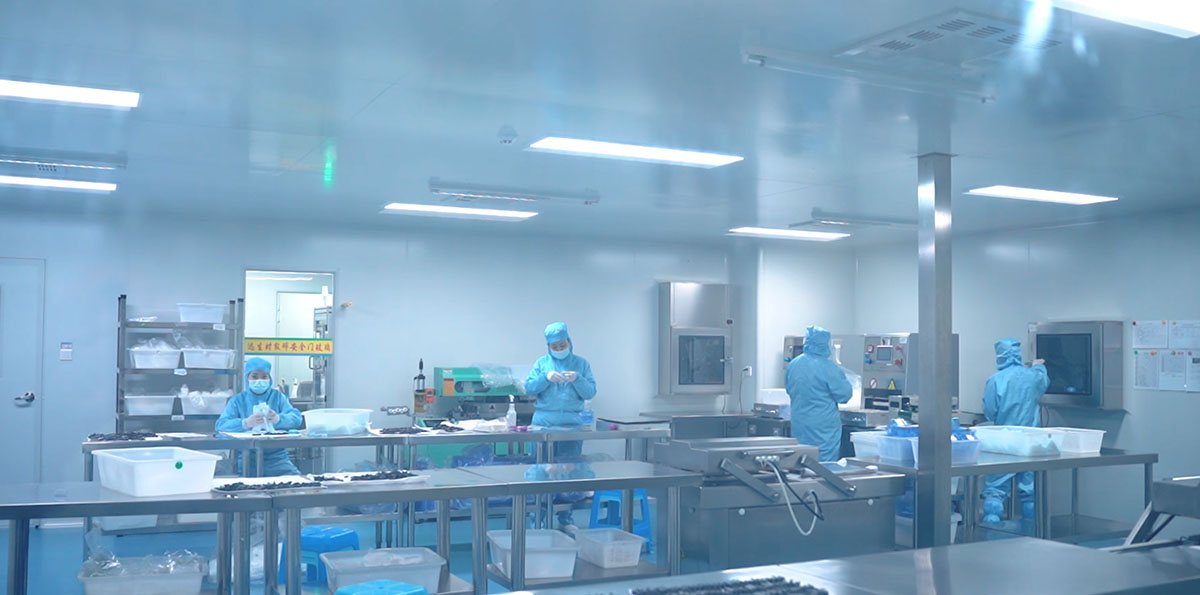
When sourcing from a Korean manufacturer, distributors gain the advantage of the South Korea-EU and KORUS (Korea-US) Free Trade Agreements, which facilitate smoother logistics and reduced tariffs for high-tech medical components. Whether it is a simple Straight Track Fixator for a finger fracture or a complex Universal Compression Extension Type, the quality assurance protocols—including 100% manual inspection of threads and joints—ensure that each device performs flawlessly in the operating room.
As mentioned, the expertise in 3D printing and customization sets these factories apart. In the context of Korean foot surgery, where high-arched or flat-foot deformities require precise correction angles, the ability to "print" a titanium guide or a custom fixator clamp is revolutionary. This personalized approach reduces surgical time, minimizes anesthesia exposure, and leads to significantly faster "time-to-weight-bearing" for the patient.
By choosing a Mini External Fixator from a Korea-based factory network, you are investing in a legacy of precision, a future of smart technology, and a commitment to patient-centric orthopedic recovery.
 Axton Orthopedic Implants