Portugal has established itself as a significant hub for healthcare excellence in Southern Europe. The demand for Mini External Fixators (Hand/Foot) has seen a steady rise, driven by the modernization of the National Health Service (Serviço Nacional de Saúde - SNS) and the proliferation of high-end private medical groups such as CUF, Luz Saúde, and Lusíadas.
In major metropolitan areas like Lisbon and Porto, orthopedic trauma departments are increasingly prioritizing minimally invasive techniques. The surgical landscape in Portugal is shifting toward ambulatory surgeries, where hand and foot fractures must be stabilized with lightweight, biocompatible, and high-precision instruments to ensure rapid recovery.
Our role as an exporter to Portugal involves bridging the gap between advanced manufacturing and the clinical needs of Portuguese surgeons. We provide the latest generation of fixation systems that comply with stringent EU MDR regulations, ensuring safety and efficacy in every procedure.

The Portuguese orthopedic industry is currently influenced by several global and local trends:
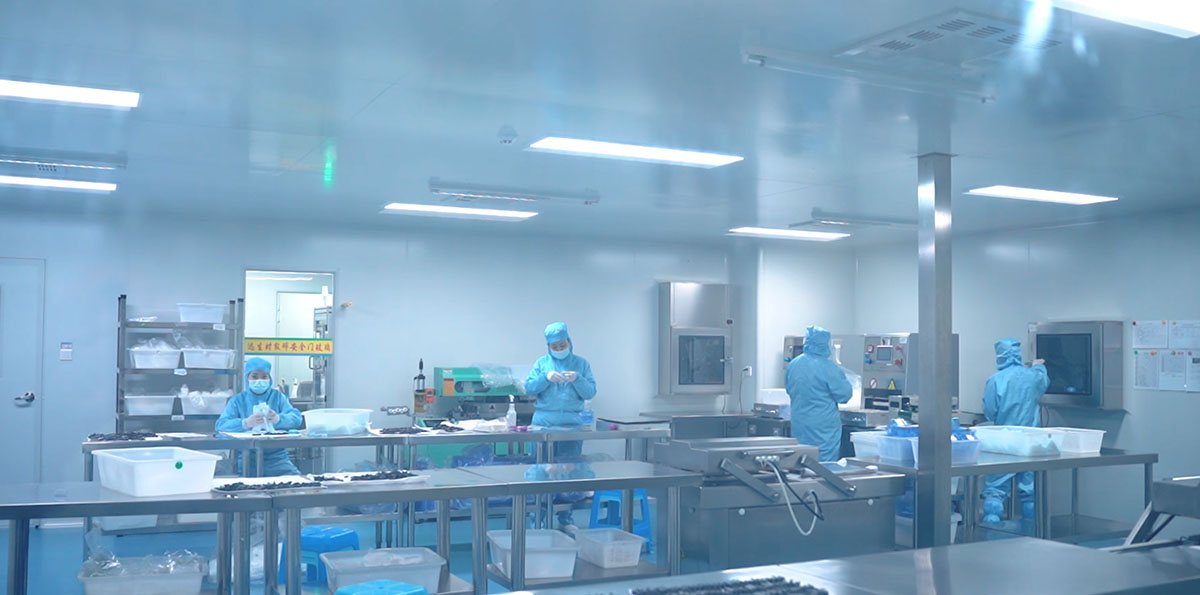
A major strength of our company lies in its expertise in 3D printing and customization. With advanced technology, we are able to create personalized medical devices that perfectly fit each patient. This customization not only enhances treatment outcomes but also improves patient comfort and overall satisfaction.
In the context of the Portuguese market, this is particularly valuable for complex corrective osteotomies. By providing 3D-printed guides and custom fixation components, we empower Portuguese distributors and surgeons to tackle cases that were previously difficult to manage with standard "off-the-shelf" solutions.
Our products have been widely used in dozens of countries across Asia, Latin America, Africa, and Europe, and have gained recognition from local distributors and surgeons in Portugal for their reliability and innovative design.
Portugal’s strong industrial base in the North (textiles, footwear, and furniture) often sees workplace injuries involving the hand. Our Mini Finger Rail Fixators provide the stability needed for workers to begin early rehabilitation, minimizing downtime.
In coastal regions like the Algarve and Aveiro, traumatic injuries related to maritime activities require fixators that are highly resistant to environmental factors and provide rigid stabilization for foot fractures.
With the rise of electric scooters and bicycles in Lisbon, there is an increase in "soft tissue" trauma combined with distal radius and hand fractures. Our Universal Mini Palm Fixators are ideal for these multi-fragmentary trauma cases.
We offer a comprehensive portfolio including orthopedic implants, joint implants, brushless motors, and other precision surgical products tailored for the European market.
As a leading Mini External Fixators Exporter, we understand that serving the Portuguese market requires more than just high-quality products. It requires a robust supply chain and technical support.
We work closely with local logistics partners to ensure that our orthopedic systems reach hospitals in Coimbra, Braga, and Funchal without delay. Every shipment is accompanied by detailed surgical techniques and clinical documentation in Portuguese or English to assist the surgical teams.
Our commitment to the Portuguese market is reflected in our responsiveness to local tenders and our ability to provide volume discounts for large hospital groups, ensuring that cutting-edge technology remains accessible.
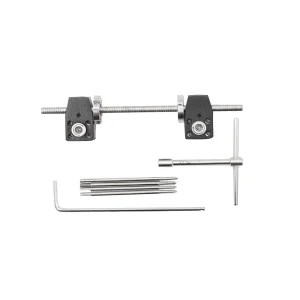
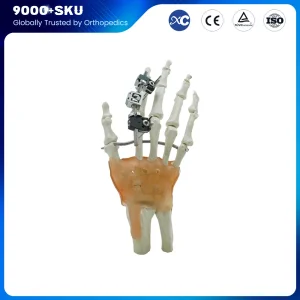
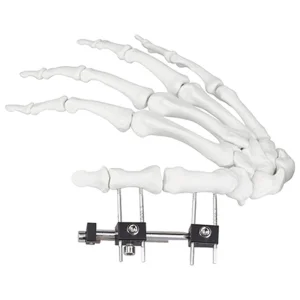
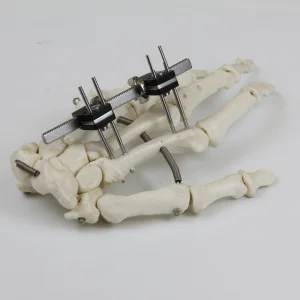
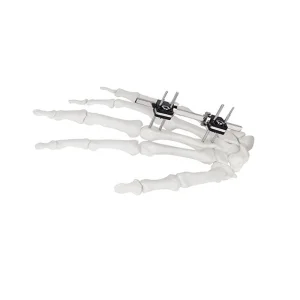
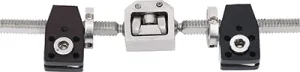
The human hand is an intricate structure of 27 bones. Fracture management in this area requires a delicate balance between rigid stabilization and the preservation of soft tissue mobility. Our exported Mini External Fixators for the Portuguese market are designed with this precision in mind. Using high-grade medical alloys (Titanium or Stainless Steel), these devices offer the mechanical strength needed to hold phalangeal and metacarpal fractures while being small enough to not hinder the patient's grip or movement during the healing process.
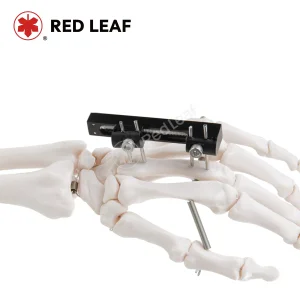
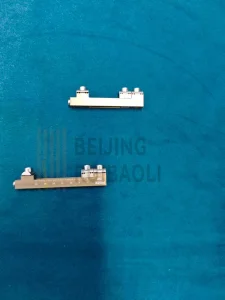
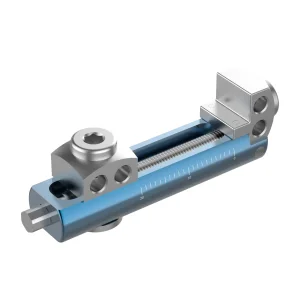
Surgeons in Porto's orthopedic centers have noted that the Unilateral Mini Finger Rail system is particularly effective for open fractures where internal plating might increase the risk of infection. By keeping the fixation external to the wound site, we provide a safer environment for bone union.
Beyond the hand, foot fractures—especially those resulting from slips and falls on Portugal's traditional "Calçada Portuguesa" (cobblestone streets)—require specialized mini fixators. The metatarsal bones, while small, bear significant weight. Our Mini Combined Type Fragment External Fixators are engineered to distribute these loads effectively, preventing malunion and ensuring that patients can return to their daily walks in the beautiful Portuguese neighborhoods.
Looking forward, our R&D department is integrating AI-driven design processes to further refine the geometry of our mini fixators. For our partners in Portugal, this means access to even lighter and more ergonomic designs. The future of orthopedics in Portugal is digital, and we are proud to be at the forefront of this evolution, supplying the tools that enable surgeons to restore function and improve the lives of thousands of patients annually.
Ready to upgrade your surgical department or distribution portfolio in Portugal? Contact us today for technical specifications, CE certification details, and competitive export pricing.
 Axton Orthopedic Implants