Driving Innovation in Orthopedic Reconstruction Globally
Reverse Shoulder Arthroplasty (RSA) has emerged as one of the most transformative procedures in modern orthopedics. Originally designed for cuff tear arthropathy, the global commercial market for RSA has expanded rapidly. Current industry reports suggest that the shoulder replacement market is the fastest-growing segment in joint reconstruction, with a compound annual growth rate (CAGR) exceeding 7%. As a leading China Reverse Shoulder Arthroplasty manufacturer, we have witnessed this shift firsthand.
The industrial ecosystem now demands more than just standard implants; it requires a synergy of biomechanical engineering, advanced metallurgy, and patient-specific data. Major healthcare hubs in North America and Europe are shifting from Total Shoulder Arthroplasty (TSA) to RSA due to its versatility in treating complex fractures, revision surgeries, and massive rotator cuff failures.
International procurement managers and hospital GPOs (Group Purchasing Organizations) are increasingly looking toward China for high-quality, cost-effective orthopedic solutions. The demand is centered on "value-based care"—delivering superior clinical outcomes while managing healthcare costs. Our factory serves this need by providing implants that meet rigorous CE and ISO standards.
Surgeons worldwide are seeking modularity in RSA systems. They require components that allow for intraoperative flexibility, such as various lateralization options for the glenosphere and adjustable humeral inclinations. This global demand drives our R&D team to continuously innovate.
The Future of Personalized Medical Devices
A major strength of the company lies in its expertise in 3D printing and customization. With advanced technology, the company is able to create personalized medical devices that perfectly fit each patient. This customization not only enhances treatment outcomes but also improves patient comfort and overall satisfaction.
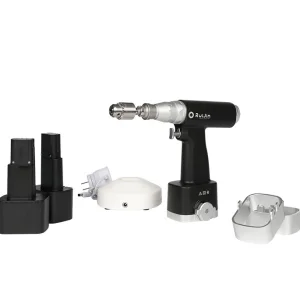
To date, our products have been widely used in dozens of countries across Asia, Latin America, Africa, and Europe, and have gained recognition from local distributors and surgeons. We offer orthopedic implants, joint implants, brushless motors, and other products that integrate the latest in medical technology.
Utilizing AI algorithms to convert CT scans into 3D models for surgical simulation, ensuring the perfect placement of the glenoid baseplate.
3D-printed trabecular titanium structures that mimic human bone architecture, facilitating faster and stronger biological fixation.
Every batch undergoes fatigue testing and wear analysis to exceed international safety benchmarks for joint replacement.
Adapting Technology to Regional Medical Needs
The industry is currently moving towards "Lateralized" designs which help in reducing scapular notching—a common complication in traditional RSA designs. Furthermore, the integration of bio-inductive materials and infection-resistant coatings is becoming a standard expectation from global buyers.
In Asia, there is a growing trend for smaller-sized implants to accommodate the unique anatomy of local populations. As a factory in China, we specialize in offering a wider range of sizes and anatomical shapes that are often overlooked by Western-centric manufacturers.
In the Latin American and African markets, the focus is on durability and cost-efficiency. Our products provide a bridge between ultra-expensive premium brands and low-quality alternatives, offering "European performance at Chinese manufacturing costs."
In Europe, the focus is on regulatory compliance and clinical data. We support our partners with comprehensive documentation and clinical whitepapers to ensure smooth market entry and surgeon trust.
Unmatched Scale, Expertise, and Innovation
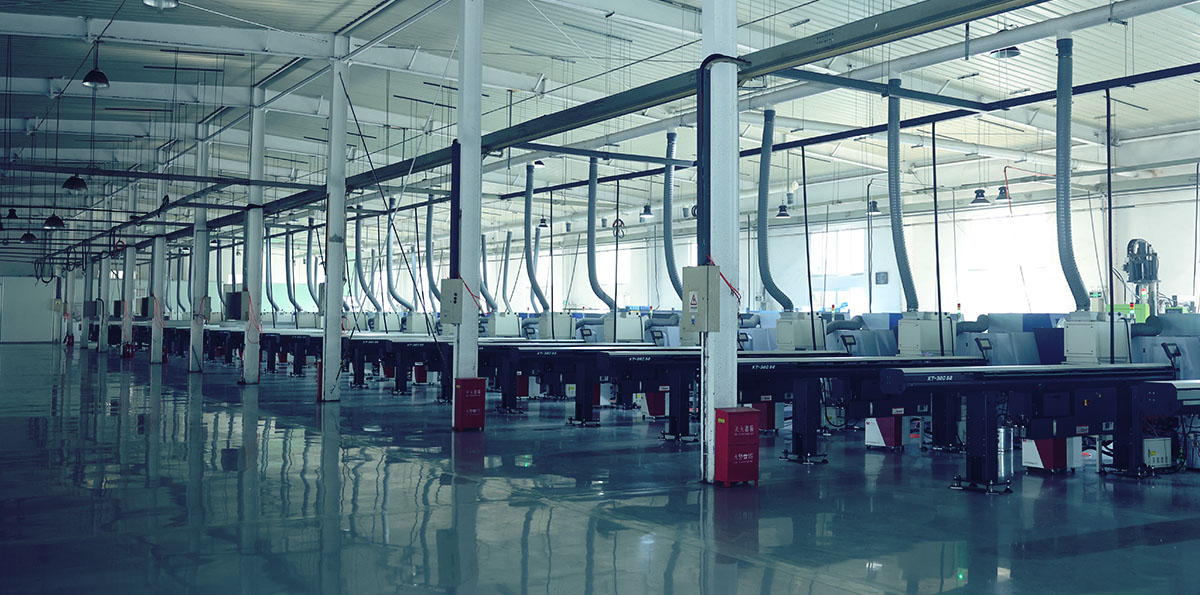
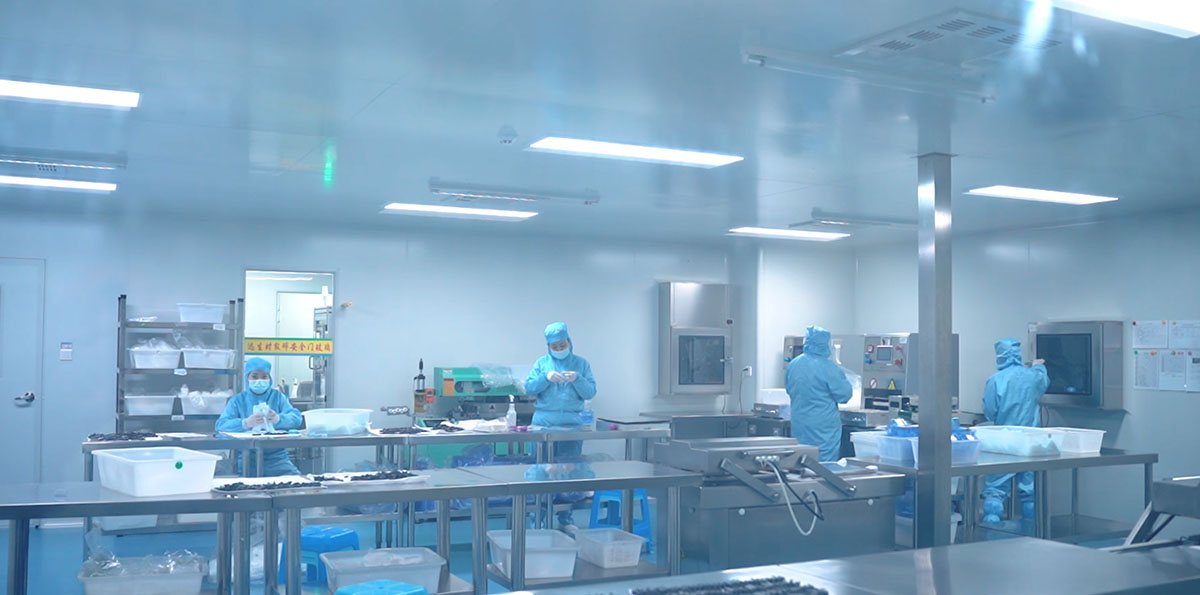
Our manufacturing facility is equipped with world-class CNC machines and clean-room environments. We don't just produce parts; we provide solutions. Our 100+ senior and medium technicians work tirelessly on the front lines of biomechanical research.
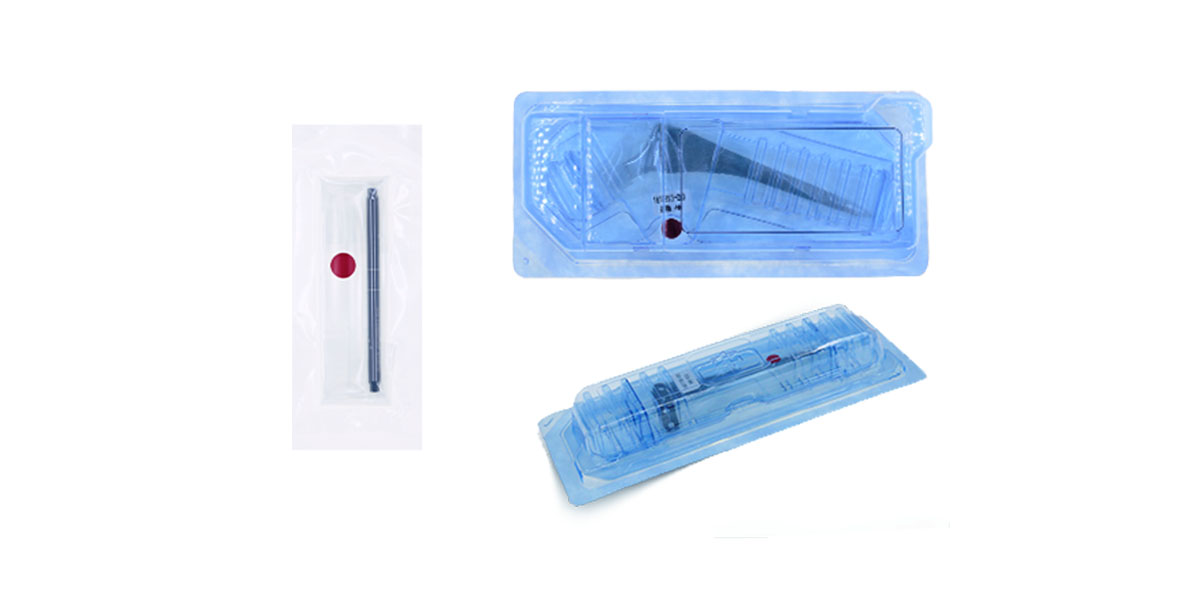
1. Full Supply Chain Integration: From raw material sourcing (Medical Grade Titanium) to final sterilization and packaging.
2. R&D Focus: We invest 15% of annual revenue back into orthopedic research, focusing on the next generation of Reverse Shoulder Arthroplasty systems.
3. OEM/ODM Flexibility: We provide white-label services for global brands, allowing them to leverage our advanced manufacturing capabilities while maintaining their brand identity.
As a specialized China Reverse Shoulder Arthroplasty factory, we understand that the success of an RSA procedure depends on three critical factors: fixation, biomechanics, and materials.
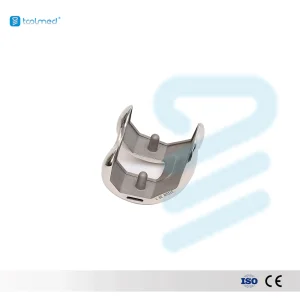
RSA works by reversing the traditional ball-and-socket anatomy. This shifts the center of rotation medially and inferiorly, which increases the lever arm of the deltoid muscle. Our designs optimize this shift to minimize the risk of dislocation while maximizing the range of motion. We utilize finite element analysis (FEA) to simulate thousands of load cycles on our glenosphere designs, ensuring they can withstand the rigors of daily activities.
The bearing surfaces in our RSA systems utilize Highly Cross-linked Polyethylene (HXLPE) infused with Vitamin E. This significantly reduces wear debris, which is the leading cause of osteolysis and implant loosening. Our humeral stems are available in both cemented and press-fit versions, catering to different bone quality scenarios—a crucial requirement for geriatric populations.
Operating as a global manufacturer means providing global support. We maintain a robust logistics network that ensures our implants reach distributors in Europe, Latin America, and Asia within record time. Our technical support team is available 24/7 to provide surgical technique guides and virtual training sessions for surgeons.
 Axton Orthopedic Implants