Explore our elite range of CE and ISO compliant clinical instrumentation, locking systems, and anatomical fixation technologies designed for modern trauma and reconstructive procedures.
In modern orthopedic reconstructive surgery, particularly sports medicine, the interface of soft-tissue-to-bone fixation represents a complex biomechanical challenge. The evolution of suture anchors has revolutionized procedures such as rotator cuff repairs, glenoid labrum stabilization, and ligament reconstructions. Clinicians globally demand implant systems that exhibit superior initial pull-out strength, minimal cyclic displacement, and long-term biocompatibility to mitigate the risk of revision surgeries.
Historically, structural failure of soft tissue repair has been linked to the weakest links within the mechanical chain: the bone anchor, the suture material, or the suture-tissue interface. As leading designers and manufacturers, we analyze these micro-mechanical stressors using Finite Element Analysis (FEA) to engineer thread profiles that distribute shear stress evenly across bone tunnels, preventing micro-motion and osteolysis.
E-E-A-T Technical Focus: Pull-out strength is not determined solely by the anchor's core diameter, but rather by the optimized pitch of the threads, the bone mineral density (BMD) of the insertion site, and the elasticity of the load-bearing braided sutures.
The primary objective of any suture anchor system is to stabilize the tendon against the bone footprint until biological healing is completed. Achieving a biological seal requires a stable mechanical bridge. The surgeon faces various clinical landscapes: osteoporotic bone beds in elderly rotator cuff patients, high cyclic mechanical demands in professional athletes, and restricted arthroscopic visibility. Our state-of-the-art suture anchor systems address these concerns through features like self-tapping tips, specialized suture eyelets that prevent thread abrasion, and advanced material configurations.
Determining the ideal substrate for implantable hardware is a cornerstone of clinical success. Suture anchors are currently manufactured in three primary material classes:
Recognized for unparalleled mechanical strength, fatigue resistance, and exceptional biocompatibility. Titanium anchors provide the highest initial fixation stability, making them the standard choice for high-stress anchors. However, they limit postoperative MRI diagnostic quality due to scattering artifacts.
PEEK has emerged as a premium standard due to its radiolucency and modulus of elasticity, which closely mimics human cortical bone. This helps reduce stress-shielding effects and allows surgeons to clearly monitor joint integrity and bone remodeling post-operation via standard imaging techniques.
Constructed from Poly-L-co-D,L-lactide (PLDLA) infused with osteoconductive agents like Beta-Tricalcium Phosphate (β-TCP). These anchors gradually degrade over 18 to 36 months, allowing natural bone to replace the implant footprint and reducing long-term foreign-body reactions.
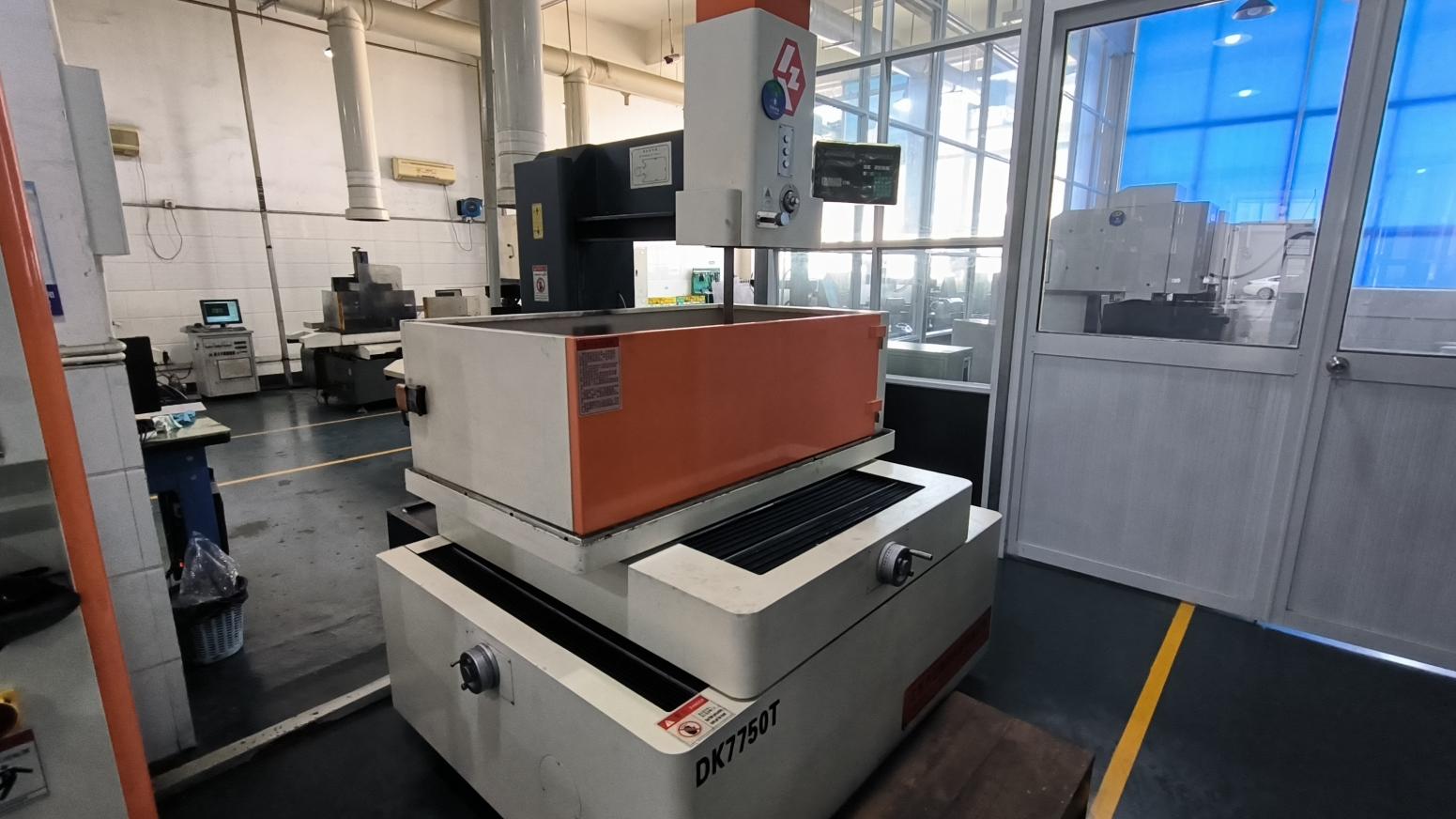
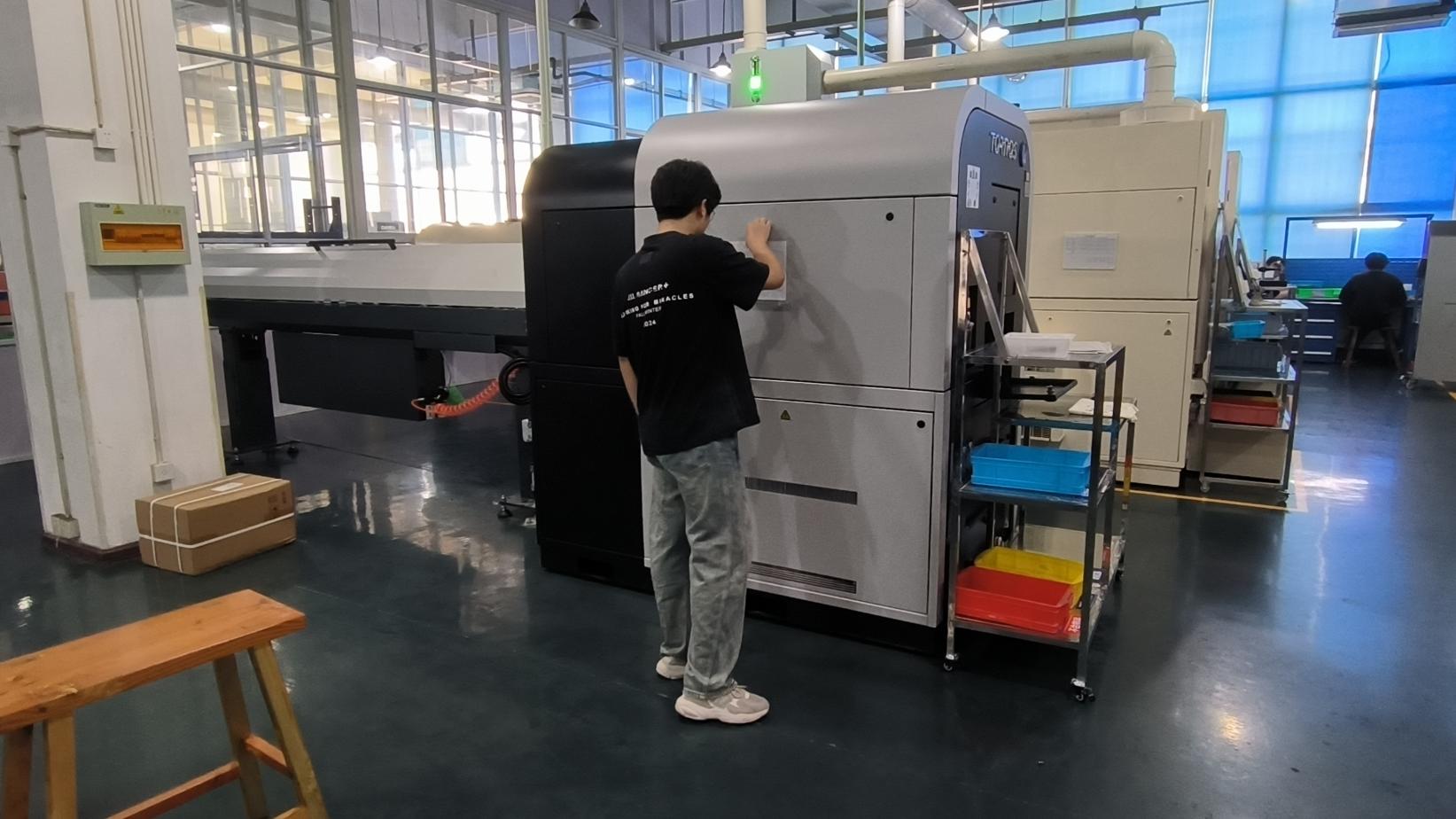
As an expert exporter, we understand that supply chains must support various materials to match localized clinical preferences. Our manufacturing lines run specialized medical-grade CNC milling, high-precision molding, and chemical surface treatments to ensure each raw material is processed under strict tolerances.
For more than a decade, we have bridged clinical requirements with high-end industrial orthopedic production.
A major strength of our enterprise lies in our expertise in advanced 3D printing and customization. By utilizing state-of-the-art selective laser melting (SLM) and electron beam melting (EBM) technologies, we create personalized medical devices that fit each patient's unique anatomical profile. This customization not only enhances overall treatment outcomes but also significantly improves patient comfort and postoperative recovery times.
Our product portfolio is broad, offering orthopedic implants, joint implants, high-reliability brushless motors for surgical handpieces, and specialized instruments. We control the fabrication process from raw material validation to micro-milling, ensuring every component meets high standards.
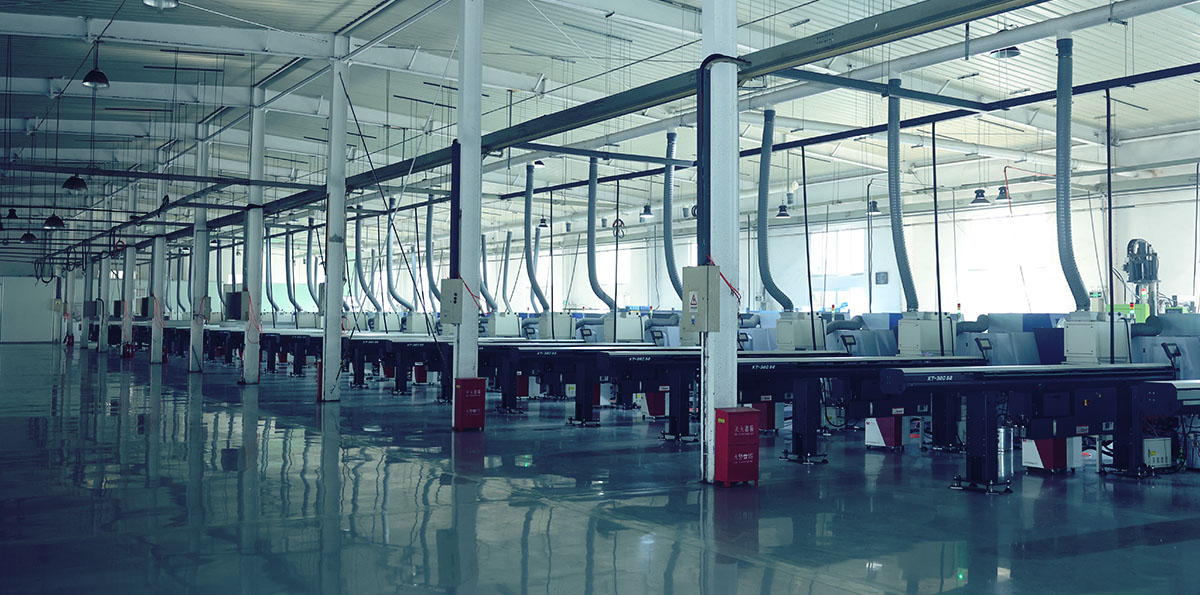
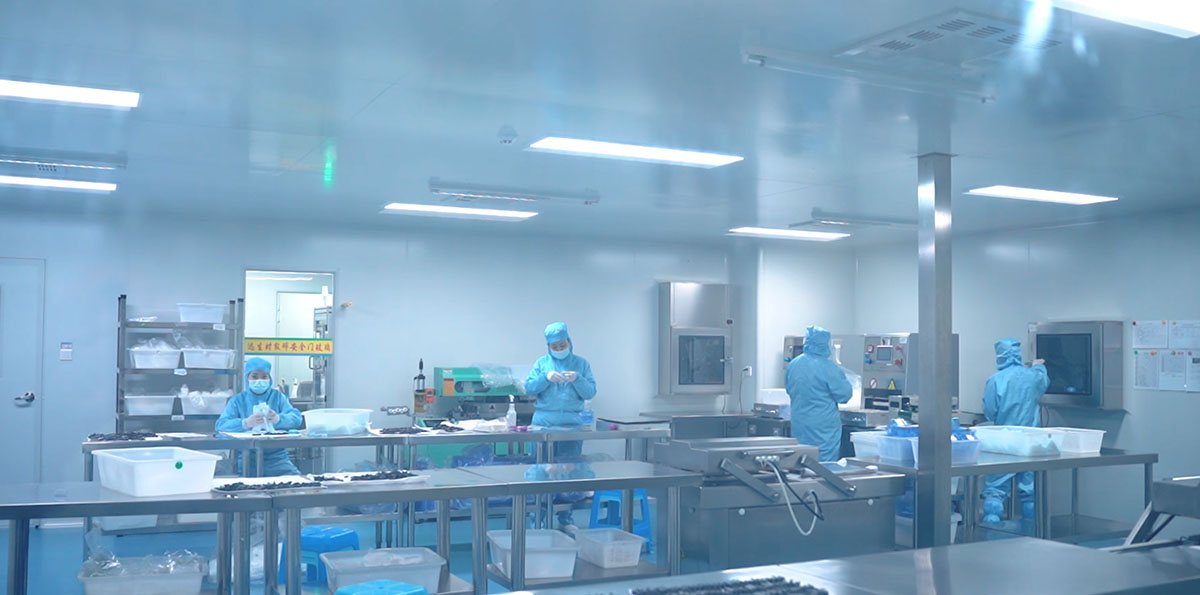
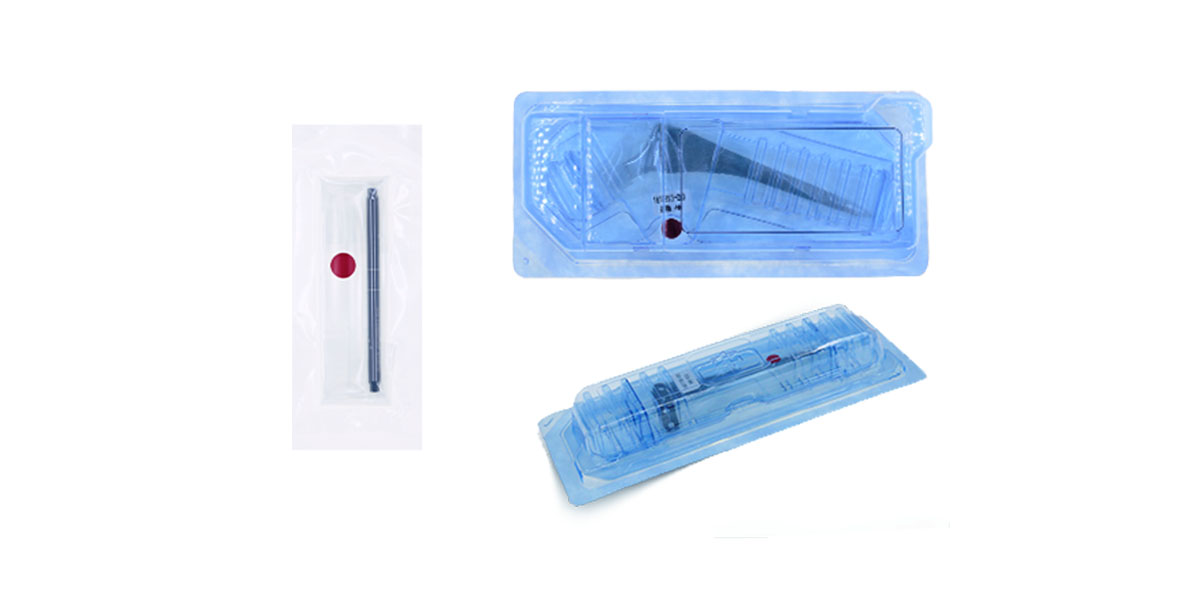
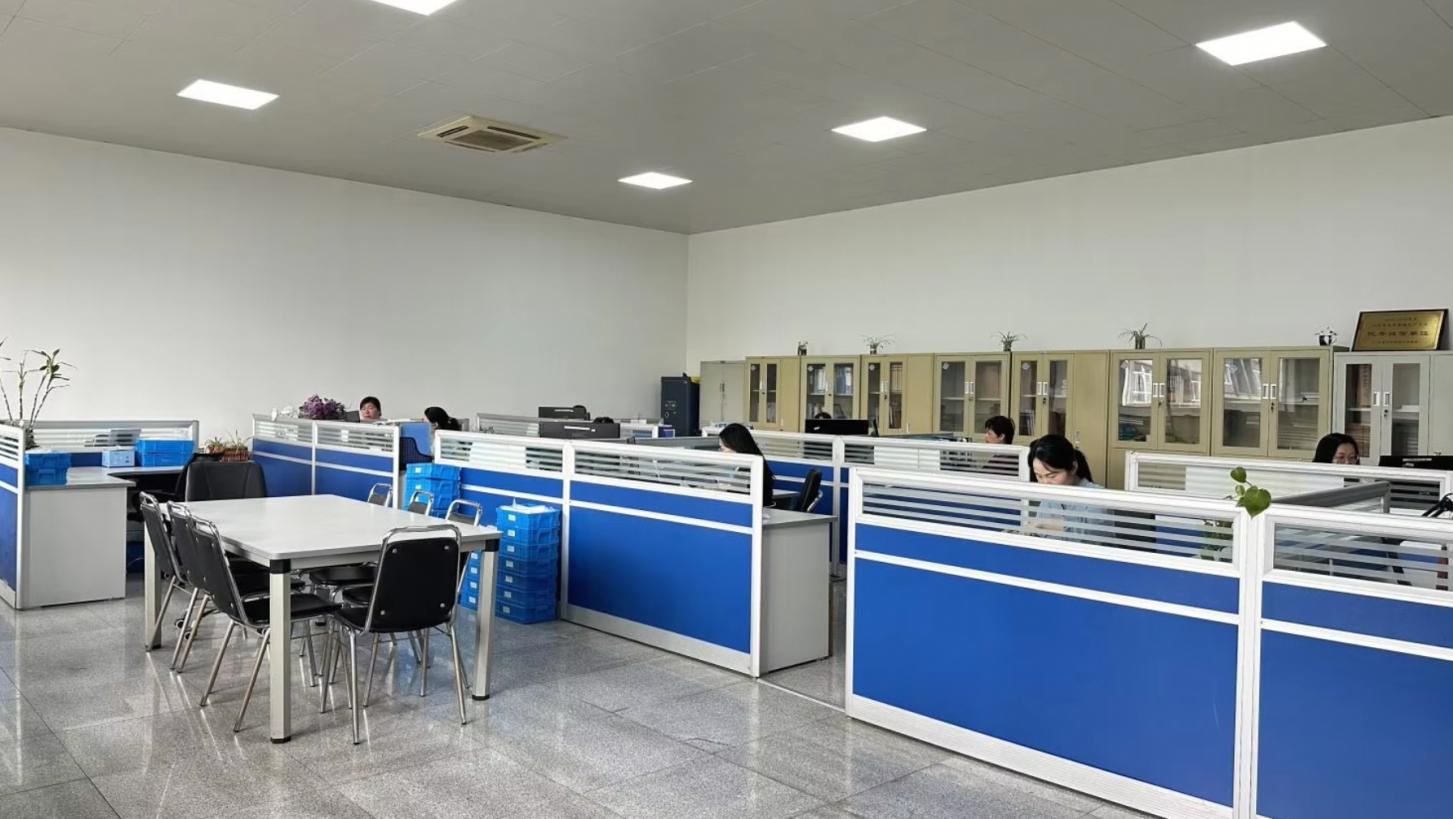
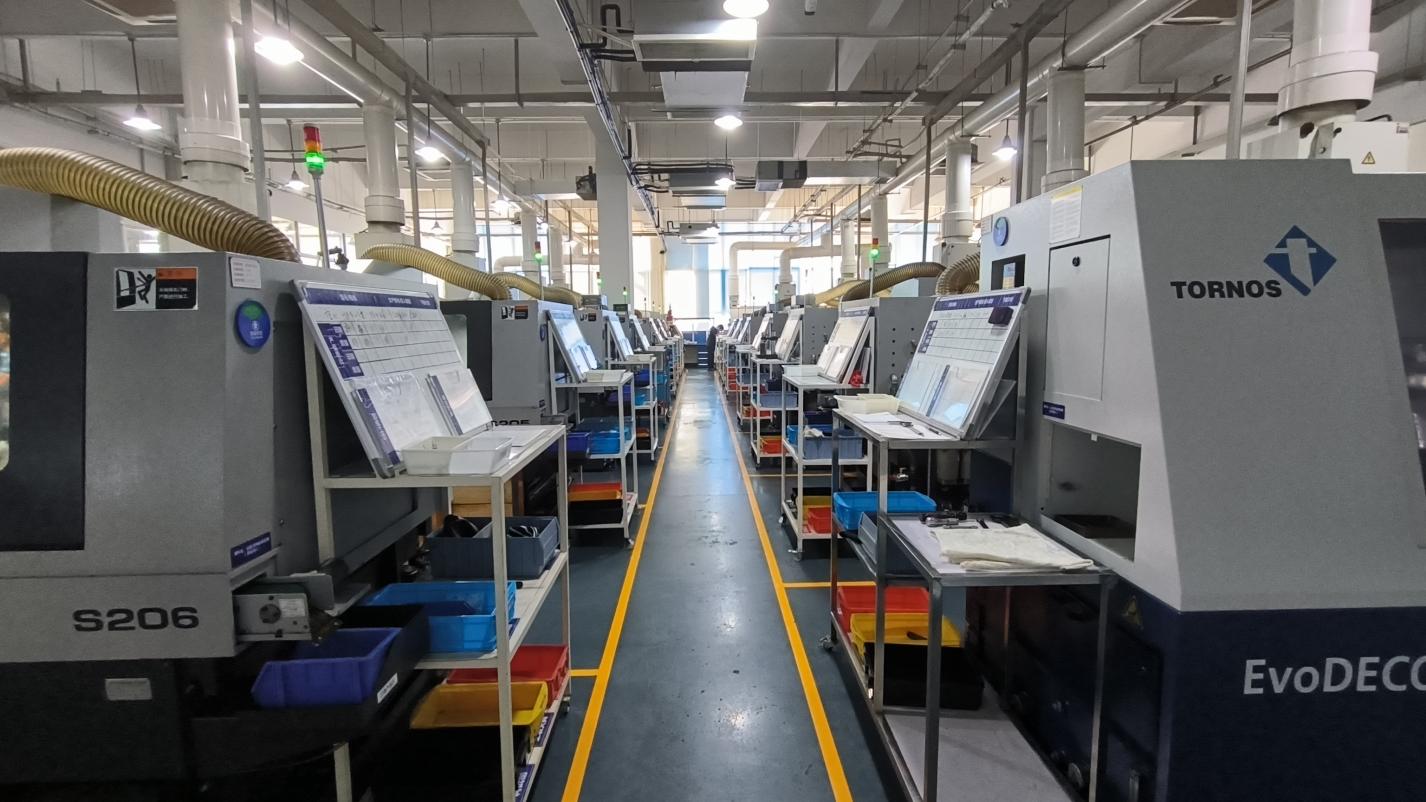
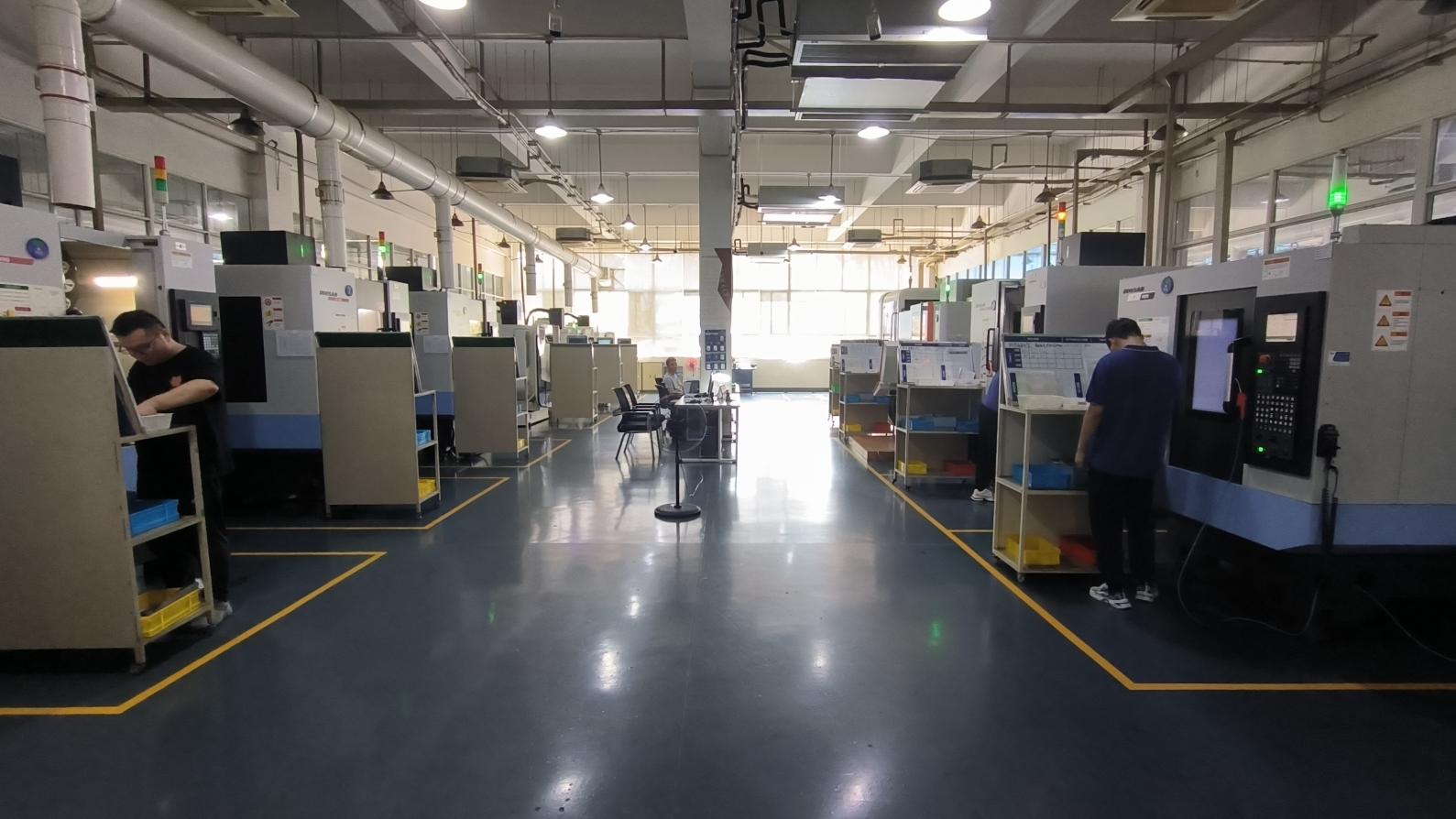
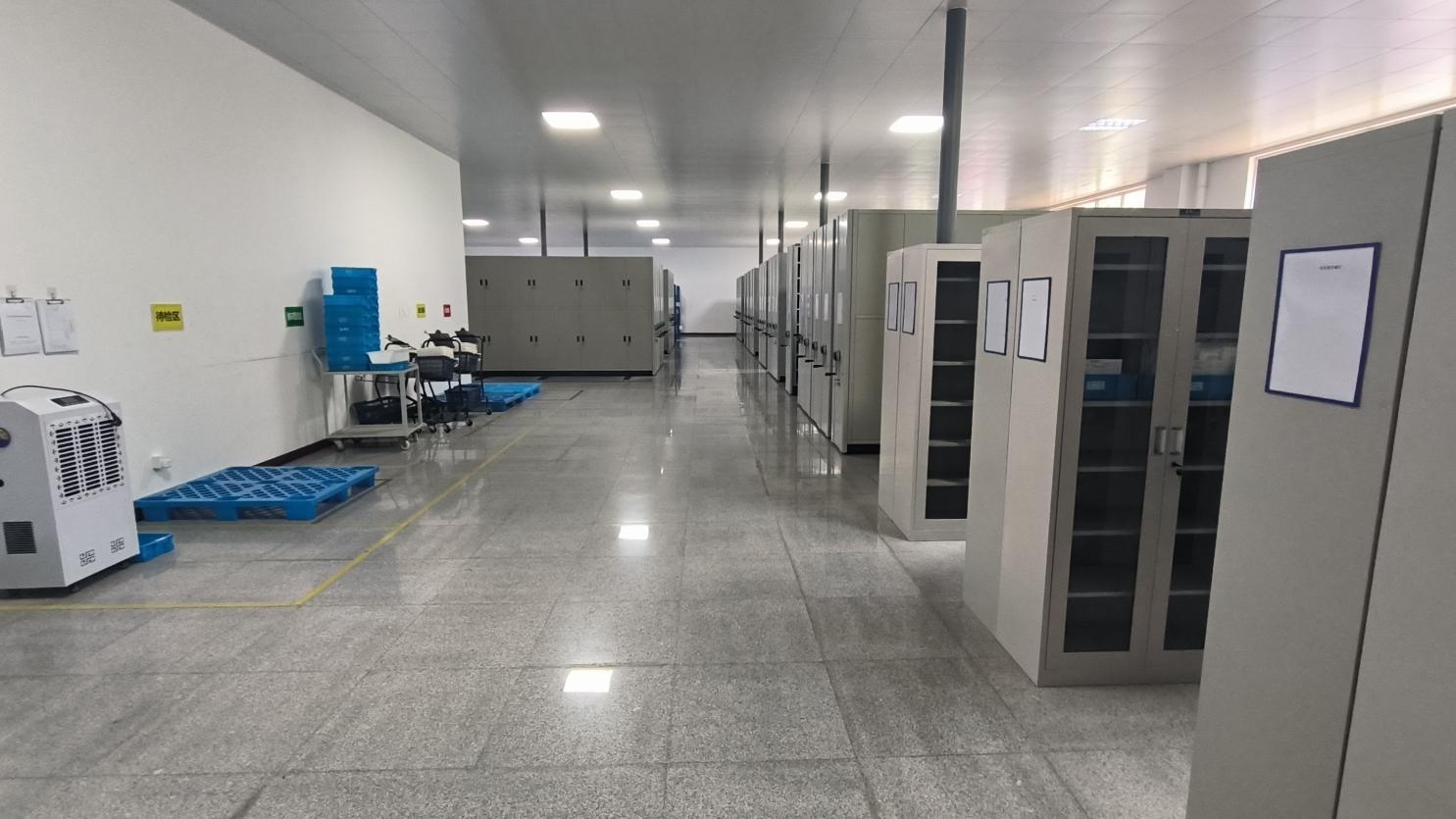

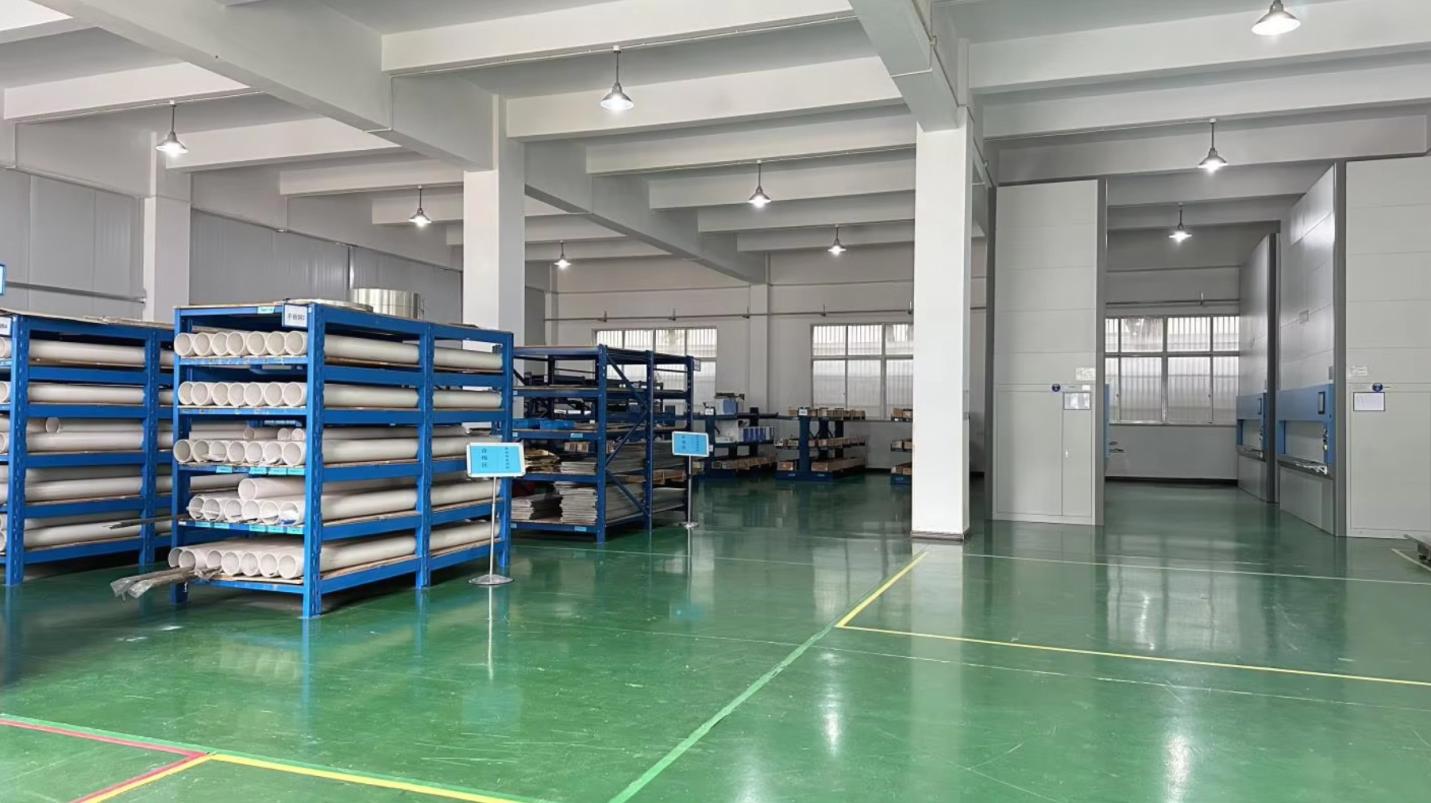
To date, our medical products and surgical sets have been widely adopted across dozens of countries in Asia, Latin America, Africa, and Europe. Through these partnerships, we have earned the trust of local distributors, clinical institutions, and orthopedic surgeons alike. Our distribution and logistics network is optimized to ensure consistent supply and product availability across diverse geographic regions.
A key pillar of our global export model is local support. We assist regional distributors in navigating complex regulatory environments, including local ministry registrations, import licensing, and customs clearance. Additionally, we provide comprehensive technical manuals, sterilization certificates, and hands-on clinical training programs to help local surgeons operate with complete confidence.
Our manufacturing facilities follow the ISO 13485 Quality Management System for Medical Devices. We maintain strict control over every stage of production—from checking raw material chemistry to validating final ethylene oxide (EO) sterilization. Every production batch is fully traceable, which meets the high safety and performance standards required by global regulatory agencies.
Furthermore, each batch of suture anchors undergoes rigorous mechanical validation, including testing for torsional load capacity, insertion torque limits, and tensile pull-out strength in simulated bone blocks. This ensures our implants deliver stable fixation under demanding cyclic loads.
The future of soft tissue fixation lies in developing bio-active, smart implants. Our R&D division is focused on the next generation of suture anchors, working in three main areas:
We are investigating nanostructured calcium phosphate coatings that mimic the natural mineral phase of bone. These coatings encourage early cell attachment and osteoblast migration, accelerating the integration of the anchor into the surrounding bone tissue.
To simplify arthroscopic procedures, our upcoming line of knotless suture anchors will feature a smart self-locking design. This allows surgeons to adjust tension precisely in real time, reducing operation times and eliminating knot stack irritation.
By adjusting polymer chain lengths and blending ratios of PLDLA and β-TCP, we aim to align the implant's degradation curve with the patient's individual healing rate. This maintains structural support during recovery and leaves behind only healthy, remodeled bone.
Technical and regulatory answers for surgeons, purchasing managers, and distributors.
A: Suture anchors are typically made from titanium alloys, PEEK, or bioabsorbable polymers. Titanium provides high strength and immediate stability. PEEK offers radiolucency and a modulus close to bone to reduce stress shielding. Bioabsorbable options gradually degrade, allowing native bone to replace the implant site over time.
A: We utilize advanced metal and polymer 3D printing to create customized implants based on patient CT scans. This approach ensures a precise anatomical fit, which improves implant stability, reduces operating times, and supports faster recovery compared to off-the-shelf options.
A: Each production lot undergoes pull-out testing in synthetic bone blocks, insertion torque testing to prevent head breakage, and cyclic loading tests. These evaluations ensure our anchors can withstand the repetitive stresses of early post-operative physical therapy.
A: Our facilities are certified under ISO 13485. Our products comply with major global regulatory frameworks, including CE marking for EU distribution and clearances in various regional markets across Asia, Latin America, and Africa.
A: We work with established logistics providers to handle sensitive medical shipments. Each delivery includes comprehensive documentation, including sterilization certificates, traceability logs, and import documentation, to minimize customs delays.
A: Yes, our newer product designs are engineered specifically for both traditional knotted and advanced knotless arthroscopic techniques. They feature large suture eyelets and specialized thread pitches to facilitate smooth suture sliding and secure lock-off.
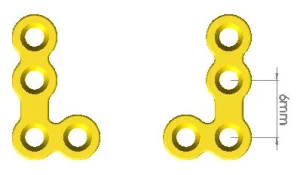
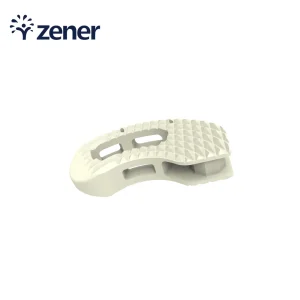
Explore our collection of high-precision plates, guide pins, joint replacements, and structural components manufactured to strict clinical tolerances.
 Axton Orthopedic Implants