Advanced trauma and joint replacement solutions for international clinical standards.
Navigating complexity in total knee arthroplasty (TKA) failure and reconstruction.
Revision Total Knee Arthroplasty (rTKA) remains one of the most challenging orthopedic procedures. As a premier Revision Knee Systems Supplier, we focus on the AORI (Anderson Orthopaedic Research Institute) classification of bone defects. Our systems are engineered to provide mechanical stability where primary implants fail due to aseptic loosening, infection, or periprosthetic fractures.
Modern revision surgery demands modularity. Our systems utilize 3D-printed titanium augments, metaphyseal cones, and highly cross-linked polyethylene (HXLPE) inserts. This allows surgeons to customize the implant intraoperatively to match the patient’s unique anatomical requirements, ensuring restored joint line and optimal kinematics.
To date, our products have been widely used in dozens of countries across Asia, Latin America, Africa, and Europe. We understand that being a global exporter involves more than shipping hardware; it requires deep alignment with MDR (EU), FDA (USA), and local regulatory frameworks to ensure surgeon trust and patient safety.
A major strength of the company lies in its expertise in 3D printing and customization. With advanced technology, the company is able to create personalized medical devices that perfectly fit each patient. This customization not only enhances treatment outcomes but also improves patient comfort and overall satisfaction.
Integrating 3D Printing, Wire Cutting, and Advanced Material Sourcing.
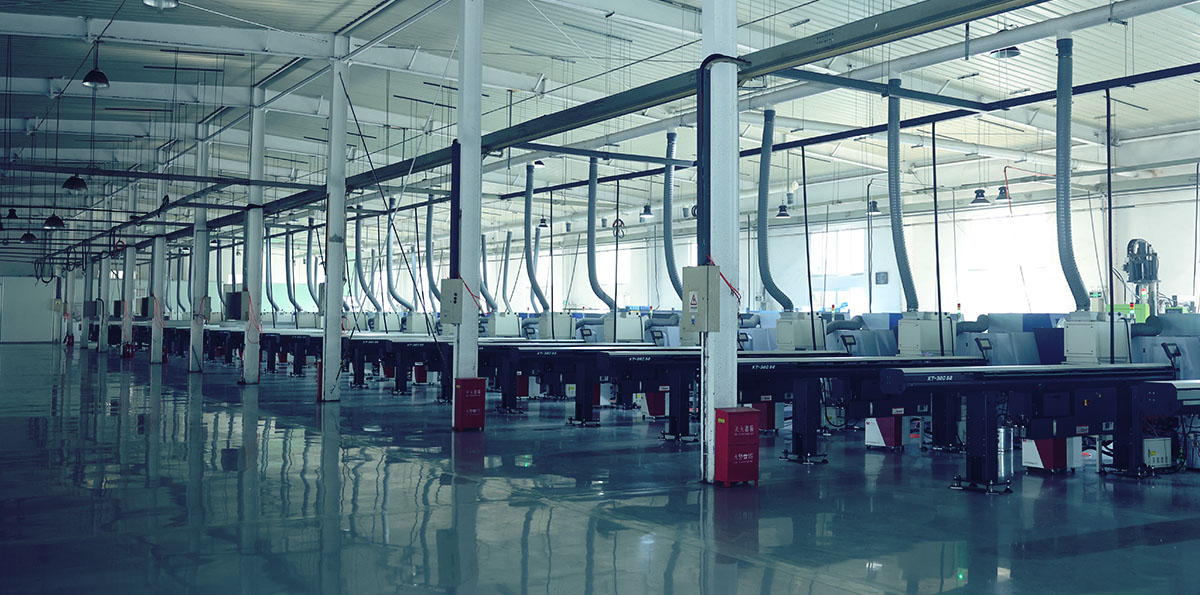
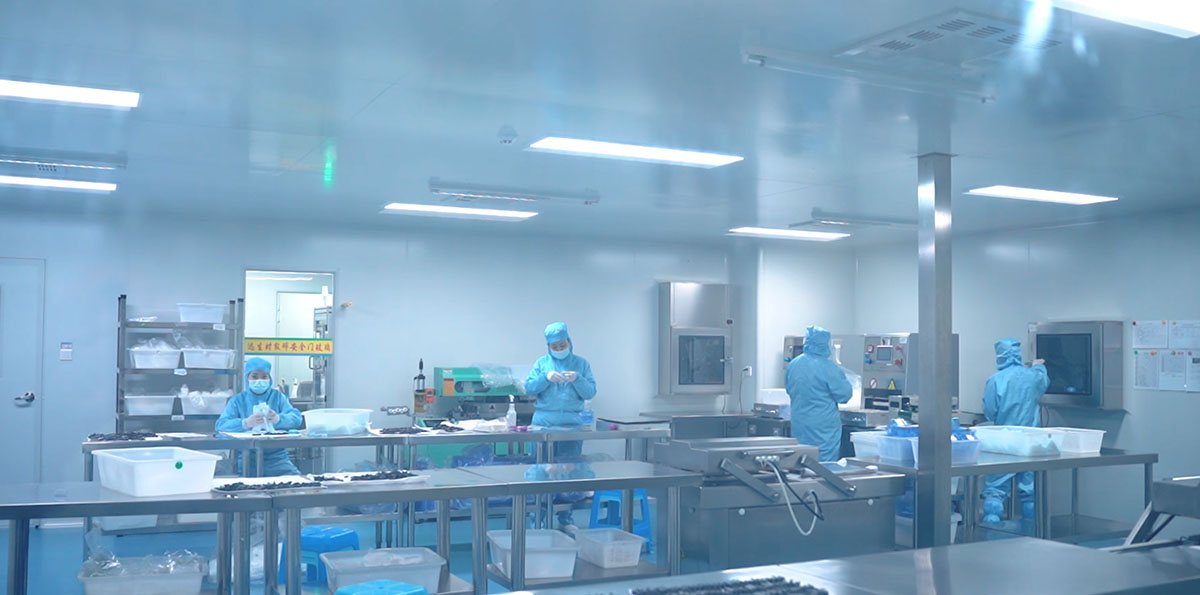
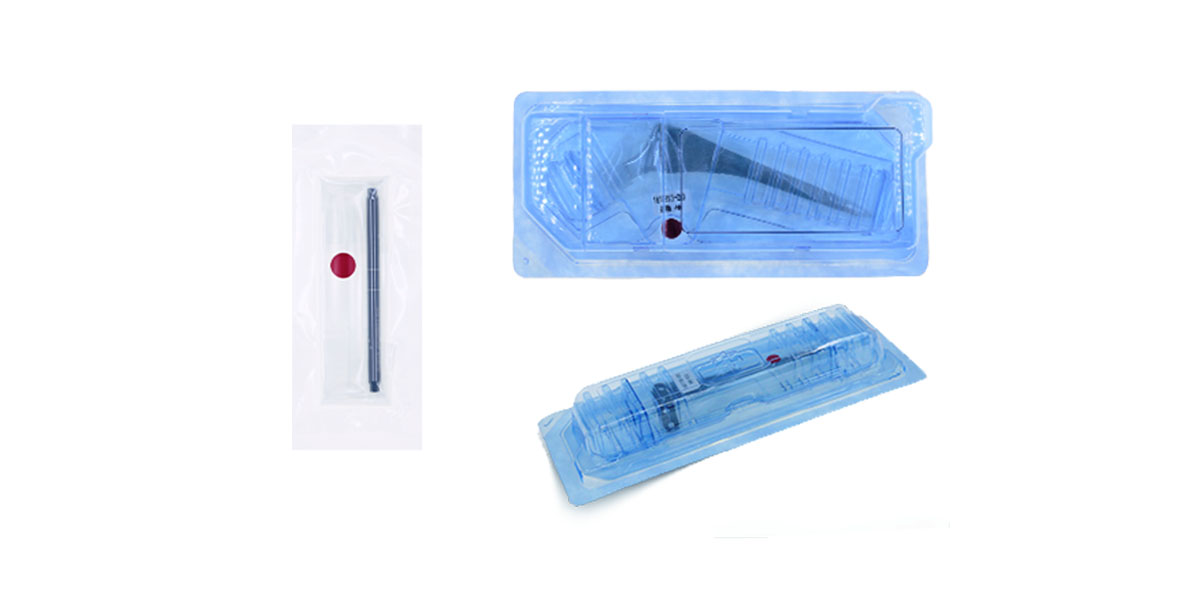
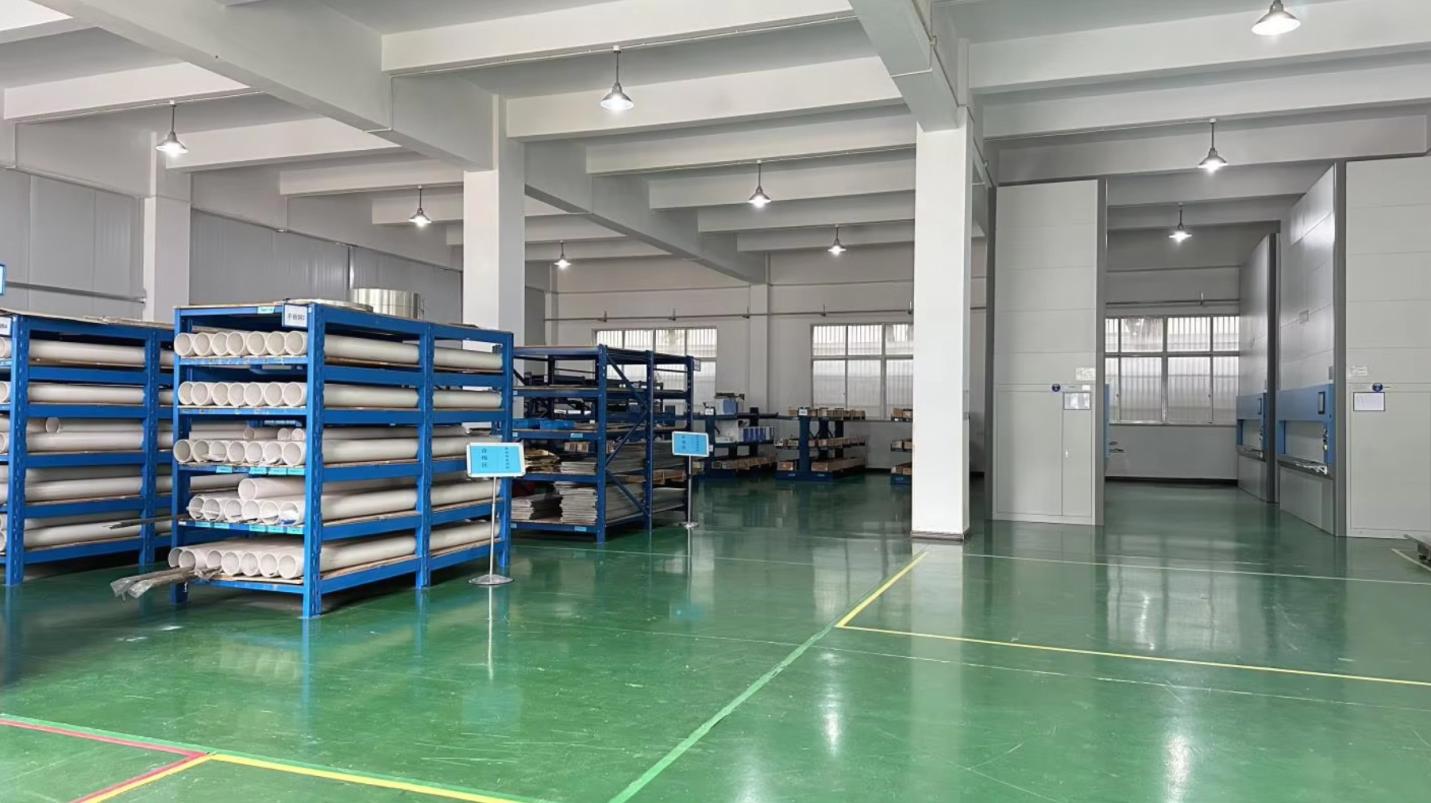
Raw Materials Selection
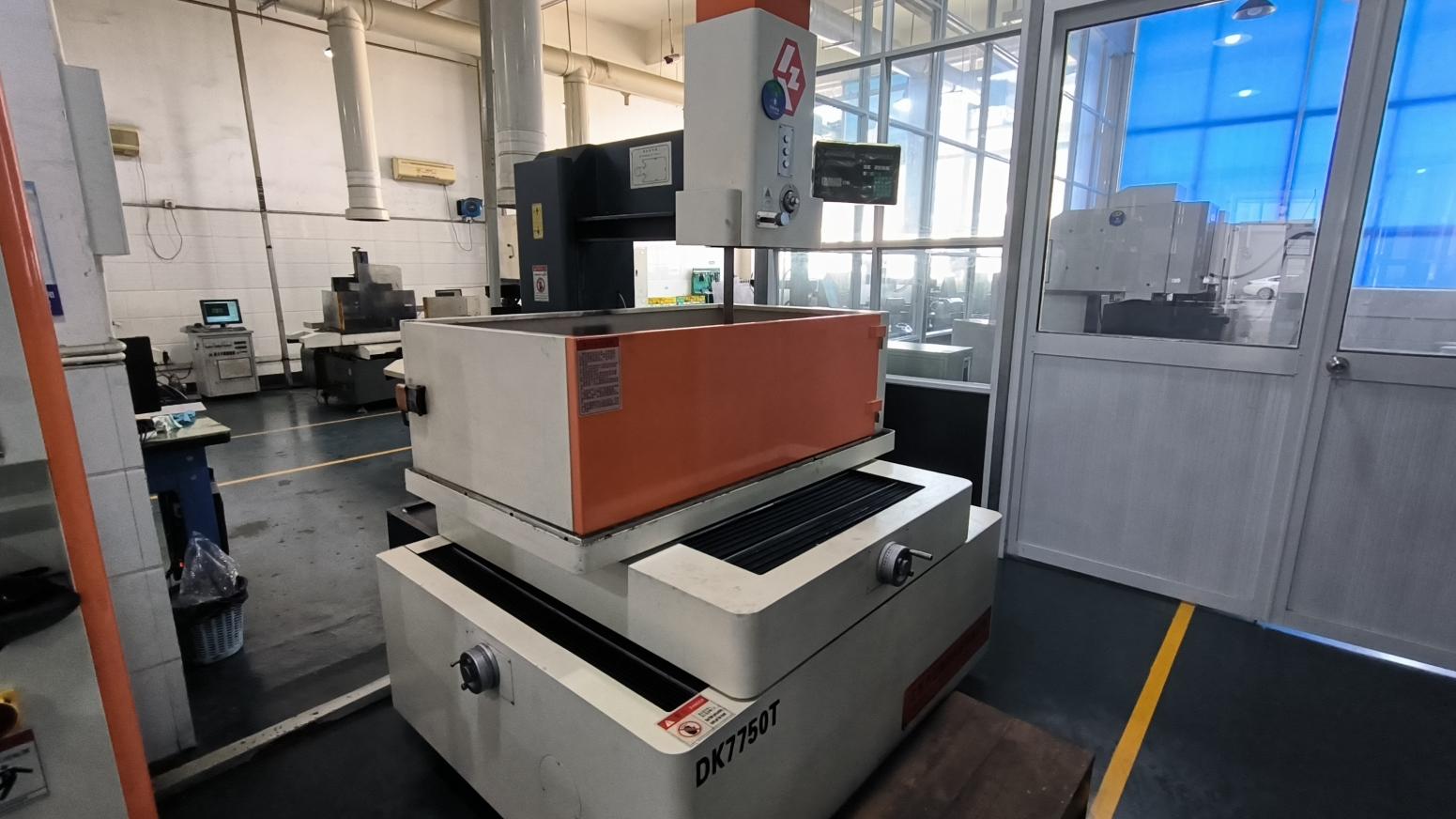
Wire Cutting Precision
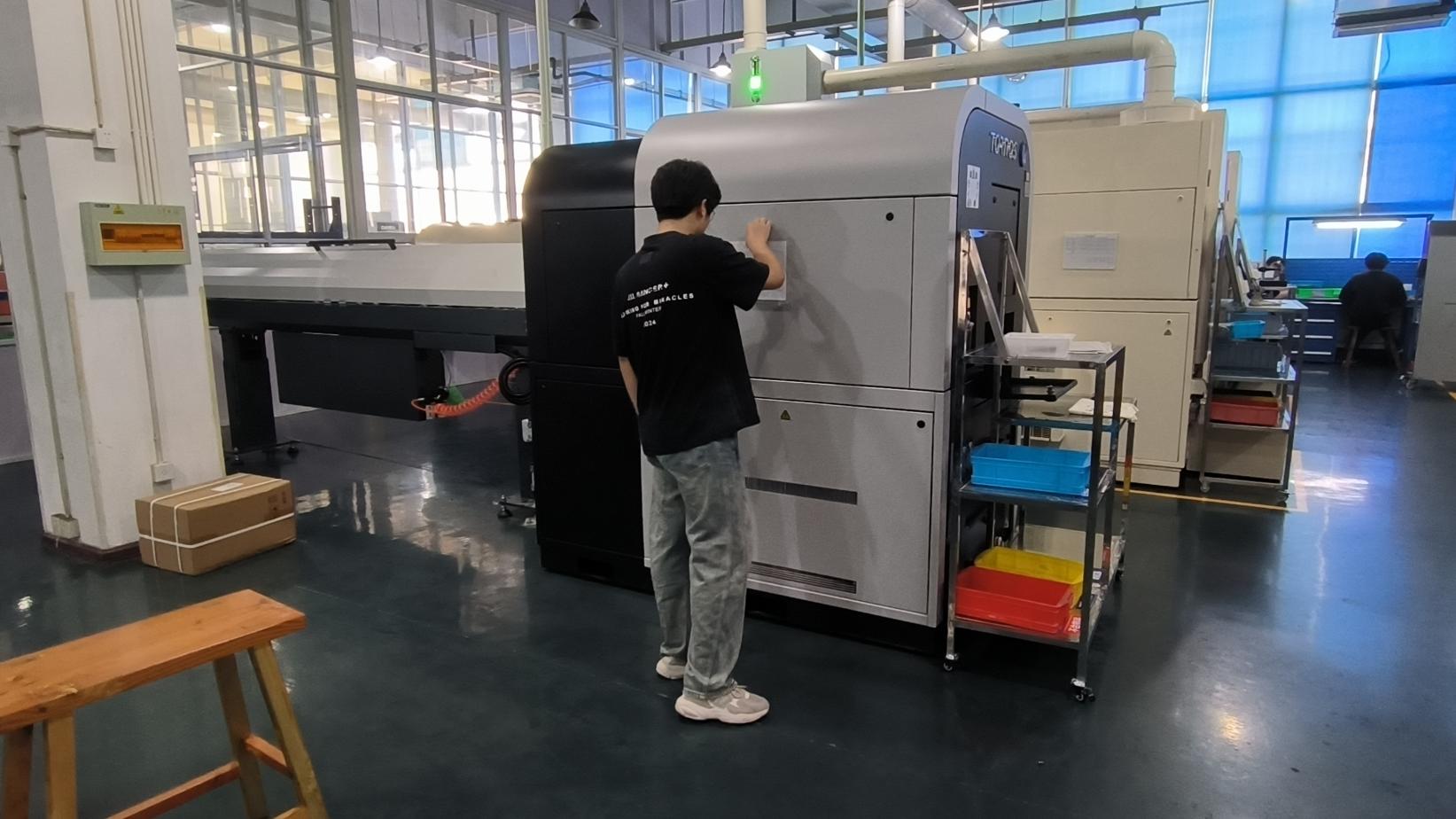
Final Inspection
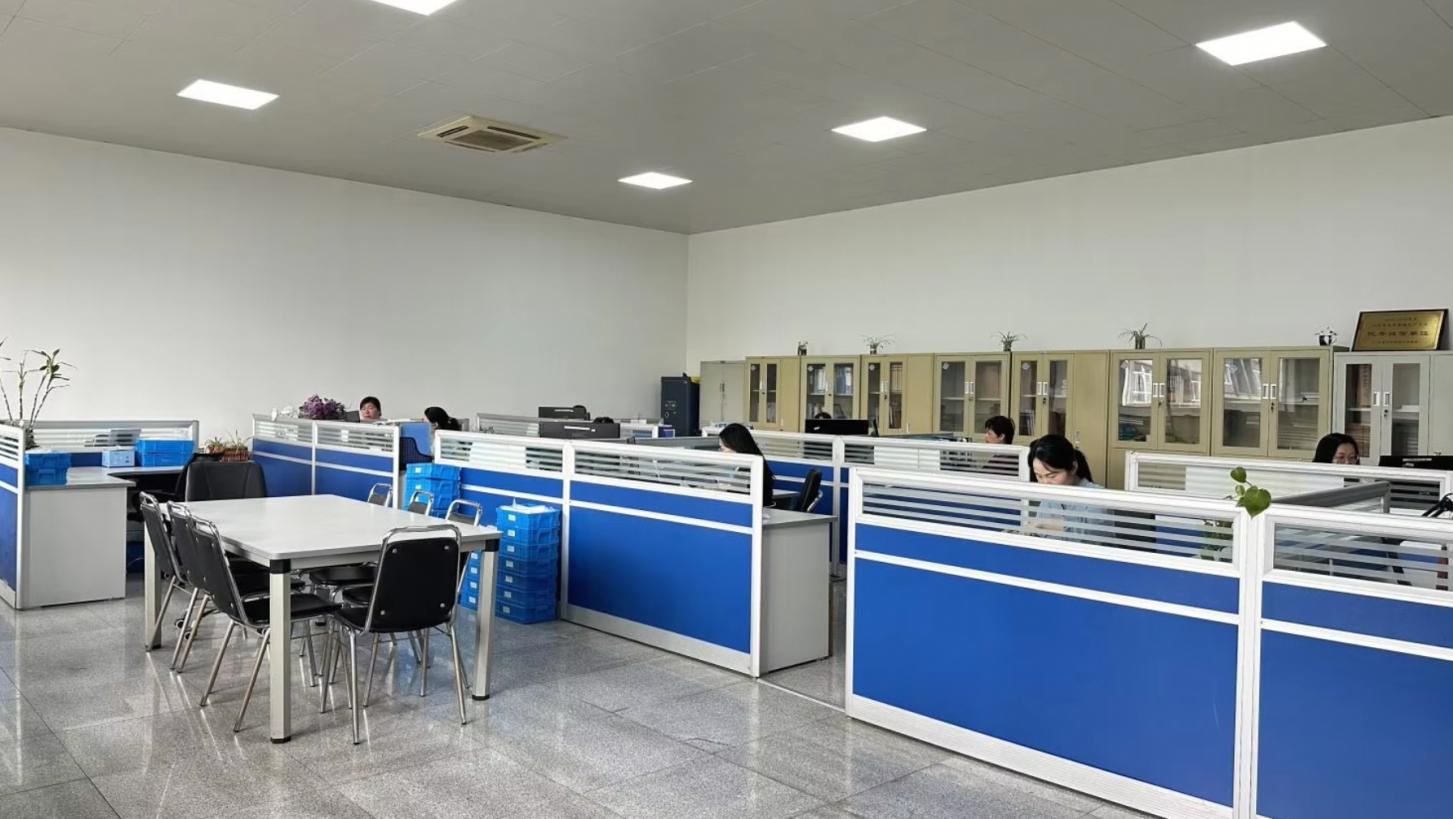
Technical R&D Center
Bridging the gap between complex bone loss and functional restoration.
The industry is moving toward Robotic-Assisted Revision Total Knee Arthroplasty (rR-TKA). This technology allows for pre-operative CT-based planning which is critical in managing significant bone loss. As a leading supplier, we are integrating sensor-compatible interfaces into our revision systems to support computer-assisted navigation and robotic platforms.
Periprosthetic Joint Infection (PJI) is a primary driver for revision. Our roadmap includes the development of standardized and custom articulating spacers that deliver localized antibiotics. By providing high-dose elution at the site of infection, our solutions help transition patients successfully from stage-one to stage-two revision procedures.
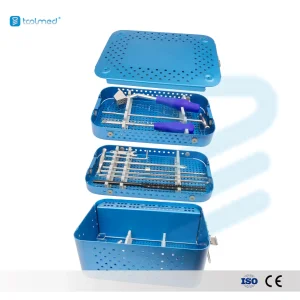
Global procurement heads for hospitals are increasingly focused on Supply Chain Resilience and Cost-to-Value Ratios. We address these needs by offering "Solution Packs"—inclusive of all stems, augments, and instruments—reducing the inventory burden on healthcare facilities while ensuring the surgeon has every option available in the OR.
Being a top exporter means maintaining localized depots. We provide technical support for surgeons through our global distributor network, ensuring that for every complex revision case, a product specialist is available to assist with modular selection and instrument management.
Traditional revision systems often struggle with massive metaphyseal bone loss (AORI Type III). Our Information Gain for surgeons lies in our proprietary 3D-printed Titanium Porous Structures. Unlike traditional cement or metal blocks, our porous metaphyseal sleeves encourage Biological Fixation. The 70-80% porosity mimics human cancellous bone, promoting osteoconduction and long-term implant stability.
Furthermore, we address the "Joint Line Restoration" challenge. Misalignment of the joint line can lead to mid-flexion instability. Our system’s modular femoral components allow for independent adjustment of distal and posterior offsets, enabling the surgeon to recreate the patient’s natural anatomy even in the presence of severe bone loss.
Addressing the critical concerns of surgeons, distributors, and procurement officers.
Explore our complete range of trauma, spine, and joint solutions.
 Axton Orthopedic Implants