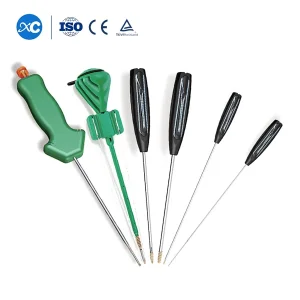
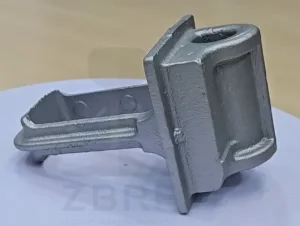
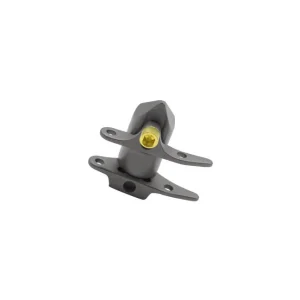
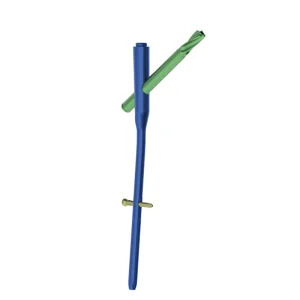
Precision-engineered instruments and implants for complex reconstruction
Revision hip replacement is a complex procedure that occurs when a previous hip implant fails due to wear, infection, or instability. As the global aging population grows and the average age for primary total hip arthroplasty (THA) decreases, the demand for high-performance Revision Hip Systems has reached an all-time high. Surgeons today require modularity, biological fixation, and advanced material science to address significant bone loss and compromised tissue.
The global orthopedic revision market is shifting toward 3D-printed porous titanium and highly cross-linked polyethylene (HXLPE) to enhance osseointegration and reduce wear debris.
Modern revision systems prioritize "Bone Preservation." Suppliers are now judged on their ability to provide custom-made acetabular cages and femoral stems that adapt to patient-specific anatomy.
Procurement teams are moving away from single-source risks, looking for manufacturers with high supply chain resilience and multi-national distribution capabilities.
To date, our products have been widely used in dozens of countries across Asia, Latin America, Africa, and Europe, and have gained recognition from local distributors and surgeons. We offer orthopedic implants, joint implants, brushless motors, and other products designed for the most demanding clinical environments.
A major strength of the company lies in its expertise in 3D printing and customization. With advanced technology, the company is able to create personalized medical devices that perfectly fit each patient. This customization not only enhances treatment outcomes but also improves patient comfort and overall satisfaction. By utilizing additive manufacturing, we can produce complex trabecular structures that mimic natural bone, fostering faster biological fixation.
How we leverage smart manufacturing to support global orthopedic needs
In the era of Industry 4.0, our manufacturing facility has evolved from a traditional workshop into a data-driven ecosystem. This transformation ensures that every Revision Hip System component meets the stringent international standards (ISO 13485) while maintaining the cost-efficiency that global distributors expect.

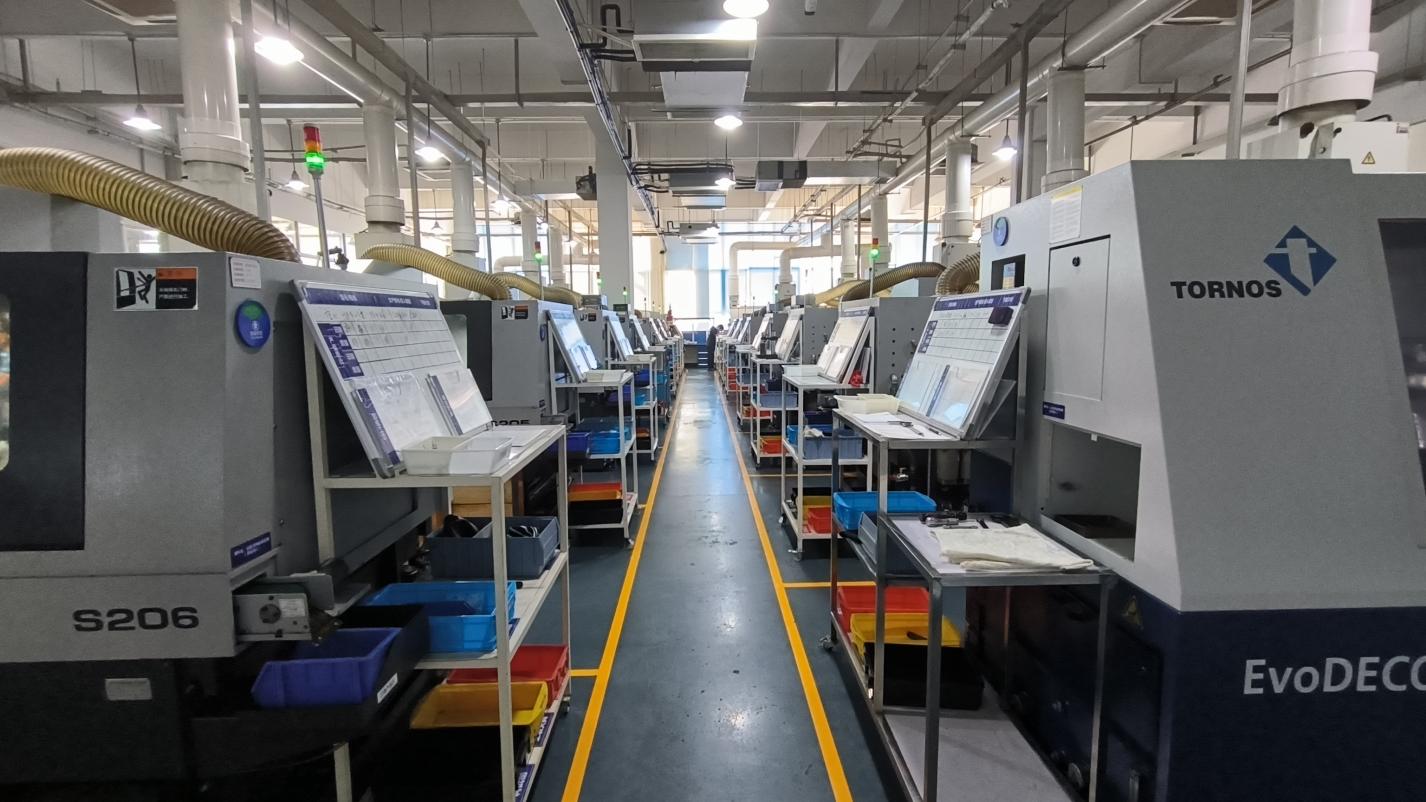
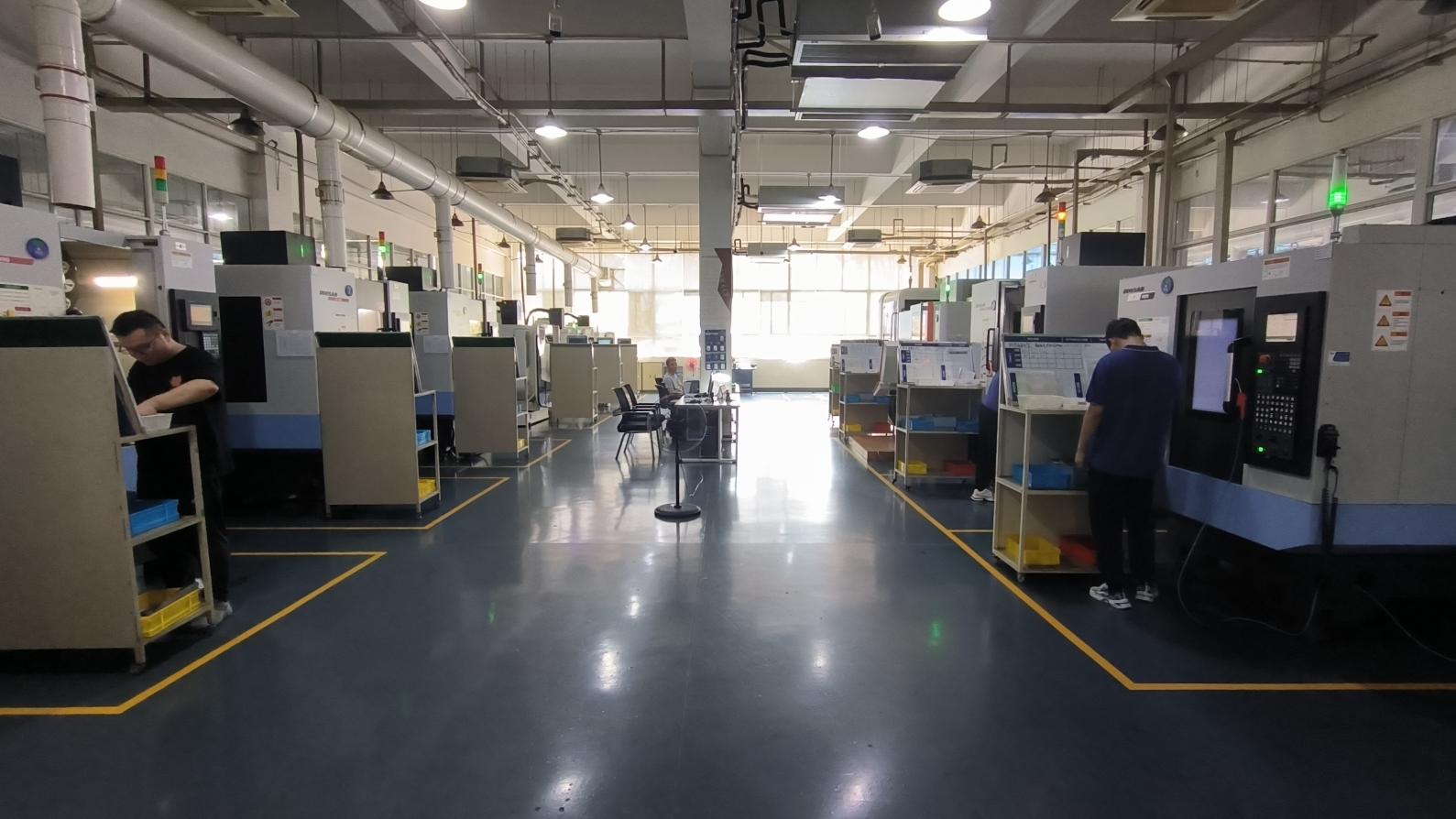
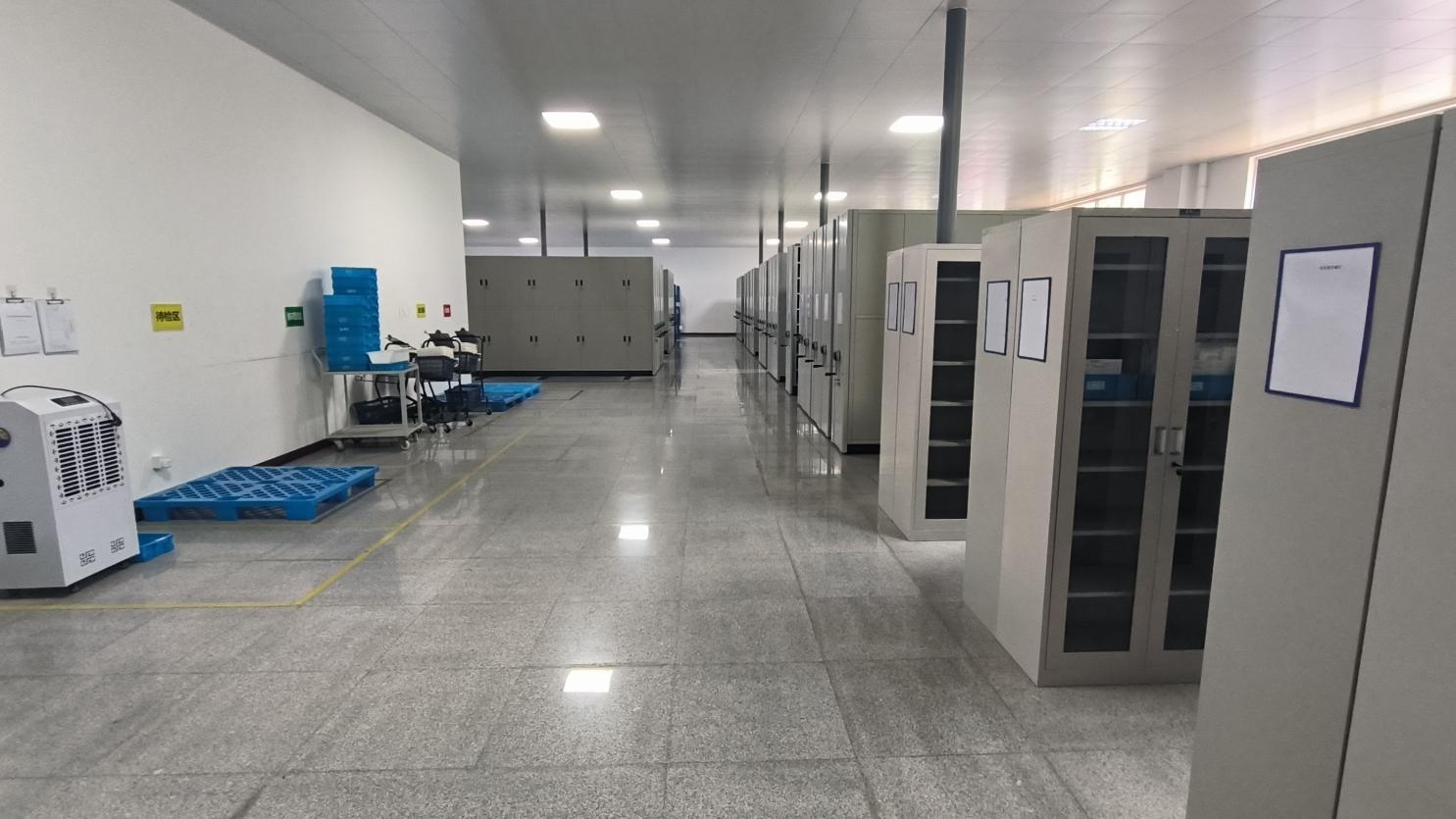


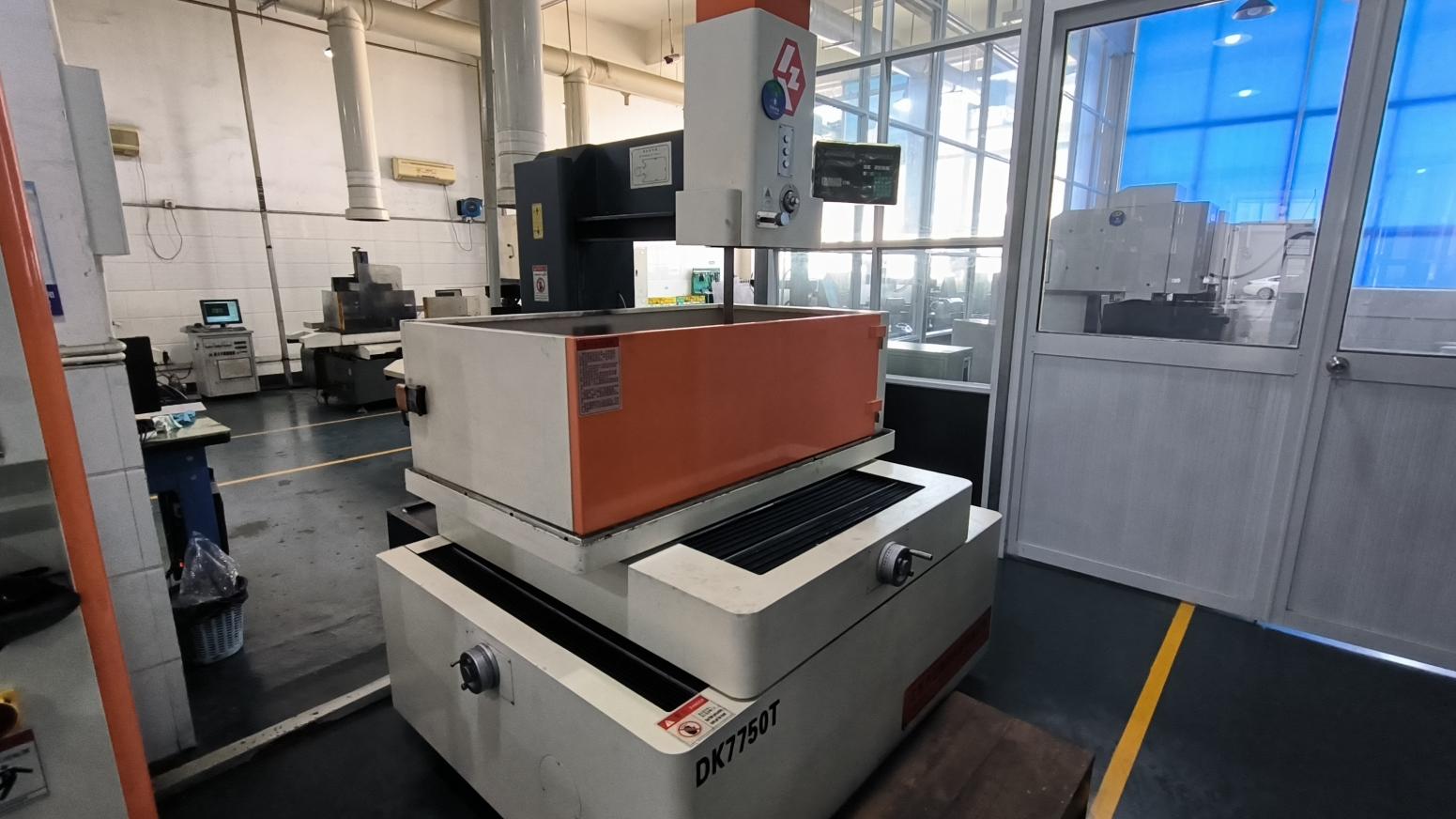
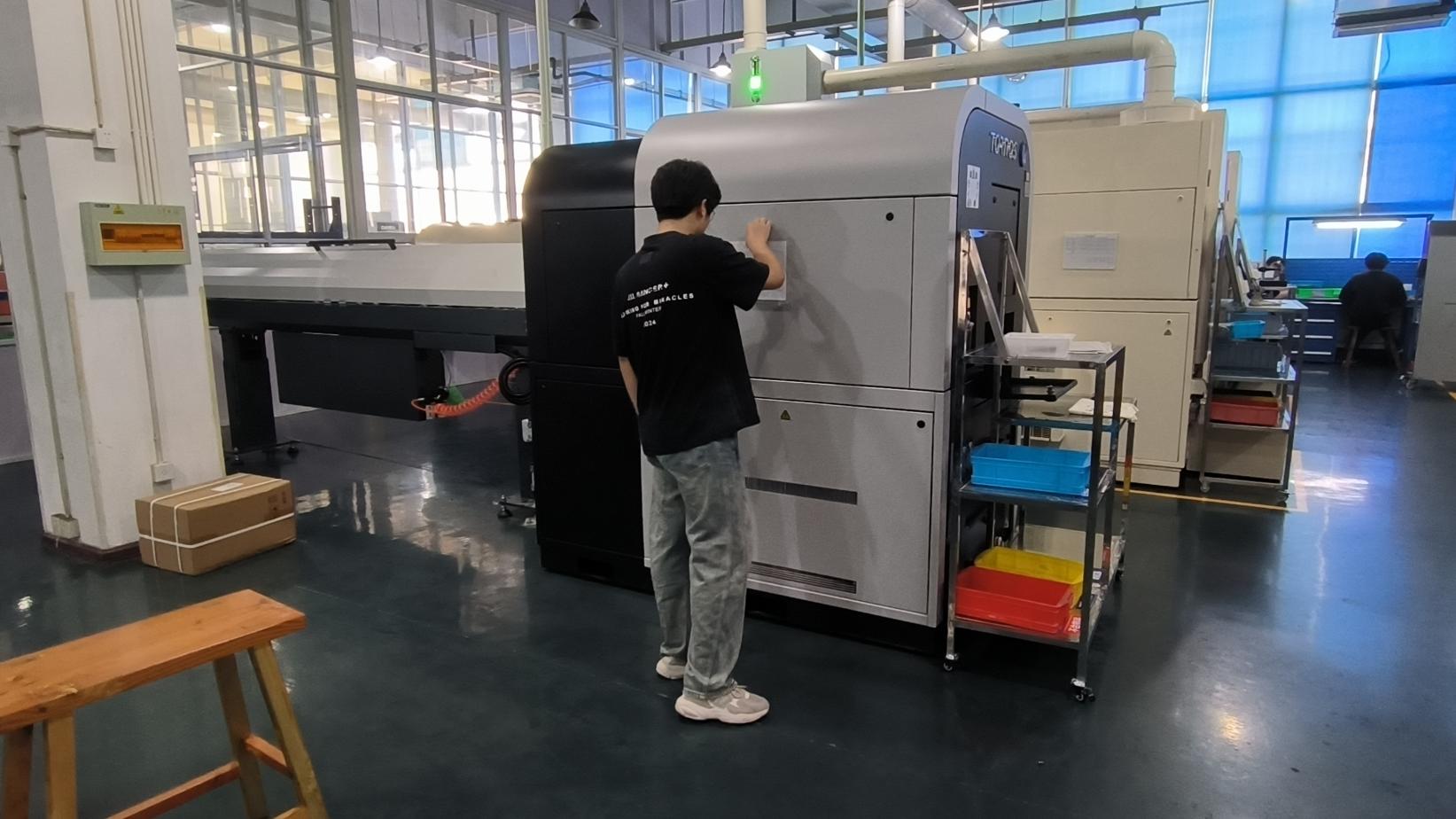
We source medical-grade Titanium and Cobalt-Chrome from vetted global suppliers, ensuring biocompatibility and fatigue resistance for long-term implant survival.
Our "Digital Twin" system allows us to simulate surgical outcomes before the first cut, reducing lead times for custom revision kits by up to 40%.
When sourcing Revision Hip Systems, global buyers face the challenge of balancing surgical efficacy with budgetary constraints. In Europe and North America, the focus is on clinical data and regulatory compliance (CE/FDA). In emerging markets across Asia and Africa, the focus often shifts toward durability and the comprehensiveness of instrument sets.
Our localized application scenarios include:


Expert insights into Revision Hip Systems and Procurement
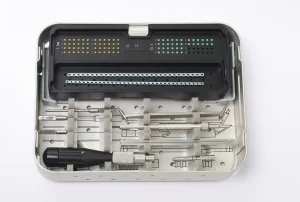
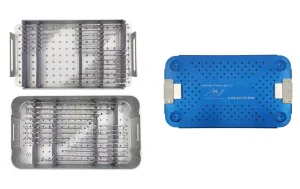
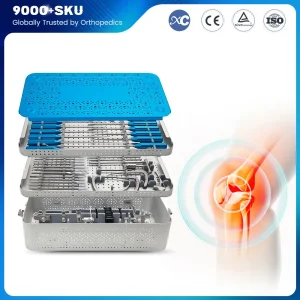
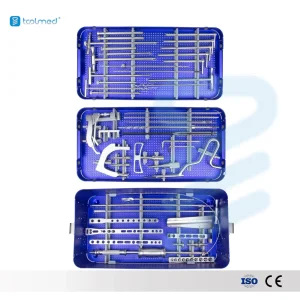
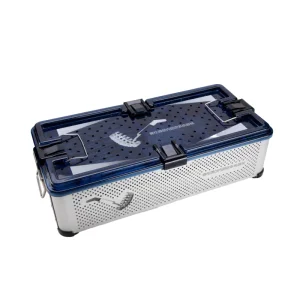
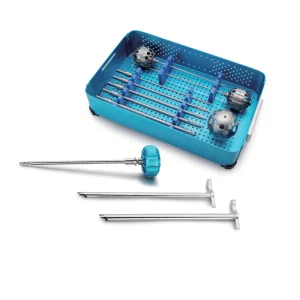
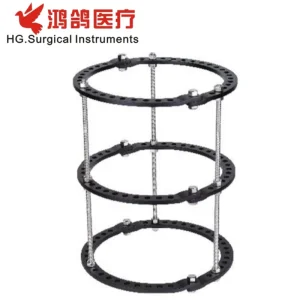
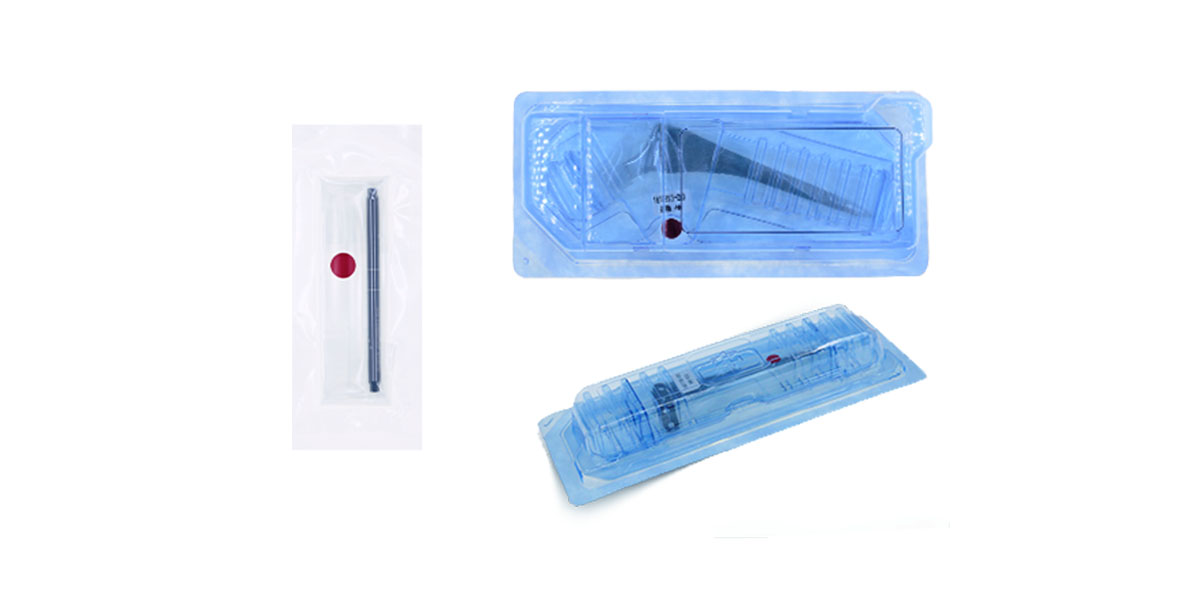
Complete surgical sets for spinal, trauma, and joint reconstruction
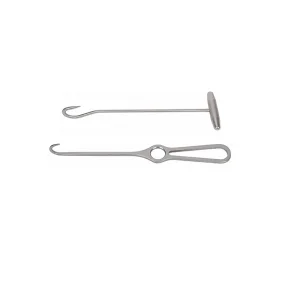
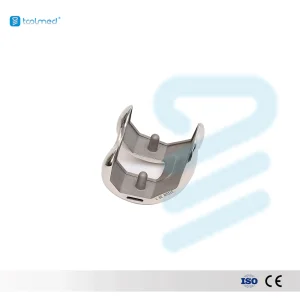
The selection of a Revision Hip System manufacturer is a decision that impacts long-term clinical outcomes and hospital efficiency. By combining 13+ years of orthopedic expertise with the efficiency of Industry 4.0, we provide a stable, high-quality supply of implants and instruments. Whether it's a standard stainless steel bone hook or a 3D-printed titanium maxillofacial implant, our commitment to E-E-A-T principles ensures that every surgeon has the tools they need to succeed in the operating room.
 Axton Orthopedic Implants