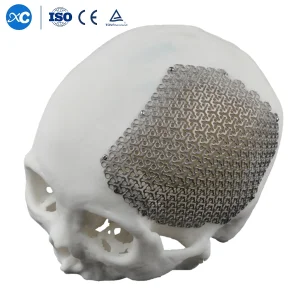
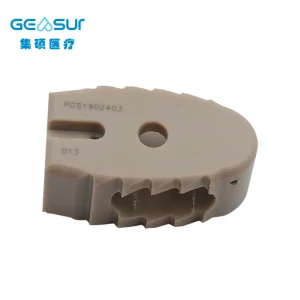
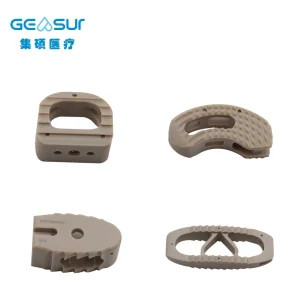
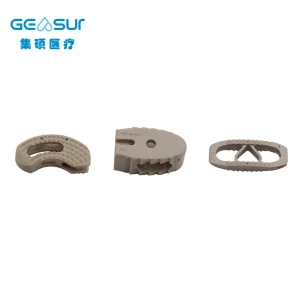
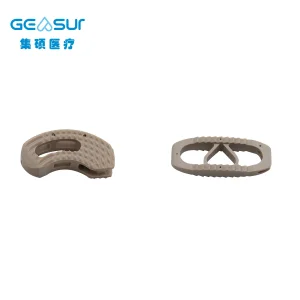
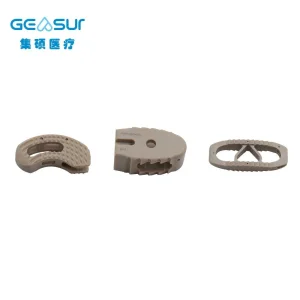
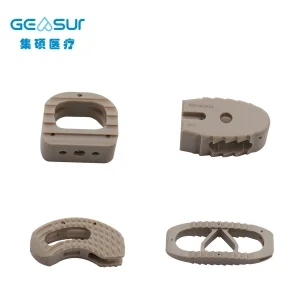
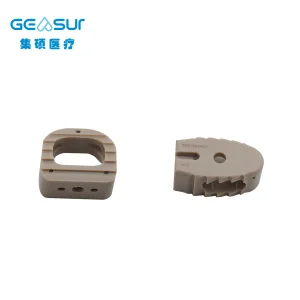
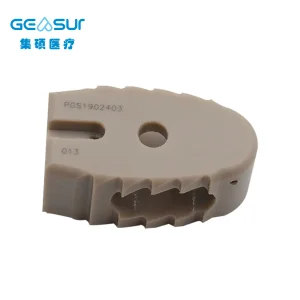
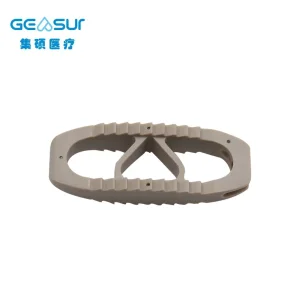
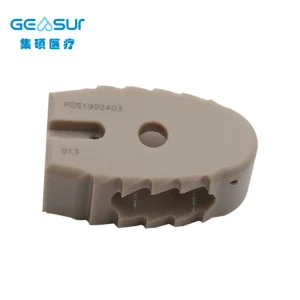
The global demand for titanium mesh cages has seen an unprecedented surge as orthopedic and neurological surgeries move toward more biological and patient-specific solutions. Titanium, known for its exceptional biocompatibility and mechanical strength, has become the "Gold Standard" for interbody fusion and reconstructive procedures. From the aging population in Europe and North America needing spinal stabilization to the rising medical infrastructure in Asia and Latin America, the reliance on high-quality titanium implants is universal.
Today, the industry is transitioning from standard sized implants to 3D-printed porous titanium structures. These advancements allow for better osseointegration, meaning the patient's bone grows directly into the mesh, creating a more stable and permanent bond than traditional materials like PEEK could offer alone.
Modern mesh cages now mimic the trabecular structure of human bone to encourage natural healing.
3D printing allows for complex geometries that were impossible with traditional CNC machining.
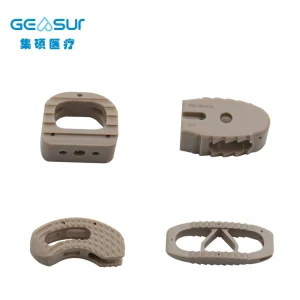
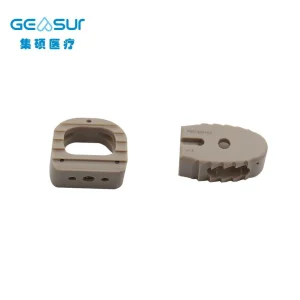
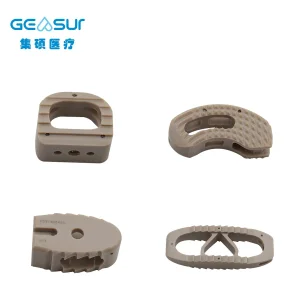
Combining the radiolucency of PEEK with the bioactivity of Titanium coatings for the best of both worlds.
Using 3D anatomical data to create bespoke implants tailored to a patient's unique bone structure.
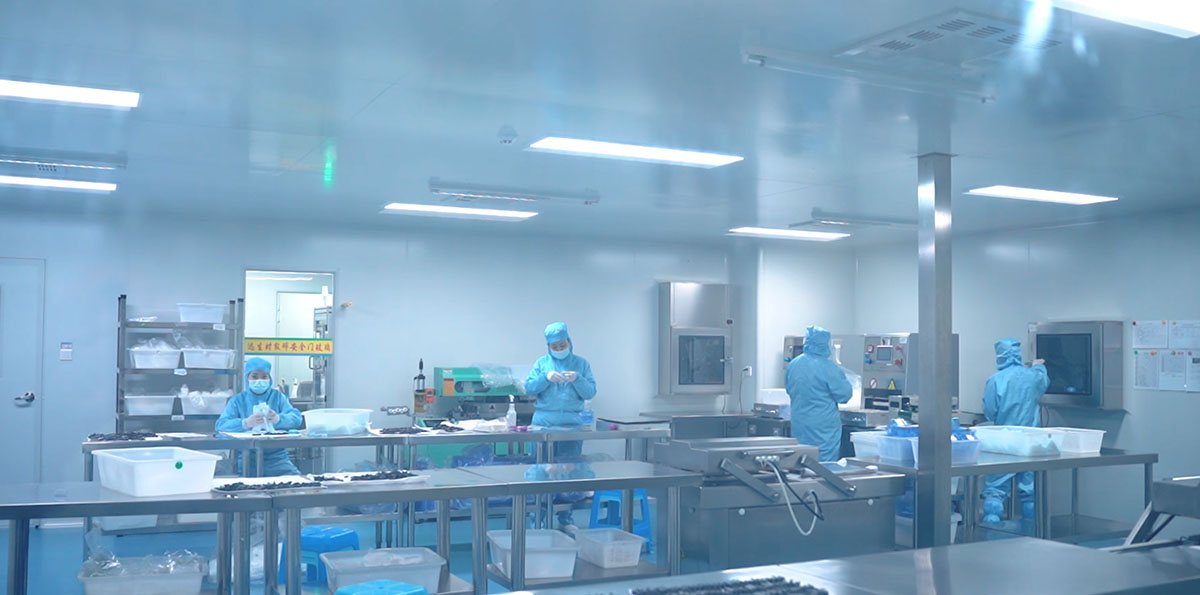
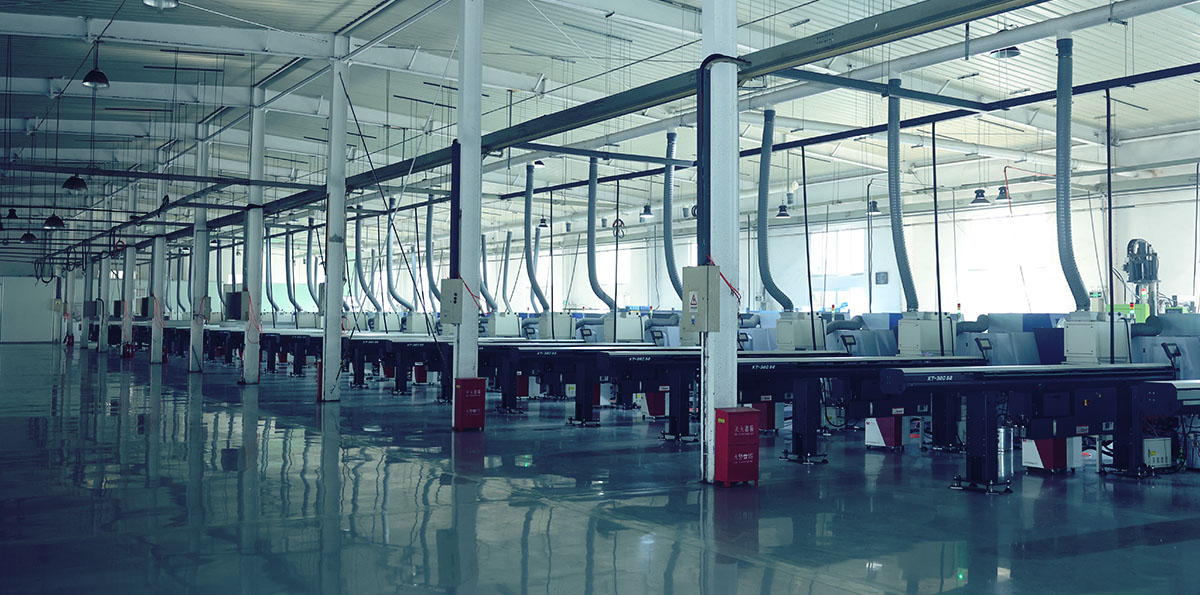
As a premier manufacturer based in China, we bridge the gap between high-end medical technology and cost-effective production. Our facility is not just a factory; it is an R&D hub where surgeons and engineers collaborate.
Hospitals and surgical centers worldwide are increasingly looking for suppliers who can provide complete surgical instrument sets alongside the implants. A titanium mesh cage is only as good as the precision with which it is implanted. That is why we provide full kits for PLIF, TLIF, and OLIF procedures.
Common Application Scenarios:
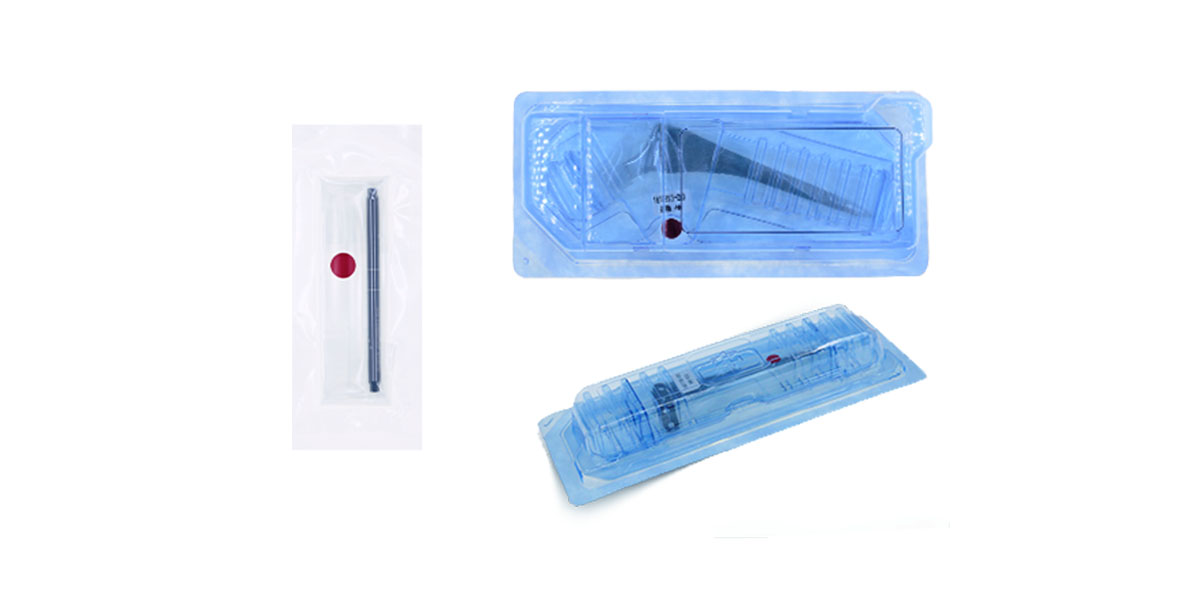
 Axton Orthopedic Implants