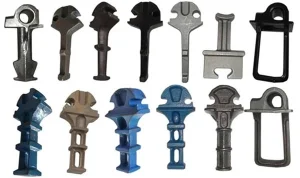
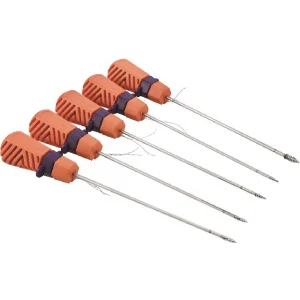
Explore our flagship orthopedic devices engineered with precision titanium alloys, advanced porous coatings, and anatomical geometries to support immediate primary mechanical stability and robust long-term osseointegration.
In the realm of modern arthroplasty, joint reconstruction, and complex spinal fixations, the global medical device sector is undergoing a profound paradigm shift. Traditional polymethyl methacrylate (PMMA) bone cement techniques—while historically reliable—present documented long-term risks, including aseptic loosening, acrylic cement breakdown, exothermic thermal necrosis during polymerization, and severe revision complexities. Consequently, leading orthopedic surgeons and healthcare institutions are rapidly transitioning toward advanced cementless implant systems.
Cementless fixation relies on biological osseointegration: the direct structural and functional connection between living bone tissue and the surface of a load-bearing synthetic implant. By leveraging advanced metallurgy, micro-porous surface engineering, Hydroxyapatite (HA) plasma coatings, and additive manufacturing (3D printing), top-tier Chinese manufacturers have established world-class production capabilities for cementless femoral stems, acetabular cups, interbody fusion cages, and trauma plates.
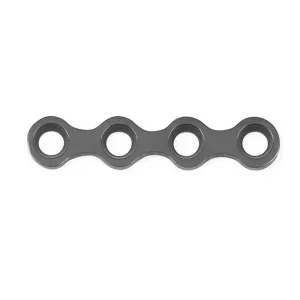
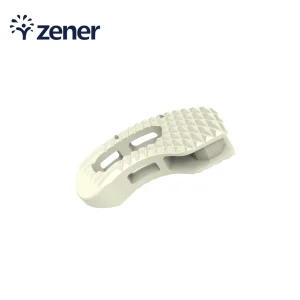
To date, our products have been widely used in dozens of countries across Asia, Latin America, Africa, and Europe, and have gained recognition from local distributors and surgeons. We offer a comprehensive catalog encompassing orthopedic implants, joint implants, spinal fixation hardware, trauma systems, and precision brushless motors tailored for surgical power tools.
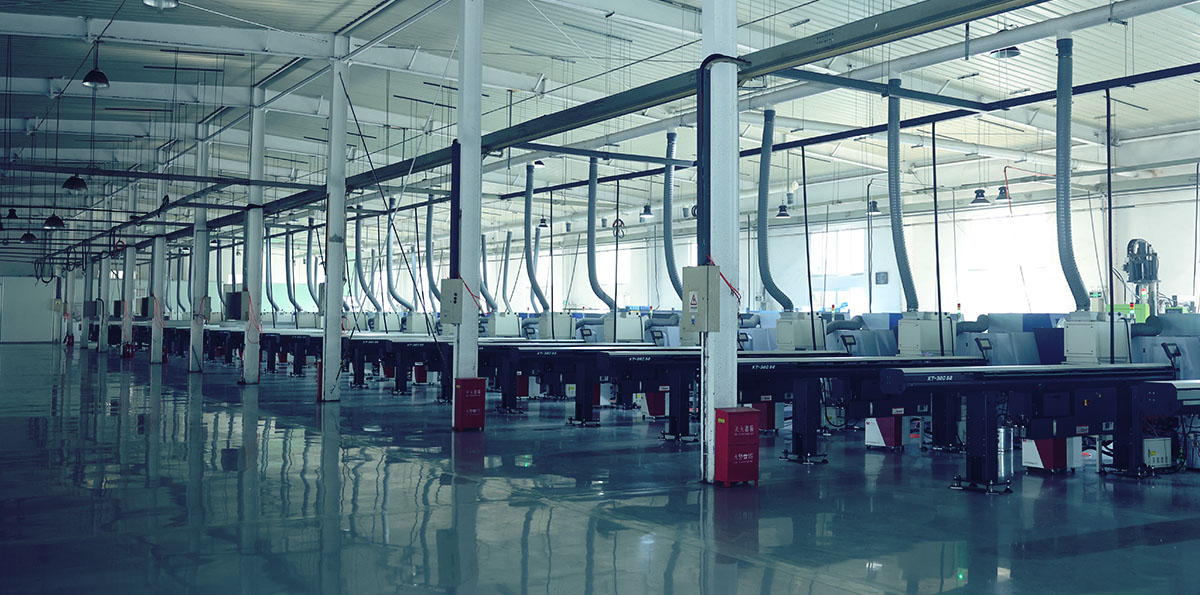
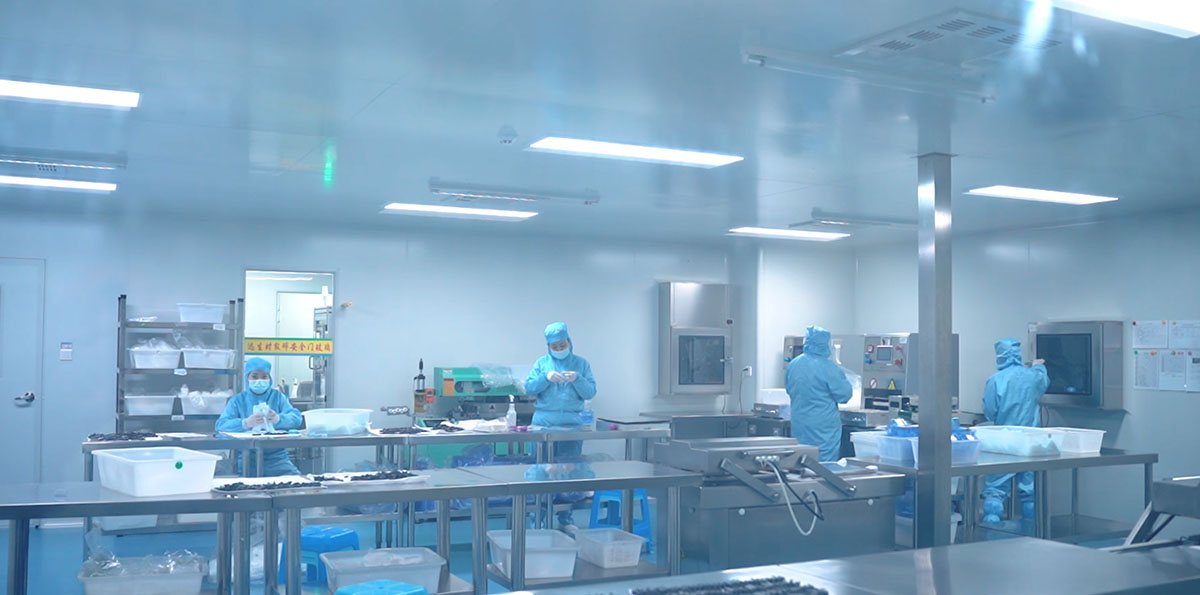
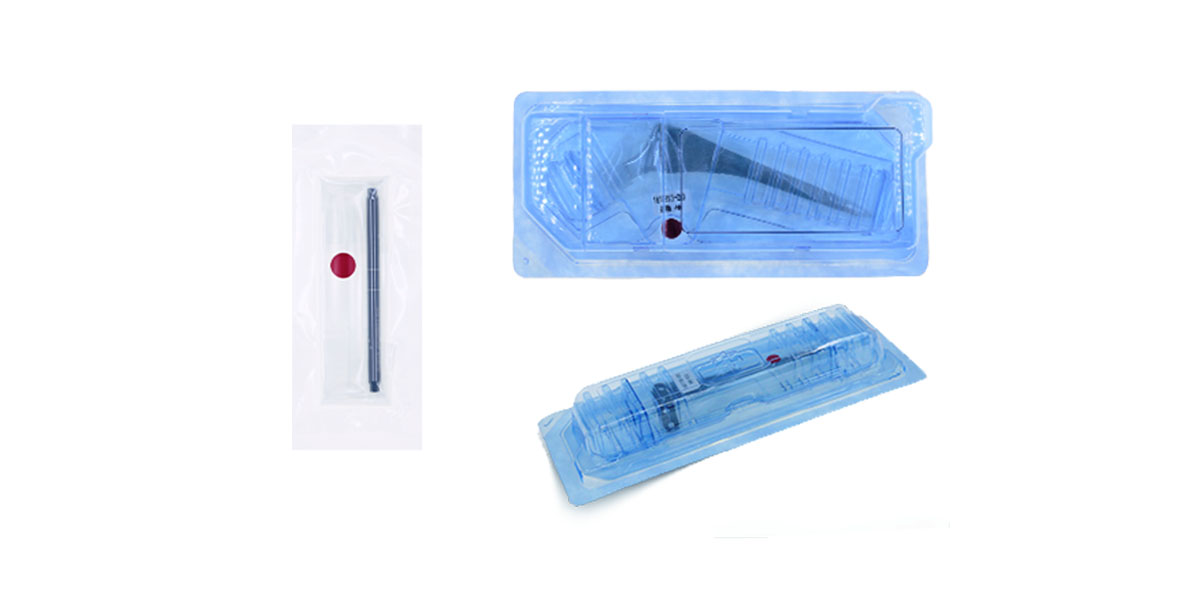
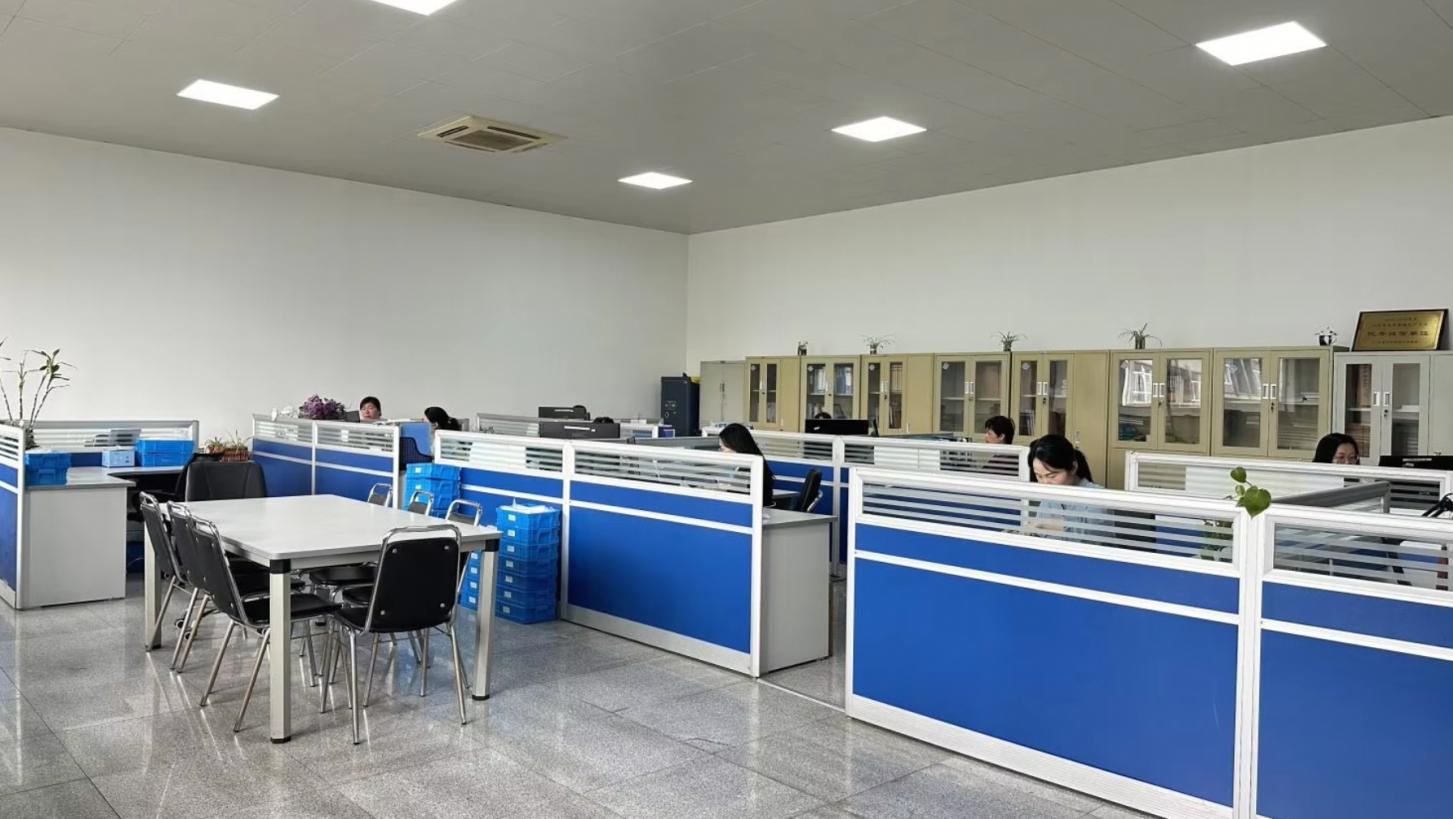
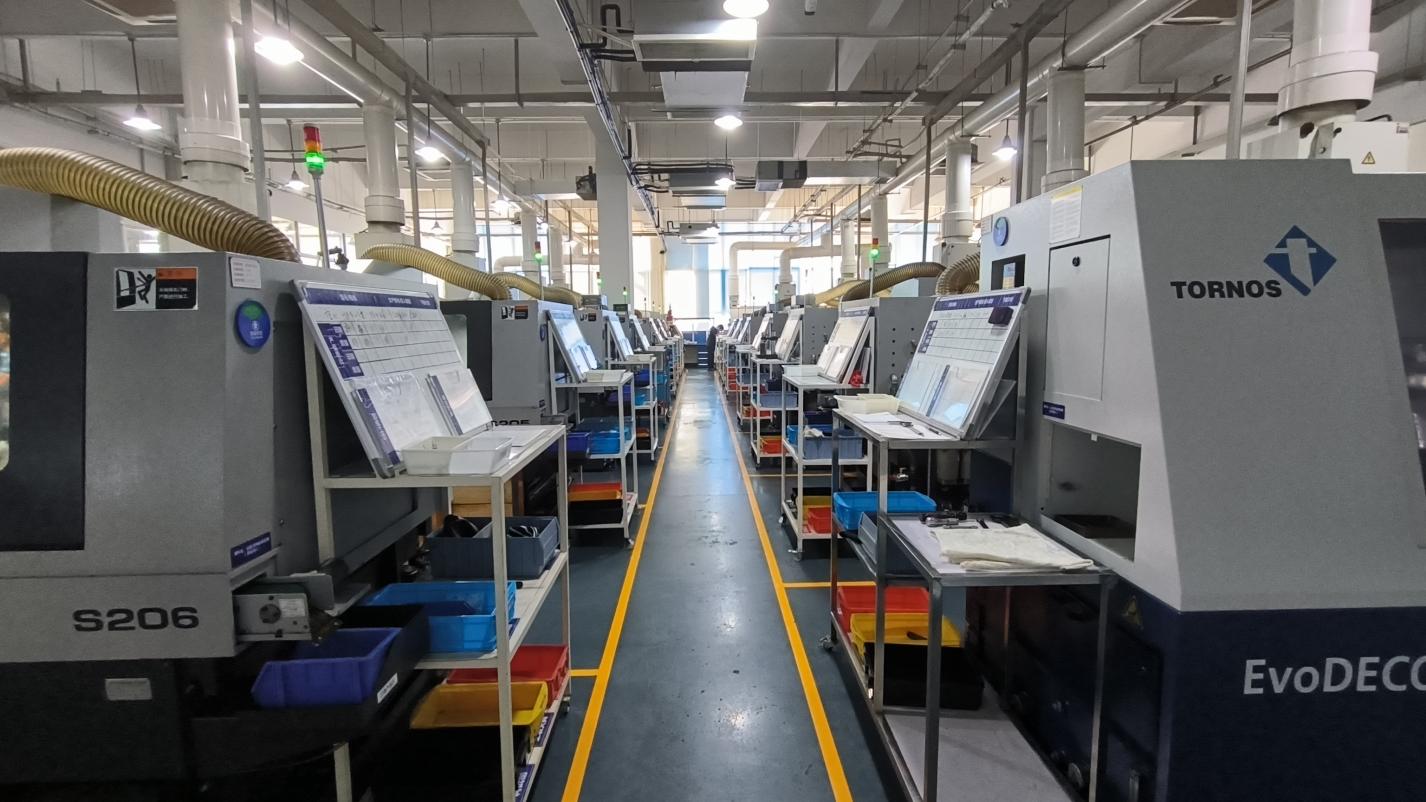
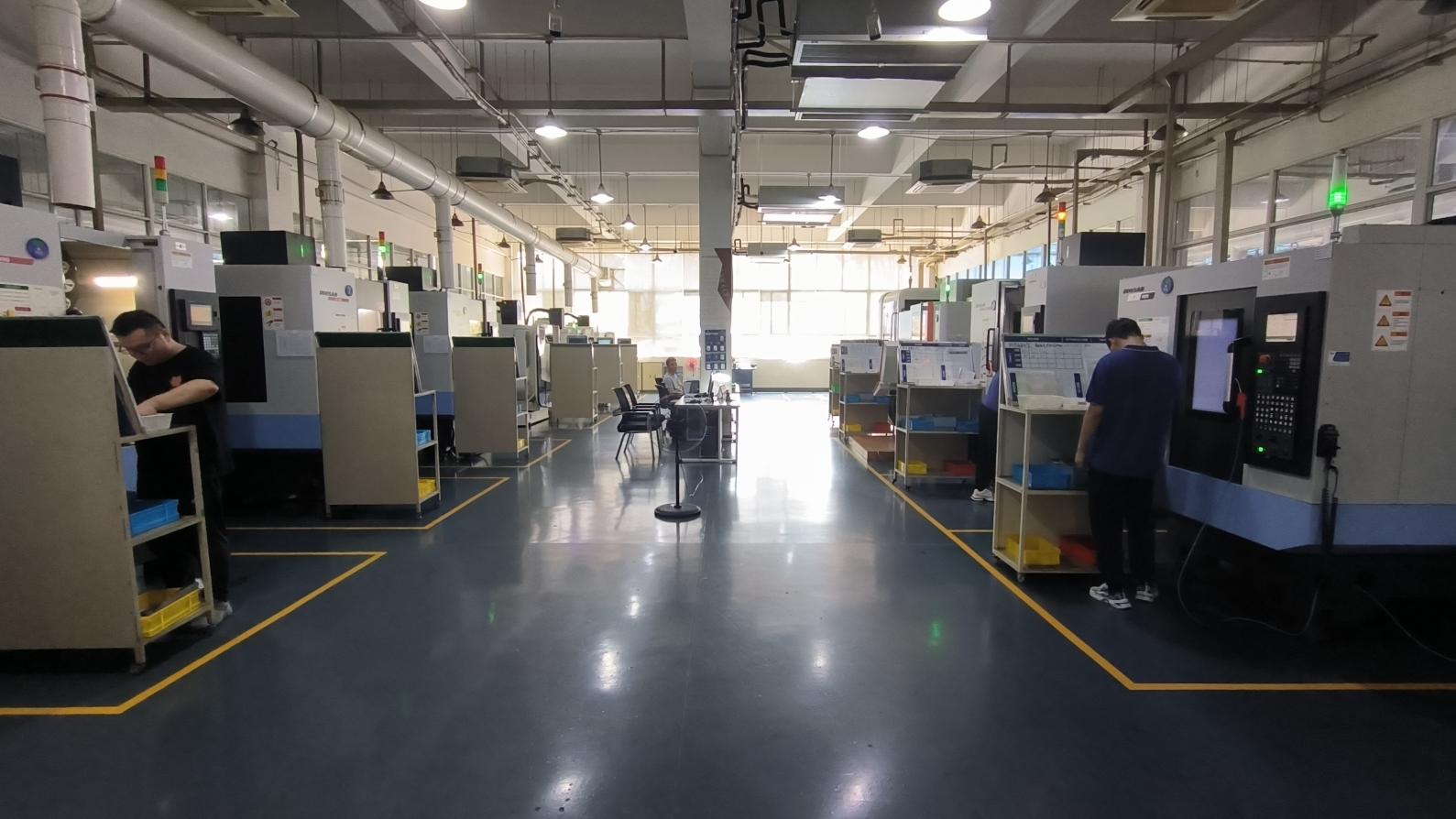
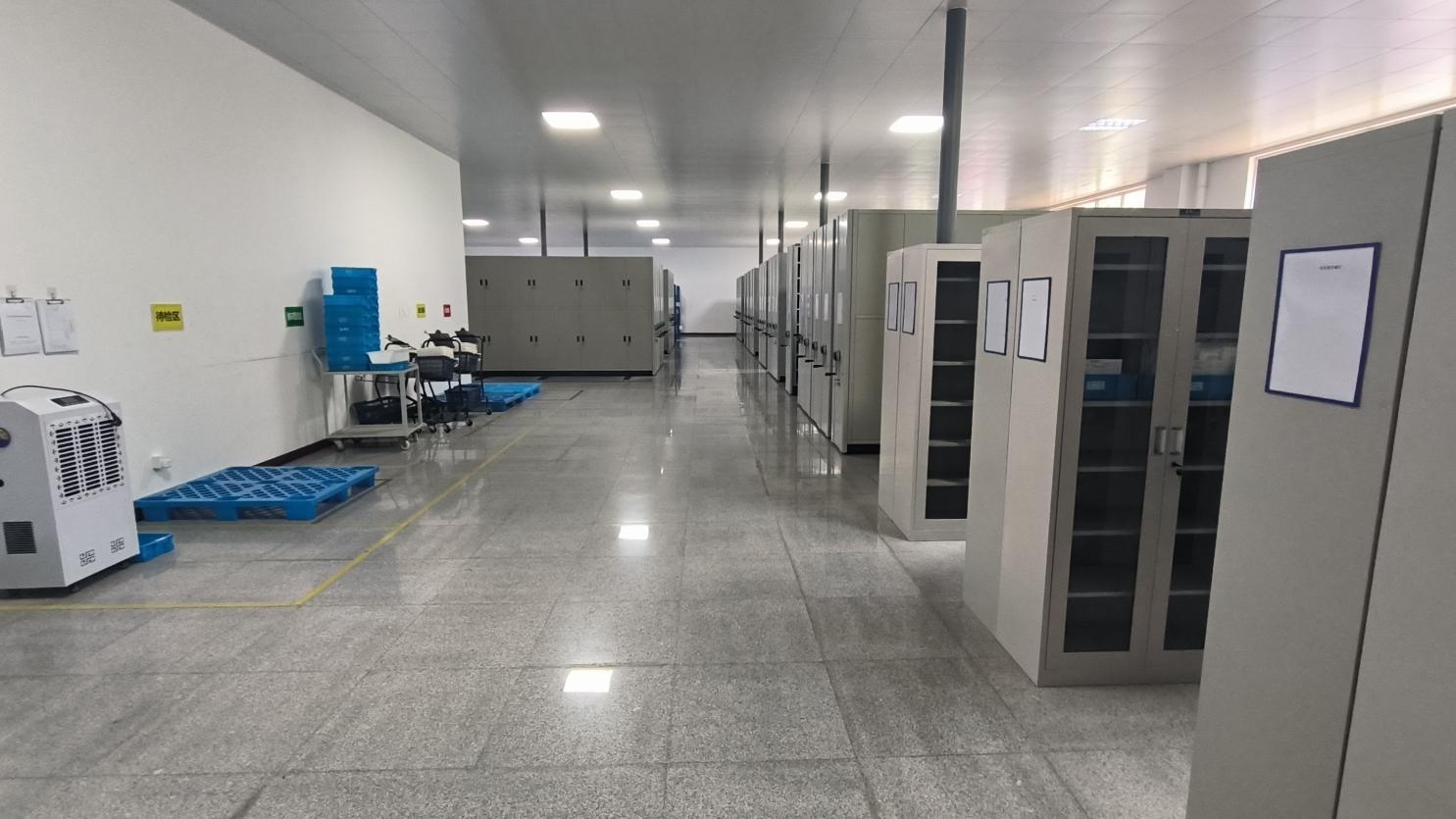
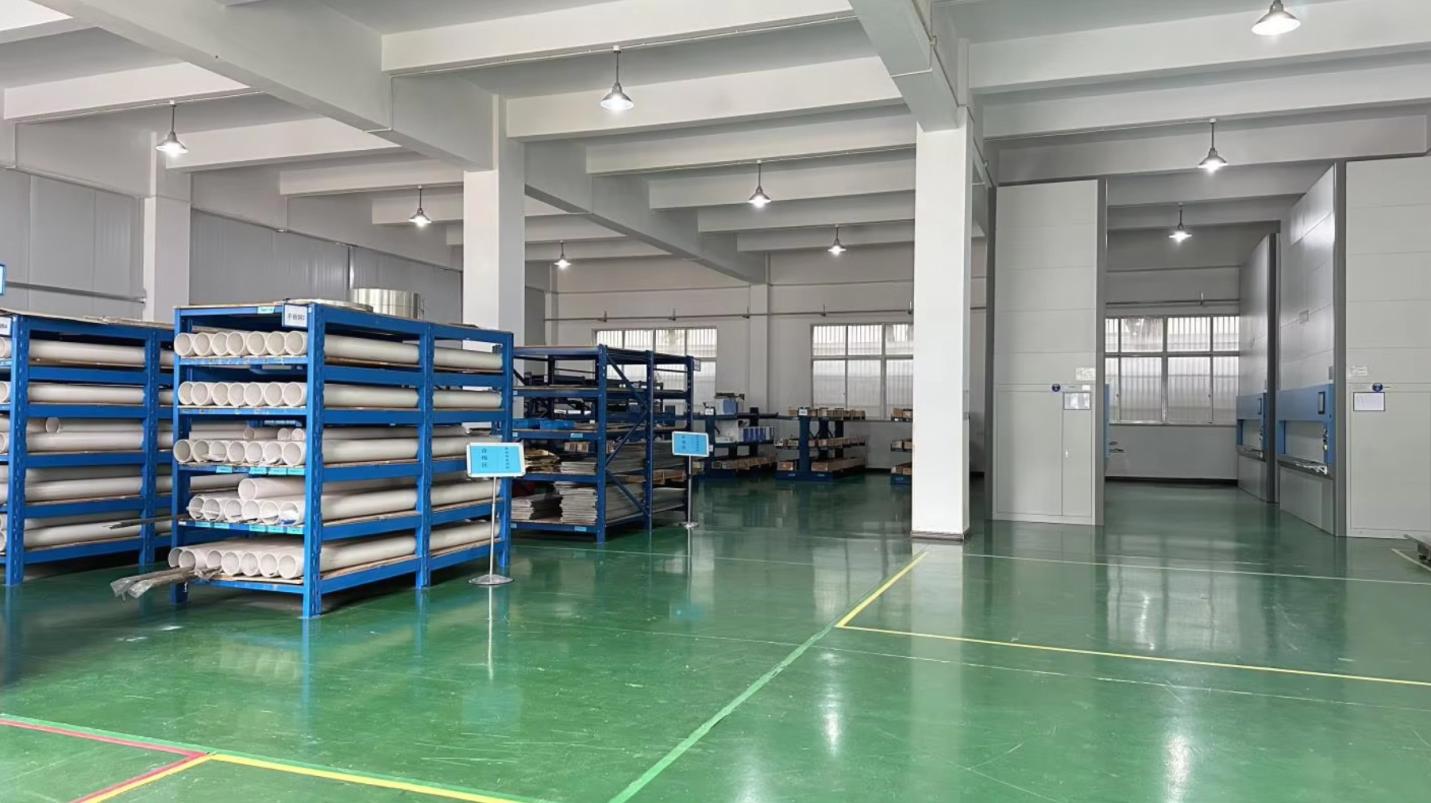
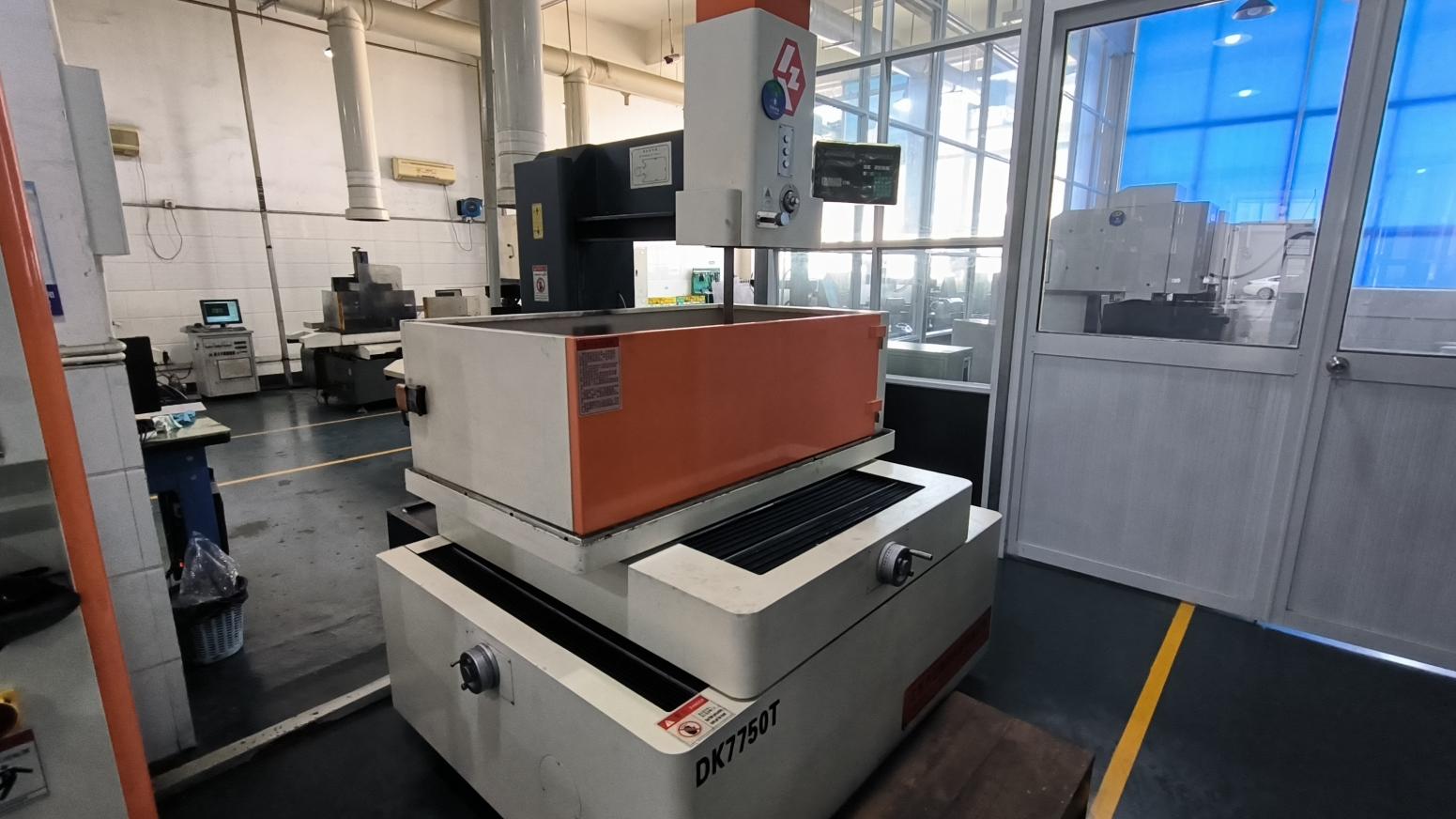
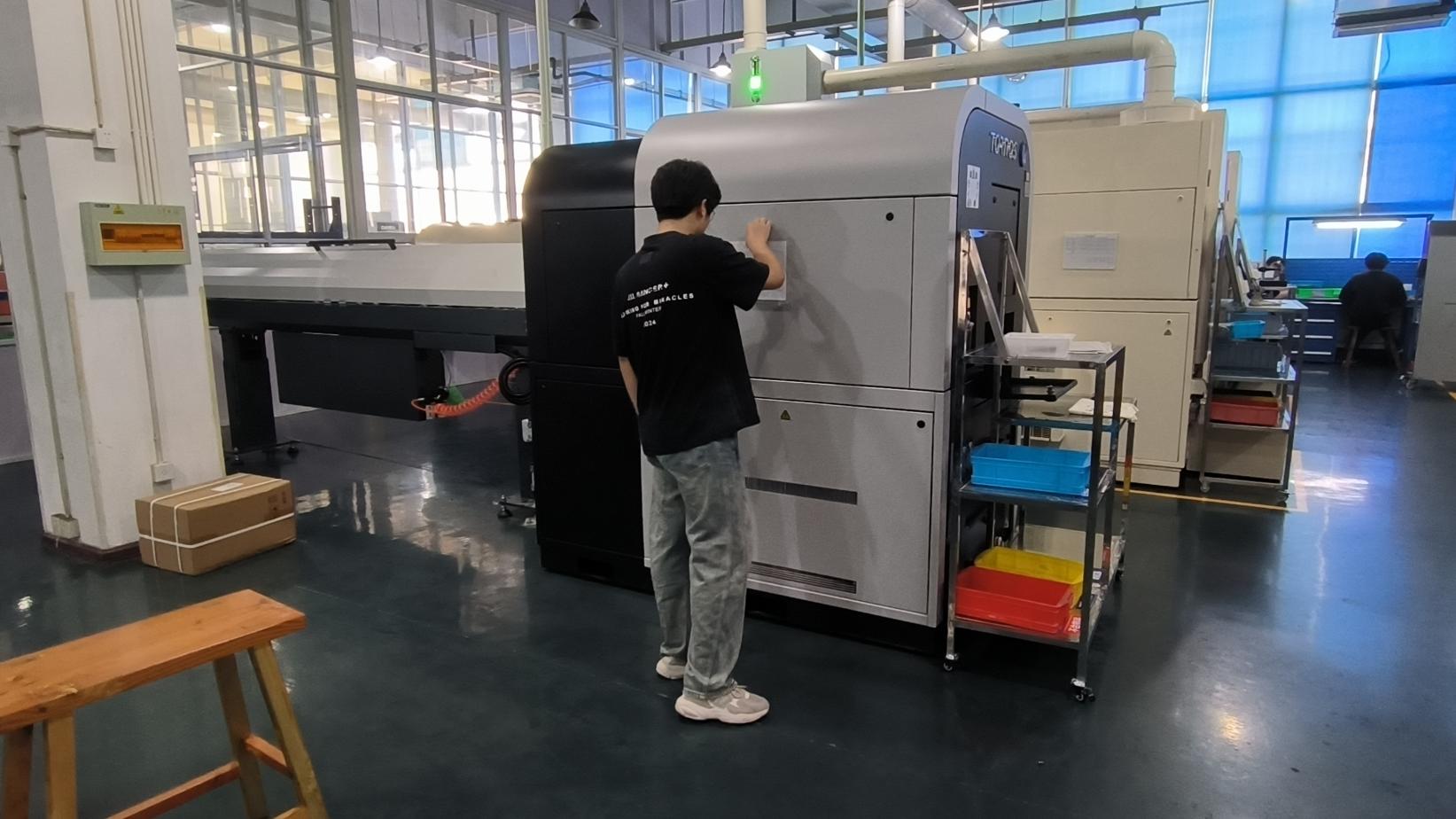
Our state-of-the-art facilities integrate multi-axis CNC Swiss machining, wire cutting, cleanroom packaging, and high-precision testing to maintain strict conformance with ISO 13485 quality standard metrics. Below is an authentic insight into our technical infrastructure and manufacturing operations:
The primary objective of joint replacement and orthopedic stabilization is the restoration of painless anatomical mobility combined with immediate primary stability. Cemented implants rely on mechanical interlock provided by bone cement, which functions as a grout rather than an adhesive. Over time, physical stress and cyclic loading trigger fatigue fractures within the cement matrix, giving rise to particulate debris, osteolysis, and implant migration.
In contrast, modern cementless implant designs feature sophisticated geometric tapers, press-fit interference fits, and biomimetic surface topographies. By encouraging early trabecular bone ingrowth (on-growth and in-growth), the implant merges directly with the skeletal system.
| Evaluation Parameter | Cemented Implant Systems | Cementless Implant Systems (China Supply Excellence) |
|---|---|---|
| Primary Fixation Mode | PMMA Bone Cement Interlock | Precision Press-Fit Taper & Mechanical Interference |
| Secondary Fixation Mode | None (Static over time) | Biological Osseointegration (Capillary & Bone Ingrowth) |
| Operative Time | Extended (Cement preparation & curing time) | Reduced (Streamlined reaming, broaching & insertion) |
| Thermal Necrosis Risk | High (Exothermic reaction of monomer curing) | Zero Risk |
| Long-Term Revision Complexity | Extreme (Cement removal damages bone stock) | Favorable (Preserves natural bone stock) |
| Optimal Patient Demographic | Elderly patients with severe osteoporosis | Active, young, and moderate-to-high bone density patients |
A major strength of our company lies in its expertise in 3D printing and customization. With advanced technology, our facility is able to create personalized medical devices that perfectly fit each patient's unique skeletal morphology. This customization not only enhances treatment outcomes but also improves patient comfort and overall surgical satisfaction.
Utilizing Electron Beam Melting (EBM) and Direct Metal Laser Sintering (DMLS/SLM) technology, we convert high-resolution patient CT scans into 3D CAD modeling constructs within hours. This enables the direct manufacturing of customized acetabular augment cages, custom total hip stems for developmental dysplasia of the hip (DDH), and patient-specific cranial/maxillofacial trauma reconstruction plates.
Customized geometry eliminates intraoperative bone graft sculpting and reduces surgical time, minimizing infection risks for complex revisions.
3D porous titanium structures lower the overall stiffness of solid titanium alloy, bringing the implant's elastic modulus closer to cancellous bone (1.5–5 GPa), thereby preventing stress shielding.
Instead of applying secondary coatings that risk delamination, 3D printing manufactures porous outer layers monolithic with the solid load-bearing core.
Global medical device procurement officers, hospital purchasing networks, and private-label orthopedic brands are increasingly looking to China as their primary manufacturing hub for cementless implants and associated surgical instrumentation sets. This decision is driven by distinct supply chain advantages:
Exporting medical devices across Asia, Latin America, Africa, and Europe requires compliance with international regulatory frameworks. Partnering with experienced Chinese exporters streamlines regulatory clearance through robust documentation packages and certified quality systems.
Comprehensive Quality Management Systems covering full product lifecycles, design controls, risk management (ISO 14971), and post-market surveillance protocols.
Provision of complete Summary Technical Documentation (STED) including fatigue testing reports (ASTM F2068 / ISO 7206), mechanical shear testing, and biocompatibility evaluations (ISO 10993 series).
Direct technical assistance for regional registrations, including ANVISA (Brazil), COFEPRIS (Mexico), CE MDR (Europe), and localized health authority filings across Southeast Asia and Africa.
Cementless technology spans multiple orthopedic sub-specialties. Our comprehensive range of products accommodates a wide array of surgical procedures:
Femoral stems featuring dual-taper geometries and plasma-sprayed titanium/HA coatings paired with press-fit porous acetabular cups for primary and revision total hip procedures.
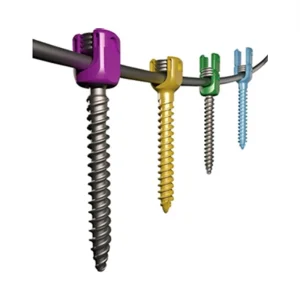
Titanium coated PEEK banana interbody fusion cages, pedicle screw fixations, expandable cages, and laminoplasty instruments providing immediate segmental stability and anterior column support.
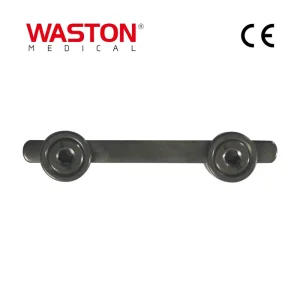
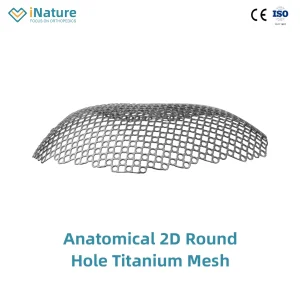
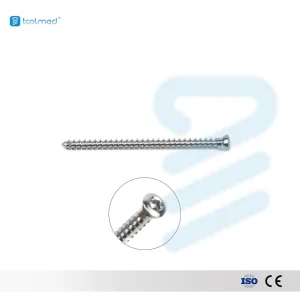
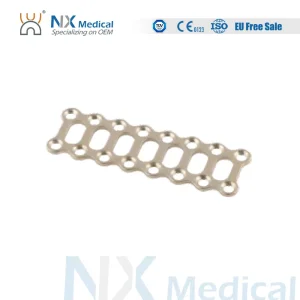
Anatomical titanium bone locking plates, cancellous cannulated screws, and mini CMF cranial plates engineered for precise fragment reduction and stable osteosynthesis in complex fracture management.
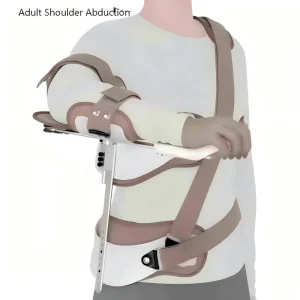
Non-absorbable titanium suture anchors for shoulder abduction sling stabilization, tendon-to-bone reattachment, and small joint soft tissue repair.
Cementless implants rely on primary mechanical press-fit stability and secondary biological fixation (osseointegration). Their surfaces are modified using thermal plasma spraying, porous 3D titanium structures, or Hydroxyapatite (HA) coatings to facilitate direct bone ingrowth, eliminating the PMMA bone cement interface and reducing long-term aseptic loosening risks.
3D printing (additive manufacturing via SLM/EBM) enables the direct fabrication of complex, interconnected pore structures (trabecular metal) directly integrated into the implant core. It allows exact customization based on patient CT scans for severe bone loss, tumor revisions, or unique anatomical deformities that standard off-the-shelf implants cannot address.
China offers robust medical device infrastructure, access to certified medical-grade titanium (Ti-6Al-4V ELI), advanced 5-axis CNC machining, and stringent ISO 13485 cleanroom capabilities. This results in products that meet rigorous international performance standards at competitive cost points, supported by agile production scaling.
Our operations adhere to ISO 13485:2016 quality systems. Implants undergo thorough mechanical fatigue testing, static shear testing, coating adhesion verification (ASTM F1147 / ASTM F1044), surface pore size distribution analysis, and biological safety assessments per ISO 10993.
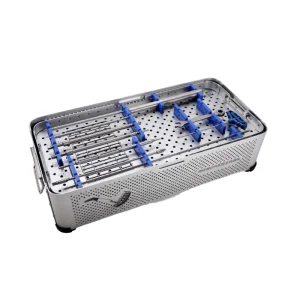
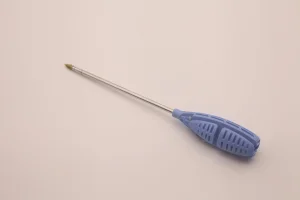
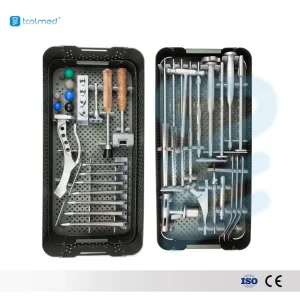
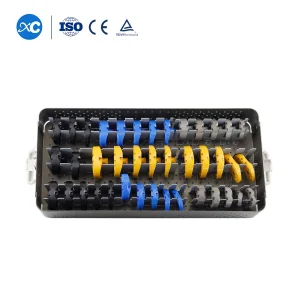
Yes, we provide fully integrated surgical solutions, including patient-specific implants alongside matched trial broaches, reamers, inserters, and bone reduction instrument sets tailored to specific surgical protocols.
Standard catalog inventory products ship within 1 to 2 weeks. Custom patient-specific implants—including CT reconstruction model design, surgeon confirmation, 3D printing, post-processing, surface finishing, and sterile packaging—typically require 2 to 4 weeks depending on case complexity.
Discover our extended line of specialty joint replacement kits, trauma locking plates, cannulated screws, and soft tissue anchor solutions engineered for surgical precision.
 Axton Orthopedic Implants