The global bone grafts and substitutes market is experiencing a profound technological transformation, driven by an aging global population, the escalating prevalence of degenerative bone diseases, and the rising demand for minimally invasive orthopedic procedures. As surgical paradigms transition from traditional autografts—frequently associated with donor-site morbidity—towards bio-engineered, synthetic, and xenogenic alternatives, the regulatory bar for safety, osteoconductivity, and osteoinductivity has reached unprecedented levels.
In high-barrier healthcare systems such as the European Union, CE Certification under the Medical Device Regulation (MDR 2017/745) serves as the primary benchmark for safety and clinical efficacy. Bone graft materials, classified under high-risk regulatory tiers, demand robust clinical evaluation, comprehensive bio-compatibility profiling (ISO 10993), and impeccable lot-to-lot traceability. As a premier exporter, our compliance infrastructure meets these stringent specifications, enabling surgeons and health systems in Europe, Asia, Latin America, and Africa to implement advanced orthobiologics with absolute clinical confidence.
Features an optimized interconnected microporous and macroporous structure mimicking human cancellous bone to facilitate rapid cellular migration and vascularization.
Enriched with biomimetic properties that recruit and trigger native undifferentiated mesenchymal stem cells to differentiate into active osteoblasts.
Precisely engineered resorption rates that align with endogenous bone remodeling timelines, leaving behind fully mineralized native bone.
Selecting the appropriate bone graft substitute requires a comprehensive understanding of the materials' biochemical compositions, physical architectures, and mechanical behaviors. The table below represents a comparative evaluation of the leading orthobiologic modalities currently supplied and exported under our CE validation program.
| Graft Category | Primary Composition | Resorption Timeline | Compressive Strength | Primary Indication |
|---|---|---|---|---|
| Synthetic HA/β-TCP | 60% Hydroxyapatite / 40% Beta-Tricalcium Phosphate | 12 - 24 Months (Biphasic) | > 5.0 MPa | Metaphyseal defects, Spinal cage filling |
| Bioactive Glass | Silica, Calcium, Sodium & Phosphorus oxides | 6 - 12 Months | Moderate (Non-load bearing) | Dental socket preservation, Tibial plateau voids |
| Xenograft (Bovine) | Natural Anorganic Bone Matrix (HA structure) | Very Slow (Provides long-term volume) | ~ 35 MPa (Cancellous structure) | Maxillofacial grafting, Ridge augmentation |
| Demineralized Bone Matrix | Allogeneic Organic Collagen + Growth Factors | 3 - 6 Months | Low (Typically used as gel/putty) | Posterolateral spine fusion, Bone cyst treatment |
To date, our products have been widely used in dozens of countries across Asia, Latin America, Africa, and Europe, and have gained recognition from local distributors and surgeons. A major strength of the company lies in its expertise in 3D printing and customization. With advanced technology, the company is able to create personalized medical devices that perfectly fit each patient. This customization not only enhances treatment outcomes but also improves patient comfort and overall satisfaction. We offer orthopedic implants, joint implants, brushless motors, and other products.
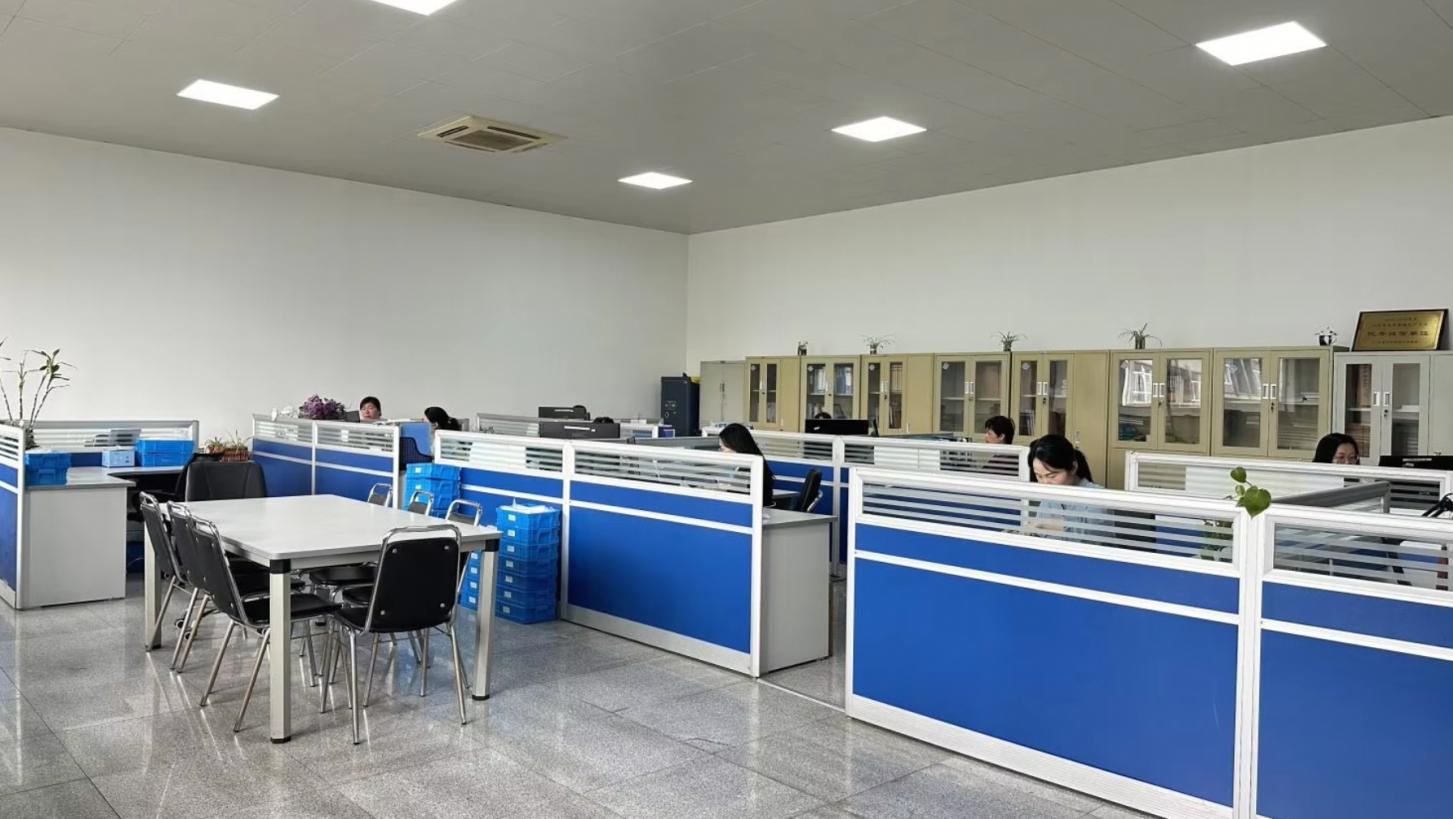
 R&D & Engineering Division
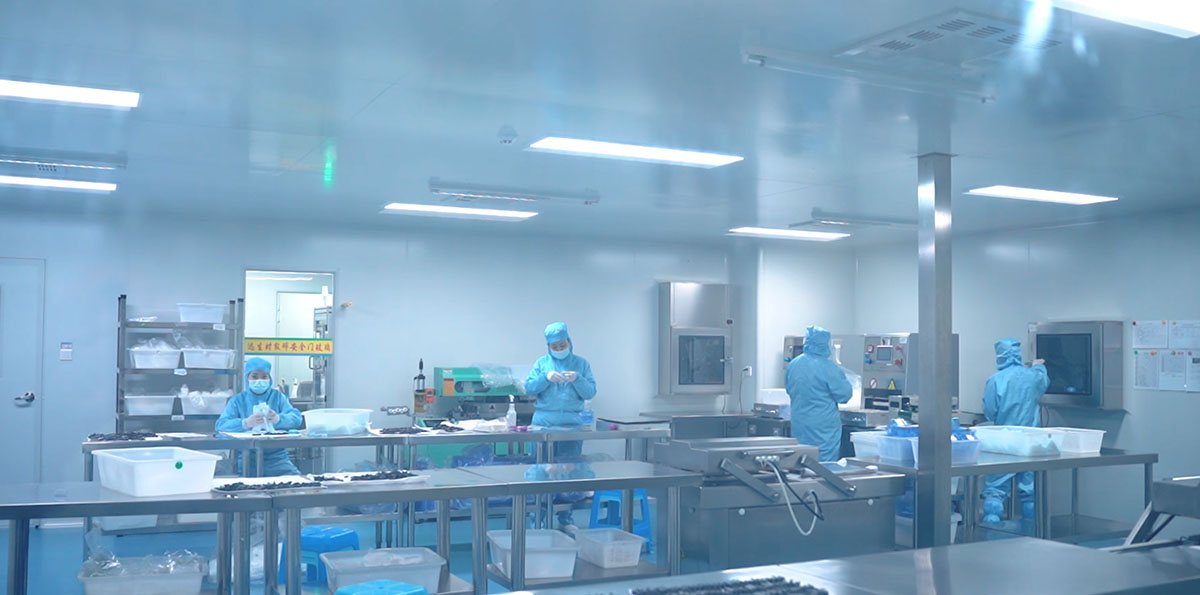 Class 10,000 ISO Cleanroom
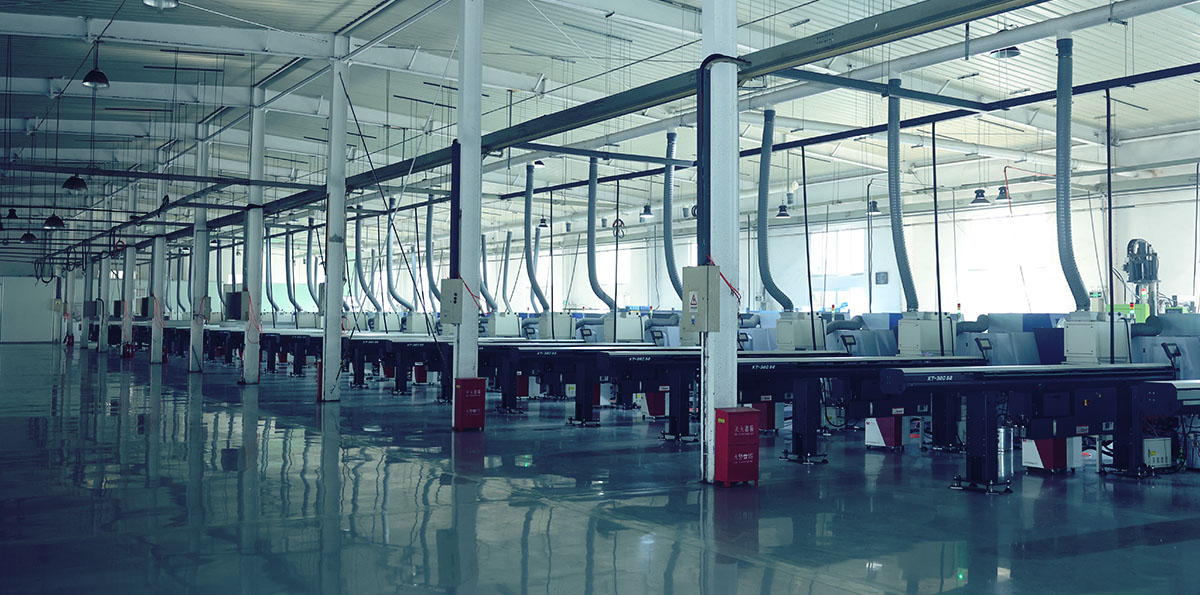
 CNC Machining & Milling Center
 Surface Treatment & Plasma Processing
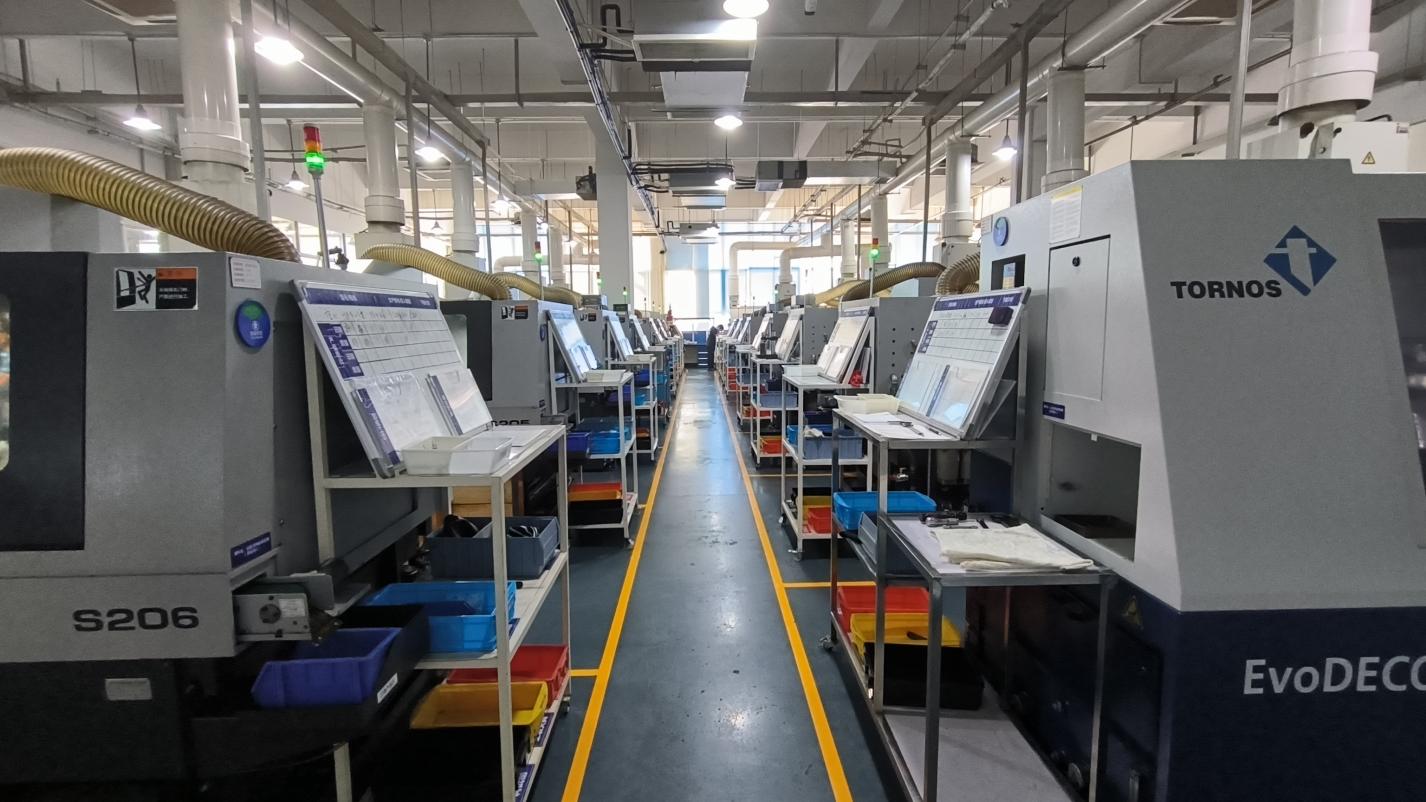 Microscopic Inspection & Metrology
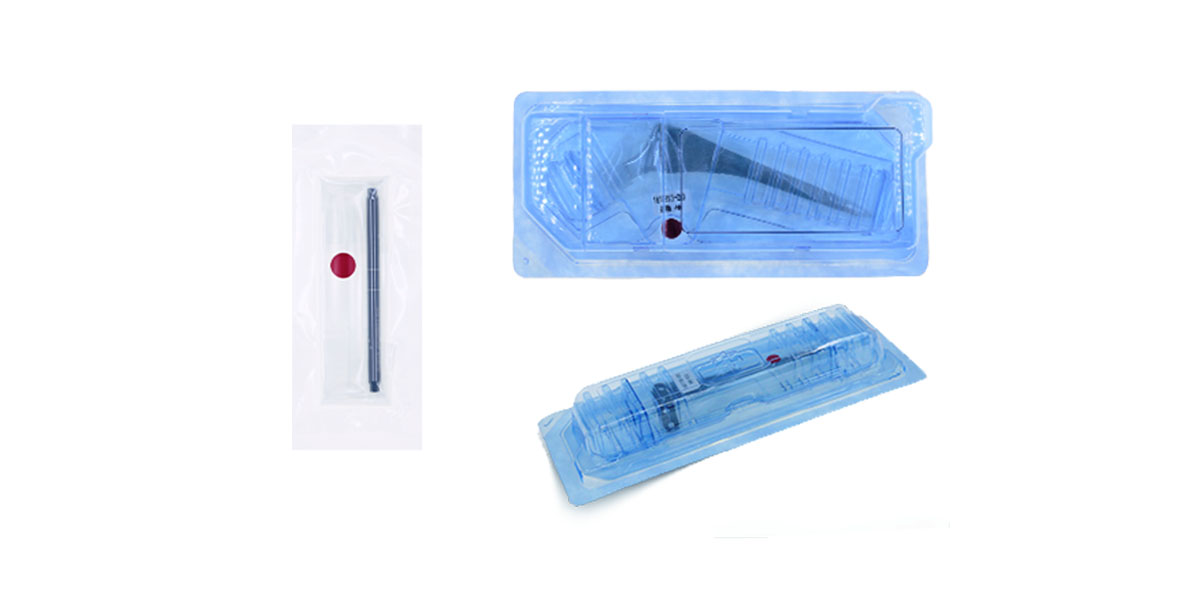
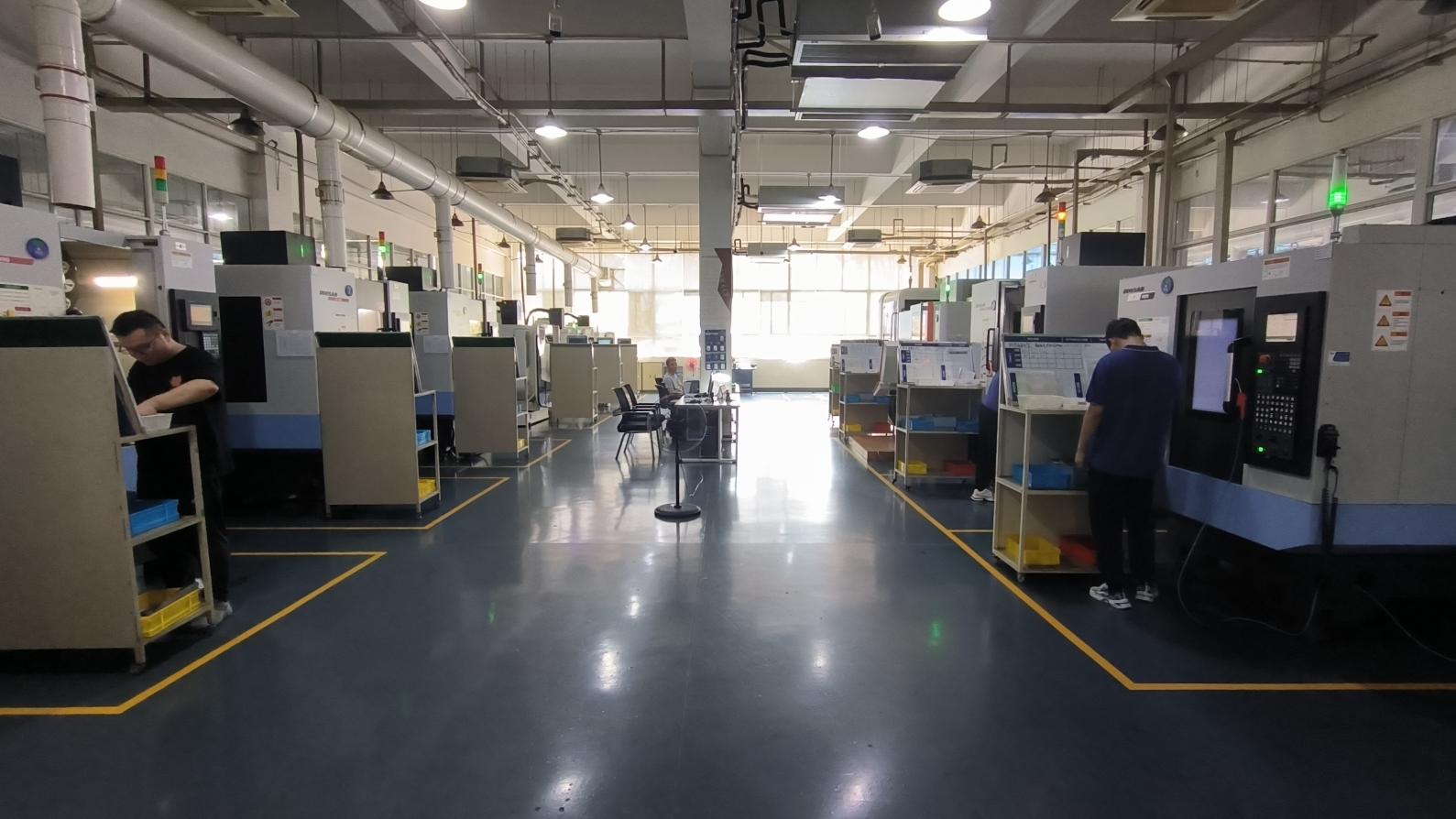 Double Barrier Sterile Packaging
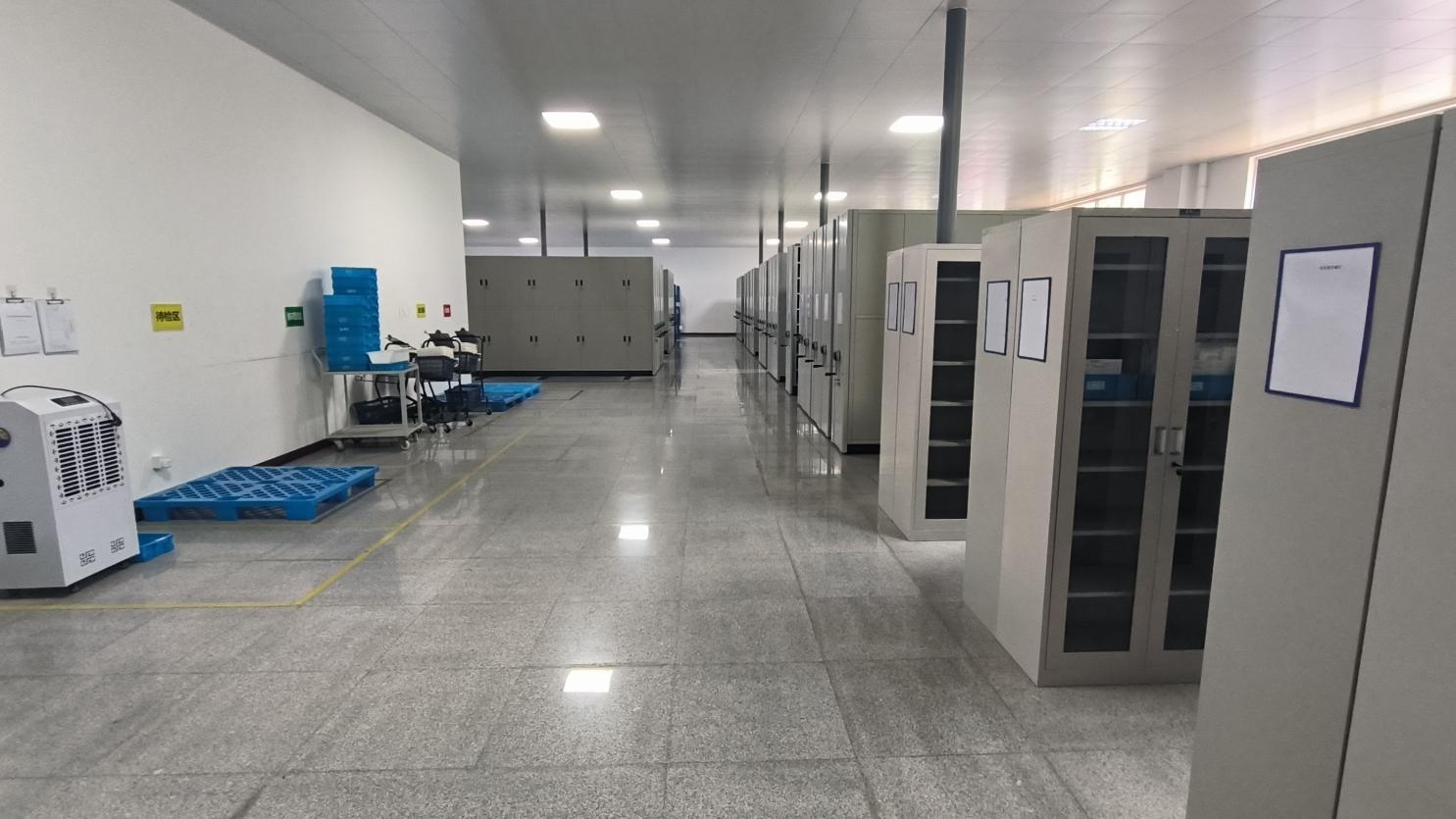 Sterilization and Verification Chamber
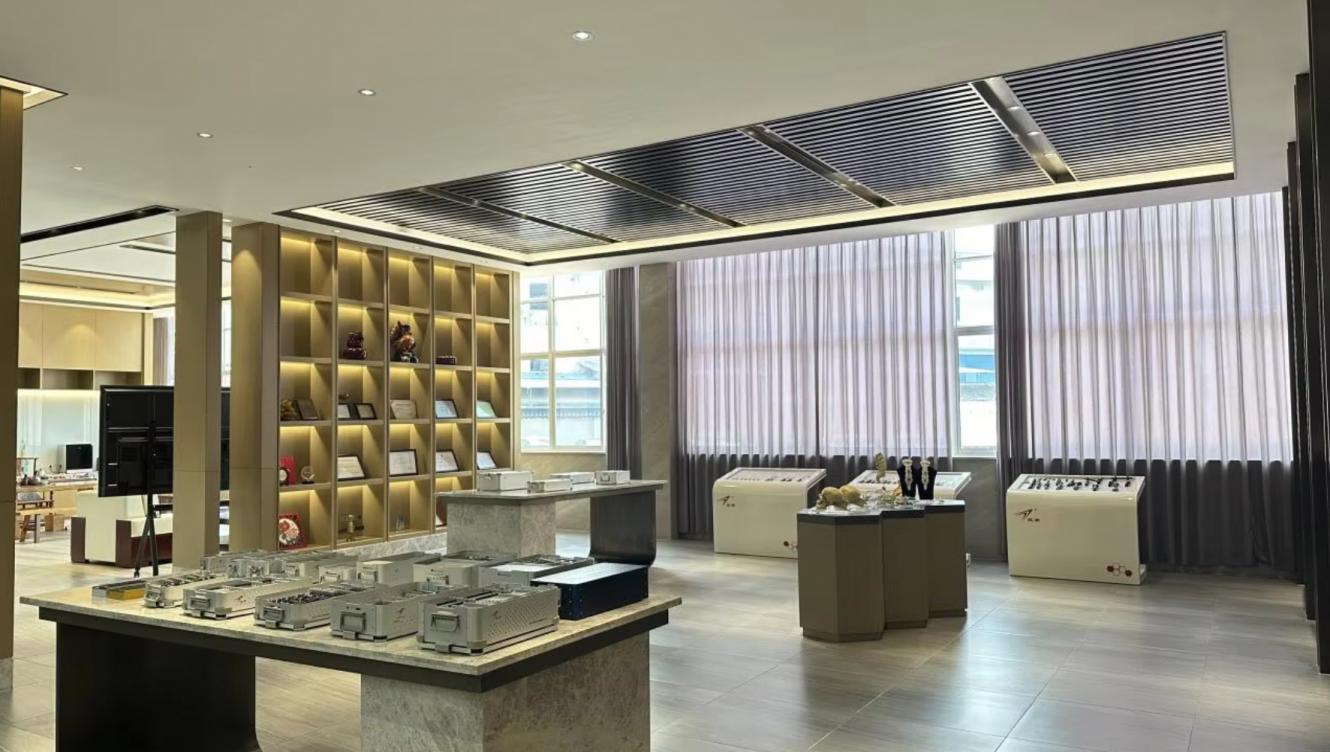 Validation and Final Inspection
Our commitment to E-E-A-T principles is deeply rooted in our manufacturing operations. We enforce 100% incoming raw material checks using spectroscopy and mechanical stress validation. Using high-precision EDM wire cutting technologies, we ensure that complex anatomical parameters are manufactured to tolerances under ±5 microns.
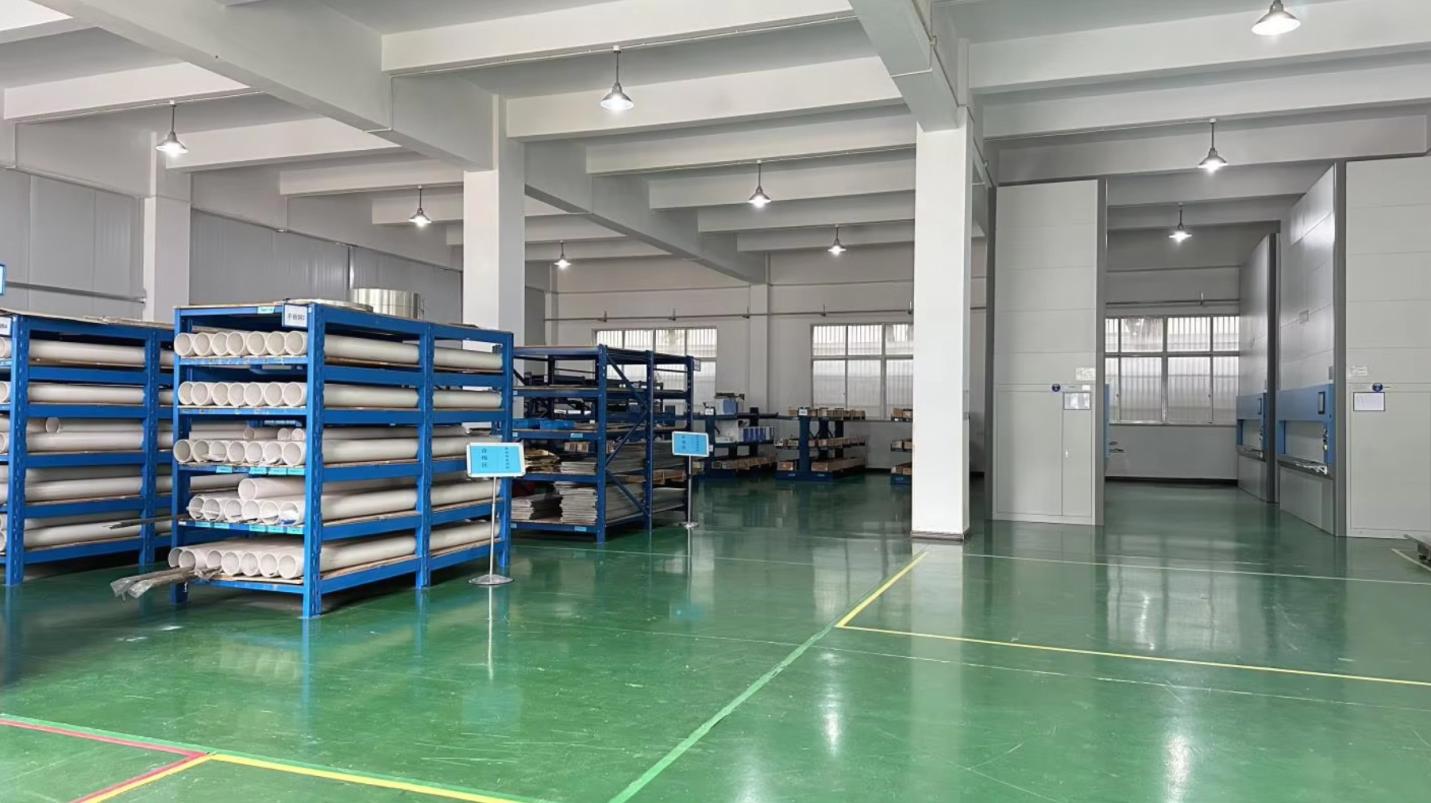 Raw Materials Sourcing and Testing
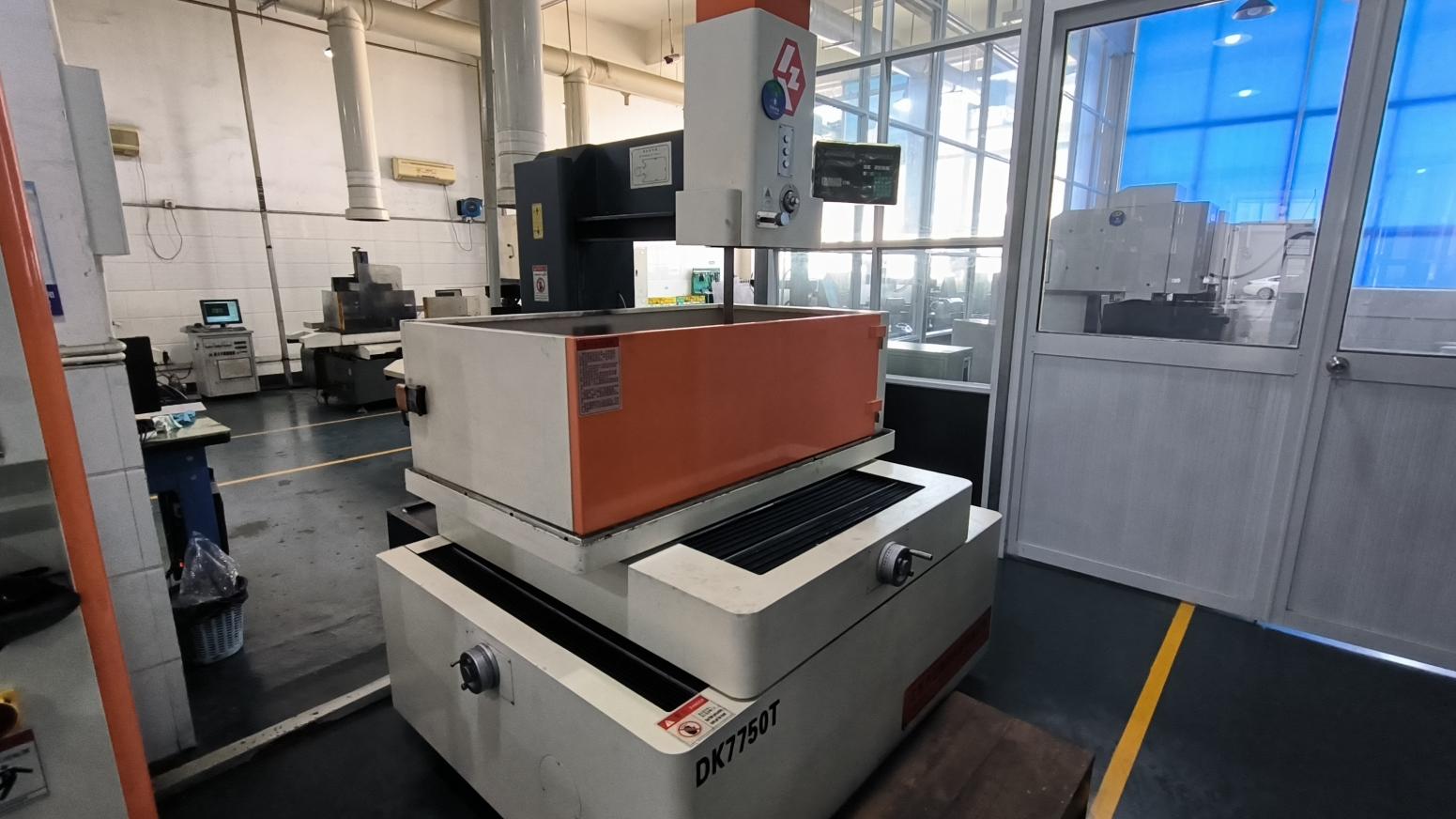 High Precision Wire Cutting (EDM)
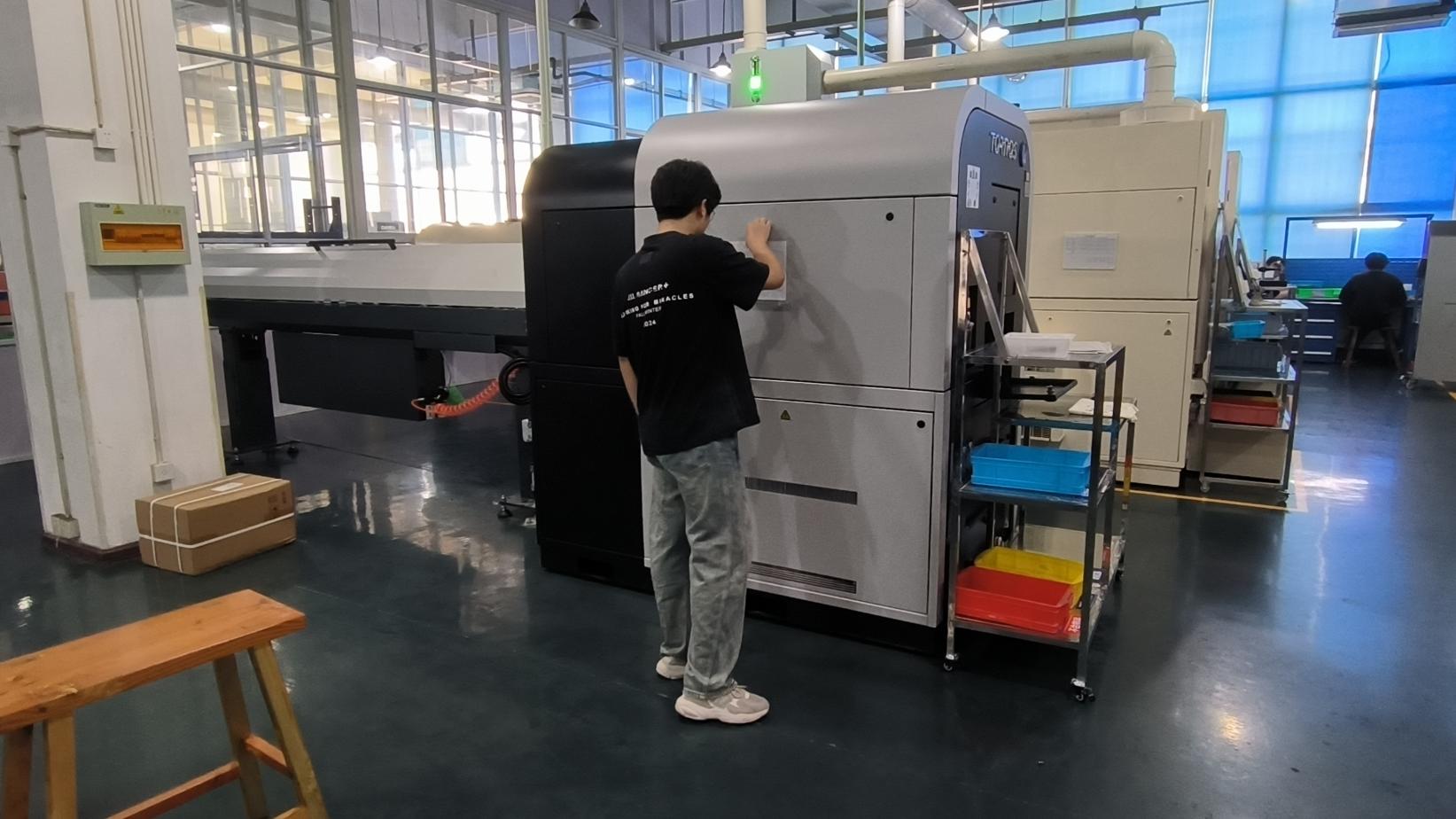 Advanced Mechanical Verification
As a forward-looking orthopedic developer, our research and development pipelines focus on merging biology and mechanical engineering. We are moving beyond static scaffolds toward responsive biomimetic materials. Our technological roadmap defines three primary areas of active translation:
Incorporating synthetic osteoinductive dopants (such as strontium and zinc ions) into the crystalline structure of HA/β-TCP to accelerate localized bone fusion.
Developing customizable micro-engineered bone scaffolds loaded with localized antibiotic or osteoinductive molecules, providing controlled release profiles over critical healing weeks.
Optimizing biomechanical internal systems designed to interface with pediatric skeletons, enabling axial movement while supporting structural bone graft incorporation.
In reconstructive orthopedics, bone grafts do not work in isolation; they are part of a larger structural ecosystem. Real-world surgical workflows require close interaction between biomechanical stabilization implants and biological bone graft substrates. Below are the primary clinical indications where our synergistic hardware and biomaterial solutions excel:
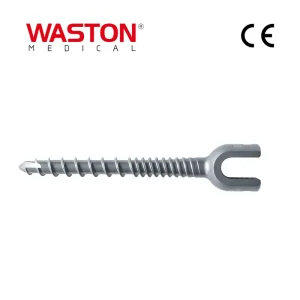
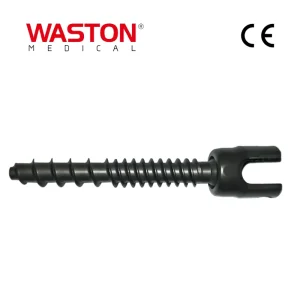
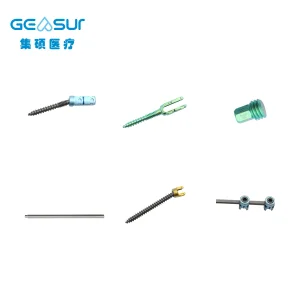
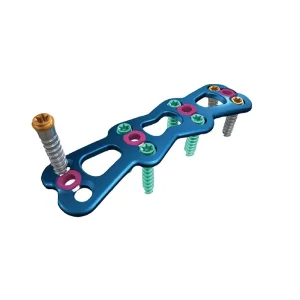
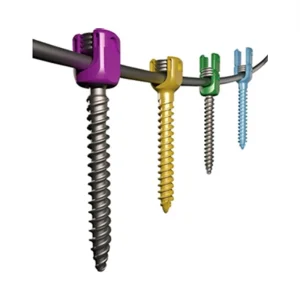
Used in TLIF, PLIF, and ACDF procedures. Biphasic synthetic bone graft granules are packed within PEEK or titanium interbody fusion cages, supported by pedicle screw instrumentation to ensure rigid mechanical stabilization.
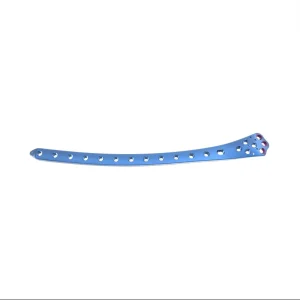
For metaphyseal and diaphyseal fractures where segmental bone loss has occurred. The structural void is filled with osteoconductive bone graft substitutes, then stabilized using locking plates (e.g., LCP Distal Femoral Locking Plates).
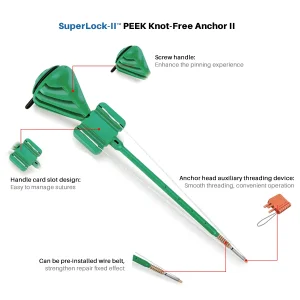
During ACL or PCL reconstruction. The bioabsorbable interference screw secures the tendon graft inside the femoral tunnel, while bone graft pastes promote bone ingrowth into the socket, stabilizing the construct.
Procuring high-barrier medical devices demands an experienced manufacturer who understands supply chain optimization, regulatory registration support, and product supply stability. We provide our global partners with:
Explore detailed technical answers regarding our regulatory compliance, material chemistry, and logistical capabilities.
 Axton Orthopedic Implants