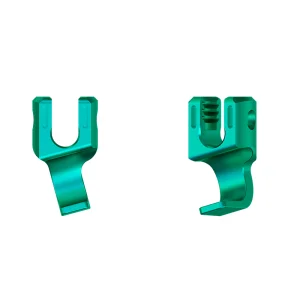
Providing the Australian Capital Territory (ACT) with premium-grade implant systems designed for optimal surgical placement and patient biomechanics.
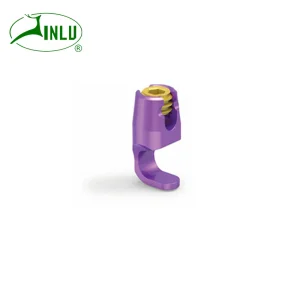
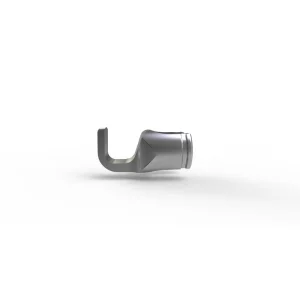
The Australian Capital Territory (ACT), with Canberra at its heart, represents a highly sophisticated healthcare landscape. Major facilities such as the Canberra Hospital, Calvary Public Hospital Bruce, and elite private surgical centers demand premium spinal fixation instrumentation. Spinal hooks and rods serve as critical foundations for stabilization in posterior deformity correction, vertebral fractures, and oncology-related spinal reconstructions.
Medical procurement directors and spinal surgeons in the Canberra region prioritize suppliers that maintain rigorous adherence to Therapeutic Goods Administration (TGA) standards, offer minimal lead times, and present comprehensive size configurations. Our targeted solutions address these specific local needs through advanced manufacturing practices, robust material selection (Grade 5 Titanium Alloy), and customizable spinal implants.
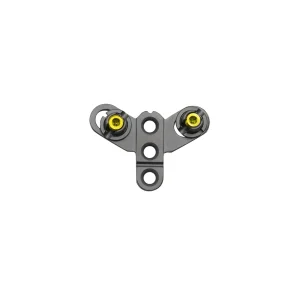
As healthcare in Canberra undergoes modernization, surgeons are increasingly integrating robotic guidance and advanced computer-assisted planning. This paradigm shift requires spinal hooks and rods to align with high spatial accuracy and surgical navigation arrays.
Globally, the spinal implant market is transitioning from standardized, "one-size-fits-all" configurations to patient-specific, biomechanically optimized constructs. Traditional titanium rods and generic laminar hooks are increasingly augmented or replaced by personalized models tailored to unique patient anatomy.
To date, our products have been widely used in dozens of countries across Asia, Latin America, Africa, and Europe, and have gained recognition from local distributors and surgeons. Our global logistics framework ensures that whether a clinic is located in metropolitan Europe or the regional ACT in Australia, the product quality and supply chain resilience remain absolute.
A major strength of the company lies in its expertise in 3D printing and customization. With advanced technology, the company is able to create personalized medical devices that perfectly fit each patient. This customization not only enhances treatment outcomes but also improves patient comfort and overall satisfaction. Through selective laser melting (SLM) and electron beam melting (EBM), we manufacture components that offer structural integrity and osteointegrative textures where necessary.
We offer orthopedic implants, joint implants, brushless motors, and other products. Our diversified portfolio allows us to service comprehensive surgical requirements, integrating high-performance medical-grade motors for surgical drills alongside our structural spinal fixation systems.
For spinal hooks (laminar, pedicle, and transverse process hooks) and rods to function safely under high physiological loads, they must exhibit exceptional fatigue limit, corrosion resistance, and biocompatibility. We utilize medical-grade titanium alloy (Ti-6Al-4V ELI) complying with ASTM F136 and cobalt-chromium alloys (Co-Cr-Mo) under ASTM F1537.
| Implant Type / Material | Yield Strength (MPa) | Tensile Strength (MPa) | Biomechanical Indications | Compliance Standards |
|---|---|---|---|---|
| Ti-6Al-4V ELI (Grade 23) | ≥ 795 | ≥ 860 | Deformity correction, degenerative disc disease, trauma fixation | ASTM F136, ISO 5832-3 |
| Co-Cr-Mo Alloy | ≥ 827 | ≥ 1172 | High-load stabilization, rigid correction of adult spinal deformity | ASTM F1537, ISO 5832-12 |
| Ultra-Resilient Laminar Hooks | Customized | Customized | Laminar anchorage, pediatric scoliosis correction systems | TGA Class III, CE Mark |
Every design undergoes dynamic axial fatigue testing under ASTM F1717 protocols, simulating millions of loading cycles to verify long-term implant viability. Our low-profile laminar hook design reduces the risk of soft tissue irritation, while our friction-fit locking mechanisms prevent rod migration under high rotational forces.
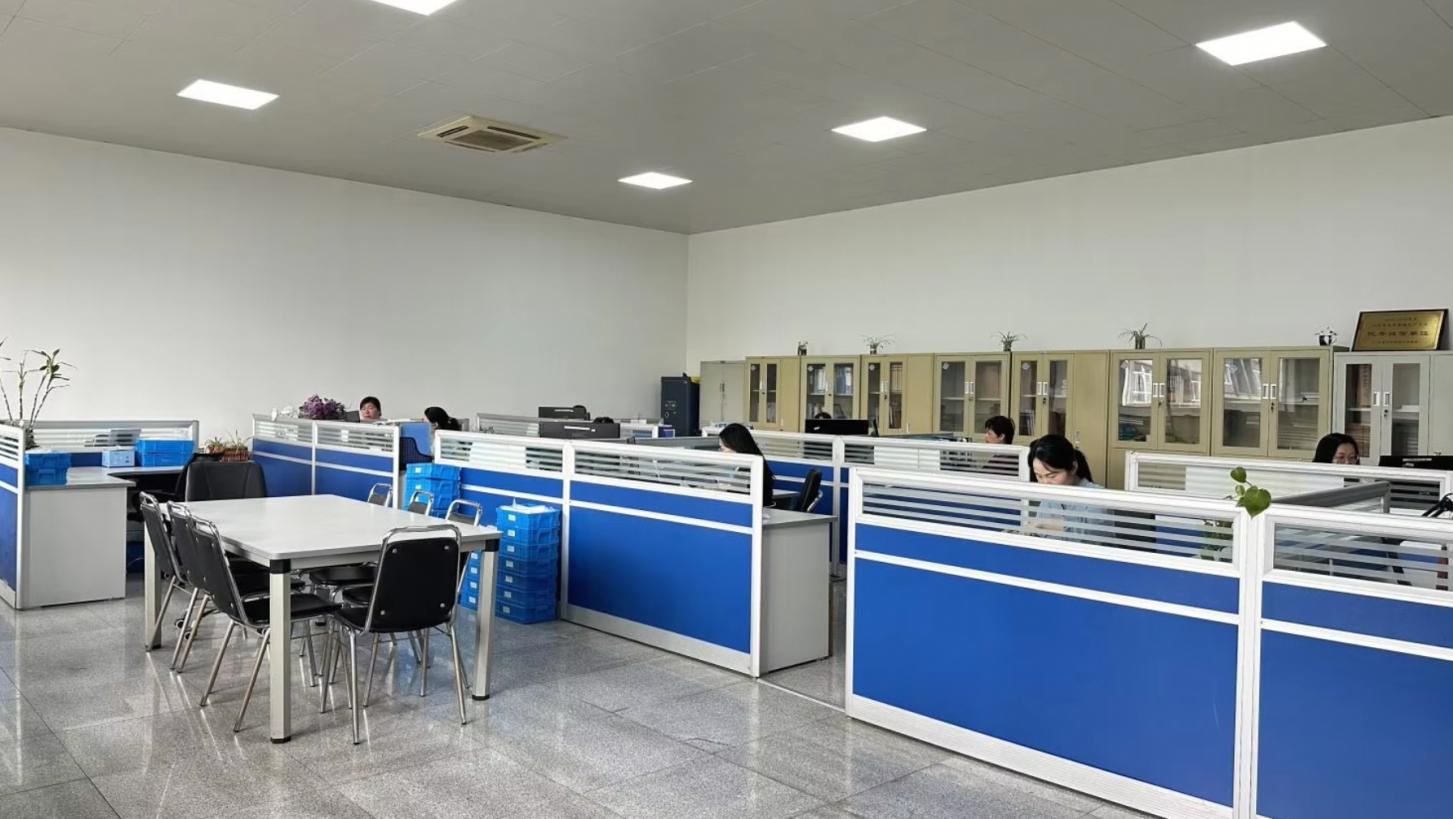
With more than a decade of research, development, and high-precision production, we operate advanced fabrication units designed to meet the exact requirements of international clinical buyers.
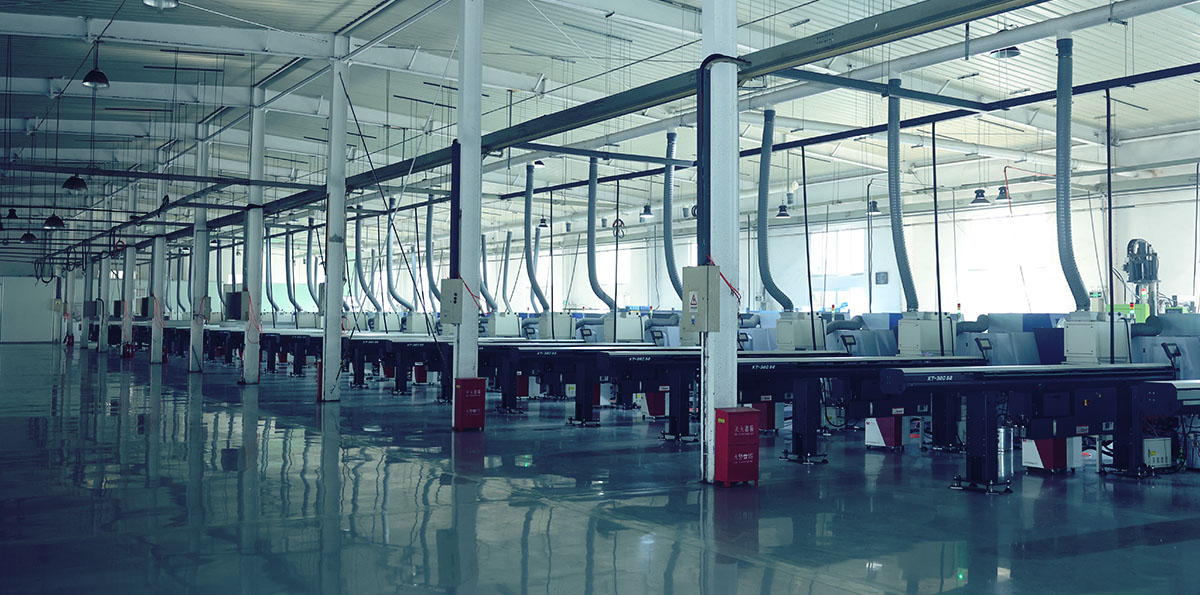
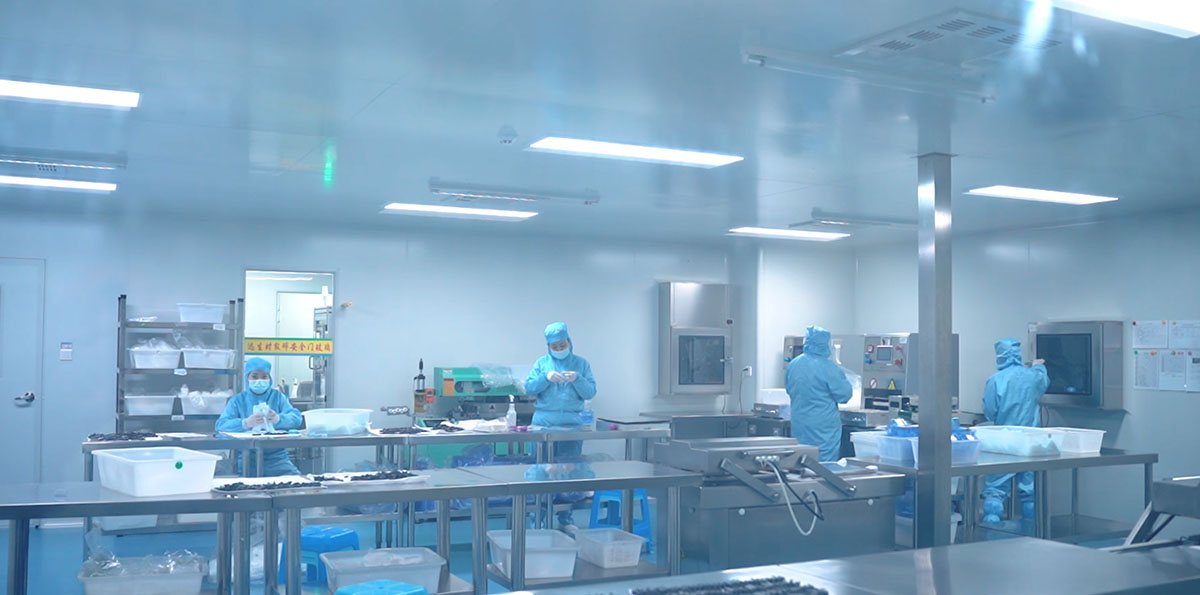
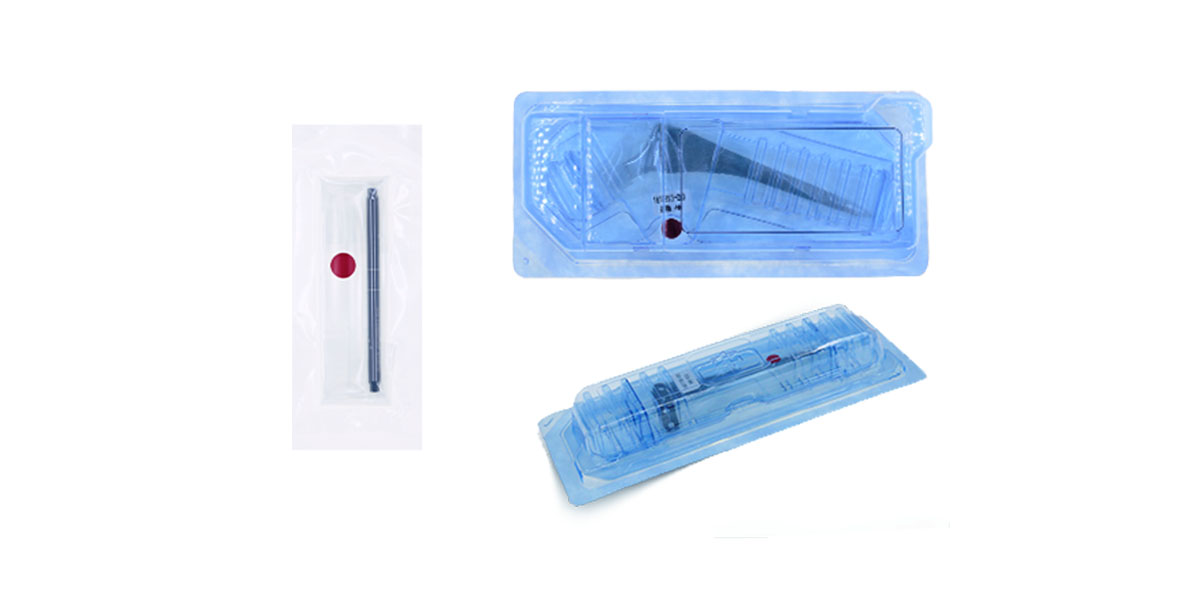
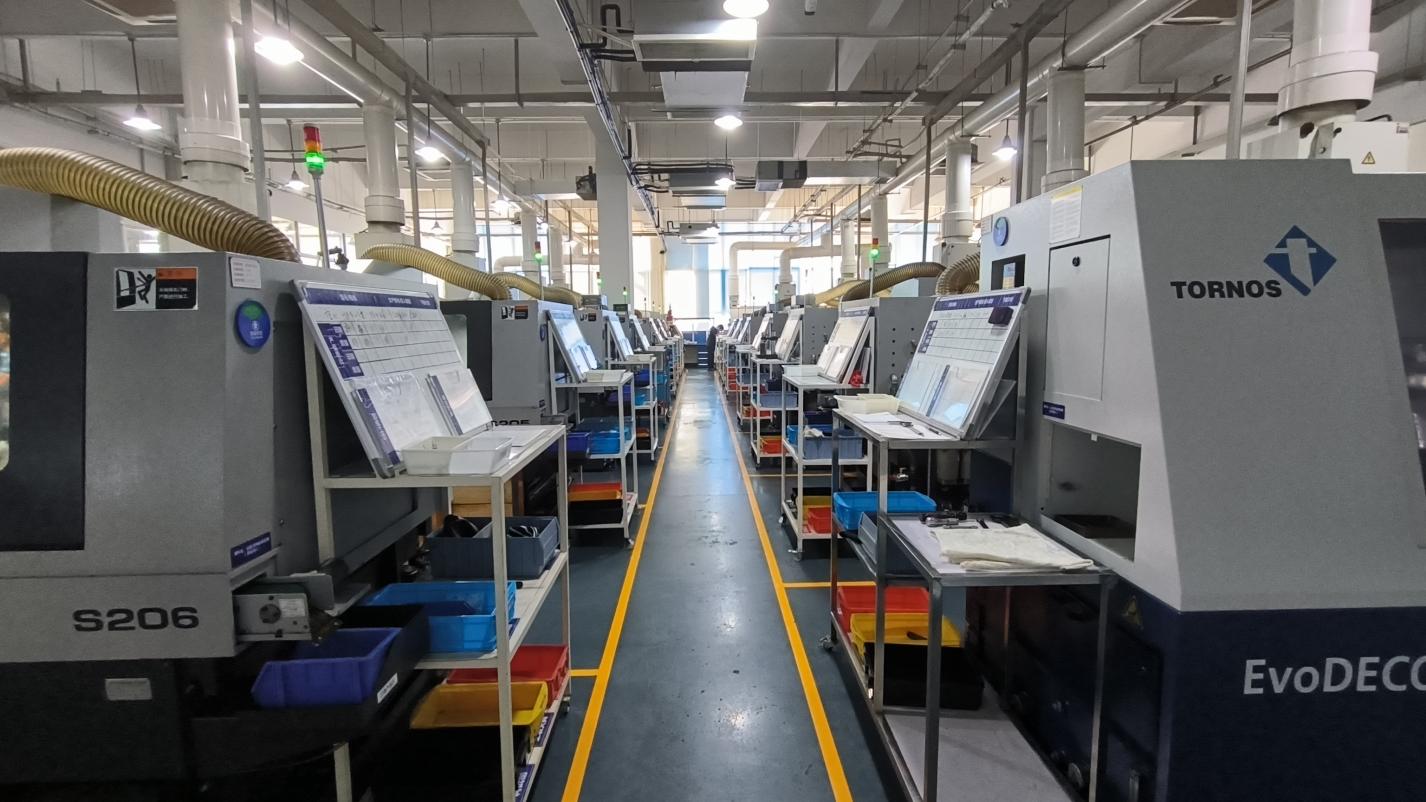
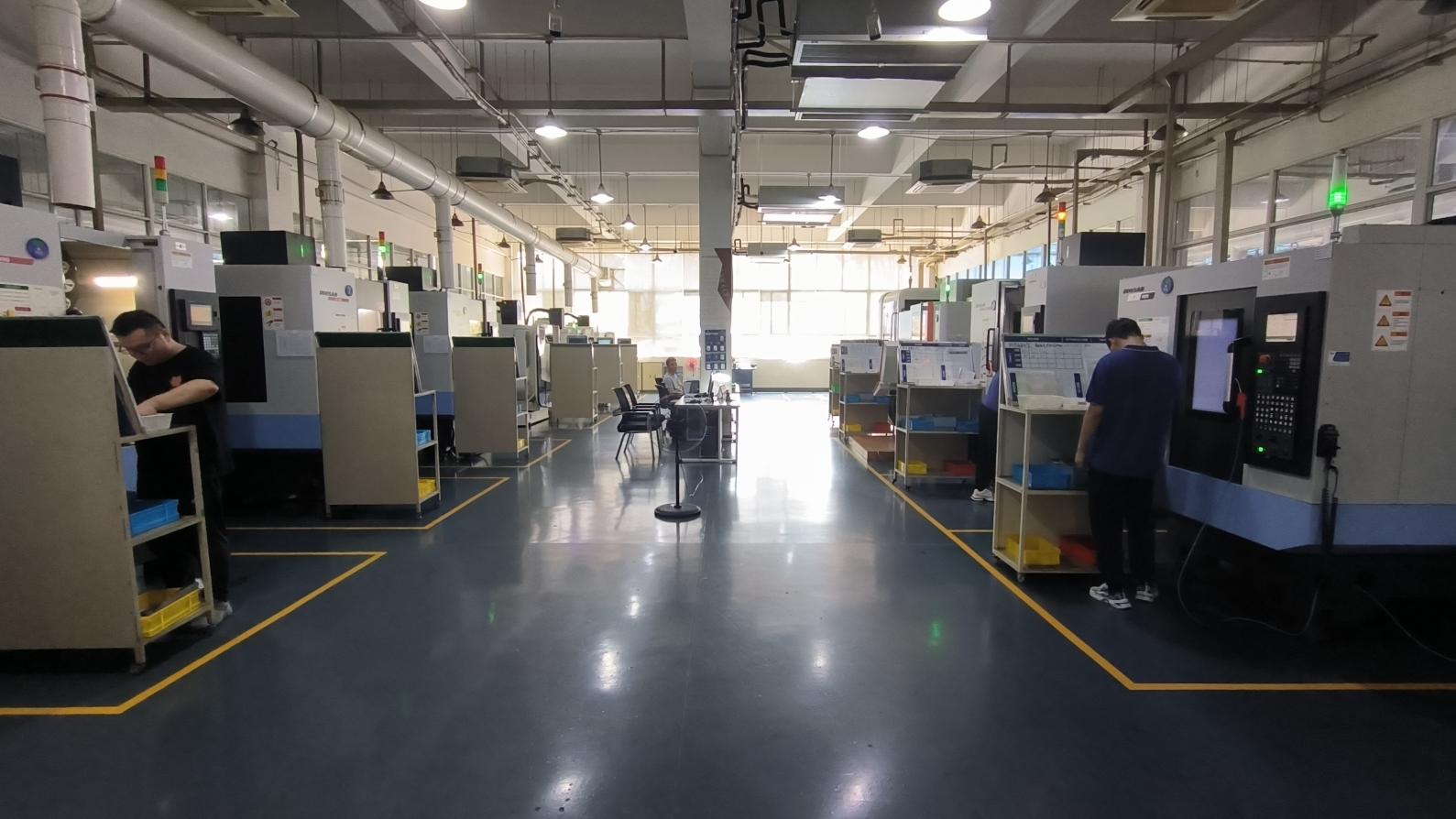
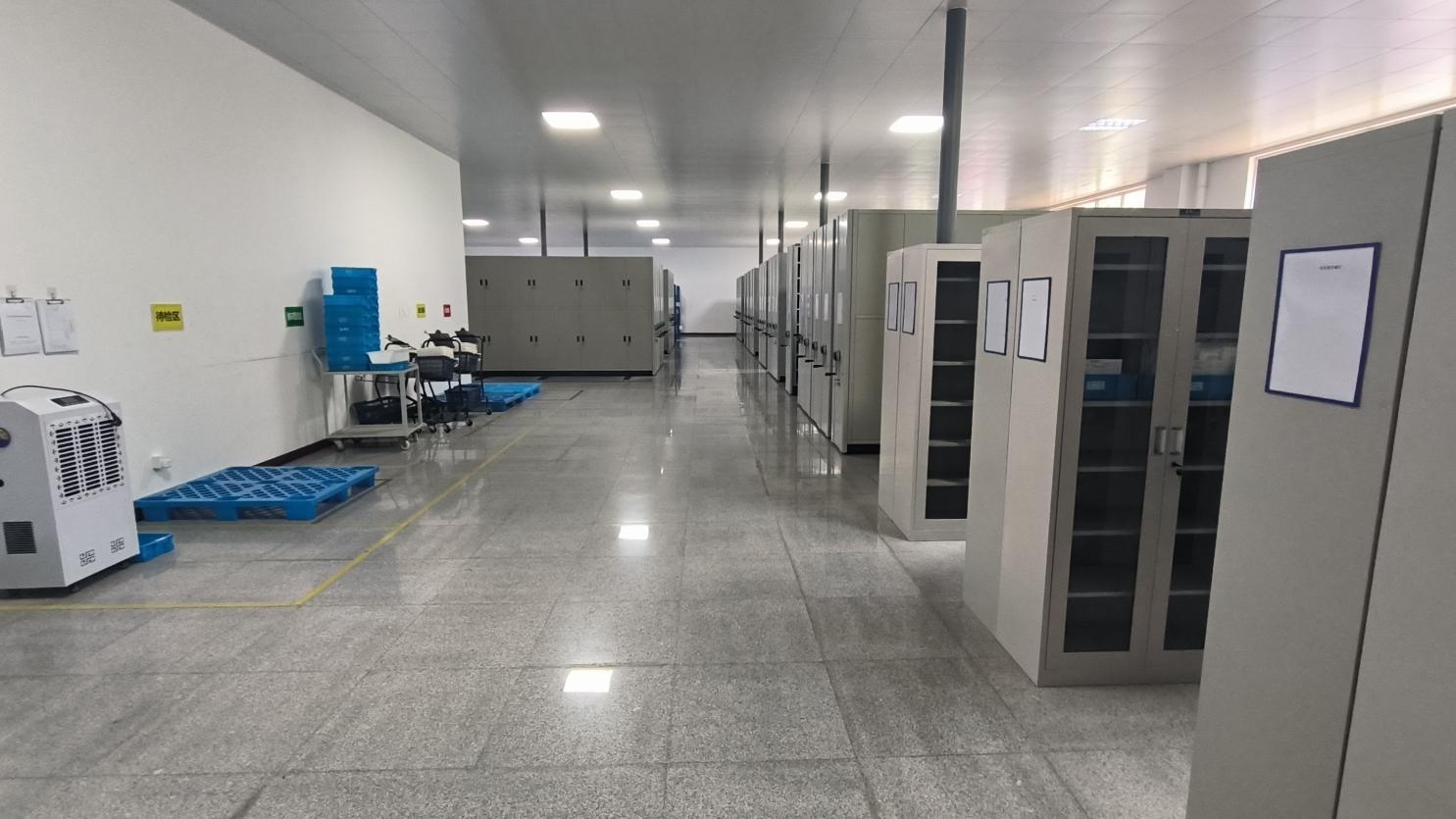
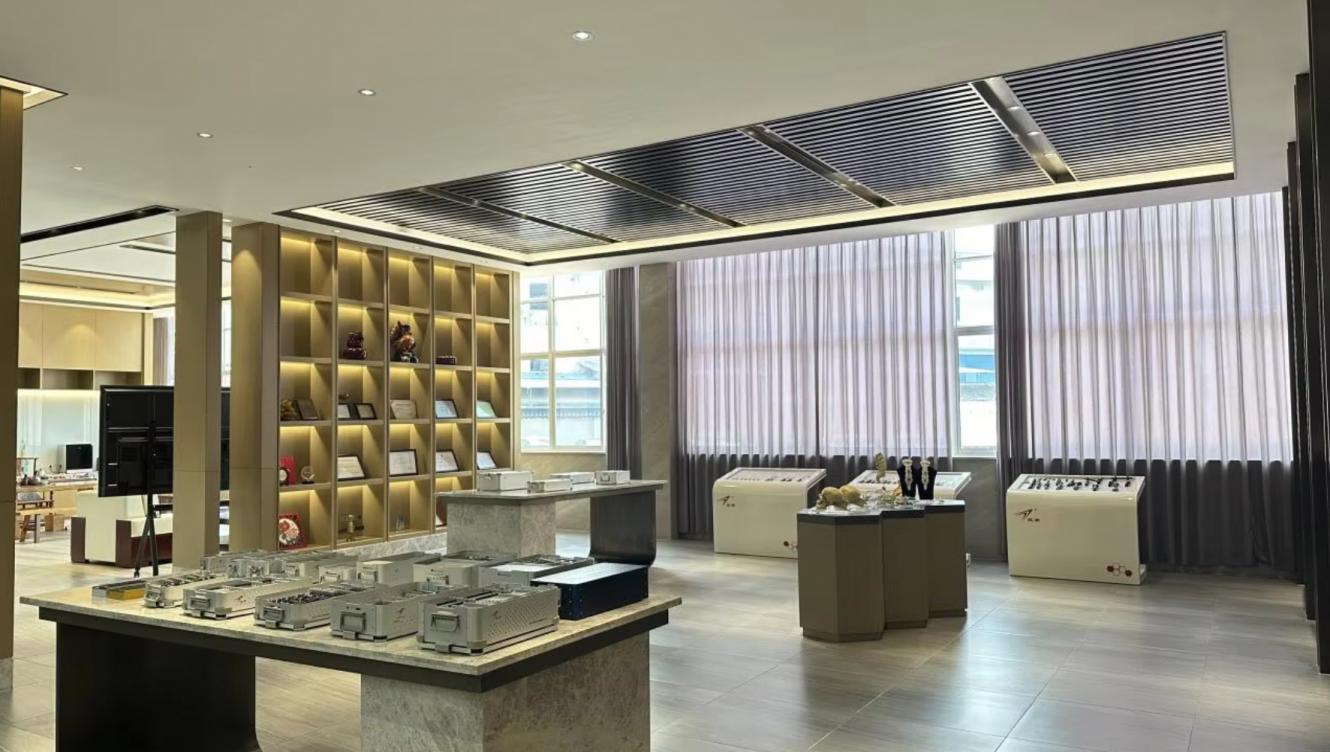
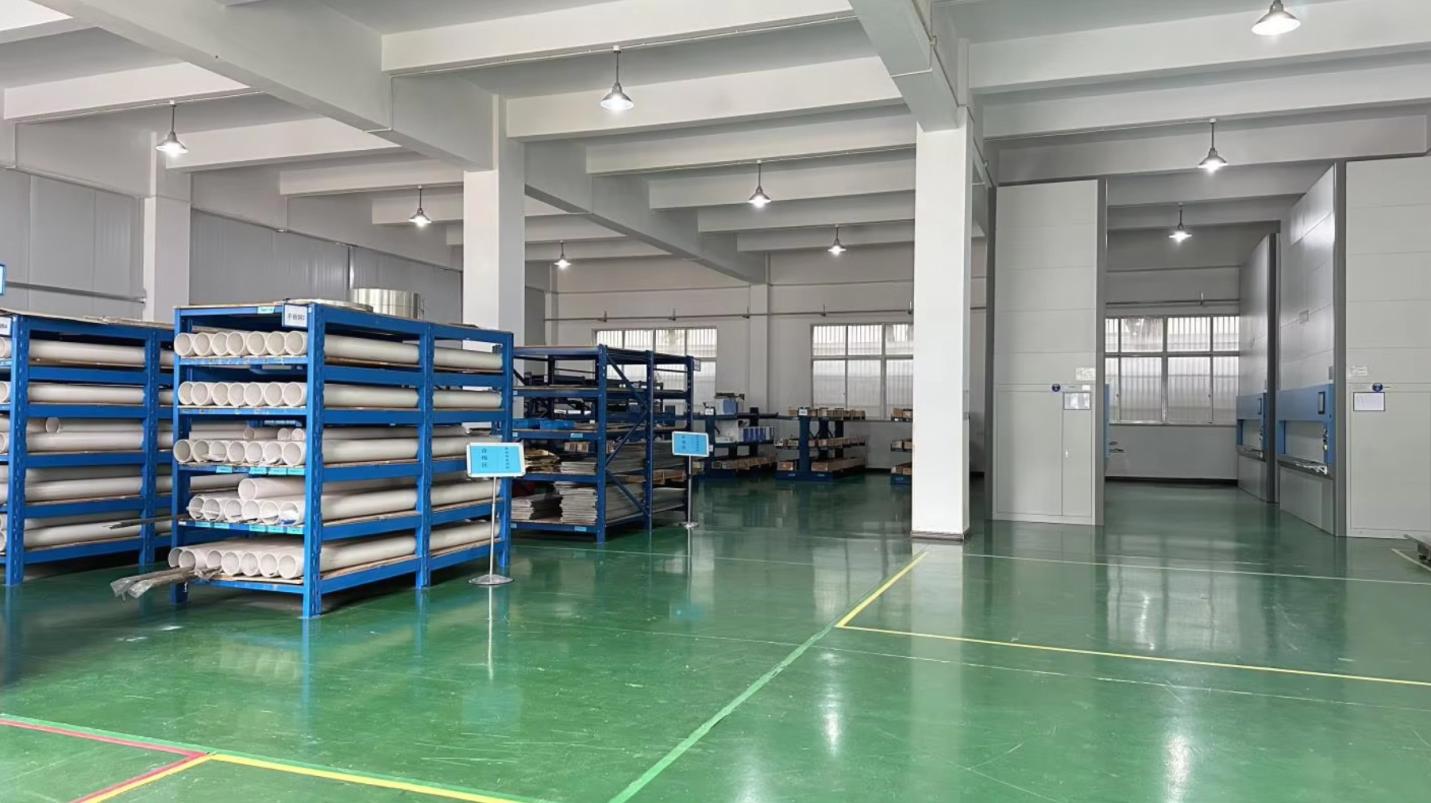
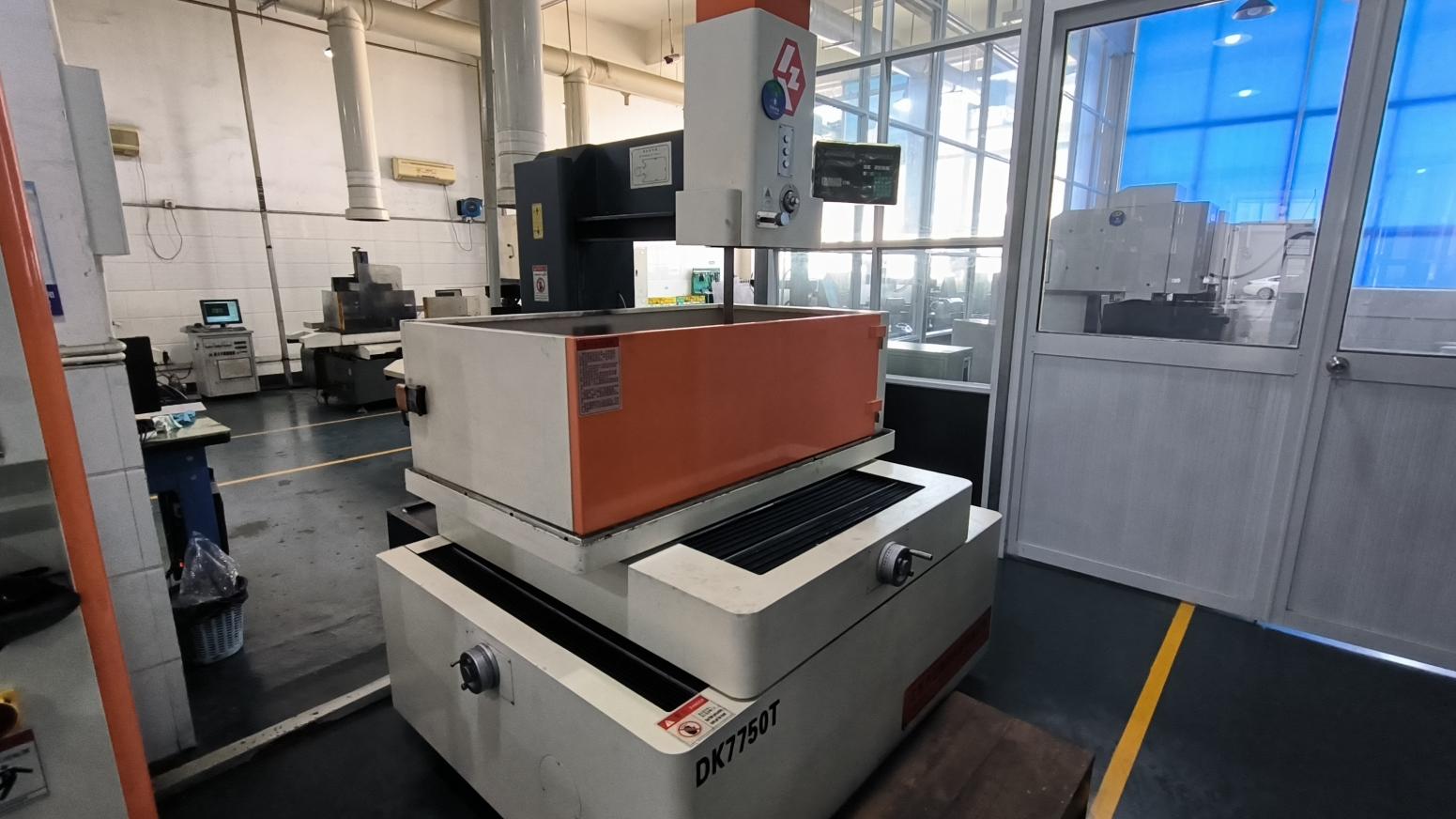
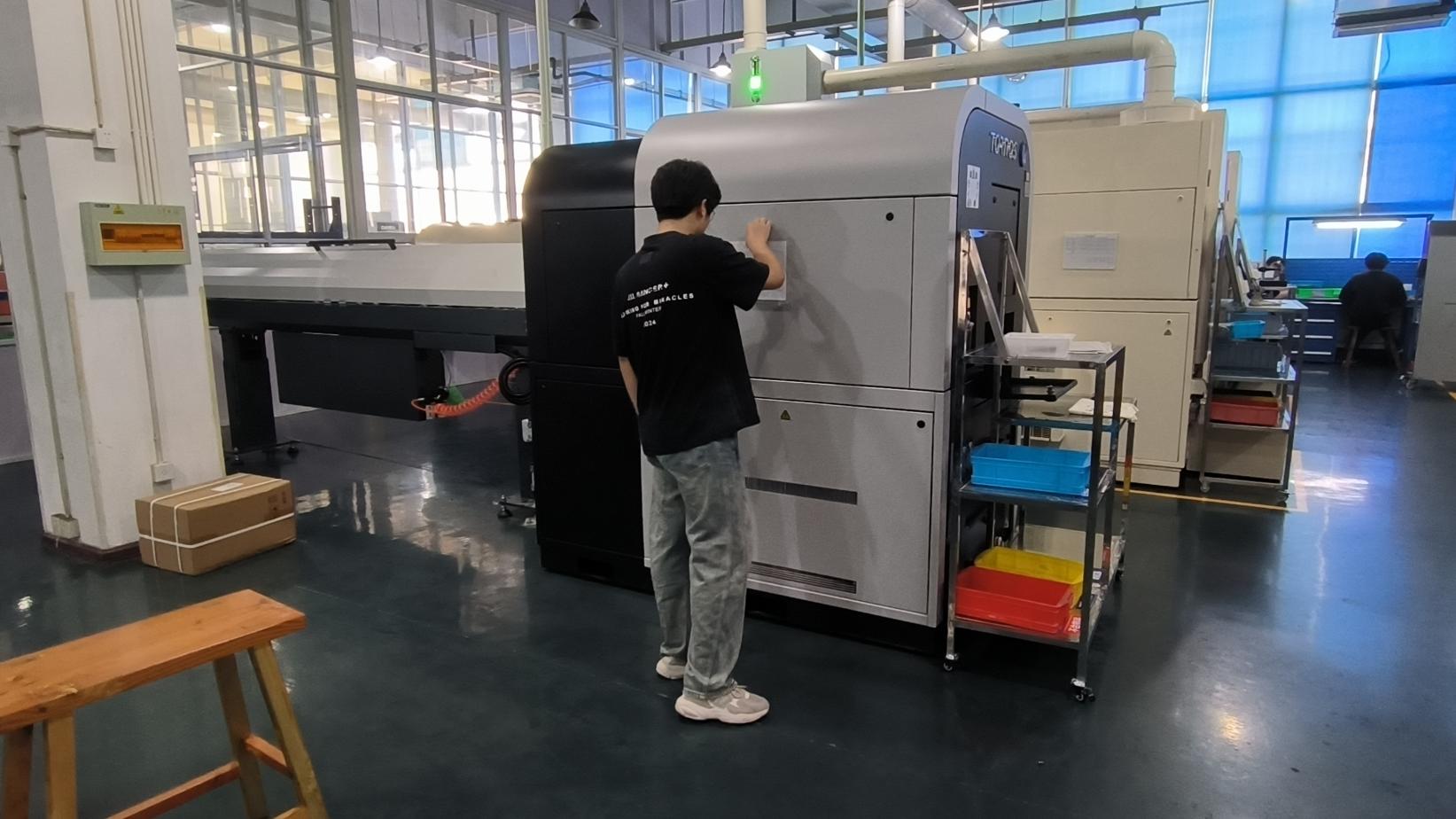
Our ISO 13485-certified facilities employ multi-axis CNC swiss-type lathes, electrical discharge machining (EDM) wire cutting, and computerized visual inspection devices to ensure dimensional accuracy. Below is a look at our core processes, from raw material validation to final packaging:
Entering the Australian healthcare market, particularly regional zones like Canberra, requires absolute regulatory alignment. Spinal implantable systems are designated as Class III medical devices under the Therapeutic Goods (Medical Devices) Regulations. This requires rigorous clinical trials, comprehensive safety dossiers, and Manufacturer's Evidence certification.
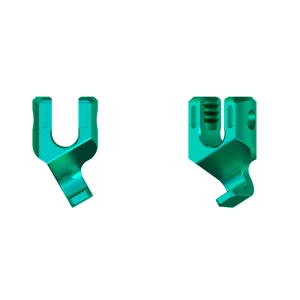
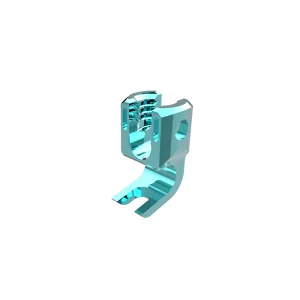
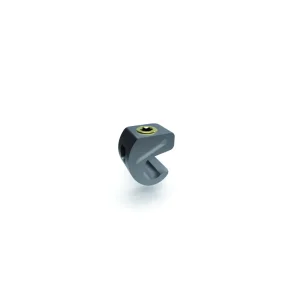
From a clinical perspective, spinal hooks are essential where pedicle screw placement is compromised—such as in severely osteoporotic bone, deformed pediatric anatomy, or in the upper thoracic spine where pedicles are narrow. Laminar hooks secure anchors around the lamina, transferring loads safely across the posterior column without violating the pedicle wall.
The next phase of spinal surgery incorporates intelligent navigation and real-time biomechanical feedback. Our engineering team is currently prototyping sub-millimeter smart sensor implants that track post-operative strain, allowing clinicians in Canberra to monitor fusion progress remotely.
Furthermore, our hooks and rods are engineered for high compatibility with global surgical instrument packages. The universal hex-locking mechanisms and contoured rod options align with existing instrumentation trays, lowering the barrier to entry for Canberra hospitals looking to optimize their procurement options without changing their current surgical tools.
Detailed answers to questions from clinical directors, procurement specialists, and distributors in the Canberra region.
Yes, our spinal systems are designed and tested to meet all safety criteria required for TGA Class III medical devices. We collaborate closely with local Australian sponsors and distributors to manage compliance documentation, enabling smooth import clearance and clinical deployment in the ACT and across Australia.
Once patient CT data is processed and the digital design is approved by the consulting surgeon, 3D printing and post-processing take approximately 5 to 7 business days. Air freight logistics to Canberra typically require another 3 to 5 business days, ensuring rapid turnaround for specialized cases.
Cobalt-chromium (Co-Cr) rods have a higher modulus of elasticity, providing greater stiffness and resistance to deformation under extreme correction loads. Titanium rods are preferred when physiological load sharing and MRI compatibility are prioritized, reducing artifact interference in postoperative scans.
We provide local distributors with comprehensive regulatory support files, biocompatibility reports, surgical demonstration kits, training models, and dynamic pricing matrices to ensure competitiveness in public hospital tenders.
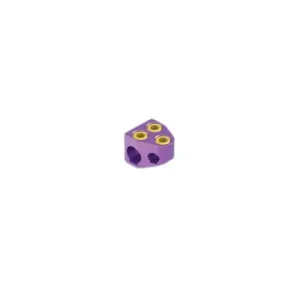
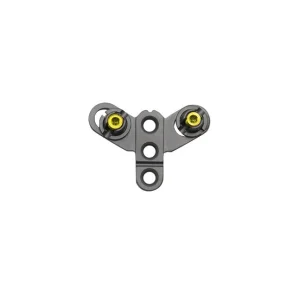
Explore our wider range of spinal fixation implants, designed for high anatomical compatibility and structural stability.
Whether you are managing surgical procurement for a health system in Canberra, seeking a custom 3D-printed orthopedic solution, or exploring distribution partnerships in Australia, our engineering team is here to support you.
 Axton Orthopedic Implants