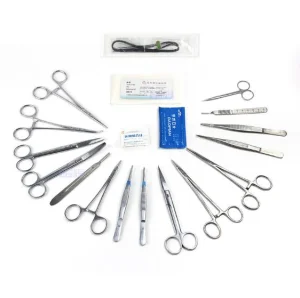
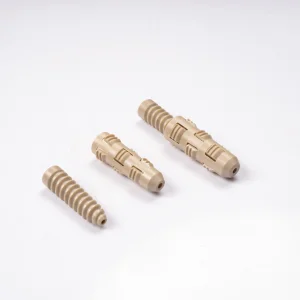
Explore our high-precision surgical implants engineered from medical-grade Titanium and biocompatible materials for optimal biomechanical stabilization.
Modern spinal reconstruction demands surgical components that deliver impeccable biomechanical performance, biocompatibility, and structural integration. As a leading OEM/ODM spinal fusion devices factory, we specialize in translating complex anatomical requirements into high-performance implantable components. Globally, the clinical demand for spinal fusion devices is rising. This increase is driven by aging demographics, a higher incidence of degenerative disc disease (DDD), and advancements in minimally invasive surgeries (MIS).
Our manufacturing ecosystems are built to provide international medical device brand owners, hospital groups, and regional distributors with absolute supply chain reliability. By integrating premium raw materials procurement, multi-axis CNC micro-machining, and progressive additive manufacturing methods, we deliver spinal fusion implants that conform to rigorous clinical benchmarks.
The field of orthopedic implants is transitioning from standard sizing to patient-specific morphology. Traditional machining processes are highly efficient for bulk runs, but they struggle to match the complex trabecular bone geometry required to optimize long-term osseointegration.
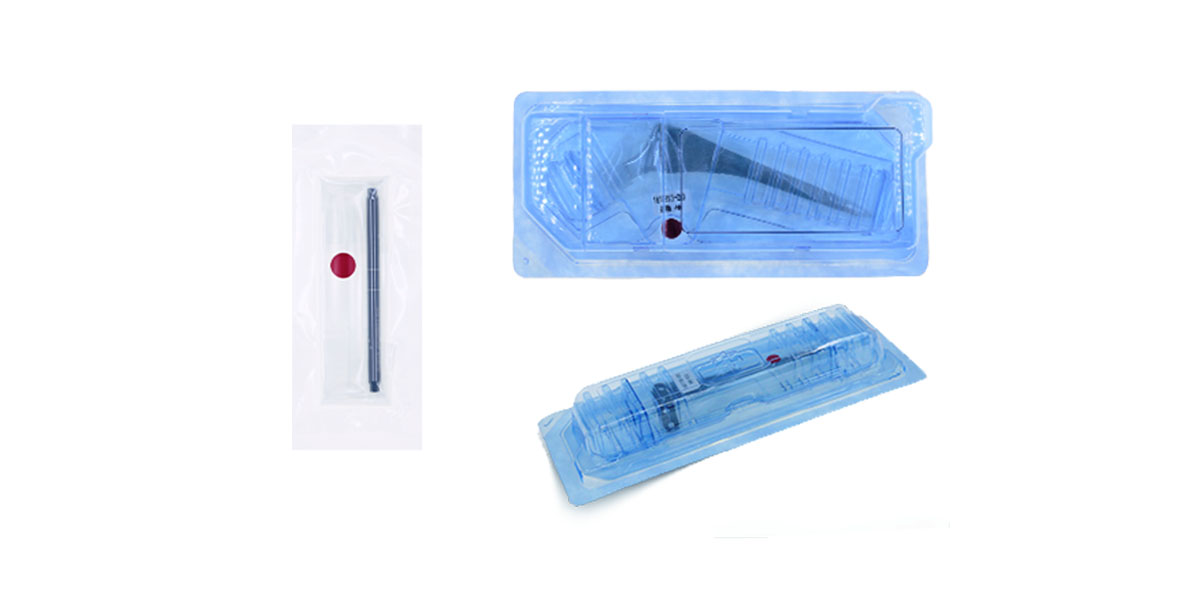
Our core strength lies in our expertise in advanced 3D printing and customization. Using Electron Beam Melting (EBM) and Direct Metal Laser Sintering (DMLS), we print clinical-grade Ti-6Al-4V ELI (Extra Low Interstitial) powders into precise, customized implants.
With advanced technology, we can create personalized medical devices that perfectly fit each patient. This customization not only enhances treatment outcomes but also improves patient comfort and overall satisfaction. 3D-printed porous titanium surfaces mimic human cancellous bone structure. They encourage bone cell attachment and vascularization while reducing the "stress shielding" effect that can lead to implant loosening.
Spinal fusion procedures target different anatomical zones, each requiring distinct mechanical properties and surgical access methods:
Applied in anterior cervical discectomy and fusion (ACDF) procedures. Implants must feature low profiles to prevent dysphagia while maintaining high structural resistance to compressive neck forces.
Used in ALIF, PLIF, TLIF, and LLIF configurations. These interbody cages bear substantial axial loads and require footprints that maximize graft volume and contact with the vertebral endplates.
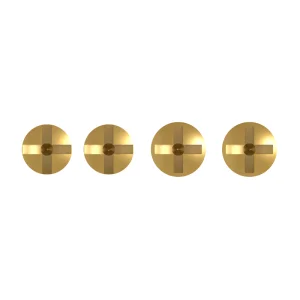
Our pedicle screws feature dual-lead threads and polyaxial heads. This design gives surgeons intraoperative flexibility to stabilize unstable spinal segments across multiple levels.
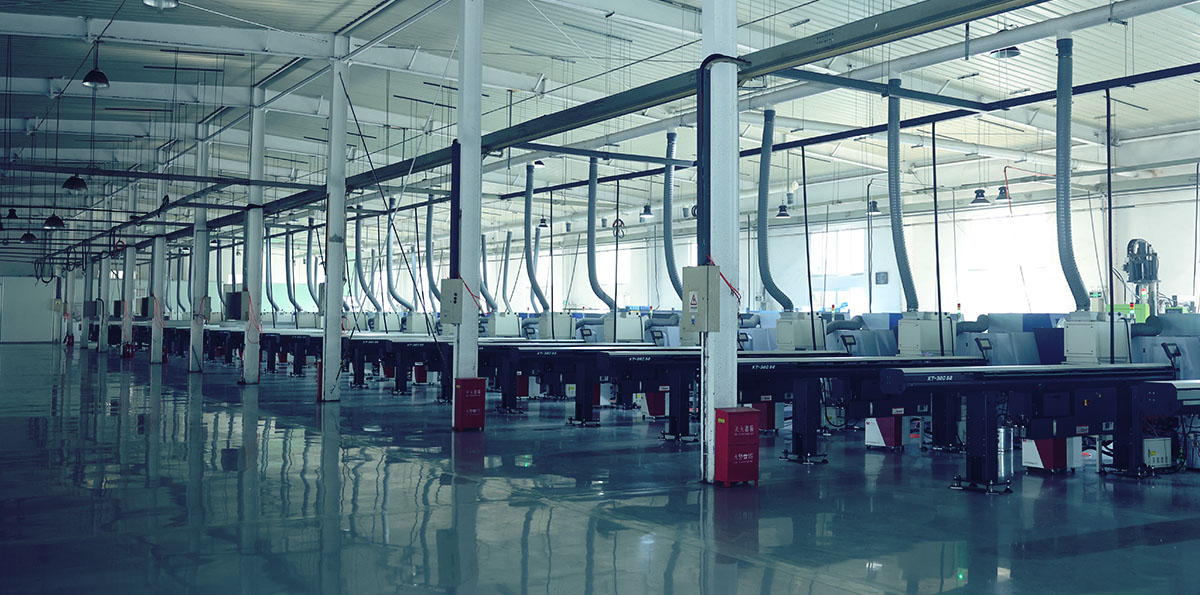
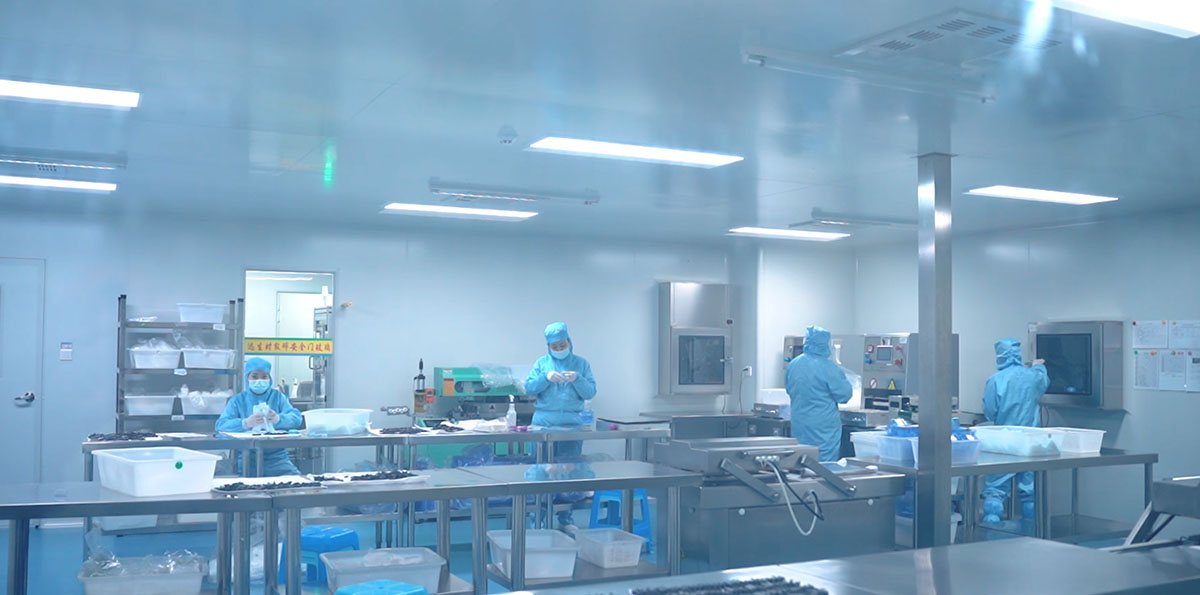
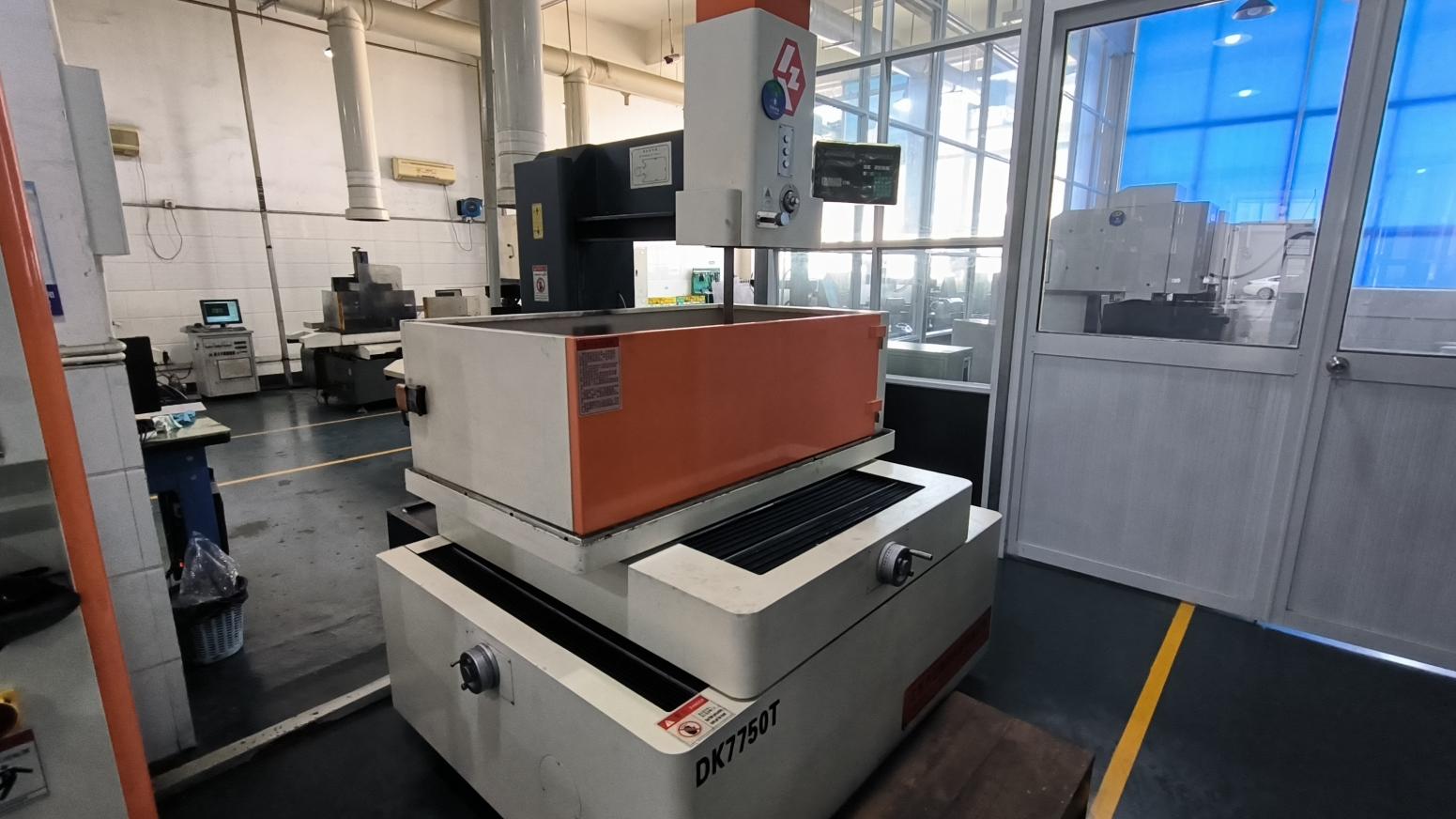
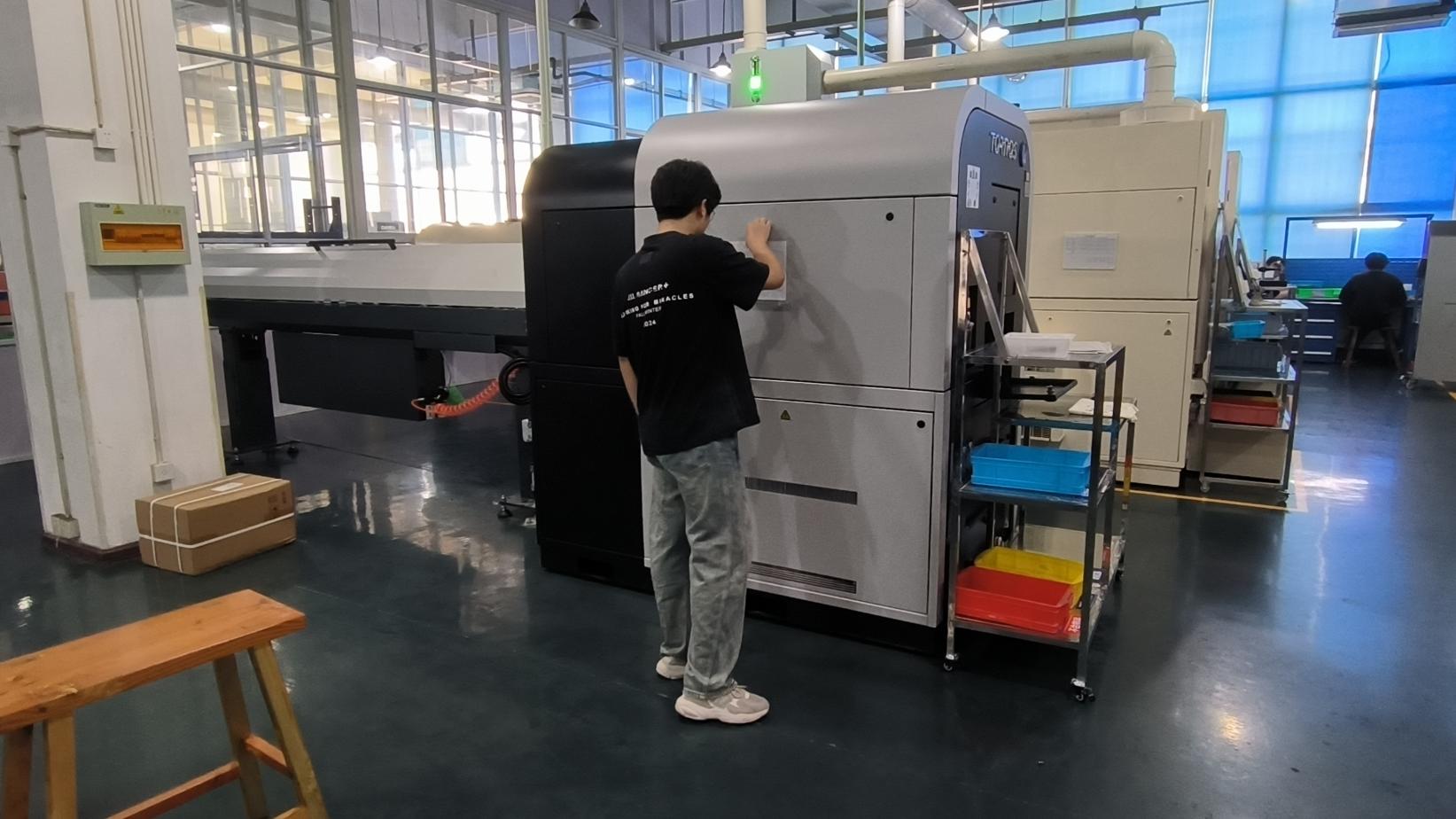
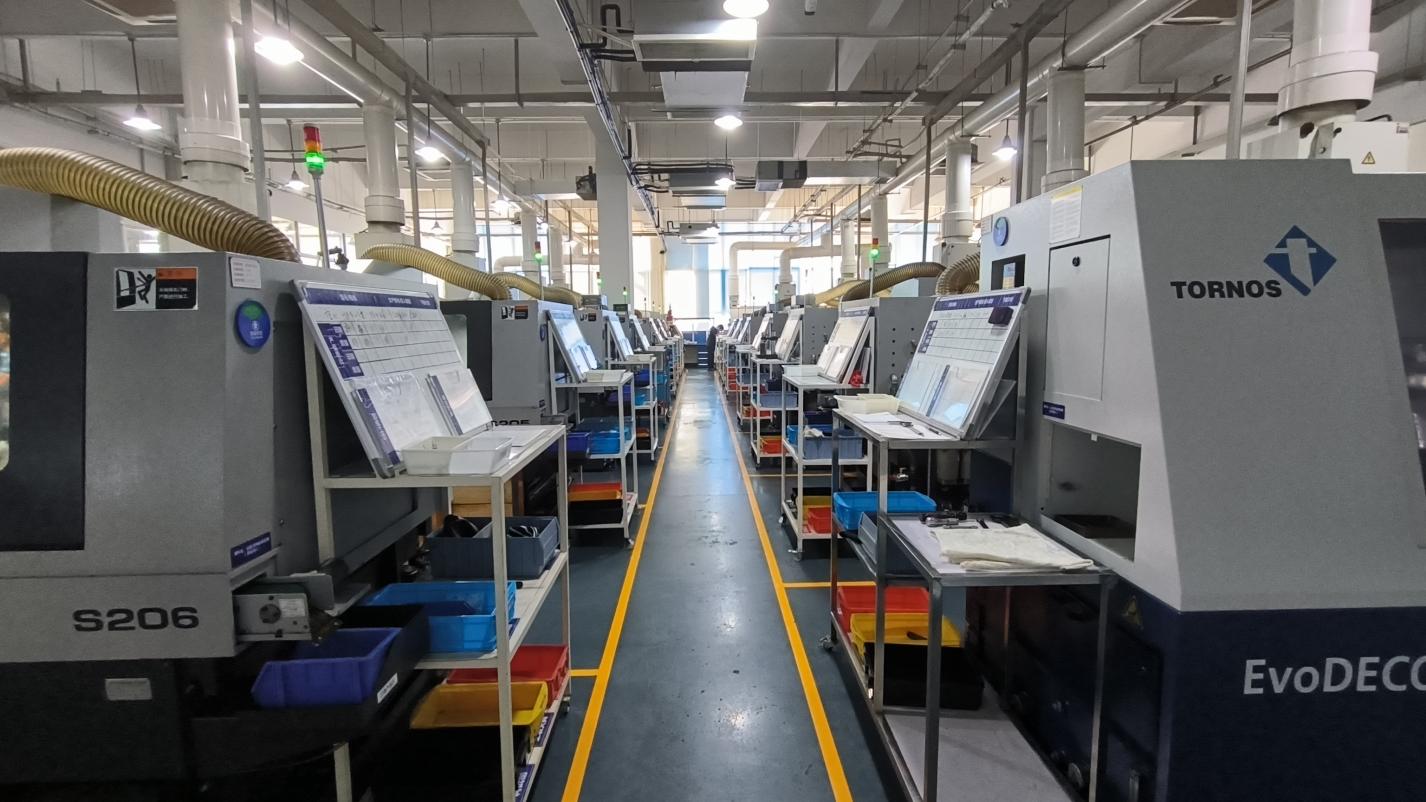
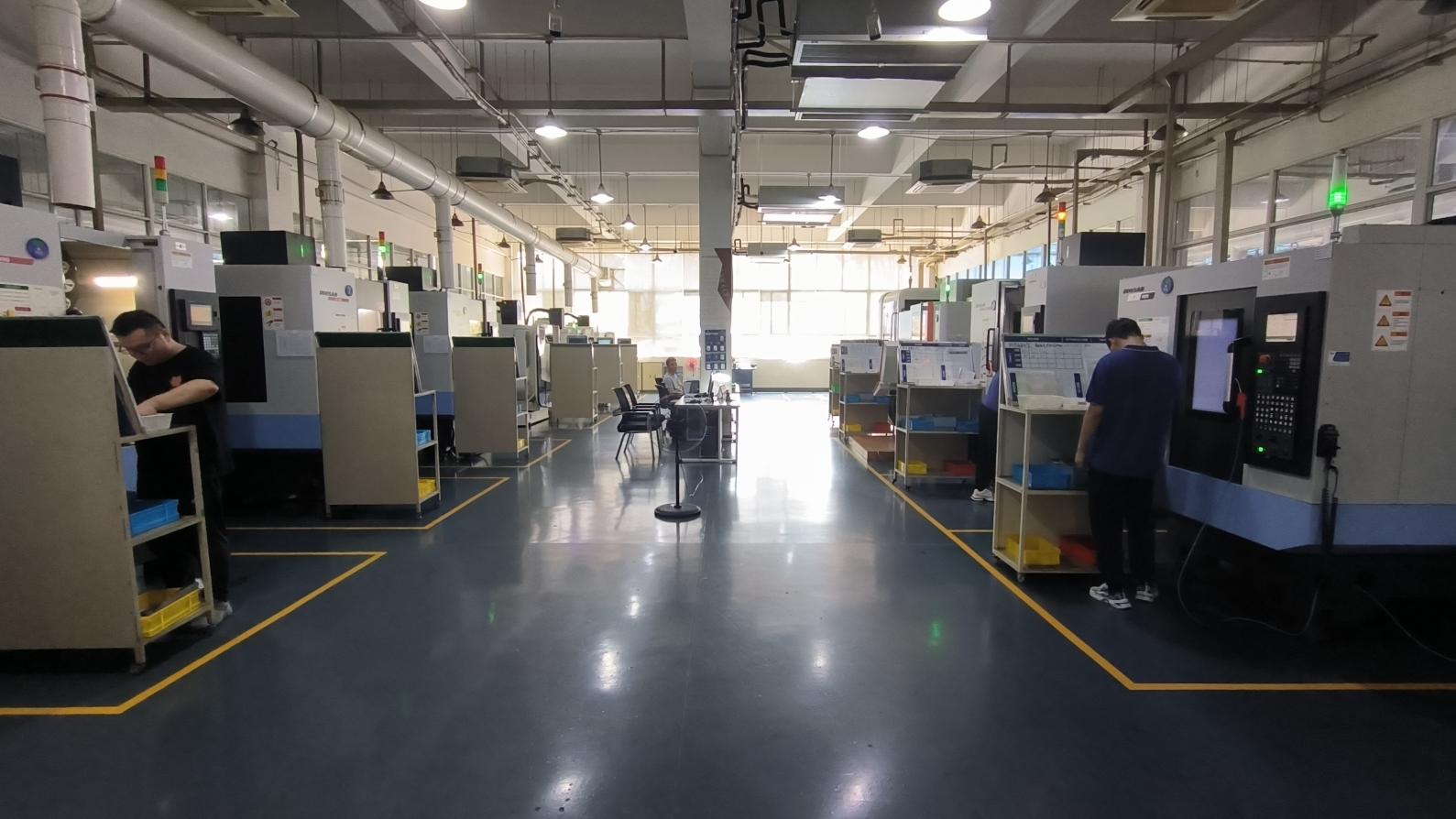
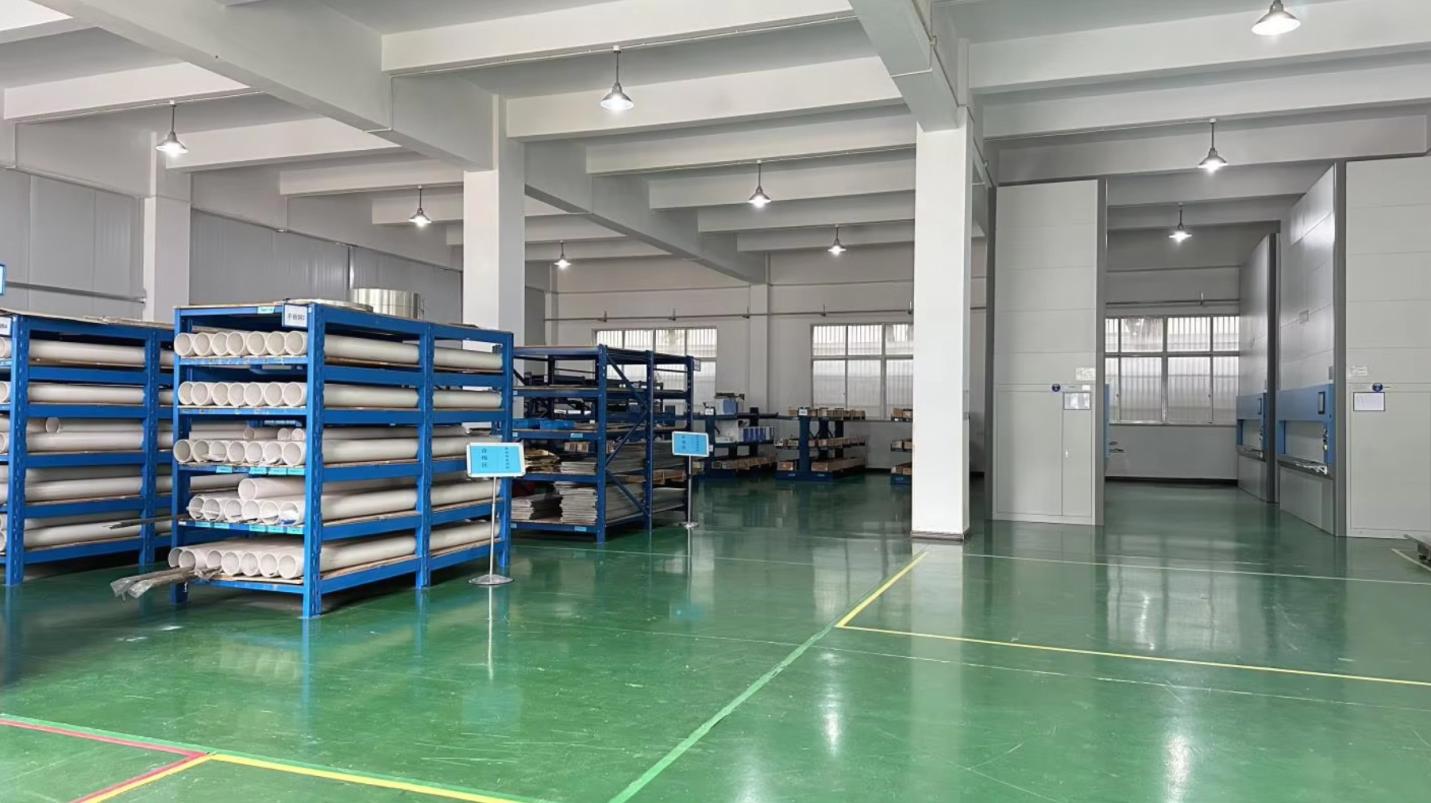
Our manufacturing facility in China leverages a mature industrial ecosystem to provide high-quality medical devices with rapid turnarounds. We manage the entire production cycle in-house. This comprehensive control ensures stable pricing, reliable material sourcing, and strict quality verification at every stage.
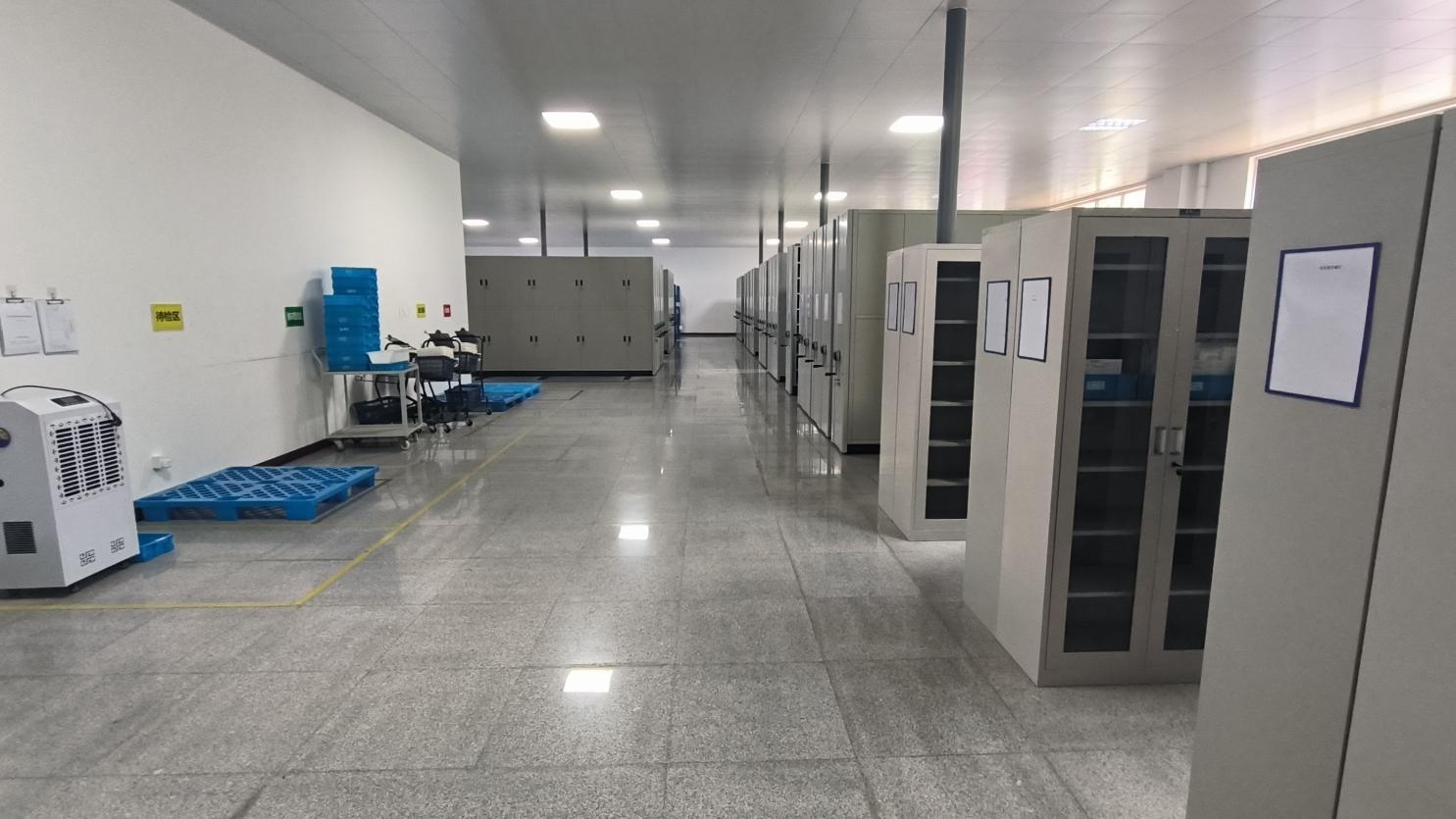
From the initial sourcing of raw bars to wire cutting, multi-axis precision milling, surface blasting, and final cleanroom packaging, we maintain strict traceability. This vertical integration allows us to quickly scale production to meet urgent global demands without compromising on mechanical safety.
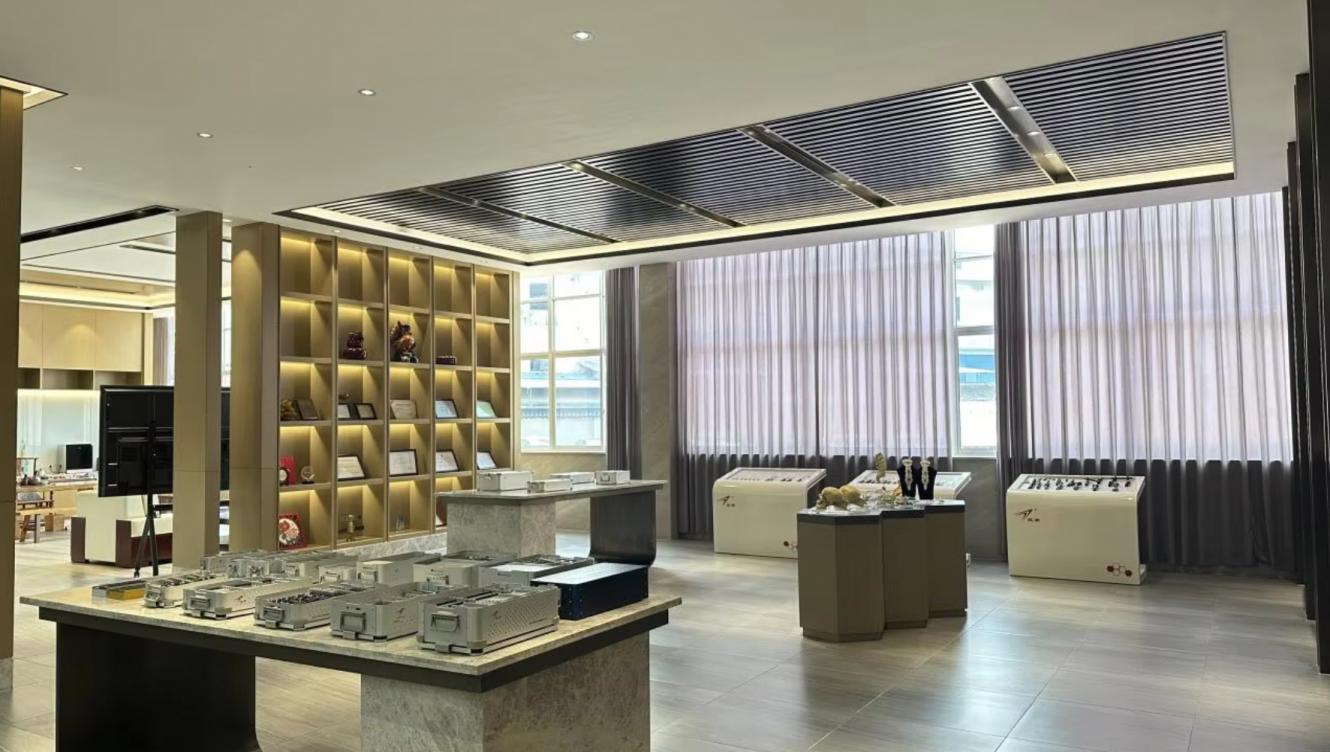
Navigating the complex international regulatory environment is a major challenge for medical device distributors. We offer comprehensive documentation support to help our clients secure local market approvals.
| Regulatory Standard | Compliance Requirements | Factory Status & Support |
|---|---|---|
| ISO 13485:2016 | Quality Management System for Medical Devices | Certified. Active audits cover the entire manufacturing process. |
| CE Mark (MDR 2017/745) | European Union Medical Device Regulation compliance | Technical documentation ready for Class IIa and Class IIb orthopedic devices. |
| US FDA 510(k) | Premarket Notification for commercial distribution in the USA | Equivalent material specifications and cleanroom standards to simplify submissions. |
| Traceability & Cleanrooms | Particulate control and full materials tracking (ISO Class 7/8) | Full material batch certificates (MTR) provided from raw stock to packaged sterile units. |
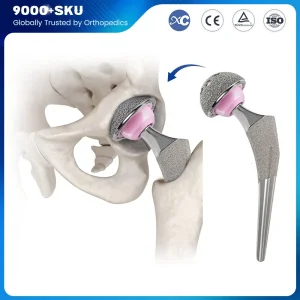
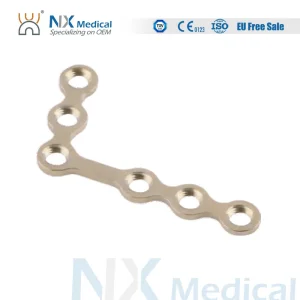
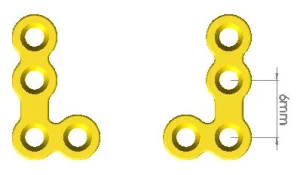
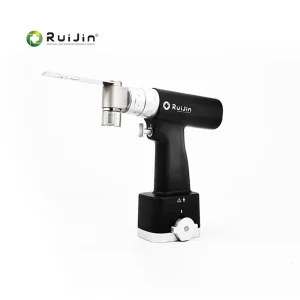
To date, our products have been widely used in dozens of countries across Asia, Latin America, Africa, and Europe, and have gained recognition from local distributors and surgeons. We offer a diverse range of implants and instruments, including orthopedic implants, joint implants, brushless motors, and other specialized surgical solutions.
A solid history of technical expertise and reliable production in the global orthopedic manufacturing sector.
Answers to common technical, sourcing, and regulatory questions from distributors and surgical implant brand managers.
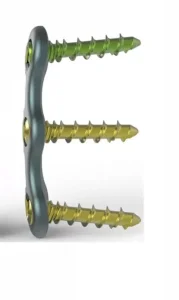
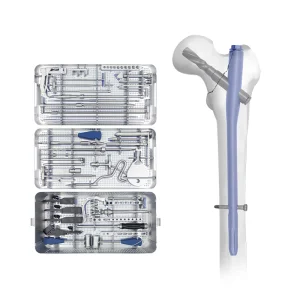
A comprehensive selection of trauma systems, external fixators, and customized orthopedic accessories designed for global medical standards.
 Axton Orthopedic Implants