Orthopedic implants remain inside the body, where a small manufacturing inconsistency can have serious consequences. A hip stem, spinal screw, or knee component must meet defined requirements for materials, dimensions, cleanliness, and performance. Quality systems help manufacturers control these details across design, production, packaging, and distribution. The stakes are physical.
ISO 13485 describes quality management requirements for medical-device organizations, while ISO 14971 provides a framework for identifying and managing risks. These standards can support consistent processes, documented decisions, supplier controls, and traceability. For example, a manufacturer should be able to connect a finished implant to its material records, production checks, and sterilization documentation. That distinction matters: certification of a quality system does not, by itself, prove that every implant is safe or authorize sales in every country.
Why do orthopedic implants require ISO certification for international sales? Buyers and regulators in many markets look for evidence that a manufacturer operates a controlled quality system, but specific requirements vary by destination and device. ISO certification may strengthen supplier confidence and support market-access procedures; it is not a universal substitute for local registration, conformity assessment, or other applicable obligations. Requirements also change, so manufacturers should confirm them with competent regulatory professionals and relevant authorities. Paperwork alone is not enough. A certificate has value when audits reflect real practices on the factory floor, from checking a machined surface to investigating a complaint. That is where confidence is earned—and where gaps can still be found.
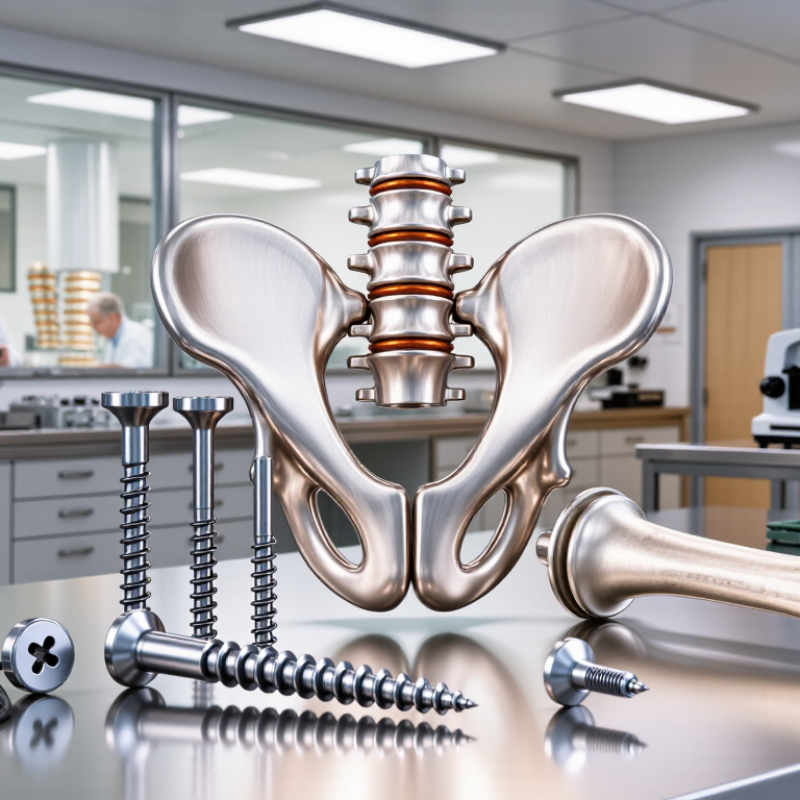
What ISO Certification Means for Orthopedic Implants
Why Do Orthopedic Implants Need ISO Certification?
What ISO Certification Means for Orthopedic Implants
For orthopedic implants, ISO certification usually refers to a manufacturer’s quality management system, often assessed against ISO 13485. It does not mean that every implant model has been individually approved or that complications cannot occur. That distinction matters. Certification shows that defined processes are audited within a stated scope, not that an implant is risk-free.
Those processes can include design reviews, supplier checks, production controls, and records linking materials to finished devices. For example, a manufacturer should be able to trace a metal component from its material documentation through machining and inspection. Cleanliness controls and packaging checks may also be part of the system, depending on the product and scope. Details matter.
Certification can support confidence in consistent manufacturing, but it is one part of evaluating an implant. It does not replace product-specific testing, clinical evidence, or applicable regulatory review. Patients and clinicians may not see the audit records, so clear documentation and independent oversight remain important. And standards evolve. A certificate’s validity, scope, and issuing body should be checked rather than assumed. Even a well-managed process can have gaps, which is why monitoring, corrective actions, and careful review of real-world performance still matter.
Which ISO Standards Apply to Orthopedic Implant Manufacturers
Orthopedic implants must perform inside the body, where corrosion, wear, or poor fixation can cause serious harm. ISO standards help manufacturers build repeatable controls for design, production, and testing. ISO 13485 sets medical-device quality-management requirements, including supplier oversight, traceability, and corrective action. Certification applies to a quality system, not to an implant’s clinical performance. An accredited certification body conducts the audit; the manufacturer still needs evidence that each device meets applicable requirements.
Risk management under ISO 14971 helps teams identify hazards such as particle release or loosening, then document controls across the device lifecycle. ISO 10993 guides biological evaluation, while ISO 14630 covers general requirements for non-active surgical implants. Product-specific testing may also apply: ISO 7206 addresses hip-joint prostheses, and ISO 14879 covers knee-joint prostheses. Material standards, including parts of ISO 5832, can specify requirements for metals used in implants. The right combination depends on the device and its intended use. Details matter.
The ISO Survey of Management System Standard Certifications reported 31,060 ISO 13485 certificates worldwide for 2022. That figure shows broad adoption, not orthopedic-specific safety outcomes. A certificate is useful evidence of controlled processes, but it cannot replace sound engineering, validated testing, or post-market monitoring. Teams can still miss things.
How Certification Supports Implant Safety and Quality
An orthopedic implant must perform inside the body, where material flaws or process errors can have serious consequences. ISO certification can support safety by showing that a manufacturer follows a documented quality management system. For medical devices, ISO 13485 sets requirements for managing design, production, and related processes. It asks teams to control changes, record inspections, and investigate problems rather than rely on informal checks. A titanium component, for example, needs clear material records and controlled manufacturing steps. Small details matter. Traceability can help connect a finished implant to its production history if a concern arises.
Risk management adds another layer. Teams identify possible hazards, estimate their impact, and document how they reduce risks. Sterilization and packaging processes also need appropriate controls and validation. Independent audits can check whether the quality system meets the standard within its certified scope. But certification does not prove that every implant is risk-free, nor does it replace product-specific testing or clinical judgment. A certificate can create false confidence if teams treat an audit as a finish line. That distinction matters. Clinicians and procurement teams should review the certificate’s scope and consider other available evidence, including device testing and manufacturing records.
How ISO Certification Fits Into Medical Device Regulation
Why Do Orthopedic Implants Need ISO Certification?
How ISO Certification Fits Into Medical Device Regulation
ISO certification is not market authorization for an orthopedic implant. Regulators assess device-specific evidence under the rules that apply in each market. A certified quality management system can show that design changes, supplier controls, production records, and corrective actions follow defined processes. This matters when a hip stem must meet consistent specifications across production batches. Still, certification alone cannot prove that an implant is safe or suitable for every patient. That distinction matters.
ISO 13485 is the quality management standard commonly used in medical device manufacturing. Its processes can help manufacturers document how materials are received, components are inspected, and nonconforming products are handled. For an implant, records may link a material lot to a finished device and its manufacturing history. Risk management also needs ongoing attention, including under ISO 14971. A certificate does not replace that work.
Regulatory requirements differ by jurisdiction, and authorities may require additional submissions, testing, or post-market monitoring. Certification can support regulatory confidence, but it does not guarantee acceptance in every market. Nor does an audit capture every weakness in daily production. A process may look sound on paper and still need improvement on the factory floor. Continued review of complaints, supplier performance, and manufacturing data helps reveal those gaps.
How Manufacturers Maintain Certification Over Time
ISO certification is not a one-time badge. Orthopedic implant manufacturers must keep their quality systems working as designs, suppliers, and production methods change. ISO’s 2022 Survey of Management System Standard Certifications reported more than 30,000 ISO 13485 certificates worldwide. That figure covers medical-device organizations broadly, not orthopedic implant makers alone. It shows how widely the standard is used, but certification itself cannot guarantee every implant will perform as intended.
Maintaining certification means documenting routine work and checking that it remains effective. Teams review supplier records, inspect material certificates, and trace each implant lot from incoming metal to finished packaging. They investigate complaints and production deviations, then record corrective actions and verify that those actions worked. Internal audits and scheduled external audits test whether procedures match actual practice. Records matter. A changed machining process, for example, may require updated risk assessments, validation, and staff training before routine production resumes. ISO 13485 requires organizations to control such changes and evaluate their effects on product quality. Still, paperwork can look complete while shop-floor habits drift. That gap deserves honest attention, especially when corrective actions repeatedly address the same issue. Ongoing review helps teams spot weak signals before they become persistent quality problems.
Why Orthopedic Implants Need ISO Certification
A typical ISO 13485 certification cycle includes an initial two-stage audit, annual surveillance, and recertification.
ISO 13485 supports a quality management system for medical devices, helping manufacturers control processes, manage risks, and maintain records. Initial certification audits are conducted in two stages; surveillance is generally performed at least annually, and recertification takes place before the certificate expires. Exact timing is set by the certification body.
FAQS
It shows that a manufacturer follows a documented quality management system. The system covers processes such as design, production, and corrective actions.
No. Certification does not make every implant risk-free or replace device-specific testing and clinical judgment. That distinction is easy to overlook.
No. Regulators assess device-specific evidence under the rules that apply in each market. Certification may support that process, but it does not guarantee acceptance.
Records can link a finished implant to its material lot and production history. For example, teams can check which titanium batch went into a component.
Teams identify hazards, consider their possible effects, and document ways to reduce risks. The work needs regular review, not just a completed form.
These processes need suitable controls and validation. A certificate alone does not show that every product-specific detail has been adequately tested.
They review suppliers, inspect material records, investigate complaints, and check corrective actions. Changed machining steps may also require updated assessments and staff training.
Audits check whether procedures meet requirements within the certified scope. Yet shop-floor habits can drift while paperwork looks complete. That gap deserves attention.
Conclusion
ISO certification demonstrates that orthopedic implant manufacturers follow a structured quality management system across design, production, inspection, and documentation. Standards such as ISO 13485 are particularly relevant to medical device quality management, while other applicable standards may address risk management, materials, and testing. Together, these requirements help manufacturers identify potential problems, control processes, and produce implants that consistently meet defined safety and performance specifications.
Why do orthopedic implants require ISO certification for international sales? Certification provides documented evidence that a manufacturer’s processes have been independently assessed against recognized requirements, supporting confidence among healthcare providers, regulators, and business partners. It can also help manufacturers prepare for medical device regulatory reviews, although certification alone does not replace market-specific approvals. Maintaining certification is an ongoing responsibility: organizations conduct internal audits, monitor production and supplier performance, investigate issues, and update procedures as products or requirements change. This continual oversight helps sustain product quality and support patient safety.

 Axton Orthopedic Implants