The upcoming China Import Export Fair, scheduled for April 2026, will showcase significant trends in the PCL Fixation Device industry. Experts anticipate a surge in innovative solutions. Dr. James Chen, a leading orthopedic specialist, stated, "The future of PCL fixation devices relies on technology that enhances surgical precision and patient recovery."
Attendees will witness groundbreaking advancements that could redefine how PCL fixation devices are utilized. The integration of AI tools aims to streamline supplier selection. This will allow buyers to connect with certified manufacturers swiftly. The focus on quality and efficiency might lead to competitive offerings.
However, the industry faces challenges. Not every solution is guaranteed to meet high standards of effectiveness. Some devices may still require improvement to fulfill clinical needs. It is essential for manufacturers to embrace feedback and enhance their products continually. Real innovation will emerge from those willing to adapt and innovate in this evolving landscape.
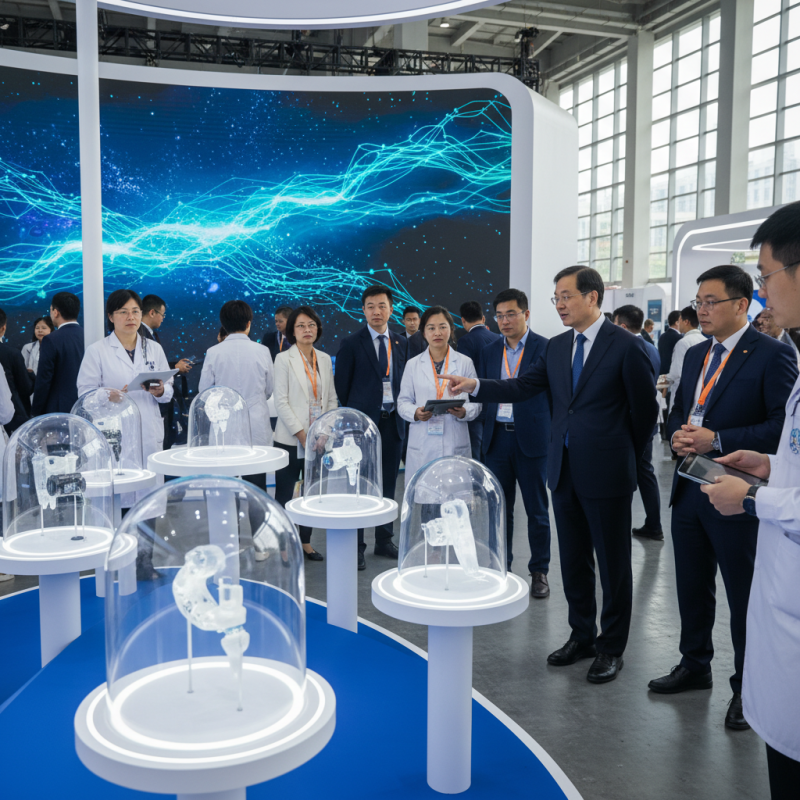
The China Import Export Fair is showcasing current innovations in PCL fixation devices. These tools are essential in orthopedic surgery, particularly in knee reconstruction. New designs focus on enhancing stability and promoting faster recovery. Surgeons can notice a shift toward more user-friendly mechanisms.
Some devices are lighter and easier to handle. This makes surgery less taxing for the medical staff. However, the question of durability arises. Can these lighter devices withstand long-term stress? It's a crucial factor for both patients and surgeons.
Another trend is the integration of smart technology. Some fixation devices now offer real-time monitoring. Surgeons can track recovery progress through apps. Yet, the reliance on technology can bring up complications. If a device fails or malfunctions, what will happen next? These innovations hold promise, but more testing is needed.
The China Import Export Fair is showcasing various PCL fixation devices. This event attracts numerous manufacturers eager to present their innovations. Each booth features unique designs aimed at improving surgical outcomes. It's an opportunity for professionals to explore advancements in orthopedic technology.
Some key manufacturers highlight their product efficacy and ease of use. They demonstrate how these devices can enhance patient recovery. Live demonstrations often captivate the audience, sparking conversations about potential improvements. Attendees discuss challenges that still exist in the industry. Issues such as material durability and compatibility often emerge.
While the fair celebrates advancements, some products warrant reflection. The design of certain devices can still be refined. Issues like weight and complexity can hinder usability. Manufacturers are encouraged to consider feedback from practitioners. This dialogue is vital for pushing the boundaries of innovation. The event serves as a platform for collaboration and future growth in PCL fixation devices.
The trend in PCL (Posterior Cruciate Ligament) fixation technology is evolving rapidly. Recent reports indicate that the global market for orthopedic fixation devices is anticipated to reach USD 22 billion by 2025. This growth is mainly driven by advancements in surgical techniques and increased demand for minimally invasive procedures. Emerging technologies, such as bio-absorbable fixation devices, are gaining traction. These materials offer benefits like reduced post-operative pain and improved healing times.
A study noted that about 70% of orthopedic surgeons prefer new fixation methods due to their efficiency. However, the long-term outcomes of these new technologies remain uncertain. Many surgeons report a lack of comprehensive data on these emerging devices. This leads to hesitance in adopting them fully. Traditional fixation options still dominate, even as new solutions emerge.
Surprisingly, reinforcing education and training in new fixation technologies remains a challenge. There's an evident gap in knowledge transfer from manufacturers to surgeons. Reports show that only 40% of medical professionals feel adequately trained in the latest fixation techniques. Bridging this gap could significantly influence market dynamics and adoption rates. Addressing these concerns is vital for future growth in the PCL fixation market.
The market for PCL fixation devices is evolving rapidly. Surgeons are looking for options that offer both reliability and ease of use. Different devices come with unique features that cater to various surgical needs. For example, some devices are designed for minimal invasiveness while ensuring strong stability. Others focus on flexibility, allowing surgeons to adapt their approach as needed.
Materials are also important. Many devices use advanced polymers that provide strength while reducing weight. Some boast a quick-fix mechanism, allowing faster surgical procedures. However, this can lead to concerns about long-term effectiveness. Not all devices can meet the high standards required for complex surgeries. Awareness of these limitations is essential for medical professionals when selecting the right tool.
User feedback plays a critical role in improving these devices. Surgeons often share experiences about how a device performed in real-life scenarios. This ongoing dialogue helps developers understand what works and what doesn't. Obstacles remain, like balancing ease of use with patient safety. Continuous improvement is vital, as a one-size-fits-all approach rarely suffices in diverse surgical environments.
This chart illustrates the comparative features and benefits of various PCL fixation devices showcased at the China Import Export Fair. The data represents the market trends based on performance in terms of stability, ease of use, and material quality.
PCL fixation devices are gaining attention in the Chinese market. As more manufacturers enter the field, regulatory considerations become crucial. The Chinese market demands compliance with specific standards before acceptance. Manufacturers must navigate complex regulations to ensure safety and efficacy.
One critical area is quality control. The regulatory body inspects device manufacturing processes. Strict guidelines exist, but some manufacturers may overlook them. This oversight can lead to defects, influencing patient outcomes negatively. Regular audits are essential. They help maintain high standards and prevent serious issues.
Furthermore, documentation is vital. Accurate records demonstrate compliance with local regulations. However, some manufacturers struggle with this. Missing or incomplete records create delays in approvals. These setbacks can hinder market entry. Addressing these challenges is vital for success in the competitive PCL fixation device landscape.
: PCL fixation devices are used mainly in orthopedic surgery for knee reconstruction.
New designs are focusing on enhancing stability and promoting faster recovery for patients.
Yes, many recent devices are lighter and easier to handle for medical staff during surgery.
Yes, their ability to withstand long-term stress is a crucial factor for both patients and surgeons.
Some devices now offer real-time monitoring to track recovery progress through apps.
Malfunctions or failures of these devices could lead to complications in patient recovery.
Many surgeons report a lack of comprehensive data on the long-term outcomes of new technologies.
Only about 40% of medical professionals feel adequately trained in the latest fixation methods.
Reinforcing education and training between manufacturers and surgeons could bridge the current knowledge gap.
The market is expected to grow significantly, driven by advancements in techniques and demand for minimally invasive solutions.
The article titled "Top PCL Fixation Device Trends at China Import Export Fair" explores the latest advancements and innovations in PCL fixation devices showcased at the recent fair. It highlights the key manufacturers demonstrating their cutting-edge products, revealing how these innovations are influencing the market landscape. The discussion also focuses on emerging trends in PCL fixation technology, particularly how they impact efficacy and patient outcomes in clinical settings.
Additionally, the article provides a comparison of various PCL fixation devices, detailing their unique features and benefits. It underscores the importance of regulatory considerations for these devices within the Chinese market, emphasizing the need for compliance to ensure safety and effectiveness. Overall, the content illustrates the dynamic evolution of PCL fixation devices and their critical role in orthopedic treatments.

Axton Orthopedic Implants