How to Test Orthopedic Implants for Durability Efficiently?

Time:2026-08-07 Author:Sienna
0%

Testing orthopedic implants for durability is a critical process in the medical field. This ensures that devices can withstand the stresses they face in the human body. Clinicians and engineers must understand how implants will perform over time. What is the process of testing orthopedic implants for durability? It requires extensive research and innovative methods.

In the lab, various techniques are employed. Mechanical testing, fatigue simulations, and material analysis are vital. Each method has its strengths and weaknesses. The process is not flawless; it often involves trial and error. For example, unexpected failures may occur during simulations. This can lead to reflections on design and material choices.

Collaboration among experts is crucial for success. Surgeons, biomedical engineers, and researchers must work closely. Their combined experience enhances the reliability of the tests. As technology evolves, so do testing methods. But, challenges remain. Continuous improvement and adaptation are necessary to meet future needs.
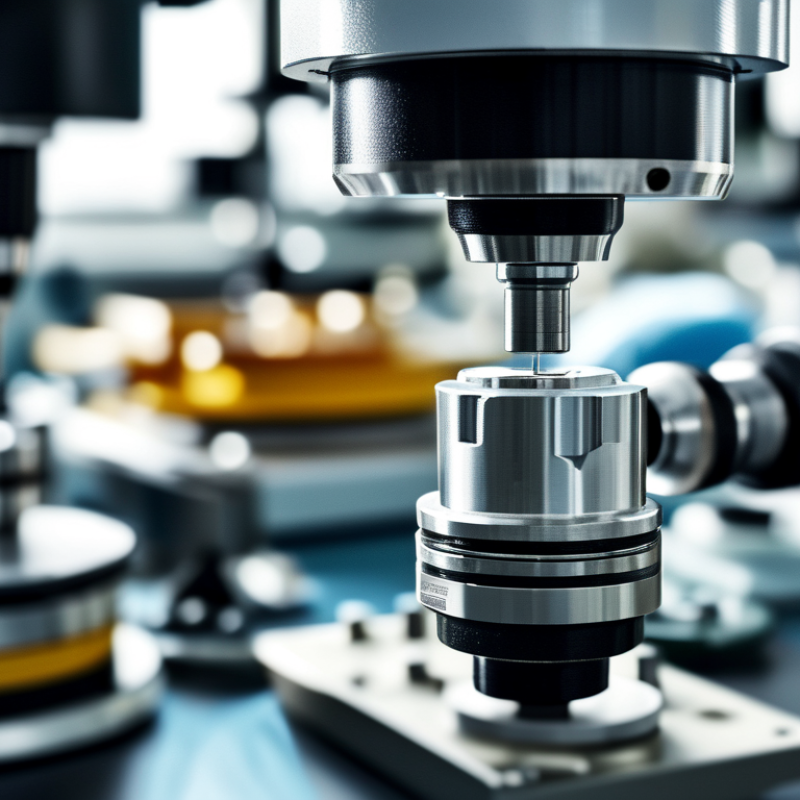
How to Test Orthopedic Implants for Durability Efficiently?

Understanding the Importance of Durability Testing in Orthopedic Implants

Durability testing of orthopedic implants is vital for ensuring patient safety and long-term success. According to recent industry reports, more than 30% of failed orthopedic surgeries are linked to implant issues. This highlights the need for rigorous testing protocols. Implants must withstand various loads and stresses while maintaining functionality. In some instances, implants may become compromised after just a few years in use.

The importance of durability in orthopedic implants cannot be overstated. A study published in the Journal of Orthopedic Research reveals that over 15% of patients experience complications due to implant failure, leading to repeat surgeries. Many implants undergo fatigue testing, simulating years of wear in a condensed timeframe. This process is essential, yet results can vary. Testing methods may not always reflect real-world scenarios accurately.

Moreover, the lack of standardized testing procedures adds to the complexity. Many companies use different criteria for success. Some tests may overlook crucial stress factors. This inconsistency raises questions about the reliability of results. Orthopedic surgeons and manufacturers must prioritize developing more refined and comprehensive testing methods. Only then can we hope to improve the durability and overall success rate of implants for patients.

Key Standards and Guidelines for Testing Implant Durability

When it comes to testing orthopedic implants for durability, adhering to key standards is crucial. Organizations like ASTM International and ISO provide comprehensive guidelines. ASTM F2077 outlines the test methods for evaluating intervertebral body fusion devices. This standard helps in assessing the mechanical performance under simulated physiological loading. Another important guideline is ISO 22442, focused on the biocompatibility of implant materials. It delves into the importance of material selection for optimal implant performance.

Durability testing for orthopedic implants often includes fatigue tests, which simulate long-term wear. According to industry reports, nearly 5% of implants fail within a decade due to material fatigue. This underlines the necessity for rigorous testing protocols that mimic real-life conditions. Additionally, employing finite element analysis can enhance our understanding of stress distribution in implants, which is vital for predicting potential failure points.

Despite advancements, the industry must confront certain challenges. Many tests do not fully replicate human physiological conditions. This gap can lead to discrepancies between lab results and real-world performance. There is a pressing need for continuous improvement in testing methods to ensure the implants can withstand long-term use effectively. Thus, while current standards provide a strong foundation, ongoing refinement is essential for truly reliable results.

Durability Testing of Orthopedic Implants

Methods for Biomechanical Testing of Orthopedic Implants

Biomechanical testing plays a crucial role in assessing the durability of orthopedic implants. Several methods are employed to evaluate mechanical strength, fatigue resistance, and overall performance. Among these, static and dynamic load tests are essential. Static tests measure the maximum load an implant can withstand before failure. Dynamic tests simulate real-life conditions, applying repeated loads over time. These methods help predict how an implant will behave in a human body.

In addition to load testing, materials analysis is vital. Techniques like scanning electron microscopy reveal fracture patterns on the surface. This analysis can indicate material weaknesses and guide future design improvements. Stress distribution studies can also be conducted, providing insights into areas prone to failure. The results allow engineers to refine designs, ensuring better outcomes for patients.

Despite advancements, challenges remain. Some testing methods may not fully replicate actual loading conditions in the human body. This limitation can lead to discrepancies between lab results and clinical outcomes. While testing methods are invaluable, continuous refinement and innovation are necessary. Better alignment with physiological conditions can enhance reliability in predicting implant performance.

Data Analysis Techniques for Interpreting Durability Test Results

Data analysis plays a crucial role in interpreting the durability test results of orthopedic implants. Effective techniques help engineers identify patterns and anomalies in the data. Statistical methods like regression analysis can display relationships between different factors impacting durability. Visualization tools such as histograms or box plots can also clarify complex data sets.

However, interpreting these results can be challenging. Data may show unexpected trends, raising questions about the testing process. Sometimes, it could indicate flaws in the implants or the testing methodology itself. Correlating data from various tests can lead to insights, but it requires careful consideration of variables involved.

Not every analysis yields clear answers. Some tests may produce inconclusive results, making it hard to draw definitive conclusions. It's important to reassess data collection methods and ensure consistency. Exploring these nuances helps improve testing standards and ultimately contributes to the development of more durable orthopedic implants. Each finding must be taken as an opportunity for reflection and growth in testing practices.

How to Test Orthopedic Implants for Durability Efficiently? - Data Analysis Techniques for Interpreting Durability Test Results

Test Method Material Used Cycles to Failure Max Load (N) Results Interpretation
Static Load Test Titanium Alloy 200,000 1500 Meets standards; suitable for long-term use.
Dynamic Load Test Cobalt-Chromium Alloy 100,000 1800 Slight wear detected; further investigation needed.
Fatigue Test Polyether-ether-ketone (PEEK) 300,000 800 Highly durable; suitable for dynamic applications.
Corrosion Test Stainless Steel No failure after 1000 hours 1200 Passes corrosion resistance criteria.

Innovative Technologies in Accelerated Durability Testing for Implants

Innovative technologies have transformed accelerated durability testing for orthopedic implants. Traditional testing methods may not accurately replicate the complex forces implants face in the human body. New approaches utilize advanced simulation techniques to model these conditions more realistically. This shift allows for quicker assessments while ensuring reliability.

One example is the use of fatigue testing machines that apply cyclical forces. These devices can simulate years of wear within a shorter timeframe. However, there are challenges. Not every simulation can fully capture the nuances of biological interactions. Additionally, the materials used in the testing process can sometimes skew results.

Moreover, 3D printing technology is being integrated into implant design. This method paves the way for custom implants tailored to individual anatomies. Nevertheless, ensuring consistent quality in production is still an ongoing concern. The balance between innovation and reliability remains a critical area for further exploration.

FAQS

: What is the purpose of biomechanical testing for orthopedic implants?

: Biomechanical testing assesses the durability and performance of orthopedic implants. It helps predict their behavior in the human body.

What are static and dynamic load tests?

Static tests measure maximum loads before failure. Dynamic tests simulate real-life conditions with repeated loads over time.

Why is materials analysis important in implant testing?

Materials analysis identifies weaknesses in implant surfaces. Techniques like scanning electron microscopy reveal crucial fracture patterns.

What challenges do traditional testing methods face?

Traditional methods may not replicate actual loading conditions. This can lead to discrepancies between lab results and real-world outcomes.

How do innovative technologies improve durability testing?

New technologies model complex forces more accurately and quickly. This helps ensure the reliability of testing results for implants.

What is fatigue testing, and why is it used?

Fatigue testing applies cyclical forces to simulate years of wear. It's essential for evaluating long-term performance of implants.

How does 3D printing impact orthopedic implant design?

3D printing allows for personalized implants based on individual anatomy. However, maintaining quality control remains a challenge.

What role does stress distribution study play in testing?

Stress distribution studies identify areas prone to failure. This aids in refining designs for better patient outcomes.

Can all testing simulations capture biological interactions accurately?

No, some simulations miss nuances of biological interactions. This limitation impacts the reliability of certain outcomes.

Why is continuous refinement of testing methods necessary?

Continuous refinement is needed to align testing with physiological conditions. It enhances the reliability of predicting implant performance.

Conclusion

The article "How to Test Orthopedic Implants for Durability Efficiently?" emphasizes the critical role of durability testing in ensuring the safety and longevity of orthopedic implants. It outlines the key standards and guidelines that initiate the testing process, ensuring that implants meet established safety benchmarks. The methods for biomechanical testing are discussed in detail, providing insight into how implants are subjected to simulated physiological conditions to evaluate their performance over time.

Furthermore, the article addresses data analysis techniques that are essential for interpreting the results of durability tests, facilitating informed decision-making for implant development. It highlights innovative technologies that enable accelerated durability testing, which can significantly enhance the efficiency of the testing process. Overall, the article answers the question, "What is the process of testing orthopedic implants for durability," by providing a comprehensive overview of the established methodologies and advancements in testing practices.

Sienna

Sienna

Sienna is a skilled marketing professional with a deep expertise in our company’s core products and services. With a passion for innovation and detail, she plays a pivotal role in crafting insightful blog posts that not only highlight the unique features of our offerings but also provide valuable......