The durability of orthopedic implants is crucial for patient success. What is the process of testing orthopedic implants for durability? This question is not only vital for manufacturers but also for healthcare providers and patients. Testing ensures that implants can withstand daily wear and tear over time.
Different methodologies are employed to assess durability. These methods often include fatigue testing, stress analysis, and material integrity checks. Each technique serves a unique purpose in predicting how an implant will perform inside the body. However, the testing process is challenging. There are variations in design, materials, and patient activity levels that can impact results.
To ensure reliability, tests must be rigorous and comprehensive. Manufacturers are tasked with creating protocols that mimic real-life scenarios. Balancing the rigorous testing against the costs and time required is no easy feat. Some tests may even produce unexpected results. Continuous reflection on these processes is essential for improvement. It is this commitment to quality that bolsters confidence in orthopedic implants.
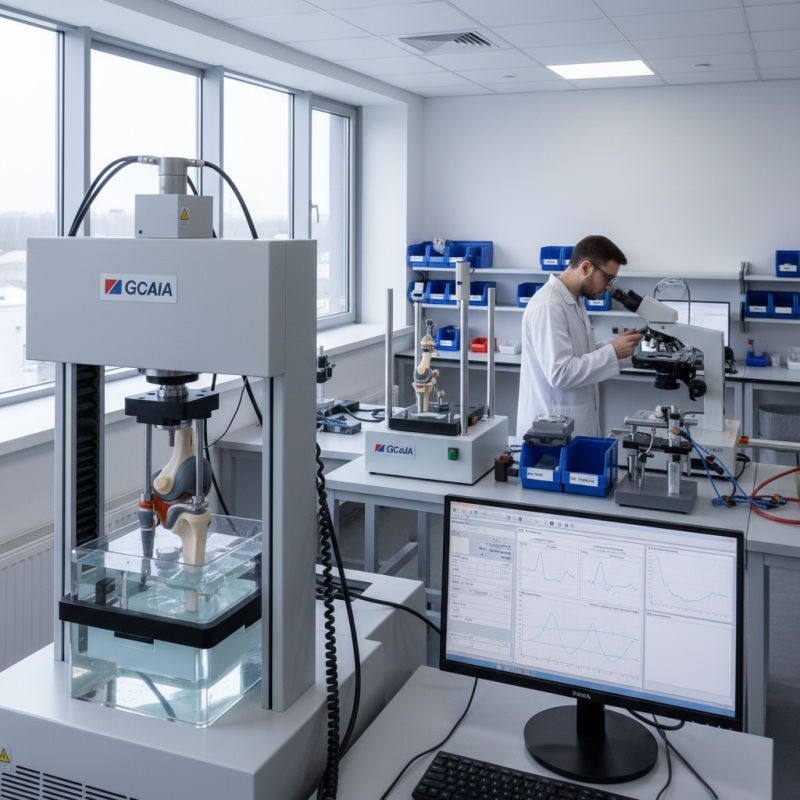
Orthopedic implants must undergo rigorous durability testing to ensure they can withstand the stresses of daily activities. This testing evaluates the materials, design, and overall functionality of the implants. Common methods include fatigue testing, where implants are subjected to repeated loads, simulating real-life conditions. Additionally, stress analysis identifies potential failure points, ensuring the implants can maintain structural integrity over time.
Tips: Always prioritize the material selection in implant design. Certain materials provide better shock absorption and durability. Regularly reviewing testing protocols can help highlight areas needing improvement.
Standard practices also involve comparing the implant's performance against industry benchmarks. This helps in understanding how well a new design holds up against existing products. It’s crucial to analyze the test results critically. Sometimes, early failures may reveal design flaws, prompting further investigation into the implant's application.
Tips: Engage with engineers and biomechanical experts during the testing phase. Their insights can uncover unexpected outcomes. Document every stage of testing meticulously to ensure transparency and accountability in results.
This chart illustrates the results of various durability tests performed on orthopedic implants, showcasing the maximum load each type can sustain before failure. These tests are crucial for assessing the safety and longevity of implants in clinical applications.
Testing the durability of orthopedic implants is critical. Key standards guide this evaluation process. The ASTM F2077 provides protocols for fatigue testing. This standard helps ensure that implants can withstand cyclic loads during their intended lifespan.
Similarly, ISO 7206 specifies requirements for testing static and dynamic load conditions. By adhering to these standards, researchers can simulate real-life scenarios. For example, the FDA emphasizes the importance of long-term performance data. Implants must endure stresses equivalent to those found in daily activities. A study revealed that nearly 20% of orthopedic failures relate to material fatigue. Researchers are increasingly focused on understanding wear mechanisms and stress distribution.
Additionally, there are areas needing improvement. Current testing methods may not fully replicate biological environments. This gap could lead to premature failures in actual use. Continuous research is vital to address these challenges. The industry's reliance on established protocols ensures a foundation, but innovation must also thrive. Surgeons and patients rely heavily on the durability of these implants. The quest for reliable and effective evaluation methods remains ever-important.
Mechanical testing methods for orthopedic implants are vital to ensure their durability and safety. These tests evaluate how implants perform under various conditions mimicking the human body's environment. Common methods include fatigue testing, static loading, and dynamic loading assessments.
Fatigue testing exposes implants to repeated stress cycles, simulating the wear and tear experienced during daily activities. This method helps identify potential failure points and lifespan.
Static loading tests measure the maximum load an implant can endure without breaking. This is crucial for understanding the initial resistance to forces encountered during surgeries.
Dynamic loading assessments, on the other hand, involve applying forces that vary in intensity, reflecting real-time physical activities. These methods can reveal unexpected weaknesses in implants, prompting necessary design modifications.
In practice, though, these tests often rely on standardized protocols, which may not cover every possible scenario in human anatomy. Limitations in current testing might overlook specific patient factors, such as bone density. This discrepancy can lead to challenges. For example, an implant tested on healthy bone may behave differently in a frail patient. Thus, continuous research is essential to refine these methods and address the nuances of individual health profiles.
The durability of orthopedic implants is heavily influenced by environmental factors. These factors include temperature, humidity, and exposure to bodily fluids. Each of these variables can impact the overall longevity of the implant. For example, high humidity can foster corrosion on metal surfaces. Similarly, extreme temperatures may affect the material properties of implants, leading to potential failure.
Tips for testing durability include establishing a controlled environment. Consistency in temperature and humidity mimics conditions inside the human body. Additionally, utilizing accelerated aging tests can provide insight into how implants will perform over time. Regularly reviewing test results can highlight areas needing improvement. It is essential to refine material choices based on observed weaknesses.
Another consideration is the interaction between implants and biological factors. Human tissues can exert pressures that affect how an implant behaves over time. Monitoring the mechanical stresses in a lab setting helps in understanding real-world applications. Recognizing these interactions can guide better design and material selection for long-lasting implants.
Durability testing for orthopedic implants involves a systematic approach to evaluating how well these devices withstand repeated stresses. Data analysis plays a crucial role in this process. Accurate data collection from various testing methods is necessary for reliable outcomes. Each implant undergoes fatigue tests, which simulate body movements. Researchers observe how these implants react over time.
Reporting the findings is equally important. It ensures transparency and helps identify weaknesses in the implants. Often, researchers discover inconsistencies in the data. These discrepancies can arise from variable testing conditions or equipment malfunctions. Such instances highlight the need for ongoing refinement of testing protocols.
It is essential to analyze trends in the collected data. Statistical methods can reveal patterns that enhance understanding of implant performance. However, not all data leads to clear conclusions. Some outcomes may require further investigation. Embracing these complexities can improve both current and future implant designs. Understanding the nuances of data can drive innovation in orthopedic solutions.
: Durability testing ensures implants withstand daily activities' stresses, evaluating materials, design, and functionality.
Common methods include fatigue testing and stress analysis to identify failure points and maintain structural integrity.
Factors like temperature and humidity can affect an implant's longevity, causing issues like corrosion or material property changes.
Choosing the right materials enhances shock absorption and durability, which is critical for long-lasting implants.
Accurate data collection and trend analysis help identify weaknesses and inform better design choices for implants.
Inconsistencies due to variable testing conditions can complicate data interpretation and highlight the need for improved protocols.
Insights from engineers and biomechanical experts can uncover unexpected outcomes that improve implant performance.
Human tissues can exert pressures, impacting an implant's behavior, necessitating careful monitoring and design considerations.
Documenting and reporting findings ensures clarity, identifies weaknesses, and fosters trust in the durability testing process.
Early failures may indicate design flaws that require further investigation and refinement in the implant application.
What is the process of testing orthopedic implants for durability involves a comprehensive approach that ensures the safety and effectiveness of these medical devices. The process begins with an overview of durability testing, which outlines the key standards and protocols established for evaluating implant longevity. Mechanical testing methods are then employed to assess the strength and stability of the implants under various conditions.
Additionally, the impact of environmental factors, such as temperature and humidity, on implant durability is carefully studied. Finally, data analysis and reporting are crucial components that interpret the results of the testing, providing insights into the performance and reliability of orthopedic implants. This thorough evaluation process is essential for advancing implant technology and ensuring patient safety.

Axton Orthopedic Implants