Why Do Orthopedic Implants Require Temperature Controlled Storage?

Time:2026-05-07 Author:Oliver
0%

Orthopedic implants play a crucial role in enhancing patient mobility and quality of life. However, they require specific storage conditions to ensure their integrity and effectiveness. This leads us to the question: Why do orthopedic implants need to be stored in temperature-controlled environments?

Proper storage conditions can prevent degradation of materials used in implants. Extreme temperatures can impact their mechanical properties. For instance, heat may alter polymer characteristics, leading to premature failure. Cooling may cause brittleness in some metals, jeopardizing performance.

While regulations exist for the storage of these medical devices, compliance varies. Some facilities may not fully understand the implications of improper storage. This highlights the need for greater awareness and strict adherence to temperature guidelines. After all, the safety and success of orthopedic procedures depend heavily on the quality of these implants. Ensuring they are stored correctly is not just a technical necessity; it is a moral obligation toward patient care.
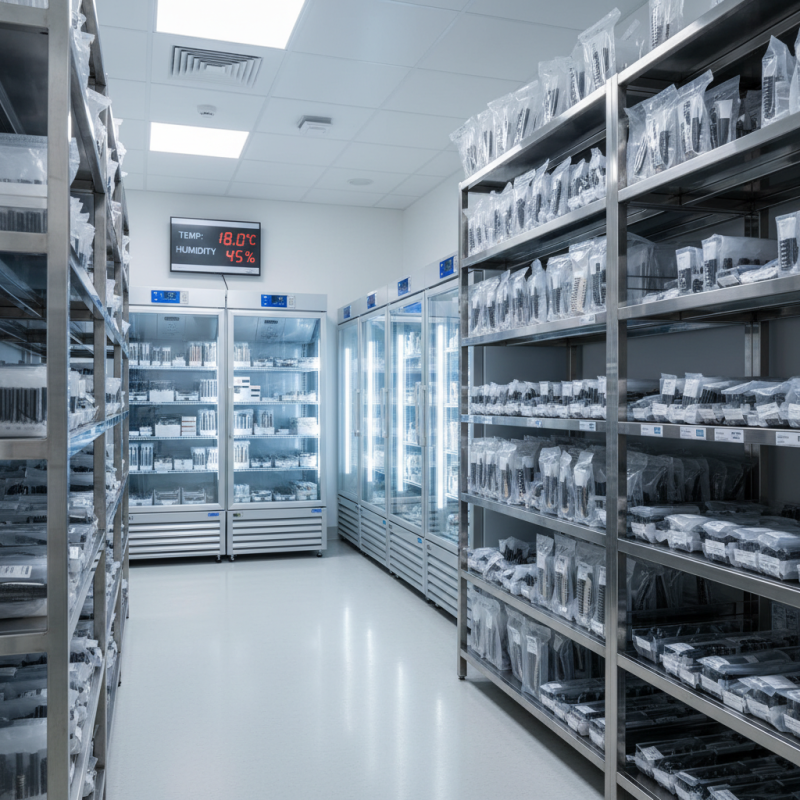
Why Do Orthopedic Implants Require Temperature Controlled Storage?

Importance of Temperature Control in Orthopedic Implant Storage

Temperature control is crucial for orthopedic implant storage. Implants are made from various materials, including metals and polymers. Each material reacts differently to temperature changes. High or low temperatures can alter their properties. For instance, elevated heat may lead to degradation. This can affect the implant's strength and durability.

Proper storage ensures that the implants maintain their integrity. When implants are stored at inappropriate temperatures, there’s a risk of contamination. This could compromise the safety of the device during surgical procedures. Additionally, fluctuating temperatures may induce condensation. This moisture can lead to corrosion.

Many healthcare facilities struggle with maintaining optimal storage conditions. Some have outdated storage systems. Others may lack staff training on temperature monitoring. These issues can lead to potential risks and challenges in patient outcomes. Reflecting on these factors is essential. It highlights the need for continual improvement in storage practices. Prioritizing temperature control can significantly enhance the reliability of orthopedic implants.

Effects of Temperature Variations on Implant Performance

Temperature variations can significantly impact the performance of orthopedic implants. When exposed to extreme heat or cold, the materials can degrade. This affects strength, flexibility, and overall functionality. Inappropriate storage conditions could lead to potential failures after surgical implantation.

Maintaining a controlled environment is crucial for ensuring the integrity of these devices. For example, metal alloys used in implants may undergo changes in their properties. Such changes can lead to issues like corrosion or reduced mechanical strength, which are concerning for patient safety.

Tips: Always check storage guidelines. Monitor temperature and humidity levels regularly. Use calibrated equipment for accuracy. Be mindful of transport conditions, as these can also affect implant quality. Even small temperature fluctuations can have lasting effects. The responsibility lies not just with manufacturers, but also with healthcare providers. They must ensure these standards are upheld diligently.

Potential Risks of Improper Storage Conditions

Improper storage conditions for orthopedic implants can lead to significant risks. These implants are made from sensitive materials that can degrade under inappropriate temperatures. For example, polymers might lose strength or become brittle when exposed to excessive heat. On the other hand, extreme cold can hinder the sterilization process.

When stored incorrectly, implants can also develop moisture issues. This moisture can promote bacterial growth, posing serious health risks for patients. A contaminated implant can lead to infections that necessitate further surgeries.

Even small changes in storage conditions can have serious implications.

Healthcare providers must prioritize the proper storage of orthopedic implants. Monitoring storage temperatures is essential to ensure the safety of implants. However, achieving perfect conditions is challenging. Facilities may face unexpected temperature fluctuations, making continuous evaluation crucial. Regular staff training on handling and storage protocols can enhance reliability.

Guidelines for Maintaining Proper Storage Temperature

Orthopedic implants are sensitive to temperature fluctuations. Maintaining a proper storage temperature is crucial for ensuring their integrity and effectiveness. According to a report by the International Journal of Biomedical Materials Research, exposure to extreme temperatures can accelerate material degradation. This can lead to impaired functionality during surgical procedures.

Implementing strict temperature control measures is vital. The recommended storage range is typically between 15°C to 25°C (59°F to 77°F). Deviating from this range can compromise the sterile packaging. Studies indicate that 35% of implants stored outside these parameters showed signs of material instability. Regular monitoring of storage conditions can prevent potential risks during surgery and improve patient outcomes.

Temperature logging devices should be used for each storage location. These devices provide real-time data, ensuring compliance with storage guidelines. However, many facilities still lack adequate temperature monitoring systems. This oversight raises concerns about the conditions under which implants are stored. Inadequate practices could negatively impact surgical results and patient safety.

Temperature Controlled Storage Requirements for Orthopedic Implants

Proper temperature-controlled storage of orthopedic implants is essential to maintain their integrity and performance. This chart displays the recommended storage durations under various temperature conditions to ensure safety and efficacy.

Impact of Temperature on Implant Longevity and Biocompatibility

Orthopedic implants play a crucial role in many surgical procedures. Their longevity and biocompatibility directly impact patient outcomes. One important factor affecting these characteristics is temperature control during storage. High or fluctuating temperatures can degrade materials, compromising their function.


Temperature can alter the physical properties of implant materials. For example, extreme heat may lead to changes in the polymer structure, reducing its strength. Cold conditions might make the materials brittle over time. Maintaining a stable, controlled temperature ensures that the implants retain their intended performance. This practice reduces the risk of complications during and after surgery.


Tips for storage include keeping the implants in a dedicated, temperature-regulated environment. Regularly check and calibrate storage equipment. Use temperature monitoring devices to track changes. It's essential to understand that improper storage can lead to unforeseen consequences. Each minor lapse can impact a patient's recovery journey negatively. Assessing storage practices regularly can help ensure patient safety and implant effectiveness.

FAQS

: What are the risks of improper storage for orthopedic implants?

: Improper storage can lead to material degradation, moisture issues, and contamination risks.

Why is temperature monitoring important for orthopedic implants?

Temperature affects implant integrity. Monitoring prevents material instability and ensures safety during surgeries.

What temperature range is recommended for storing implants?

The ideal storage temperature is between 15°C to 25°C (59°F to 77°F). Deviations can have serious consequences.

How does extreme temperature affect implant material?

High heat can weaken polymers, while extreme cold may make materials brittle, compromising their function.

What should facilities do to ensure proper storage practices?

Facilities must implement strict temperature control, regular monitoring, and staff training on storage protocols.

What happens if implants are exposed to moisture?

Moisture can foster bacterial growth, leading to infections that may require additional surgeries for patients.

How can temperature logging devices help in storage?

These devices track real-time temperature data, ensuring compliance with safety guidelines and preventing risks.

Why is regular assessment of storage conditions necessary?

Assessing conditions helps identify lapses, which can negatively impact patient outcomes and implant effectiveness.

What can occur if storage practices are overlooked?

Overlooking storage can lead to unforeseen consequences, negatively impacting a patient's recovery process.

How can healthcare providers enhance storage reliability?

Regular training, continuous evaluation, and timely monitoring can enhance the reliability of storage practices.

Conclusion

Orthopedic implants play a crucial role in patient recovery and long-term health, making their proper storage essential. This raises the question: "Why do orthopedic implants need to be stored in temperature-controlled environments?" The storage conditions significantly impact the performance and reliability of the implants. Temperature variations can lead to material degradation, compromising biocompatibility and potentially leading to implant failure.

Improper storage conditions pose several risks, including the alteration of physical properties, which may diminish the longevity of the implants. To mitigate these risks, guidelines for maintaining optimal storage temperatures should be meticulously followed. By ensuring temperature control, healthcare providers can enhance the safety and effectiveness of orthopedic implants, ultimately leading to better patient outcomes.

Oliver

Oliver

Oliver is a seasoned marketing professional with a wealth of expertise in driving brand awareness and engagement. With a deep understanding of our company's product offerings, he consistently delivers high-quality content that enriches our professional blog. His insights not only shed light on......