In the orthopedic implant industry, the practice of requiring pre-payment for custom orders is becoming increasingly common. Reports indicate that 70% of suppliers implement this policy to mitigate financial risks associated with custom manufacturing. The costs of raw materials and production can be substantial, often exceeding initial estimates. Dr. Emily Johnson, a leading expert in orthopedic supply chains, explains: “Pre-payment helps secure our investment in materials and labor before production begins.”
This approach is not just about securing finances. It also reflects the complexity of custom orthopedic solutions. Each order may involve unique specifications, leading to variances in production schedules and costs. The financial outlay required for these customizations can be significant. However, this policy raises questions about accessibility for smaller medical facilities. Many may struggle to make upfront payments, potentially limiting patient access to needed orthopedic care.
The tension between financial security for suppliers and healthcare access for patients is a prevailing issue. As the demand for custom orthopedic implants evolves, so should discussions around payment practices. Balancing these priorities requires thoughtful reflection from all stakeholders in the supply chain. Understanding “Why do orthopedic implants suppliers require pre-payment for custom orders” remains a vital question for the industry.
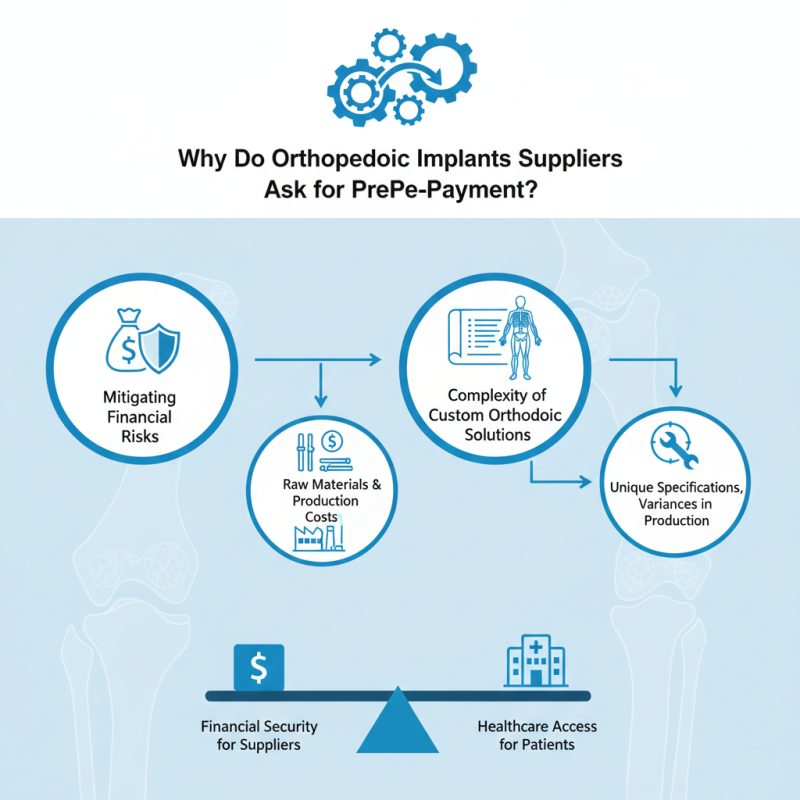
Orthopedic implant supply chains involve complex financial dynamics. Suppliers often request pre-payment to manage risks and ensure cash flow. This process can seem foreign, yet it stems from the industry's high operational costs. Manufacturing implants requires significant investments in materials and technology. Delays in payments can create financial strain for suppliers.
The need for pre-payment is also linked to inventory management. Orthopedic implants often have long lead times. When hospitals order implants, they expect timely delivery for surgeries. Pre-payment allows suppliers to prioritize orders and manage stock effectively. This practice can, however, create a burden on healthcare facilities, especially smaller ones.
**Tips:** Always assess the financial stability of your suppliers. This can prevent disruptions in the supply chain. Consider negotiating payment terms that offer flexibility. Understanding each party’s needs is key to a smoother relationship. Building trust may also help reduce the necessity for upfront payments.
In the realm of orthopedic implants, pre-payment is a common practice. Suppliers often seek this form of payment to mitigate risks. Medical device transactions involve significant investments. These suppliers face challenges such as production costs and market fluctuations. With pre-payments, they secure funds before manufacturing, ensuring cash flow.
Pre-payment reduces financial risk. However, it can create anxiety for hospitals and clinics. They may worry about the lack of guarantee that products will meet their needs. This concern is valid; not all suppliers deliver on quality or timeliness. The transparency of communications is crucial. Suppliers must provide full disclosures about production timelines and potential challenges.
Yet, even with these measures, uncertainties persist. What if a product fails to perform as expected? Or, what if the market demand shifts unexpectedly? Both suppliers and buyers must navigate these waters carefully. It underscores the importance of building trust. Open discussions about risks and expectations can lead to better partnerships. Addressing these pre-payment concerns effectively balances the needs of both parties.
The inventory costs associated with orthopedic implants significantly influence pricing models. Suppliers must maintain a comprehensive stock of diverse implants, which can run high in expenses. According to a recent study, inventory holding costs can account for up to 25% of the total cost of orthopedic implants. Companies often hesitate to invest in extensive inventories due to uncertain demand, leading to increased financial pressure.
Pre-payment requests from these suppliers can be seen as a strategy to mitigate risks related to inventory costs. By obtaining payments upfront, they stabilize cash flow, ensuring they can manage the storage and maintenance of implants more effectively. Additionally, unpredictable market dynamics force suppliers to reconsider their pricing structures. Research indicates that 40% of orthopedic implants become obsolete within five years, adding more stress to their financial models.
As a result, orthopedic implant pricing is not just about manufacturing but also about strategic positioning in a volatile market. Suppliers may struggle with balancing affordability and sustainability. Thus, understanding both cost structures and market dynamics is crucial. Future innovations could aim to reduce inventory needs, yet current practices reflect the ongoing challenges within the industry.
Pre-payment policies among orthopedic implant suppliers have gained traction recently due to several market factors. As competition intensifies, companies are feeling the pressure to establish unique selling points. A study by the Orthopedic Implant Research Institute revealed that over 65% of suppliers now require some form of pre-payment. This change stems from rising material costs and supply chain uncertainties. Such shifts in policy impact the pricing strategies across the industry.
The increasing demand for custom implants also plays a significant role. According to a report from the Global Medical Device Market, the custom orthopedic implant sector is expected to grow by 12% annually. This growth encourages suppliers to request pre-payments as a means of securing upfront capital. Suppliers often reason that pre-payments help mitigate financial risk, but this practice can alienate smaller customers who lack upfront cash. Therefore, while pre-payment policies may stabilize certain aspects of the market, they can also create barriers to entry for smaller medical facilities.
Additionally, evolving regulations concerning product liability may further push suppliers toward pre-payment requests. As legal challenges rise, companies are more cautious. They aim to ensure cash flow before potential litigation outcomes. This cautiousness raises an important reflection on accessibility in healthcare. How can suppliers balance financial security with supporting diverse healthcare providers? The future of pre-payment policies remains complex and warrants ongoing discussion.
Orthopedic implants suppliers face unique challenges that influence their payment structures. Regulatory compliance is crucial in this industry. A report from the Orthopedic Device Industry reveals that nearly 30% of suppliers self-fund their compliance-related expenses. Such investments include quality assurance measures and adherence to complex regulations. This adds pressure for suppliers to seek pre-payment from healthcare providers.
Compliance with regulations such as those set by the FDA can be costly and time-consuming. Suppliers must ensure their products meet stringent safety and efficacy standards. A survey indicated that 70% of manufacturers identify regulatory compliance as a significant financial burden. This environment necessitates a pre-payment approach to mitigate risks related to production and inventory costs.
Tips: When dealing with suppliers, consider discussing payment terms upfront. Transparency can build trust. Additionally, review contractual obligations related to compliance, as these can affect timelines. Regular audits may also ensure adherence and identify areas for improvement. A proactive strategy could help streamline the payment process and enhance overall relationships in this complex landscape.
: Pre-payment helps suppliers manage risks and ensure cash flow due to high operational costs.
They seek to secure funds before manufacturing, ensuring they can cover production costs and manage inventory.
It can create a burden for smaller facilities that may struggle with upfront financial demands.
Hospitals may worry about suppliers not delivering quality products or meeting timelines.
Open communication about production timelines and challenges helps build trust between suppliers and buyers.
High costs and complexities of regulations can increase financial pressure, leading to a reliance on pre-payment.
Assessing suppliers' financial stability and negotiating flexible payment terms can reduce disruptions.
Discuss concerns openly with suppliers and clarify expectations to create a more manageable agreement.
Regular audits can ensure compliance and highlight areas for improvement, enhancing the overall relationship.
This situation creates significant uncertainty; both sides need to navigate risks through careful discussions.
Orthopedic implants suppliers often require pre-payment for custom orders due to several financial and operational dynamics within the medical device industry. This requirement is influenced by the inherent risks associated with medical device transactions, where suppliers face uncertainties around inventory costs and pricing models. Additionally, the competitive landscape shapes pre-payment policies, as suppliers must mitigate financial risks and manage cash flow effectively. Regulatory compliance also plays a critical role in establishing supplier payment structures, ensuring that pre-payment safeguards are in place to support both the supplier’s manufacturing processes and the buyer's investment. Understanding why orthopedic implants suppliers require pre-payment for custom orders reveals the complexities of maintaining a stable and efficient supply chain in this specialized sector.

Axton Orthopedic Implants