Top 10 Reasons Orthopedic Implants Need Fatigue Resistance Tests?

Time:2026-06-28 Author:Mason
0%

Orthopedic implants play a crucial role in modern medicine. They help restore function and improve quality of life for many patients. However, these devices face significant stresses during daily activities. This leads us to the question: Why do orthopedic implants need to pass fatigue resistance tests?

Fatigue resistance tests ensure that implants can withstand repeated loading over time. Without rigorous testing, failures may occur, resulting in severe consequences for patients. Such failures can lead to pain, additional surgeries, and loss of mobility. Each implant must endure specific conditions that mimic real-life scenarios. Doctors and engineers must collaborate to develop reliable solutions. Yet, the complexities of human motion make it challenging.

Consider the fact that not all implants perform equally under stress. Variations in materials and manufacturing processes can affect durability. Some implants may show signs of failure after only a few months. This raises concerns about their long-term reliability. Therefore, ongoing tests and improvements are essential. Fatigue resistance is a critical factor in addressing these challenges and ensuring patient safety.
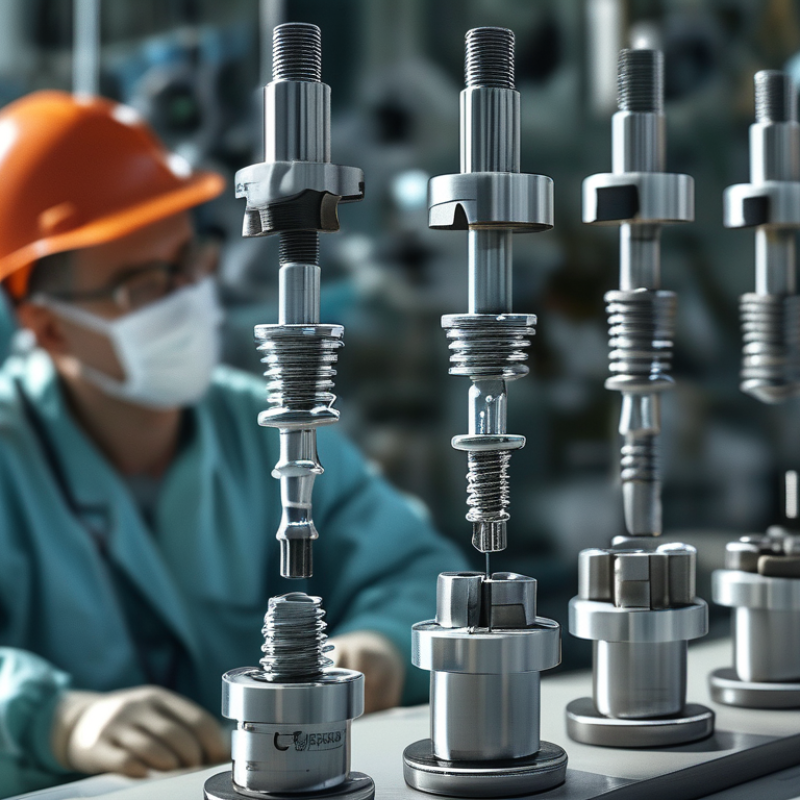
Top 10 Reasons Orthopedic Implants Need Fatigue Resistance Tests?

Importance of Fatigue Resistance in Orthopedic Implants

The importance of fatigue resistance in orthopedic implants cannot be overstated. Implants endure repetitive loads during daily activities. Over time, these loads can lead to material fatigue. This process can cause fractures or failures in the implant. The consequences can be severe for patients, leading to additional surgeries or prolonged recovery.

Conducting fatigue resistance tests is crucial. These tests simulate the conditions implants will face in real life. Engineers analyze how materials behave under stress. They assess critical factors like the number of cycles and load applied. Testing not only measures strength but also identifies potential weaknesses. Interestingly, some materials may perform well under static loads but fail under fatigue. This discrepancy must be addressed.

It's essential to learn from failures in testing. Analyzing past implant failures provides insights into design improvements. While current standards exist, there’s always room for better methods. Continuous research is needed to enhance fatigue resistance. The ultimate goal is to ensure the longevity and safety of orthopedic implants. This ongoing commitment is vital for better patient outcomes.

Understanding the Effects of Repeated Stress on Implants

Orthopedic implants are subjected to repeated stress during daily activities. This stress can lead to material fatigue, which compromises the implant's integrity. Research indicates that approximately 30% of failed implants are due to fatigue-related issues. These failures often manifest after extended periods, making them critical in patient outcomes.

The effects of repeated stress on implants can vary significantly. Studies show that small variations in activity levels can accelerate fatigue. Moreover, materials like titanium and cobalt-based alloys exhibit different fatigue properties. Understanding these differences is essential. Regular testing for fatigue resistance ensures that implants can withstand the forces they endure in real life.

The implications of inadequate fatigue testing are serious. A lack of rigorous testing may lead to premature failure, resulting in the need for revision surgeries. These procedures can increase healthcare costs significantly. Data from the American Academy of Orthopaedic Surgeons suggests that unplanned revisions raise costs by up to 50%. Thus, fatigue resistance tests are vital. They not only improve patient safety but also contribute to overall healthcare efficiency.

Common Causes of Fatigue Failure in Orthopedic Devices

Orthopedic devices are critical in patient recovery. However, these implants often face fatigue failures. Understanding common causes can help enhance their reliability. One major factor is the cyclic load during daily activities. This repeated stress can lead to material fatigue. Micro-cracks gradually develop, compromising the integrity of the device.

Another significant contributor is improper design. An implant that doesn’t consider stress distribution may fail prematurely. For example, sharp corners or notches can become initiation points for cracks. Similarly, using the wrong materials can also increase vulnerability to fatigue. Manufacturing defects can introduce weaknesses that are not easily visible.

**Tip:** Always consult with experts to select designs that suit individual patient needs.

Moreover, environmental factors should not be neglected. Corrosion due to bodily fluids can weaken the material over time. This deterioration often leads to failure unexpectedly. Understanding these causes is key in improving the longevity of orthopedic implants.

**Tip:** Regular monitoring of implant conditions can catch early signs of failure.

Enhancing fatigue resistance is essential for orthopedic implants. Without rigorous testing, we may overlook critical factors. A comprehensive approach can significantly reduce the risk of fatigue-related failures.

Top 10 Reasons Orthopedic Implants Need Fatigue Resistance Tests

This chart illustrates the top ten reasons why orthopedic implants require fatigue resistance tests, highlighting the key factors that can lead to fatigue failure in these devices. Understanding these reasons is crucial for improving the durability and safety of implants.

Regulatory Standards for Fatigue Testing in Orthopedics

Fatigue resistance tests are essential for orthopedic implants. These tests help ensure that implants can endure repeated loads without failure. Regulatory standards for fatigue testing require manufacturers to demonstrate the safety and effectiveness of their products. Meeting these standards is crucial for patient safety.

Testing involves simulating the stresses implants will face in the human body. This process identifies weaknesses in design or materials. Regulatory bodies assess these tests thoroughly. They look for compliance with established protocols. The goal is to ensure implants will perform reliably over time.

Tips: Always consider the importance of fatigue testing in the design phase. Engaging with experts early can guide effective testing strategies. Be aware of the evolving regulatory standards. Staying informed helps ensure compliance and enhances patient safety. Additionally, regular review of test protocols is vital to maintain high-quality outcomes.

Innovations in Fatigue Testing Methods for Better Outcomes

Fatigue resistance testing for orthopedic implants is critical. Innovations in testing methods have made great strides. Advanced techniques allow for more accurate results. They provide insights that were previously unattainable. High-tech equipment can simulate real-life conditions. This helps predict how implants will perform over time.

Current methods still have limitations. Some tests may not fully mimic the human body. The complexity of human anatomy means standardized tests can fall short. Research continues to improve these methods. New materials and designs also influence outcomes. Continuous testing helps uncover unexpected failures. Embracing these advancements is vital for developing safer, more reliable implants.

Understanding the testing process is key. Fatigue tests measure the durability of materials. They gauge how quickly an implant may wear out. By refining these techniques, experts aim to enhance patient outcomes. However, the journey toward perfection is ongoing. There’s always room for improvement in the testing landscape. Each innovation leads to a deeper understanding of implant performance.

FAQS

: What causes fatigue failure in orthopedic implants?

: Fatigue failure often stems from cyclic loading during daily activities, leading to material fatigue. Micro-cracks can develop over time.

How important is fatigue testing for implants?

Fatigue testing is crucial. It ensures implants can withstand repeated stress, improving patient safety and preventing premature failures.

What materials are commonly used in implants?

Titanium and cobalt-based alloys are common. Each material has different fatigue properties, affecting the implant's longevity.

Can the design of an implant lead to failure?

Yes, improper design makes implants vulnerable. Sharp corners or poor stress distribution can initiate cracks, leading to early failure.

How does environmental factors affect implants?

Corrosion from bodily fluids can weaken implants over time. This deterioration may result in unexpected failures if unchecked.

What innovations are being made in fatigue testing?

New testing methods simulate real-life conditions. Advanced techniques provide deeper insights into how implants perform over time.

Is current fatigue testing adequate for all scenarios?

Current tests have limitations. They might not fully mimic human anatomy, which is complex and variable in conditions.

How can patient outcomes be improved through testing?

By refining fatigue testing techniques, we can enhance the durability of implants, leading to better patient outcomes and fewer surgeries.

Is there ongoing research in this area?

Yes, research continues to improve testing methods and materials, aiming for safer and more reliable orthopedic implants.

What might be the consequences of inadequate testing?

Inadequate testing can lead to premature failures, increased healthcare costs, and the need for revision surgeries.

Conclusion

Orthopedic implants play a crucial role in enhancing the quality of life for patients, making it essential to ensure their reliability and longevity. This leads us to the question, "Why do orthopedic implants need to pass fatigue resistance tests?" The repeated stress that implants endure in the body can lead to fatigue failure, a significant concern that necessitates rigorous testing. Understanding how these stresses impact implants aids in predicting their durability and safety.

Moreover, various factors can contribute to fatigue failure in orthopedic devices, such as material fatigue, design flaws, and improper implantation techniques. Regulatory standards mandate appropriate fatigue testing to guarantee that these devices can withstand the rigors of daily use. Furthermore, innovations in fatigue testing methods enhance the accuracy of assessments, ensuring better patient outcomes. Therefore, thorough fatigue resistance testing is critical for the development of safe and effective orthopedic implants.

Mason

Mason

Mason is a seasoned marketing professional with a deep expertise in the company's offerings and a passion for driving brand awareness. With a strong background in digital marketing strategies, he has an innate ability to connect with diverse audiences and effectively communicate product benefits.......