Evaluating the production capacity of orthopedic implant manufacturers is crucial in today's competitive healthcare market. With an increasing demand for innovative implants, understanding a manufacturer’s ability to meet this demand is essential. According to a 2022 industry report by Smith & Johnson Research, production capacity can impact not only delivery times but also the quality of care for patients undergoing orthopedic procedures.
Dr. Emily Carter, a leading expert in orthopedic device manufacturing, emphasized that "a manufacturer’s capacity is a direct indicator of their ability to innovate and respond to market changes." This sentiment highlights the importance of assessing various factors, such as machinery capabilities, workforce skill levels, and supply chain efficiency.
In a field where precision and reliability are paramount, the complexities of evaluating manufacturing capacity require careful attention. Factors such as production workflows, compliance with regulatory standards, and quality control processes must be considered. Organizations often encounter challenges in gathering reliable data. This highlights the need for a systematic approach to measure capabilities accurately. Understanding "how to evaluate the production capacity of orthopedic implants manufacturers" requires both technical knowledge and market insight.
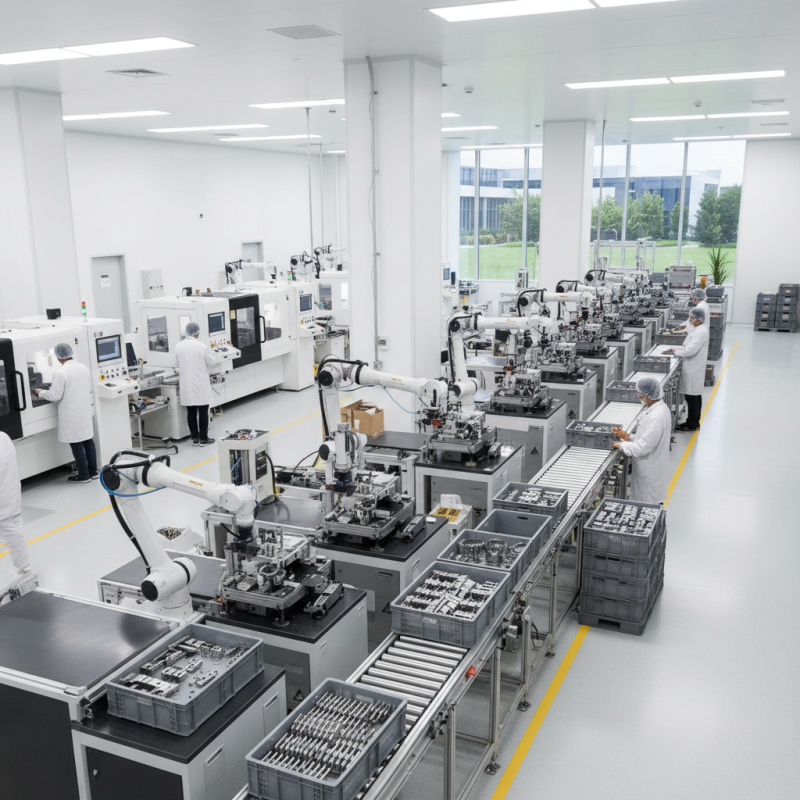
Evaluating the production capacity of orthopedic implant manufacturers involves various factors that reflect their operational efficiency. A key element is machinery capability. Complex implants need advanced equipment, influencing both volume and precision. According to a recent industry report, manufacturers with state-of-the-art technology can produce up to 30% more implants than those relying on older systems.
Another critical factor is workforce expertise. Skilled personnel improve production quality and speed, ensuring that each implant meets stringent medical standards. Data shows that companies prioritizing training enjoy a 25% reduction in error rates. Additionally, flexible workforce allocations can adapt to demand fluctuations. This adaptability is essential for managing unexpected peaks in market needs.
**Tip:** Regular audits of production equipment can discover hidden inefficiencies. Investing in workforce development is equally important. Skilled labor can reduce waste and increase output reliability. Remember, innovation in processes often yields better results than sheer volume.
When assessing manufacturing capabilities of orthopedic implant manufacturers, focus on facility conditions and equipment. Adequate facility design is crucial. It should support efficient workflows and comply with industry standards. Look for cleanrooms and separation of processes like assembly and sterilization. A well-organized layout can minimize errors.
Next, evaluate the machinery used in production. Investigate if the equipment is up-to-date and regularly maintained. Innovative technology can enhance precision in manufacturing. However, some manufacturers may cut costs by using outdated machines. This can lead to quality issues. Pay attention to the calibration records of tools. Frequent checks ensure accuracy, which is vital for patient safety.
Additionally, consider the training level of staff. Skilled operators can maximize production efficiency. However, there can be gaps in training programs. Observe if there are ongoing education opportunities for employees. This can reflect a commitment to continuous improvement. It's important to remember that a manufacturer’s capacity isn't just about numbers. It’s about their dedication to creating safe, reliable products.
When evaluating orthopedic implant manufacturers, analyzing workforce skills and experience is fundamental. Skilled labor directly affects production quality and efficiency. According to a recent industry report by the International Orthopedic Research Society, about 70% of manufacturing defects stem from inadequate worker training. This statistic underscores the significance of a knowledgeable workforce in the production line.
Experience plays a crucial role in achieving high production standards. Workers experienced in orthopedic implant production are more adept at problem-solving. The same report highlights that companies with a workforce averaging over five years in the industry reduce error rates by nearly 30%. This points to the necessity of hiring experienced personnel to maintain consistent quality.
Moreover, evolving technologies demand continuous learning. Manufacturers must invest in training initiatives. However, only 40% of firms reported offering ongoing training programs. This gap can lead to skills stagnation, hindering innovation. Consequently, companies overlooking workforce development risk falling behind in the competitive landscape. Evaluating a manufacturer’s commitment to skills enhancement is essential for ensuring robust production capabilities.
| Manufacturer | Annual Production Capacity (Units) | Workforce Size | Average Experience (Years) | Quality Control Certifications |
|---|---|---|---|---|
| Manufacturer A | 500,000 | 150 | 10 | ISO 9001 |
| Manufacturer B | 750,000 | 250 | 8 | ISO 13485 |
| Manufacturer C | 600,000 | 180 | 9 | CE Mark |
Evaluating the supply chain management of orthopedic implant manufacturers is crucial. A well-organized supply chain ensures timely delivery and quality products. Key factors include lead times, supplier reliability, and transportation logistics. Understanding these elements can reveal potential risks in production capacity.
Material availability is another critical aspect. The right materials must be accessible to maintain manufacturing standards. Shortages can lead to delays and affect overall production. Manufacturers should establish strong relationships with suppliers. This ensures consistent access to necessary materials.
However, challenges remain. Economic fluctuations can impact material costs. Global events may disrupt supply chains unpredictably. It's essential for manufacturers to have contingency plans. Regular assessments of supply chain strategy can help identify vulnerabilities. This proactive approach enables better preparedness for unforeseen disruptions.
This chart represents the estimated production capacity of various orthopedic implant manufacturers based on supply chain management and material availability metrics. The data reflects the number of implants produced per month for different categories:
Evaluating the production capacity of orthopedic implant manufacturers is crucial. A strong quality control (QC) process directly influences this capacity. According to industry reports, around 25% of product recalls stem from inadequate QC measures. This statistic reveals the importance of assessing how manufacturers implement and maintain their QC processes.
Manufacturers should adopt rigorous testing protocols. This includes using ISO 13485 standards that address the quality management systems in medical devices. Regular audits can also identify weaknesses in production lines. It's essential to ensure that the materials used meet biocompatibility standards. A focus on continuous improvement in QC processes can significantly enhance production efficiency.
**Tip:** Review a manufacturer’s failure rates. A low failure rate often indicates robust QC measures in place.
Moreover, the use of advanced technologies like real-time monitoring systems can streamline quality checks. Such systems can track metrics that help in predicting potential production flaws. Unfortunately, many manufacturers lag in adopting these technologies, risking inconsistencies in output quality.
**Tip:** Stay informed on the latest tech trends in quality control. This knowledge can guide better partnerships.
: Machinery capability and workforce expertise are critical. Advanced equipment boosts volume and precision.
State-of-the-art technology can increase production by up to 30%. Older systems may limit output and quality.
Skilled personnel improve quality and speed. Companies that prioritize training see a 25% reduction in errors.
Flexible workforce allocations are essential. This adaptability helps manage unexpected market demands effectively.
Focus on facility design and equipment conditions. Cleanrooms and organized layouts reduce errors and improve efficiency.
Regularly maintained machinery enhances precision. Using outdated machines can lead to quality issues over time.
Skilled operators optimize production. Gaps in training can hinder overall operational performance.
Regular audits can uncover hidden inefficiencies. They ensure that equipment and processes are meeting required standards.
Continuous training reflects a commitment to improvement. It helps maintain high production standards and safety.
Cutting costs on equipment or training can lead to quality problems. Prioritizing innovation over sheer volume is vital.
Evaluating the production capacity of orthopedic implant manufacturers involves a comprehensive analysis of several key factors. First, understanding the factors affecting production capacity—such as facility size, technology used, and production methods—is crucial. Additionally, methods for assessing manufacturing facilities and equipment can provide insights into operational efficiency and capability. A focused evaluation of the workforce's skills and experience is also vital, as it directly impacts the quality and reliability of the output.
Furthermore, supply chain management plays a significant role in determining production capacity, with material availability being a critical aspect. Lastly, reviewing quality control processes ensures that the manufacturer not only meets production targets but also adheres to the necessary standards for safety and efficacy. By systematically addressing these areas, one can effectively determine how to evaluate the production capacity of orthopedic implants manufacturers.

Axton Orthopedic Implants