Ensuring the proper sterilization of orthopedic implants before shipping is crucial to patient safety. Dr. Emily Carter, a leading expert in sterilization processes, emphasizes, "The integrity of sterilization can’t be taken for granted." Every step in the sterilization process matters and should be double-checked.
When discussing how to check if orthopedic implants are properly sterilized before shipping, it is essential to consider both the methods used and the outcomes achieved. Confirmation through biological indicators can provide real-time assurance. Furthermore, meticulous record-keeping of sterilization parameters ensures transparency and traceability.
While standards exist, they can sometimes be overlooked during busy production schedules. It's easy to assume that everything is in order, leading to complacency. Regular audits and staff training are vital to bridge any gaps. This dedication ensures that each implant is safe and ready for use, ultimately protecting patients and enhancing outcomes.
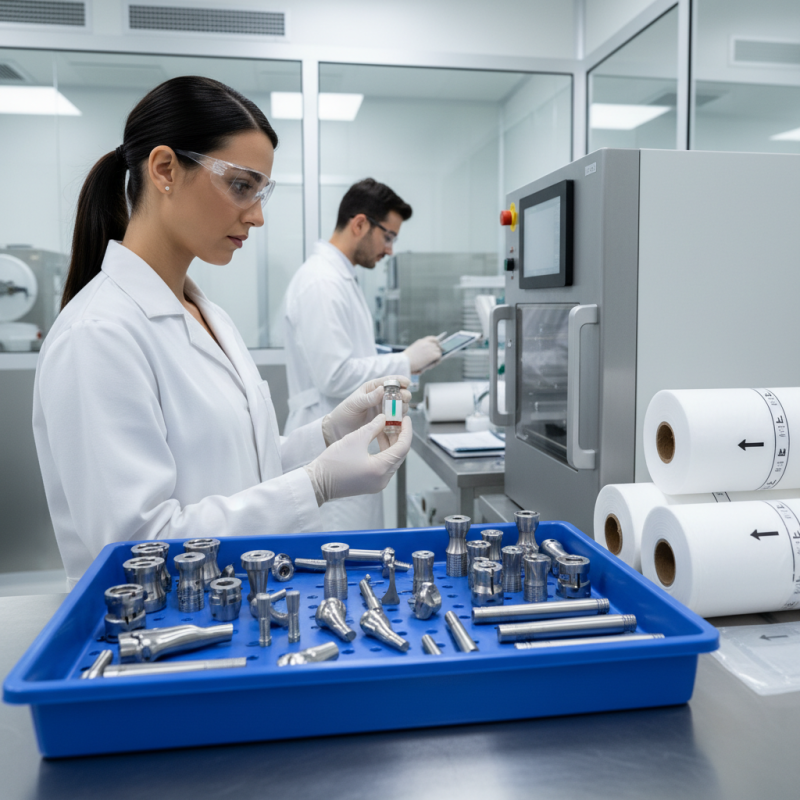
The importance of sterilization for orthopedic implants cannot be overstated. In the medical field, particularly in orthopedics, the risk of infections from contaminated implants is critical. According to the Centers for Disease Control and Prevention (CDC), surgical site infections increase the risk of extended hospital stays and higher morbidity rates. Infections can complicate recovery, leading to further surgeries and increased healthcare costs.
Proper sterilization techniques are vital to mitigate these risks. A report by the World Health Organization (WHO) emphasizes that effective sterilization methods can reduce infection rates significantly. For instance, steam sterilization at the correct pressure and temperature is essential for ensuring that implants are safe for patient use. Yet, a surprising statistic shows that about 50% of instruments in some hospitals are not adequately sterilized before surgery. This highlights the need for stringent protocols.
Furthermore, there can be variability in sterilization practices across facilities, leading to inadequate procedures. Some facilities may rely on outdated sterilization techniques or may not adhere strictly to recommended guidelines. This inconsistency poses a significant risk to patient safety and underscores the need for continuous training and evaluation of sterilization protocols within orthopedic practices. Regular audits and adherence to updated standards are critical to maintaining implant safety.
| Sterilization Method | Effectiveness (%) | Advantages | Disadvantages |
|---|---|---|---|
| Steam Sterilization (Autoclaving) | 99.99% | Effective for most materials, Low cost | Possible corrosion, Not suitable for heat-sensitive items |
| Ethylene Oxide (EtO) Sterilization | 99.9% | Good for heat-sensitive materials, Penetrates packaging | Long cycle time, Toxicity concerns |
| Gamma Radiation Sterilization | 99.9999% | Effective for various materials, Fast processing | High cost, Limited to specific types of materials |
| Plasma Sterilization | 99.99% | Low temperature, Eco-friendly | Limited to specific materials, Higher cost |
: Sterilization prevents infections from contaminated implants, which can complicate recovery and increase healthcare costs.
Common methods include steam sterilization, ethylene oxide gas, and hydrogen peroxide gas plasma.
Steam sterilization is effective at high temperatures but may not suit all implant materials.
It effectively penetrates packaging but requires careful aeration to remove harmful residues.
Its efficacy on certain materials is still being researched, making it less reliable for now.
Medical-grade paper and polyethylene film provide good barriers against contamination and support sterilization.
About 15% of products may become compromised due to inadequate protective measures during shipping.
Inconsistent labeling can cause mishandling, contributing to about 10% of errors in surgeries.
They should focus on packaging integrity and proper documentation to ensure implant safety.
Continuous training and regular audits are necessary for improving safety and effectiveness in sterilization methods.
Proper sterilization of orthopedic implants is crucial to prevent infections and ensure patient safety. Understanding the importance of sterilization is the first step, which includes familiarizing oneself with common sterilization methods such as steam sterilization, ethylene oxide, and radiation. It is essential to establish clear guidelines for monitoring these processes to ensure effectiveness. Packaging requirements must also be adhered to, as they play a vital role in maintaining sterility during transit.
When considering "how to check if orthopedic implants are properly sterilized before shipping," it is important to implement best practices that include routine validation of sterilization equipment and procedures, as well as regular checks of sterilization indicators. Proper documentation and adherence to shipping protocols further ensure that the implants remain sterile until they reach their destination. By following these guidelines, healthcare providers can confidently deliver safe and effective orthopedic implants to their patients.

 Axton Orthopedic Implants