Choosing the Right Orthopedic Implants for Hand and Foot Trauma?

Time:2026-05-01 Author:Sienna
0%

When addressing the complex topic of orthopedic implants for hand and foot trauma, selecting the right materials and designs is crucial. According to a report by the American Academy of Orthopaedic Surgeons, nearly 20% of traumatic injuries affect the hand and foot regions. Therefore, understanding "How to choose orthopedic implants for hand and foot trauma cases" is essential. Dr. Emily Carter, a renowned orthopedic surgeon, emphasizes, "The choice of implants can significantly influence the healing trajectory and overall functionality."

The decision-making process often involves various factors. Patient demographics, injury specifics, and implant materials play significant roles. Inadequate choices can delay recovery or lead to complications. For example, using a suboptimal implant may hinder mobility, impacting a patient's quality of life. Yet, many practitioners report uncertainty when selecting from numerous options available in the market. Expert guidance is vital in navigating these choices effectively.

With ongoing advancements in surgical techniques and implant technology, the landscape continues to evolve. The importance of evidence-based decision-making cannot be overstated. Reflecting on previous cases can provide valuable insights, highlighting both successes and shortcomings in implant selection. Addressing these challenges will enhance outcomes in future trauma cases, ultimately benefiting patient care.
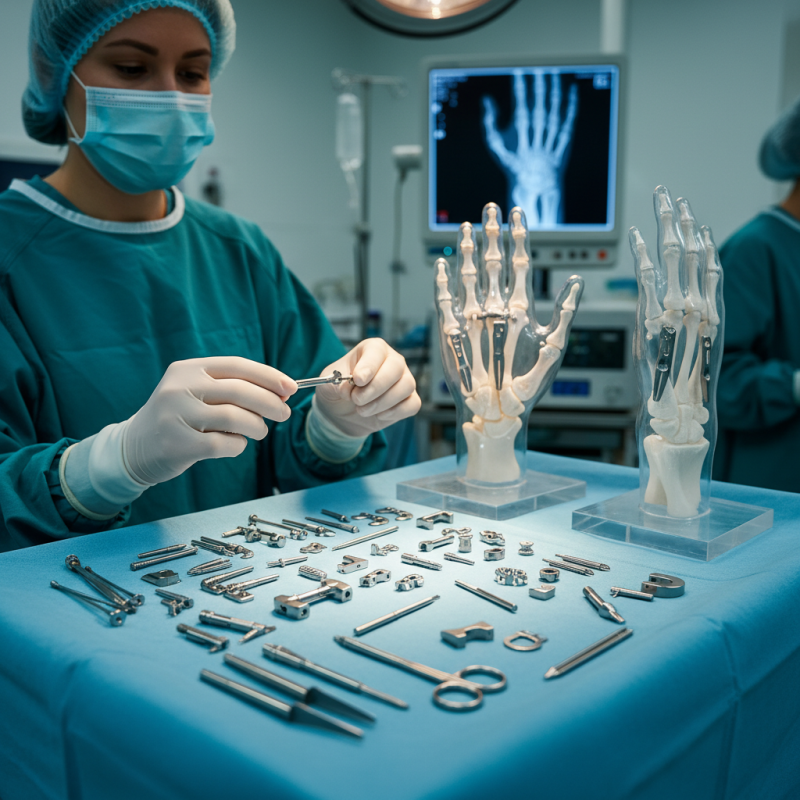
Choosing the Right Orthopedic Implants for Hand and Foot Trauma?

Understanding Hand and Foot Trauma: Types and Common Injuries

Hand and foot trauma encompasses various injuries, each with unique challenges. Common types include fractures, tendon injuries, and ligament tears. A study from the Journal of Hand Surgery reveals that finger fractures account for nearly 40% of hand injuries. These can occur from falls, sports, or accidents. Proper understanding of these injuries is crucial for effective treatment.

Moreover, foot trauma is also prevalent. According to the American Orthopaedic Foot & Ankle Society, around 2.2 million people suffer foot injuries annually in the United States. These often stem from sprains, fractures, or conditions like plantar fasciitis. The delicate structure of the foot makes treatment complex, highlighting the need for specialized orthopedic care.

In both cases, patient outcomes depend greatly on the selection of appropriate orthopedic implants. Not all implants are suitable for every injury. Surgeons must consider factors like the patient's age, activity level, and the specific nature of the trauma. The decision-making process requires expertise and careful consideration. Not all choices may yield the best results, necessitating ongoing evaluation and reflection on treatment efficacy.

Choosing the Right Orthopedic Implants for Hand and Foot Trauma

Injury Type Common Symptoms Recommended Implants Recovery Time
Fractured Finger Swelling, pain, inability to move Metal Pins, Plates 4-6 weeks
Wrist Fracture Pain, bruising, difficulty using hand Screws, Plates 6-8 weeks
Ankle Sprain Swelling, bruising, limited mobility No implants needed, but braces are common 2-4 weeks
Toe Fracture Pain, swelling, discoloration Metal Pins 3-6 weeks
Metatarsal Fracture Pain on top of foot, swelling Screws, Plates 6-8 weeks

The Role of Orthopedic Implants in Injury Management

Orthopedic implants play a crucial role in managing hand and foot trauma. These devices support healing and restore function. They stabilize fractures and assist in the recovery process. Choosing the right implant is essential for optimal outcomes. Factors such as the type of injury and patient anatomy must be considered.

Tips: Always consult with an orthopedic specialist. They can suggest the most suitable options based on your condition. Review both the benefits and risks of each implant type. Sometimes, the best choice is not the most popular one.

Advancements in implant technology improve patient outcomes. However, not every implant will work for every patient. Personalized treatment plans are important. An evaluation of bone quality and the nature of the injury can guide decisions. Remember, patient feedback is vital in understanding implant performance.

Tips: Keep a journal of your recovery process. Note any pain levels or discomfort you experience. This information can be beneficial for follow-up appointments and adjustments to your treatment.

Factors to Consider When Choosing Orthopedic Implants

When it comes to selecting orthopedic implants for hand and foot trauma, several factors play a crucial role. The specific nature of the injury greatly influences the choice. For example, fractures can vary in complexity. Some may require plates and screws, while others may only need pins. Surgeons must assess the stability and alignment of the bones involved.

Patient factors are equally important. Age, overall health, and activity level all affect the healing process. Older patients may have slower recovery times and may not tolerate certain materials well. On the other hand, active individuals may need more robust implants that can withstand higher stresses. Doctors often weigh these considerations against the potential for complications.

The type of implant material is another vital consideration. Options include titanium, stainless steel, and bioabsorbable implants. Each material has strengths and weaknesses. For instance, titanium is known for strength. However, its biocompatibility may not suit every patient. Not every choice is ideal, and ongoing research continues to refine these decisions. Each surgery is a chance to learn and improve techniques for better outcomes.

Types of Orthopedic Implants for Hand and Foot Surgery

When dealing with hand and foot trauma, selecting the right orthopedic implants is crucial. Different types of implants serve various purposes. Plates, screws, and rods help stabilize broken bones. Pins and wires are often used for smaller structures. Each implant type comes with its unique advantages and limitations.

Choosing the correct implant is not always straightforward. Surgeons must consider the patient's condition and the type of injury. Some implants may not provide adequate support for complex fractures. Regular follow-up is essential to assess healing and function. Adjustments might be needed based on recovery progress.

Tips: Always communicate with your surgeon. Understand why a particular implant is chosen. It’s also important to ask about potential risks. Being informed can reduce anxiety. Consider seeking a second opinion if unsure. This approach allows for a more comprehensive understanding of treatment options.

Post-Operative Care and Rehabilitation After Implant Surgery

Post-operative care and rehabilitation are crucial for successful recovery after orthopedic implant surgery for hand and foot trauma. A recent study indicated that nearly 25% of patients experience complications if post-operative guidelines are not strictly followed. It highlights the need for effective management plans. Proper monitoring of the surgical site is essential. Patients should inspect for swelling, redness, or unusual pain. These signs can indicate infections or complications.

Rehabilitation often begins within days of surgery. Physical therapists emphasize gentle range-of-motion exercises. Early mobilization can prevent stiffness and improve outcomes. According to the American Academy of Orthopaedic Surgeons, patients typically regain about 80% of their function within three months with proper adherence to rehabilitation protocols. However, some may not reach this level, causing concern. The emotional journey can be just as taxing, requiring mental resilience alongside physical healing.

Patient education plays a vital role in recovery. Clear communication about exercises and activity restrictions can enhance compliance. Many patients underestimate the time needed for full recovery. Regular follow-ups with healthcare providers allow for adjustments in rehabilitation plans. This process supports healing and reduces the risk of long-term issues. Each individual’s journey can vary significantly, emphasizing the importance of tailored post-operative care.

FAQS

: What factors influence the choice of orthopedic implants?

: The nature of the injury is crucial. Fractures vary in complexity and may need different implants.

Why are patient-specific factors important in implant selection?

Age and health affect healing. Active patients may need stronger implants. Recovery speed can vary greatly.

What types of implant materials are available?

Options include titanium, stainless steel, and bioabsorbable implants. Each has strengths and weaknesses to consider.

How does titanium perform as an implant material?

Titanium is strong and widely used. However, not all patients tolerate it well due to biocompatibility issues.

What is the importance of post-operative care?

Effective post-operative care can prevent complications. About 25% of patients face issues without proper guidelines.

What should patients monitor after surgery?

Look for swelling, redness, or unusual pain. These can signal infections or complications needing attention.

How soon should rehabilitation begin after surgery?

Rehab often starts within days. Gentle exercises help prevent stiffness and improve recovery outcomes.

How much function can patients regain after surgery?

With proper rehabilitation, many regain about 80% function within three months. Some individuals may struggle more.

What role does patient education play in recovery?

Clear communication on exercises and restrictions boosts adherence. Many underestimate recovery time necessary for healing.

Why are regular follow-ups important?

Follow-ups help adjust rehabilitation plans. They ensure healing progresses well and reduce long-term issues.

Conclusion

Choosing the right orthopedic implants for hand and foot trauma is crucial for effective recovery and rehabilitation. Understanding the different types of hand and foot injuries, along with the specific requirements of orthopedic implants, is essential for optimal injury management. This article outlines the various types of injuries commonly associated with hand and foot trauma, highlighting the critical role of orthopedic implants in stabilizing fractures and facilitating proper healing.

When considering how to choose orthopedic implants for hand and foot trauma cases, several factors must be taken into account, such as the nature of the injury, the patient's age, activity level, and overall health. The article also discusses different types of implants used in surgeries, providing insights into their functions and benefits. Following the surgical procedure, appropriate post-operative care and rehabilitation strategies are vital in ensuring a successful return to regular activities.

Sienna

Sienna

Sienna is a skilled marketing professional with a deep expertise in our company’s core products and services. With a passion for innovation and detail, she plays a pivotal role in crafting insightful blog posts that not only highlight the unique features of our offerings but also provide valuable......