How to Choose Orthopedic Implants for Maxillofacial Trauma?

Time:2026-05-16 Author:Oliver
0%

Choosing the right orthopedic implants for maxillofacial trauma procedures is crucial. It directly affects patient recovery and rehabilitation. Surgeons face many options. Each implant comes with its own set of benefits and challenges. Understanding these factors is essential.

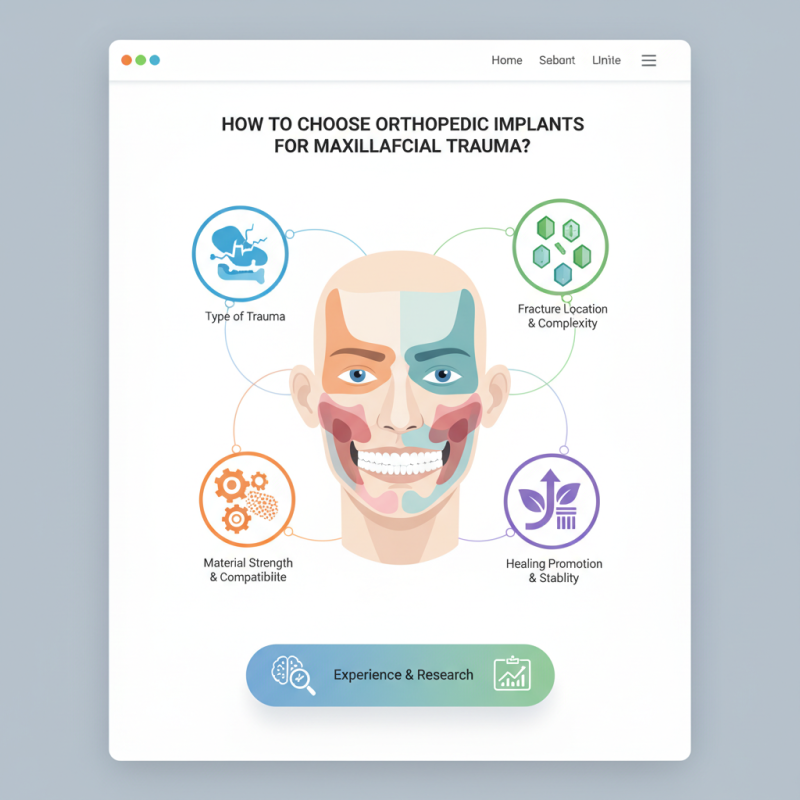
Surgeons must consider several key elements. The type of trauma influences implant selection. The fracture's location and complexity matter. Material strength and compatibility with the patient's anatomy play significant roles. Each implant should promote healing while ensuring stability.

Experience and research guide implant choices. Surgeons must stay updated on advancements. Continuous learning is vital in this evolving field. Reflection on past procedures can inform better decisions. Understanding patient-specific needs should drive selection. This careful consideration will lead to better outcomes.
How to Choose Orthopedic Implants for Maxillofacial Trauma?

Understanding Maxillofacial Trauma and Its Implications

Maxillofacial trauma often involves fractures and soft tissue injuries to the face. Understanding the nature of these injuries is crucial for effective treatment. Accidents, sports injuries, and violence can lead to complex cases requiring careful assessment. The implications of such trauma are not just physical; they can also impact a patient's mental well-being and quality of life.

In selecting orthopedic implants for these injuries, factors like bone quality and fracture location play essential roles. Surgeons often face challenges in matching the implant type to the specific injury. For instance, the choice between titanium and biodegradable materials can depend on both the healing time and the patient’s lifestyle. Each case requires a personalized approach to ensure stability and restoration of function.

Effective communication with the patient is vital. Patients must understand the risks and benefits of different implant options. This transparency builds trust and allows for informed decisions. Yet, despite meticulous planning, complications can arise. Surgeons must be prepared for unexpected outcomes and adjust their strategies accordingly. This readiness to adapt highlights the complex nature of treating maxillofacial trauma.

Types of Orthopedic Implants Used in Maxillofacial Surgery

When it comes to maxillofacial surgery, choosing the right orthopedic implants is crucial. Several types of implants are commonly used. Plates and screws dominate the landscape. These devices stabilize bone fractures effectively. They come in various materials, including titanium and resorbable options. Each material has its unique properties and applications. Surgeons often select based on the specific injury and patient needs.

Another essential type is the mesh implant, used for facial reconstruction. These are vital for restoring form and function in cases of severe trauma. They create scaffolding for tissue regeneration. However, the choice of mesh should consider biocompatibility and integration with surrounding tissues. Each surgery holds its challenges. Surgeons must weigh the pros and cons of each type.

An often-overlooked aspect is the potential for complications. Improper selection may lead to issues, such as infection or improper healing. Surgeons constantly reflect on outcomes to improve techniques and implant choices. They must stay updated on advancements in materials and technologies. This ongoing education is vital for successful surgeries.

Factors to Consider When Selecting Orthopedic Implants

Selecting orthopedic implants for maxillofacial trauma involves understanding several crucial factors. Patient anatomy significantly influences implant choice. Each patient’s unique bone structure requires a customized approach. A thorough imaging assessment helps identify the best fit for individual needs. In some cases, 3D imaging is beneficial. It allows surgeons to visualize complex fractures more clearly.


Material selection is another critical aspect. The implant must offer sufficient strength and biocompatibility. Materials like titanium are commonly used due to their durability. However, the body’s reaction can vary. Some patients may experience complications, such as inflammation or allergic reactions, necessitating careful consideration.


Surgeons also must account for the intended purpose of the implant. Restoring function and aesthetics is vital. The desired outcome may influence whether to use plates, screws, or meshes. Each option has pros and cons. Evaluating the potential for infection or implant failure is essential. Regular follow-ups post-surgery help in monitoring and addressing any unforeseen issues. Balancing these factors is challenging. Continuous learning and reflection on past experiences enhance decision-making in this critical area of healthcare.

Techniques for Implant Fixation in Maxillofacial Trauma Cases

When treating maxillofacial trauma, implant fixation requires careful consideration. Surgeons often face unique challenges. Each case varies in complexity. Understanding the individual needs of the patient is essential. The type and location of fractures will significantly influence implant choice.

Techniques for fixation include using screws, plates, and wires. The right choice depends on the fracture site and bone quality. For stable fixation, compression plates may be ideal. However, in cases with bone loss, alternative methods, such as grafting or hybrid fixation, may be necessary. Sometimes, surgeons must rethink their approach. Adjusting techniques mid-procedure can lead to better outcomes.

Tips: Always assess bone density before implantation. Weak bone may require additional support. Consider the patient's medical history. Complications can arise from pre-existing conditions. Continuous education on new techniques can also enhance skills. Regularly attend workshops or seminars to remain updated. Engaging with peers fosters valuable discussions on challenges faced in the operating room.

Postoperative Care and Complications Related to Implants

Postoperative care after maxillofacial surgery requires careful attention to the orthopedic implants used. A study published in the *Journal of Oral and Maxillofacial Surgery* indicates that complications arising from implants occur in up to 10% of cases. Inadequate postoperative care can lead to infection, implant failure, and prolonged recovery. Proper monitoring and managing potential complications are essential for patient outcomes.

Tips: Maintain excellent oral hygiene to minimize infection risk. Regular follow-ups with your surgeon are crucial. Pay attention to signs of swelling or discomfort.

Improvements in implant materials, like titanium and bioresorbable options, enhance patient outcomes. However, complications still occur. Data show that 2% of patients experience implant rejection. Awareness of such possibilities is critical. Addressing issues early can ensure timely interventions, reducing complications.

Tips: Be proactive in reporting unusual symptoms. Understanding your implant type can help in addressing concerns effectively. Share your experiences with healthcare providers to facilitate better care.

How to Choose Orthopedic Implants for Maxillofacial Trauma?

This chart illustrates the usage frequency of different types of orthopedic implants used in maxillofacial trauma cases. Titanium implants are the most commonly used, followed by biodegradable and ceramic options. Understanding the prevalence of each type can help inform choices regarding postoperative care and potential complications that may arise with specific implant materials.

FAQS

: What types of implants are used in maxillofacial surgery?

: Plates, screws, and mesh implants are commonly used in maxillofacial surgery.

Why are plates and screws favored?

They effectively stabilize bone fractures and come in various materials, including titanium and resorbable options.

What is the role of mesh implants?

Mesh implants are crucial for facial reconstruction, restoring form and function after severe trauma.

What factors influence the choice of orthopedic implants?

Patient anatomy, imaging assessments, and the intended purpose significantly influence implant selection.

How does patient anatomy affect implant selection?

Each patient's unique bone structure requires a tailored approach for optimal fit and support.

What material is commonly used for implants?

Titanium is preferred due to its strength and durability, though compatibility varies by patient.

Are there risks associated with implant selection?

Yes, improper selection can lead to complications like infection or inadequate healing.

Why is continuous learning important for surgeons?

Staying updated on advancements helps improve techniques and reduces the risk of complications in surgeries.

How can 3D imaging help in surgery?

3D imaging allows for clearer visualization of complex fractures, aiding in precise implant selection.

What should be monitored post-surgery?

Regular follow-ups are essential to address any unforeseen issues or complications that may arise.

Conclusion

In addressing the question of "How to choose orthopedic implants for maxillofacial trauma procedures," it is essential to first understand the nature of maxillofacial trauma and its implications on treatment outcomes. Various types of orthopedic implants are utilized in maxillofacial surgery, each designed to meet specific anatomical and functional needs. Factors such as the type of injury, patient demographics, and potential for complications must be carefully considered when selecting the appropriate implants.

Additionally, techniques for implant fixation play a crucial role in ensuring stability and successful healing. Postoperative care is equally important, as it directly affects the overall recovery process and helps mitigate complications related to the implants. By comprehensively evaluating these elements, healthcare professionals can make informed decisions in choosing the best orthopedic implants for their patients, ultimately improving recovery and long-term success in maxillofacial trauma cases.

Oliver

Oliver

Oliver is a seasoned marketing professional with a wealth of expertise in driving brand awareness and engagement. With a deep understanding of our company's product offerings, he consistently delivers high-quality content that enriches our professional blog. His insights not only shed light on......