The journey toward effective pain relief through total hip prosthesis is both fascinating and complex. Dr. Emily Johnson, a leading expert in orthopedic surgery, emphasizes, "Choosing the right total hip prosthesis is crucial for restoring mobility and reducing discomfort." This statement resonates with many patients seeking innovative options.
As the demand for hip replacement grows, so does the variety of prosthesis designs. Each offers unique benefits and challenges. Patients often face confusion when picking the best solution for their needs. Understanding these options is essential for achieving optimal outcomes. Materials, shapes, and fixation methods can greatly influence recovery and pain levels.
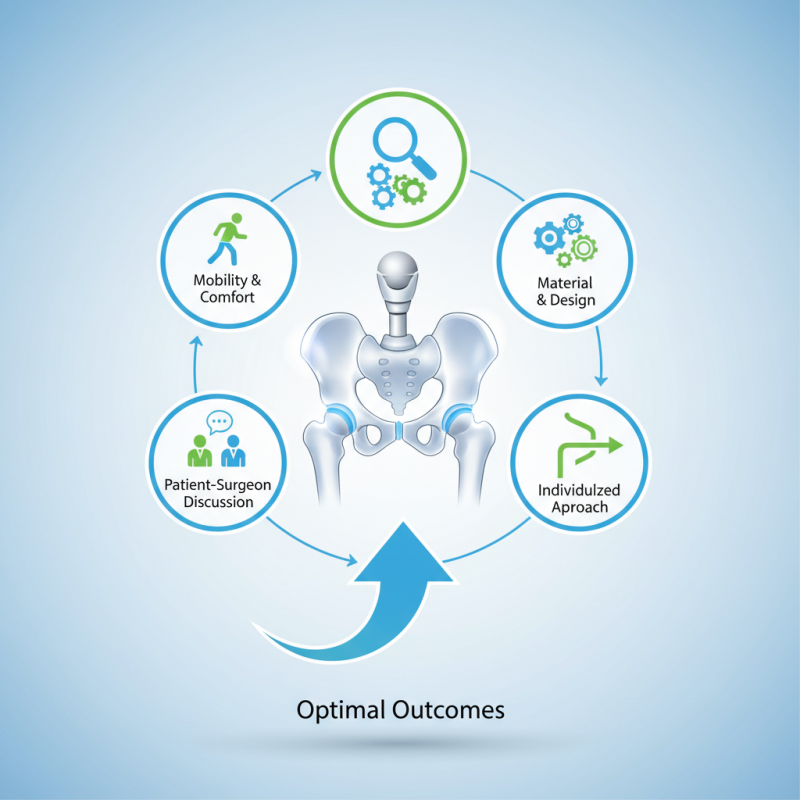
Despite advancements in technology, not every total hip prosthesis meets a patient's expectations. Some might experience prolonged discomfort post-surgery. This highlights the importance of thorough discussions between patients and surgeons. It also prompts reflection on how individualized approaches may lead to better results. Addressing each patient's specific needs remains a key focus in the ongoing development of total hip prosthesis solutions.
Overview of Total Hip Prosthesis and Pain Management
Total hip prosthesis is a common solution for severe hip pain, particularly from arthritis. Studies show that over 400,000 total hip replacement surgeries occur annually in the U.S. alone. This procedure can significantly improve mobility and reduce pain. However, success varies among individuals. Factors such as age, activity level, and overall health influence outcomes.
Pain management is critical before and after the surgery. A 2021 report highlighted that nearly 30% of patients still experience pain two years post-surgery. Effective pain management strategies are essential. These may include physical therapy, medication, and lifestyle changes. Patients often grapple with the emotional aspects of pain, which can complicate recovery.
A study from the Journal of Arthroplasty indicated that inconsistencies in pain relief lead to patient dissatisfaction. Understanding one's body and recognizing pain signals is important. Every surgery carries risks. Not all prosthesis designs yield the same results. Practitioners are still exploring optimal pain relief methods. It's an evolving science, one that requires ongoing research and patient feedback.
2026 Best Total Hip Prosthesis Options for Pain Relief
Types of Total Hip Prostheses: Materials and Designs
Total hip prostheses come in various designs and materials, tailored to meet varying patient needs. Common materials include
metal alloys, ceramics,
and high-density polyethylene. Each choice offers unique benefits and potential drawbacks.
For instance, metal implants are sturdy and durable but may cause allergic reactions in some individuals. Ceramics are less prone to wear but can be brittle, posing a fracture risk.
Designs can differ significantly as well. Some prostheses feature a modular design, allowing for easy customization during surgery.
This flexibility can accommodate unique anatomy and lifestyle. Other designs are more traditional, focusing on simplicity and proven success rates.
However, these may not fit every patient's specific requirements.
Surgeons often weigh these factors carefully. The goal is to ensure maximum comfort and longevity. Yet, no option is devoid of challenges.
Patients may need additional surgeries due to wear or complications.
These realities remind us that while advancements in prosthetic technology are promising, continuous evaluation and adaptation are vital.
Evaluating Effectiveness: Pain Relief Outcomes of Different Prostheses
Total hip prosthesis options are vast and varied. Studies show that over 90% of patients report pain relief after surgery. However, the effectiveness can differ significantly between various designs and materials used.
A recent meta-analysis found that ceramic-on-ceramic bearings significantly reduce wear. This may lead to longer-lasting implants. Nevertheless, some patients still experience persistent pain, raising questions about the overall design. In a cohort study, up to 15% of recipients reported dissatisfaction, often attributing it to implant size and positioning.
Furthermore, new hybrid prostheses are emerging. These combine elements from different designs to optimize comfort and mobility. Clinical trials indicate pain relief rates of approximately 85%. Nonetheless, not all patients experience the same benefits. Factors such as age and activity level play critical roles. The ongoing search for the ideal hip prosthesis continues, as researchers strive for better outcomes.
Risks and Considerations in Total Hip Replacement Surgery
Total hip replacement surgery can provide significant pain relief. However, it's important to understand the associated risks. Patients should be aware that complications can occur during the procedure or afterward. These may include infection, blood clots, or dislocation of the prosthesis. Each individual’s health varies, which affects potential outcomes.
Tips: Consider discussing your health history with your doctor. This helps to evaluate your risk factors. It's also wise to inquire about the surgical process. Knowing what to expect reduces anxiety and allows for better preparation.
Another risk to ponder is the possibility of implant wear over time. Some people experience changes in mobility. Though many patients report improved quality of life, side effects do exist. It’s crucial to have realistic expectations. Collecting feedback from previous patients can provide insight into their experiences.
Tips: Research local surgeons and their success rates. Look at patient testimonials online. Keep in mind that every case is unique, and outcomes can be unpredictable. Reflect on your personal goals for surgery, as this can guide your decision-making process.
Emerging Technologies in Hip Prosthesis for Enhanced Pain Relief
As hip joint pain continues to be a significant issue, new technologies are emerging to address this challenge. Innovative prosthesis designs are being developed with advanced materials. These materials not only improve longevity but also enhance comfort during daily activities. Biocompatible options reduce the chances of rejection, leading to a smoother recovery process.
Recent research highlights the importance of personalization in prosthesis design. Each individual’s anatomy varies, and a one-size-fits-all approach may not be effective. Tailored solutions promise better mobility and pain relief. However, the integration of technology can also lead to complexities. The learning curve for both surgeons and patients needs careful consideration. New methods should be embraced, but skepticism remains.
Improved imaging techniques allow for better surgical planning. 3D printing technologies are also revolutionizing prosthesis creation. They enable the production of customized implants that fit specific patient needs. Yet, the high cost of these emerging technologies raises questions about accessibility. Will everyone benefit from these advancements? As we explore enhanced pain relief options, these unanswered questions linger.
2026 Best Total Hip Prosthesis Options for Pain Relief
| Prosthesis Type |
Material |
Pain Relief Rating (1-10) |
Durability (Years) |
Weight (grams) |
| Modular Prosthesis |
Titanium Alloy |
9 |
15 |
800 |
| Cementless Prosthesis |
Cobalt-Chromium |
8 |
20 |
780 |
| Bipolar Prosthesis |
Polyethylene |
7 |
12 |
900 |
| Revision Prosthesis |
Titanium & Polyethylene |
9 |
18 |
850 |
| Porous Coated Prosthesis |
Titanium |
8 |
25 |
830 |
FAQS
: Total hip prosthesis is a surgical solution for severe hip pain, often due to arthritis.
Over 400,000 surgeries are performed annually in the U.S. for hip replacements.
Age, activity level, and overall health significantly influence surgery outcomes.
Pain management is critical since nearly 30% of patients experience pain two years post-surgery.
Techniques include physical therapy, medication, and lifestyle changes to enhance recovery.
No, effectiveness varies with design and materials; some patients still report persistent pain.
Risks include infection, blood clots, and dislocation. Personal health plays a significant role.
Yes, some individuals may experience changes in mobility as implants wear over time.
Discuss your health history with your doctor and inquire about the surgical process to ease concerns.
Investigate local surgeons, their success rates, and read patient testimonials for insight into experiences.
Conclusion
The article explores the various options available for total hip prosthesis aimed at alleviating pain in individuals undergoing hip replacement surgery. It begins with an overview of total hip prosthesis and the critical role of effective pain management in recovery. It then categorizes the types of total hip prostheses based on their materials and designs, detailing how these factors can influence the patient's experience and outcomes.
Furthermore, the effectiveness of different prosthesis models is evaluated, focusing on their pain relief outcomes to help guide decisions for patients and healthcare providers. It also addresses the risks and considerations associated with total hip replacement surgery, emphasizing the importance of informed choices. Finally, the article highlights emerging technologies in hip prosthesis, showcasing innovations that promise enhanced pain relief and improved patient quality of life.

 Axton Orthopedic Implants