5 Tips for Orthopedic Implant Material Transparency

Time:2026-11-16 Author:Oliver
0%

An orthopedic implant can appear simple in a product image: a polished stem, a compact screw, or a small plate. Its material story is more complex. Alloys, surface coatings, manufacturing steps, and traceability records can influence how a product is evaluated and used. Clear information helps clinicians and purchasing teams ask better questions before making decisions.

Why is material transparency crucial when purchasing orthopedic implants? It supports informed review of composition, coatings, and relevant product documentation. It can also help teams compare products without relying on brand language alone. Clear answers matter. A familiar product name does not explain every material detail. Nor does a brief brochure necessarily provide enough evidence to assess a claim.

This guide offers five practical tips for reviewing material transparency. Readers will learn what to request from manufacturers, how to check whether documents match the specific device, and why traceability matters. They should look for technical specifications, material disclosures, and records that can be verified with the supplier. Details may differ by implant type and manufacturer, so avoid assuming one checklist fits every product. That distinction is easy to miss. Even complete paperwork cannot remove every uncertainty or replace qualified clinical judgment. Transparency is a useful starting point, not a guarantee of performance. These tips aim to make conversations more specific, evidence-based, and useful when evaluating orthopedic implants.
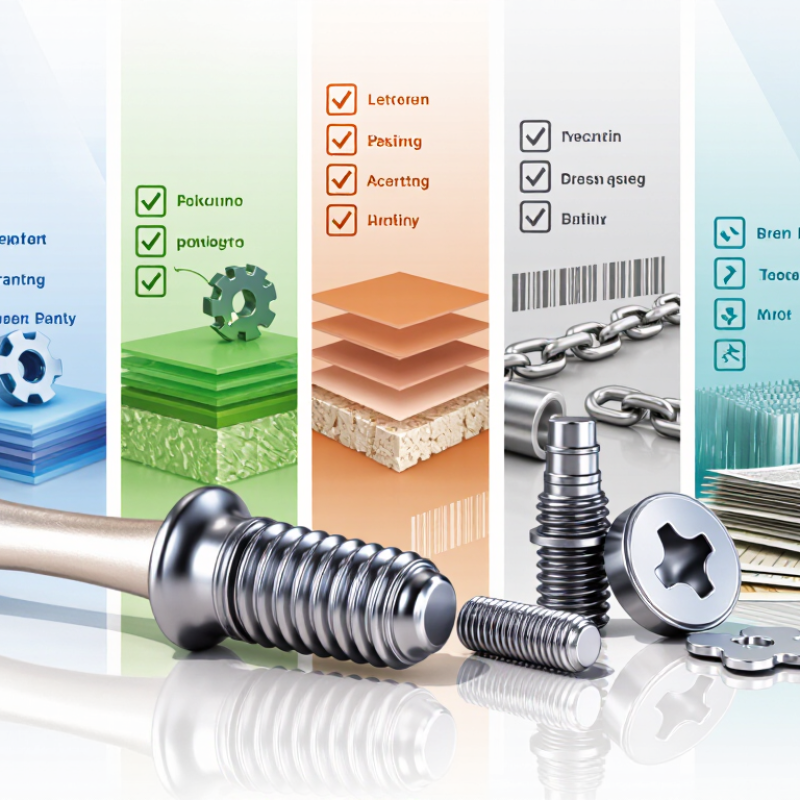
5 Tips for Orthopedic Implant Material Transparency

Define the Implant Material and Its Intended Use

Clear implant information starts with a precise material description. “Metal” is too broad to guide a meaningful discussion. Name the material category and, where verified, its composition, such as a titanium alloy or a cobalt-chromium alloy. Distinguish the implant body from coatings, porous surfaces, bone cement, and other components. These details can affect how patients and clinical teams interpret material information.

Tip: Define the intended use beside the material. State the anatomical site, whether the device replaces or supports tissue, and its expected role under load. A hip component experiences different forces from a small bone screw. Identify whether the implant is intended for temporary or long-term placement, when that information is available. Avoid implying that one material suits every patient or procedure.

Tip: Make the scope and limits visible. Explain which component a material statement covers, and refer readers to verified technical or clinical documents for specifics. Manufacturing and surface treatments can matter, so a short label may not tell the whole story. A neat table can still hide important distinctions. If a detail is uncertain or varies by configuration, say so plainly rather than filling the gap with a confident guess.

Verify Material Composition and Supplier Documentation

For an orthopedic implant, material transparency begins with a clear, lot-specific record, not a broad product description. Ask the supplier for the exact alloy or polymer designation, applicable material specification, and certificate of analysis or conformity. Check that each document identifies the production lot and matches the implant label and purchasing record. Details matter. An alloy family alone may not reveal the grade, chemistry limits, or processing condition.

Review supporting records for heat treatment, surface processing, and inspection or test results relevant to the supplied material. Confirm who issued each record and whether it covers the actual lot, rather than a representative sample. Ask how supplier changes, subcontracted steps, and corrected certificates are communicated and documented. If a value or identifier conflicts, pause acceptance and request a written explanation tied to the record. Do not fill gaps with assumptions.

Keep a traceability file linking the device identifier, lot number, supplier documents, and review date. This makes later audits and internal investigations more practical. A polished packet is not proof by itself; documents still need careful comparison. Small omissions happen. Even experienced reviewers can miss a mismatch when records arrive through separate systems.

Review Biocompatibility and Performance Testing

Biocompatibility review should match the implant’s materials, contact location, and expected exposure time. FDA’s 2023 guidance on ISO 10993-1 recommends a risk-based biological evaluation, not a checklist applied identically to every device. Review the rationale behind each test, including chemical characterization, cytotoxicity, sensitization, and irritation where relevant. Ask whether testing used the finished, sterilized device. Small details matter. A coating or manufacturing residue can change the biological picture.

Performance testing should reflect the forces and failure modes the implant will face. For example, ASTM F382 addresses metallic bone plates, while ASTM F2077 covers spinal interbody fusion devices. Check test methods, sample sizes, acceptance criteria, and failure descriptions—not only pass/fail summaries. The Lancet’s 2019 systematic review of national registry data reported 95.6% hip-replacement survival at 10 years across the analyzed data. That is a population-level outcome, not proof that a specific implant will perform the same way. Bench results and clinical follow-up answer different questions. Neither is perfect. Look for transparent links between material composition, test conditions, observed failures, and the intended use; unexplained gaps deserve follow-up.

Trace Manufacturing Processes and Quality Controls

Material transparency begins with a traceable chain, not a polished certificate. For each implant, retain the material heat number, supplier certificate, machining work order, cleaning record, and final inspection results. ASTM F136-13(2021), a specification for wrought titanium alloy used in surgical implants, limits oxygen to 0.13% by mass. It also limits nitrogen to 0.05% and hydrogen to 0.012%. These figures give reviewers concrete checks against a certificate and, where needed, independent test results.

FDA’s Unique Device Identification framework separates a device identifier from production identifiers, such as lot or serial numbers. GUDID stores device identification information; it does not replace batch-level manufacturing records. Details matter. A hospital or manufacturer should be able to follow a package label back to the relevant production lot, material documentation, and inspection history. During an audit, sample several lots and compare recorded dates, quantities, and material grades with the physical records. A tidy file is not proof that every handoff happened as recorded. That gap deserves scrutiny. Teams can also document deviations and their resolution, rather than quietly presenting only clean runs. Traceability is useful only when the trail is complete and testable.

Disclose Risks, Limitations, and Material Changes

Material transparency starts before surgery. Name each implant component: bearing surface, stem, cement, and any coating. Specify the alloy family and polymer type when known; “metal” alone tells patients little. Materials can change. Disclose when a component or manufacturing process changes, and explain whether evidence from earlier versions still applies.

Tip 1: Put risks beside the material description. Note possible wear, corrosion, fracture, sensitivity reactions, and imaging limitations where relevant. Do not imply that every risk applies equally to every patient. A 2019 Lancet analysis of national joint registries estimated 25-year survival at 57.9% for hip replacements and 82.3% for knee replacements. These are population estimates, not a personal forecast. Say so plainly.

Tip 2: State what is not known. Long-term data may be limited for newer materials, coatings, or design changes. Tip 3: Keep a dated change log that identifies what changed, why, and what testing supports it. Patients and clinicians need clear version details, not reassuring phrases. If evidence is incomplete, say that directly. That can feel uncomfortable, but it is more useful than certainty without support.

5 Tips for Orthopedic Implant Material Transparency - Disclose Risks, Limitations, and Material Changes

Tip What to Disclose Relevant Details Example Patient-Facing Language
1. Identify materials and components List the materials used in each implant component and distinguish the main structural material from coatings, liners, and bone cement, when applicable. Orthopedic implants may use materials such as titanium alloys, cobalt-chromium alloys, stainless steel, and polyethylene. Material composition varies by device and component; avoid implying that one list applies to every implant. “Your implant record identifies the materials used in the components selected for your procedure. The components may not all be made from the same material.”
2. Explain material-related risks Describe relevant risks without suggesting that they are certain to occur or that every risk is caused by the material alone. Potential concerns can include sensitivity or allergic reactions, wear particles, corrosion, and local tissue reactions. Risk depends on the device, patient, procedure, and other clinical factors; an allergy history does not by itself establish how a person will respond to an implant. “Material-related reactions are possible but are not inevitable. Tell your care team about known metal allergies or prior reactions so they can assess your individual situation.”
3. State limitations and uncertainties Explain what material information can—and cannot—predict about implant performance and an individual outcome. Laboratory or materials testing does not guarantee a specific result for an individual. Implant longevity and complications can be affected by factors such as activity, anatomy, bone quality, surgical factors, and overall health. “Material specifications provide useful information, but they cannot predict exactly how long an implant will last or whether an individual complication will occur.”
4. Document material or design changes Communicate relevant changes to materials, coatings, manufacturing processes, or component design, and clarify which device version the information covers. A change should be described accurately and in context. Explain whether it affects the implanted component, the available evidence, or the applicable instructions; do not imply that a change necessarily signals a safety problem. “This information applies to the device version identified in your implant record. If a relevant material or design update occurs, the revised information and its scope should be clearly stated.”
5. Make records and follow-up accessible Provide a way to identify the implanted device and obtain its current patient information, including instructions and safety communications when applicable. Keep the device name or identifier, component details, implantation date, and relevant documentation in the patient’s medical record. Patients should contact their clinical team for concerns rather than changing activity or treatment based solely on general material information. “Keep your implant information with your medical records. Contact your care team if you have new or worsening symptoms or questions about device-specific guidance.”

General educational information only. Material details and risks vary by implant and patient; consult the treating clinician and device-specific documentation for individual guidance.

FAQS

Why is “metal” not enough to describe an implant?

It is too broad. Name the material category, such as a titanium or cobalt-chromium alloy, when verified.

What details should accompany an implant’s material description?

State the anatomical site and intended role. Explain whether it replaces or supports tissue and whether placement is temporary or long-term, if known.

Should coatings and other components be included?

Yes. Distinguish the implant body from coatings, porous surfaces, bone cement, and other parts. A short label may hide useful details.

Does one implant material suit every patient or procedure?

No. A hip component and a small bone screw face different forces. Avoid broad claims about suitability.

What records help trace an implant’s manufacturing history?

Keep the material heat number, supplier certificate, machining work order, cleaning record, and final inspection results. Details matter.

What composition limits are cited for wrought titanium alloy?

The cited specification limits oxygen to 0.13% by mass, nitrogen to 0.05%, and hydrogen to 0.012%. Check the applicable documents.

Do device identification records replace production-lot records?

No. Device identification information is different from lot or serial details. Keep batch-level manufacturing records too.

How can teams check whether traceability records are reliable?

Sample several lots. Compare dates, quantities, and material grades with physical records. A tidy file is not proof; gaps deserve scrutiny.

Conclusion

Orthopedic implant material transparency helps patients and care teams understand what an implant is made of, what it is designed to do, and whether it suits its intended use. Why is material transparency crucial when purchasing orthopedic implants? Clear information makes it easier to compare options, ask informed questions, and understand the evidence behind claims about an implant’s safety and performance.

A thorough review should cover the material’s composition and supporting supplier documentation, as well as relevant biocompatibility and performance testing. It should also explain how the implant is manufactured, what quality controls are used, and how materials can be traced through production. Finally, transparent communication should describe known risks, limitations, and any changes to materials or processes. Together, these details provide a more complete basis for evaluating an implant without suggesting that any material or product is suitable for every patient.

Oliver

Oliver

Oliver is a seasoned marketing professional with a wealth of expertise in driving brand awareness and engagement. With a deep understanding of our company's product offerings, he consistently delivers high-quality content that enriches our professional blog. His insights not only shed light on......