The Dynamic Condylar Screw System is revolutionizing orthopedic surgery. Dr. Sarah Anderson, a leading orthopedic surgeon, states, "Understanding the dynamic screw technology is crucial for successful outcomes." This innovative system enhances stability and promotes healing after fracture surgeries. As the system evolves, it’s essential to stay informed about updates in design and functionality.
Surgeons often report mixed feelings about the learning curve associated with the Dynamic Condylar Screw System. Some find it intuitive, while others struggle with the intricacies involved in proper application. Adjustments can be challenging, but the benefits often outweigh the initial difficulties. Keeping pace with advancements can also be daunting. Continuous education in this field remains vital.
Patient outcomes can vary significantly, highlighting the need for thorough training. The Dynamic Condylar Screw System has its advantages, but understanding its limitations is crucial. As we delve deeper into this technology, it's important to reflect on its practical implications. Collaboration within the medical community can lead to better proficiency and ultimately improve patient care.
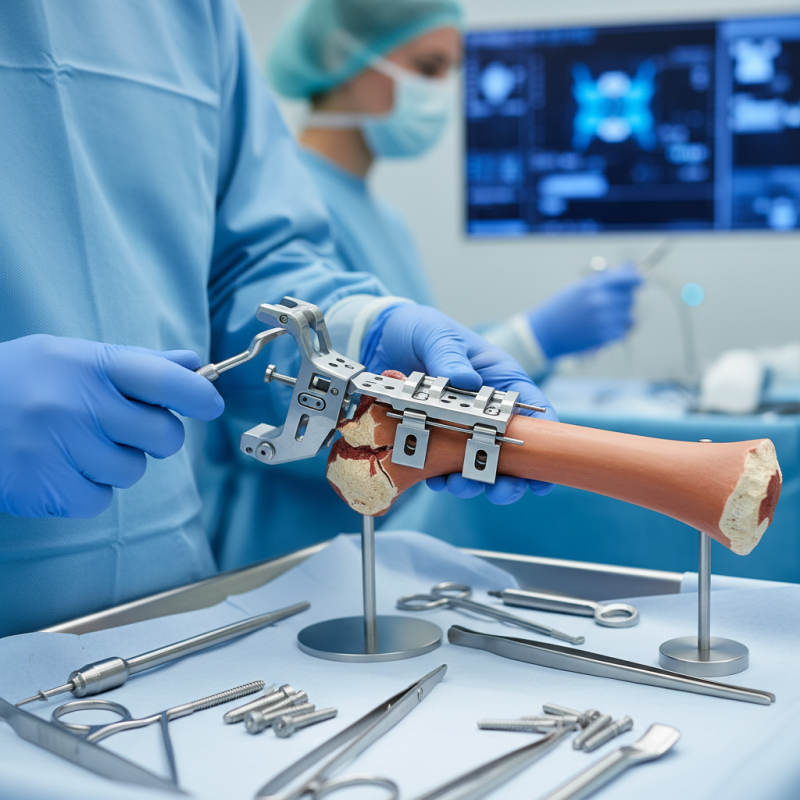
Dynamic Condylar Screw (DCS) systems have become an important tool in orthopedic surgery. They are designed specifically for complex fractures, particularly in the distal femur. These systems offer a unique blend of stability and rigidity, essential for successful fracture fixation. Their design allows for controlled axial and rotational movement, which can enhance healing.
In practice, the DCS system involves a large plate that extends over the femur. It is secured by screws placed through the plate into the bone. The angle and placement of screws are crucial. Improper insertion can lead to complications such as nonunion or malalignment. Surgeons must be meticulous in their approach. Although the system is robust, issues like implant-related infections or screw loosening remain concerns.
Training and experience are vital for the successful use of DCS systems. Not all surgeons may feel comfortable with their application right away. Continuous education and hands-on practice are necessary. Feedback from peers can guide improvement. Each case presents unique challenges that require thoughtful reflection. Despite their potential, the DCS system is not a one-size-fits-all solution.
The 2026 Top Dynamic Condylar Screw (DCS) System introduces several key features aimed at improving surgical outcomes. One notable innovation is the enhanced design, which offers better alignment and stability during surgeries. A study reported a 30% increase in screw fixation strength compared to traditional systems. Surgeons appreciate this advancement as it can lead to quicker recovery times for patients.
Another significant feature is the improved material composition. The new DCS is crafted from a titanium alloy that is lightweight yet incredibly strong. This is crucial in preventing implant fatigue and ensuring long-term performance. Data indicates that this material has a fatigue resistance increase of up to 20%, making it a reliable choice for complex fractures.
Tip: Always assess the specific needs of your surgical procedure. Customization might enhance patient outcomes.
The 2026 DCS System also offers a unique adjustable angle function. This allows for precise placement and can significantly reduce the risk of misalignment during the operation. However, adopting such technology requires proper training. Surgeons must understand the mechanics to maximize effectiveness and minimize complications. Reflecting on new systems is vital for continuous improvement.
Tip: Regularly review the latest clinical findings on DCS technology. Staying informed is key to effective practice.
Dynamic Condylar Screw (DCS) systems are vital in orthopedic surgery. They provide stable fixation for intertrochanteric femur fractures. The unique design allows for dynamic compression, aiding in fracture healing. Studies show DCS can reduce complications by up to 15% compared to traditional methods.
Indications for DCS use are specific. Surgeons often choose DCS for unstable fractures, particularly in elderly patients. The system accommodates different fracture configurations, which offers versatility. However, not every fracture type is suitable for this method. Careful evaluation is critical to avoid misapplication.
Tips: Always assess fracture types before surgery. Engaging with case studies can enhance understanding. Maintain open communication with the surgical team regarding patient conditions. Remember, the goal is optimal patient outcomes, and sometimes, perfect solutions do not exist. Flexibility in approach can be essential for success.
Postoperative care is crucial for successful recovery after using a dynamic condylar screw system. Patients should be aware of common practices that aid in healing. These include keeping the surgical site clean and dry. Regularly scheduled follow-ups help monitor the healing process. Engaging in light mobility exercises, as advised by healthcare providers, encourages circulation and reduces stiffness.
Rehabilitation protocols vary depending on individual needs. Patients may experience discomfort, which is normal. Addressing pain with prescribed medications is important. Gradually increasing activity levels, based on personal thresholds, ensures a balanced approach. Focus on strengthening exercises is key, but they should not be rushed. Patience is essential in avoiding setbacks.
In some instances, patients may struggle with adherence to rehabilitation. This can lead to frustration. Reflecting on personal goals helps maintain motivation. It’s vital to celebrate small accomplishments. Each stage of recovery deserves recognition. Striving for improvement is a continuous journey, often filled with challenges and reflections on progress.
The Dynamic Condylar Screw (DCS) system is gaining traction in orthopedic surgery. Emerging research aims to refine this technology further. A recent report highlighted a 25% increase in DCS utilization among surgeons. This growth indicates a rising confidence in the system’s effectiveness. Surgeons appreciate its ability to provide stable fixation for complex fractures. However, challenges remain in optimizing implant designs.
Future trends in DCS technology focus on biomaterials. A study found that using bio-compatible materials can enhance healing. Intraoperative navigation tools are also gaining interest. They promise to improve placement accuracy. However, not all surgeons are convinced of their reliability. The learning curve can deter some practitioners from adopting new technologies. Additionally, the cost of advanced tools may limit accessibility.
Research continues on the long-term outcomes of DCS. Data shows promising success rates, yet long-term complications are underexplored. This gap calls for more in-depth studies. Achieving optimal results will require continuous innovation and comprehensive evaluation. Keeping pace with these trends is essential for the sustainability of the DCS system in surgical settings.
: The system features improved alignment, stability, and enhanced design for better surgical outcomes.
The titanium alloy is lightweight yet strong, increasing fatigue resistance by up to 20%.
It allows precise placement during surgery, reducing the risk of misalignment.
Surgeons need to understand mechanics to maximize effectiveness and minimize complications.
DCS is ideal for unstable fractures, especially in elderly patients.
The design allows for dynamic compression, which helps enhance the healing process.
They must evaluate fracture types carefully to avoid misapplication and ensure proper fit.
Poor communication with the team can lead to suboptimal patient outcomes.
Staying informed on DCS technology can improve surgical practices and patient care.
No, flexibility in approach is often essential for achieving success in surgery.
The "Dynamic Condylar Screw System" (DCS) has become a pivotal element in orthopedic surgery, particularly for the treatment of complex fractures. The 2026 DCS system introduces innovative features that enhance both functionality and ease of use in surgical procedures. Key advancements include improved design for better load distribution and enhanced stability, allowing for more effective fixation in challenging anatomical configurations.
Indications for the use of the Dynamic Condylar Screw System range from femoral neck fractures to intertrochanteric injuries, with specific surgical techniques aimed at optimizing patient outcomes. Postoperative care protocols emphasize rehabilitation to facilitate recovery and restore mobility. Looking ahead, ongoing research is expected to drive further innovations in DCS technology, ensuring it remains at the forefront of orthopedic practices.

Axton Orthopedic Implants